Embroidery begins not with a pattern or a plan, but with a simple, physical connection. The needle pierces the fabric, the thread follows, and a loop is formed. This fundamental action—repeated, varied, and controlled—builds texture, image, and meaning. It is a craft rooted in utility, where every technique serves a purpose beyond decoration. The true skill lies not in complexity for its own sake, but in understanding which stitch will bear the weight of wear, which thread will hold its color, and how the hand can guide both to a durable, deliberate end. This practical intelligence, passed down through generations, transforms needle and thread from simple tools into instruments of preservation and narrative.

The Logic of the Line: Stitch as Structural Grammar
Consider the backstitch. Its strength is its simplicity: a continuous line formed by bringing the needle up through the fabric, moving backward, and plunging it down again, only to emerge ahead once more. This creates an unbroken, sturdy outline, ideal for defining a shape that must endure handling. A running stitch, by contrast, leaves tiny gaps. It is faster, more fluid, perfect for gathering fabric or creating a dashed guide for more detailed work. These are not mere artistic choices; they are structural decisions. An embroiderer mending a worn collar doesn’t reach for a satin stitch—its smooth, vulnerable surface would fray. They choose a tight herringbone or a closed blanket stitch, techniques designed to bind and reinforce. The stitch is the grammar of the craft, and its correct application is the difference between a lasting repair and a temporary fix.
This grammatical understanding extends to entire families of stitches. Couching, for instance, involves laying a thick thread on the fabric’s surface and securing it with smaller stitches at intervals. Historically used in ecclesiastical and royal garments to affix gold bullion thread, it’s a brilliant solution for incorporating materials too delicate or unwieldy to pass through fabric. A modern quilter might couch down a decorative cord to outline a block. Similarly, the humble cross-stitch, often seen in samplers, creates a pixelated grid that is remarkably resistant to distortion, making it a durable choice for items like tea towels and pillowcases that face regular laundering. Each stitch carries a functional legacy.
Material Constraints as Creative Guides
The hand does not work in a vacuum. It responds to the materials it holds. A tightly woven linen demands a sharp, thin needle and a thread with little loft, like stranded cotton. The fabric’s resistance creates precise, clean holes. A loose-weave burlap or wool, however, requires a sturdier needle and a thicker, forgiving thread, perhaps a crewel wool. Here, the material dictates a different approach; stitches must be looser to avoid puckering, and the design must account for the fabric’s inherent texture. Even the hoop—that basic tensioning tool—must be chosen with care. A wooden hoop with a loose screw will not hold even tension on silk, leading to distorted stitches. A plastic spring hoop might suffice for a small cotton project. As one practitioner notes, “You learn to listen to the fabric. It tells you how tight to pull, which path to take. Fighting it only leads to broken threads and frustration.” This dialogue between maker and material is where practical knowledge resides.
This material intelligence extends to thread management. Using strands from a six-strand embroidery floss allows for subtle adjustments in thickness. For fine detail on a handkerchief, one or two strands might be separated out. For bolder lettering on a tote bag, the full six. Wasting thread is not just inefficient; it breaks the rhythm of work. Practical embroiderers use methods like the loop start to anchor threads without knots, which can create lumps on the back of the work, and weave ends under existing stitches on the reverse to secure them cleanly. These are small, unglamorous techniques that ensure the object’s back is as considered as its front, contributing to its overall durability and finish. The choice of thread material itself is critical. Silk shines but is delicate; polyester and rayon offer vibrant colorfastness for items that will be washed; linen thread provides a beautiful matte finish with great strength for projects like traditional textile arts and historical reproduction.
A Stitch in Time: The Philosophy of Repair
A common scenario illustrates this practical mindset. A monogram on a work shirt cuff begins to fray after repeated washings. The solution isn’t to cover it with a new, unrelated design. Instead, the embroiderer examines the failure. Was the original stitch too shallow? Was the thread unsuitable for heavy wear? The repair involves carefully removing the compromised threads, assessing the integrity of the fabric beneath, and then restitching the monogram with a more robust thread—perhaps a polyester embroidery thread—and a denser stitch pattern like a long-and-short stitch variation. The goal is invisibility in function: the repair should not be seen, only felt in the extended life of the garment. This approach transforms embroidery from ornamentation into integral maintenance, a skill that preserves rather than merely adorns.
This philosophy aligns with broader cultural movements like visible mending, where repairs are celebrated rather than hidden. However, traditional practical embroidery often leans towards the invisible, prioritizing the garment’s original form and function. It’s a quiet, sustainable practice. “My grandmother never threw away a linen sheet,” shares Maria, a textile conservator. “She’d turn the sides to the middle when they wore thin, and embroider a strong seam over the join with a feather stitch. Those sheets lasted a hundred years. Her embroidery wasn’t about making something pretty; it was about making something last.” This mindset stands in contrast to today’s fast fashion, offering a tangible connection to care and longevity.
From Domestic Skill to Cultural Document
The utility of embroidery has historically cemented its place in daily life and cultural identity. Across the globe, specific stitches and motifs developed not as arbitrary decoration but as coded language and practical reinforcement. In Eastern Europe, the intricate embroidery on a shirt (vyshyvanka) served to strengthen stress points at the collar, cuffs, and shoulders, while the symbols stitched into those areas were believed to offer protection, a concept of holistic well-being that resonates with the WHO’s recognition of traditional practices in health and culture. In Japan, sashiko—the simple running stitch—originated as a frugal method to quilt together layers of indigo-dyed fabric, creating warm, durable workwear for fishermen and farmers; its geometric patterns emerged from the necessity of even distribution of stitches for maximum strength.
Samplers, often a young girl’s first project in the 17th and 18th centuries, were exercises in practical education. They served as reference documents for stitches, alphabets for marking household linens, and practice in color theory and material management. A single sampler could teach a dozen different edge finishes, crucial for preventing fraying on towels and tablecloths. This educational role underscores embroidery’s foundational place in domestic economy and literacy. Today, the resurgence of interest in handcrafts, with the global craft market valued in the billions, suggests a renewed yearning for this tangible, mindful skill set, as reported by market researchers like Statista.
The Modern Studio: Blending Tradition with Innovation
Contemporary embroidery practice thrives at the intersection of ancient technique and modern innovation. Digital tools now allow for precise pattern transfer, while online communities share knowledge that was once confined to regional guilds or family circles. Yet, the core principles remain unchanged. Artists like Ekaterina Rozhkova use traditional goldwork techniques, which involve couching metal threads, to create contemporary artworks that speak to both heritage and modern aesthetics. The materials may evolve—synthetic threads that mimic silk, heat-erasable pens for marking—but the practitioner’s judgment in their application is the timeless skill.
This blend is evident in practical applications, too. Embroidery is used in high-tech fields, such as creating flexible conductive circuits for wearable electronics, where the precision and durability of stitches are paramount. On a more accessible level, the modern maker might use a water-soluble stabilizer to embroider complex designs on stretchy t-shirt fabric, solving a problem that would have stymied embroiderers a century ago. The principle of adapting technique to material and purpose is constant, even as the tools expand. As one professional embroiderer for a theater costume department puts it, “We use everything from a 200-year-old tambour hook to a digital embroidery machine. The question is always the same: what does this garment need to endure under the lights, and how can our stitches make sure it does?”
Actionable Insights for the Modern Practitioner
Embracing the practical roots of embroidery enriches modern practice. Here are ways to integrate this mindset:
- Start with the End Use: Before choosing a stitch or thread, ask: Will this be washed often? Will it endure friction? A child’s name on a backpack requires sturdy threads like perle cotton and tight, dense stitches like chain or stem stitch, not delicate silk floss and satin stitch.
- Master a “Utility Kit” of Stitches: Focus first on five versatile, strong stitches: backstitch (for outlines), chain stitch (for lines and filling), blanket stitch (for edges), French knots (for durable texture), and the running stitch (for gathering and quilting). With these, you can mend, reinforce, and create robust designs.
- Practice Material Awareness: Keep a swatch book. Stitch the same simple motif on scraps of linen, cotton, knit, and denim. Note how the fabric behaves, how much tension it can take, and which needle works best. This firsthand knowledge is invaluable.
- Embrace the Back: A neat reverse isn’t just about aesthetics; it prevents snagging and ensures even tension. Practice starting and ending threads cleanly. A lumpy back can make an embroidered patch uncomfortable to wear.
- Think in Layers: For areas that will receive stress, such as a knee patch, consider padding. A layer of felt or even a second piece of fabric stitched underneath before embroidering over it can add years to the item’s life.
- Document Your Work: Keep a simple journal with thread samples, fabric swatches, and notes on what worked. This creates a personal reference library that accelerates your learning and decision-making.
The Thread That Binds: A Continuous Practice
The rhythmic pull of needle and thread does more than create an image; it weaves a connection between past and present, between utility and beauty. In a world of digital abstraction, the physicality of embroidery grounds us. It teaches problem-solving, patience, and a deep respect for the objects that populate our lives. Whether mending a favorite pair of jeans, personalizing a work uniform with a sturdy monogram, or creating a family heirloom with time-tested techniques, we participate in a tradition of care. The needle’s path is a deliberate one, a choice made with each pierce of the fabric. It is a slow accumulation of decisions about strength, suitability, and longevity—a testament to the idea that the most meaningful art is often the one that holds things together.
Research into the therapeutic benefits of crafts supports this, with studies in journals like The Journal of Public Health highlighting how repetitive, creative handwork can reduce stress and improve mental focus. Embroidery, in its practical form, offers this mindfulness alongside a tangible, useful outcome. It reminds us that our hands are capable of both creation and preservation, that skill is built one small, sturdy stitch at a time, and that beauty is profoundly linked to function. The thread continues, passed from one hand to the next, mending, marking, and making meaning that endures.
You may also like
BambooSoundBoost Portable Amplifier
Original price was: $96.00.$66.00Current price is: $66.00. Add to cartAncient Craftsmanship & ICH Herbal Beads Bracelet with Yellow Citrine & Silver Filigree Cloud-Patterned Luck-Boosting Beads
Original price was: $128.00.$89.00Current price is: $89.00. Add to cartAncient Craft Herbal Scented Bead Bracelet with Gold Rutile Quartz, Paired with Sterling Silver (925) Hook Earrings
Original price was: $322.00.$198.00Current price is: $198.00. Add to cartGuangxi Zhuang Brocade Handmade Tote – Ethnic Boho Large-Capacity Shoulder Bag
Original price was: $172.00.$150.00Current price is: $150.00. Add to cartHandwoven Zhuang Brocade Tote Bag – Large-Capacity Boho Shoulder Bag
Original price was: $178.00.$154.00Current price is: $154.00. Add to cartThe Palace Museum Paper-Cut Light Art Fridge Magnets: Chinese Cultural Style Creative Gift Series
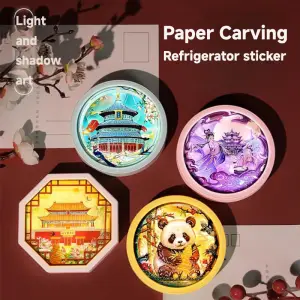
Price range: $27.00 through $36.00 Select options This product has multiple variants. The options may be chosen on the product page