Gifting in Chinese culture has long transcended mere transaction. It is a language of respect, relationship, and subtle meaning, woven into the fabric of social and familial bonds. While ornate decorative items have their place, there exists a quieter, perhaps more profound category: handmade objects designed not just to be admired, but to be used. These gifts carry the warmth of the maker’s hand directly into the recipient’s daily rituals, blending aesthetic tradition with tangible utility. They represent a confluence of philosophy, material intelligence, and human connection, offering a meaningful alternative in an age of mass production and fleeting trends.
The Philosophy of the Useful Gift
This perspective fundamentally shifts the focus from passive display to active engagement. A gift that is used is a gift that is remembered, its value and intent reinforced with each interaction. It avoids the fate of the forgotten shelf ornament, destined to gather dust. The underlying principle is one of enduring presence and integrated beauty. Consider the tangible difference between a factory-printed silk scarf and one hand-blocked using centuries-old techniques. Both possess beauty, but the latter tells a layered story—of mulberry leaves and silkworms, of hand-carved wooden stamps, of vegetable dyes simmered for hours, and of a rhythm of production measured in days, not seconds. When worn, that story moves with the recipient; the utility of the scarf becomes the living vehicle for its deeper narrative of heritage and care.
This philosophy aligns with traditional Chinese values that emphasize substance, longevity, and the cultivation of relationships through thoughtful action. A useful gift is an invitation to a shared experience, a tool for enhancing the recipient’s daily life. It speaks to a generosity that considers the other person’s reality, not just a ceremonial obligation. The act of giving becomes less about the momentary exchange and more about embedding a token of regard into the everyday flow of another’s existence.
Material Wisdom: Substance Over Show
Chinese handicrafts have, for millennia, excelled in the intelligent marriage of material properties to specific function. This is not arbitrary decoration but applied knowledge—a deep understanding of how substance informs use. The choice of material is the first and most critical step in creating an object that is both beautiful and purpose-built.
A Yixing clay teapot, for instance, is not merely a vessel for steeping tea. Its unglazed, porous zisha clay is carefully sourced from specific deposits in Jiangsu. Artisans select clay based on its mineral composition, which affects everything from heat retention to porosity. Over years of dedicated use, the pot absorbs the tannins and essential oils of the tea, developing a rich patina that subtly enhances the flavor and aroma of subsequent brews. The gift is therefore twofold: the physical pot and the promise of an evolving, deepening tea experience that matures with time. It is a gift that literally improves with age, mirroring the ideal of a lasting friendship.
Similarly, hand-woven bamboo baskets from regions like Zhejiang are not merely rustic-chic storage solutions. The specific weave patterns—whether a tight hexagonal “tortoiseshell” weave or a more open, flexible lattice—are deliberate choices that dictate the basket’s strength, flexibility, and airflow. A tightly woven basket might be designed for carrying grains, while a more open weave is perfect for storing vegetables, allowing air to circulate. The material, through the artisan’s skill, dictates the form, and the form enables a specific, useful life. This material wisdom extends to lacquerware, where countless layers build resilience and a luminous depth, or to hand-forged kitchen knives from Longquan, where the folding of steel creates a blade that holds an edge superbly.
A Case in Point: The Scholar’s Object Reimagined
The adaptation of traditional craft to modern life is a testament to its enduring relevance. Take the traditional Chinese inkstone, or yà, once the essential centerpiece of a scholar’s desk for grinding ink. While few today write daily with brush and ink, the principles behind its creation—the search for the perfect, finely textured stone that provides the right friction—inspire contemporary gifts. Artisans now craft small, impeccably smooth stone dishes or trays using the same quarrying and polishing techniques honed over centuries.
These objects find new life as elegant, weighty rests for a wristwatch or a piece of jewelry, their cool, solid presence offering a moment of calm on a cluttered bedside table. They serve as serene vessels for holding a single incense cone or as a tactile paperweight. The material’s cool touch, silent dignity, and connection to a lineage of contemplation and artistry remain wholly intact, but its function adapts seamlessly to contemporary needs. It represents a direct lineage of craft, repurposed with thoughtful intent.
“My grandmother never gave gifts that just sat there,” reflects Li Wei, a ceramicist in Shanghai. “When I moved into my first apartment, she gave me a set of hand-thrown ceramic rice bowls, glazed in a deep, crackled celadon. ‘Every meal is a ceremony,’ she told me. They’re slightly uneven, warm to the touch. After ten years, a small chip on one rim tells its own story of shared dinners and hurried breakfasts. I think of her every day, not just when I see them on the shelf, but when I lift one, fill it, and use it. That’s the entire point.”
Categories of Handmade Chinese Gifts with Purpose
Exploring this category reveals a wealth of options that cater to various aspects of daily life. The key is to match the craft to the recipient’s habits and environment.
For the Kitchen and Dining Table
The heart of the home is a perfect place for gifts that blend art and utility.
Hand-hammered copper ware: Crafted by ethnic minority artisans, kettles and hot pots offer superb heat distribution and develop a unique character over time.
Wooden dough boards and rolling pins: Made from hardwoods like beech or zitan, these are sized for making dumplings or noodles, connecting the cooking process to culinary tradition.
Blue-and-white porcelain condiment dishes: Small, hand-painted dishes perfect for serving soy sauce or chili oil—turning a simple meal into a composed presentation.
For Personal Rituals and Wellness
Gifts that enhance personal care speak to a wish for the recipient’s well-being.
Sandwood or jade combs: Believed in traditional medicine to stimulate the scalp, a finely carved sandwood comb is a cooling, aromatic tool for daily grooming.
Hand-tied moxa sticks for moxibustion: For someone interested in traditional wellness, these are a practical introduction to a time-honored practice.
Silk sleeping masks or pillowcases: Made from high-grade mulberry silk, these are not only luxurious but are clinically noted for their benefits to skin and hair, reducing friction and helping to retain moisture (Source: National Institutes of Health).
For the Home and Study
These items bring quiet artistry into living and working spaces.
Hand-knotted wool carpets from Ningxia or Tibet: Durable, insulating, and featuring symbolic motifs, they are foundational pieces of home decor.
Rice paper lanterns with bamboo frames: They provide a soft, diffused light that transforms the ambiance of a room.
Miniature root carving or scholar’s rock desk ornaments: These natural sculptures invite contemplation and connect a modern workspace to the ancient scholar’s garden aesthetic.
The Art of Tea: A Microcosm of Purposeful Gifting
Perhaps no other Chinese tradition so perfectly encapsulates the principles of the useful handmade gift as that of tea. It is a practice where object, ritual, and relationship converge. Gifting within this sphere moves far beyond a simple tin of leaves; it involves the tools that facilitate the ceremony and enhance the experience.
A hand-built Jianshui clay teapot, for example, offers a different character from Yixing. Its higher iron content and unique polishing process result in a smoother surface and a vibrant, resonant ring when tapped. It is particularly suited for brewing roasted oolongs or ripe pu-erh, mellowing their robust flavors. Gifting such a pot is an act of nuanced consideration, suggesting you understand the recipient’s specific palate.
Equally thoughtful are gifts that complete the tea station: a hand-carved tea pet—a small clay figurine that rests on the tray and is nourished by leftover tea—that becomes a companion in solitude; a bamboo tea scoop shaped from a single internode; or a set of fragrant cedarwood tea canisters that protect the leaves’ integrity. Each item serves a clear function while embodying a philosophy of mindfulness and presence. The World Health Organization notes the potential health benefits of tea, including polyphenol content, but the ritual itself—facilitated by these beautiful tools—offers a profound mental respite (Source: WHO).
The Deeper Value: Sustainability and Cultural Continuity
Choosing a handmade useful gift carries significance beyond the personal relationship. It is a conscious choice with wider implications. Firstly, it is an act of sustainable consumption. Handmade items are typically produced in smaller batches, using natural materials with longer lifecycles. They stand in opposition to the disposable culture of fast fashion and cheaply made goods. The global handicrafts market, valued in the hundreds of billions, represents a vital economic and cultural sector (Source: Statista).
Secondly, it supports the continuity of intangible cultural heritage. UNESCO actively identifies and seeks to safeguard traditional craftsmanship, recognizing it as a repository of cultural diversity and knowledge (Source: UNESCO). When you purchase a genuine handmade item from a master artisan or a reputable collective, you are directly contributing to the preservation of skills that might otherwise fade. You become a patron, however small, in a chain that links past, present, and future. This adds a layer of profound meaning to the gift, as it carries within it the survival of a cultural practice.
Consider the story of a family-run workshop in Jingdezhen, the centuries-old “porcelain capital,” keeping alive underglaze red techniques from the Ming Dynasty. Each piece they fire is a victory against cultural homogenization. Gifting such porcelain is not just giving a bowl; it is giving a fragment of living history, supporting a lineage that has weathered dynasties and now faces the pressures of the global market.
Practical Tips for Choosing and Gifting
Navigating the world of handmade Chinese gifts requires a discerning eye and thoughtful consideration.
- Seek Authenticity, Not Just Aesthetics: Research the craft. Understand the difference between a machine-made imitation and a true handmade piece. Look for slight imperfections, tool marks, or variations in color that signal human touch. Reputable sellers will provide information about the artisan, region, and techniques.
- Consider the Recipient’s Daily Life: The most successful gift is one that fits seamlessly into an existing routine. Does your friend brew tea daily? Do they enjoy writing by hand? Do they value organization? Match the object to the habit. A beautiful hand-bound journal for a writer, or a set of sturdy, elegant chopsticks for a home cook, shows deep observation.
- Embrace the Story: Part of the gift is the narrative behind it. Be prepared to share what you know about the craft, the material, or the artisan. A simple card can explain that the bamboo was sustainably harvested, or that the pottery glaze uses a formula dating to the Song Dynasty. This transforms the object from a commodity into a conversation piece with soul.
- Think of Longevity: These gifts are investments in durability. A well-made object should last for decades, becoming an heirloom. Avoid overly delicate items unless you are certain of the recipient’s context. The goal is for the gift to accumulate memories, not to remain pristine in a cabinet.
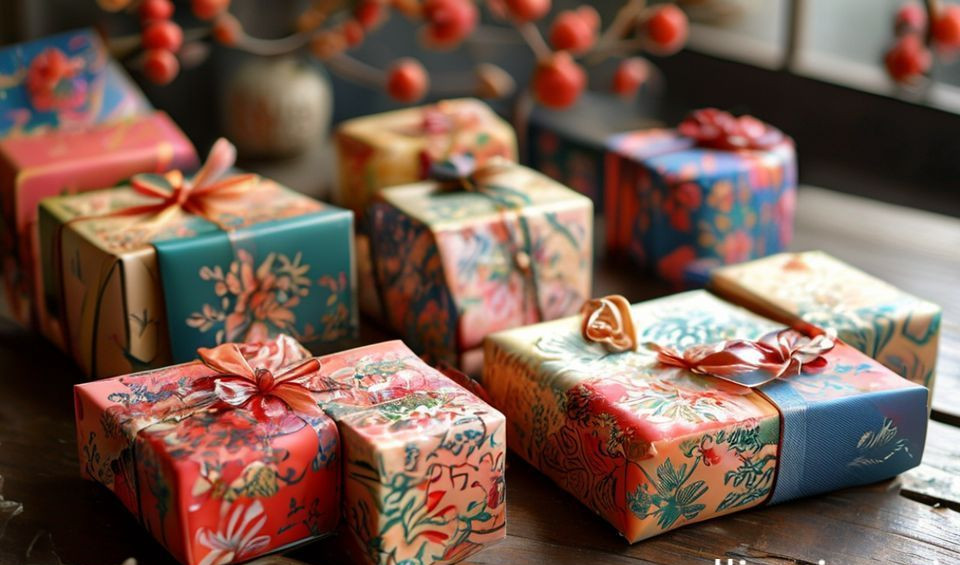
- Presentation Matters: Handmade items deserve thoughtful presentation. Use natural wrapping materials like unbleached cotton (wrapped furoshiki-style) or handmade paper. It extends the ethos of the gift from the object itself to the moment of unveiling, making the entire experience tactile and considered.
The true power of a handmade, useful Chinese gift lies in its quiet revolution against the ephemeral. It rejects the notion that value is tied to ostentation or price tags. Instead, it finds profound worth in the marriage of form and function, story and substance, the giver’s intention and the recipient’s daily reality. It is an artifact of care that asks not for admiration from a distance, but for participation. In a world that often feels increasingly disconnected and virtual, these objects ground us. They remind us, through the simple acts of brewing tea, serving food, or lighting a room, that beauty is not separate from life but woven into its very fabric, stitch by careful stitch, stroke by deliberate stroke.
You may also like
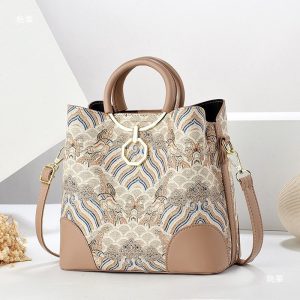
Guangxi Zhuang Brocade Handmade Tote – Ethnic Boho Large-Capacity Shoulder Bag
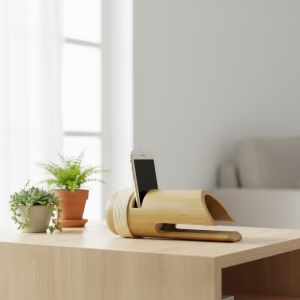
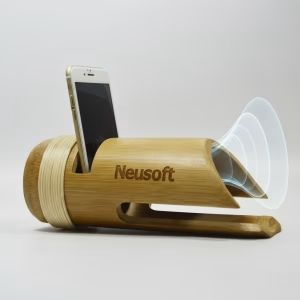
Original price was: $172.00.$150.00Current price is: $150.00. Add to cartBambooSoundBoost Portable Amplifier
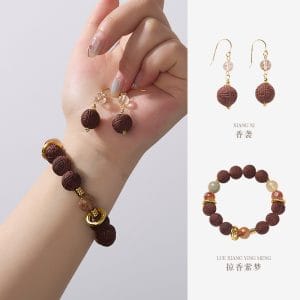
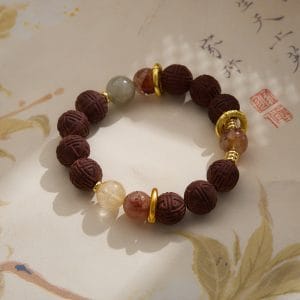
Original price was: $96.00.$66.00Current price is: $66.00. Add to cartAncient Craft Herbal Scented Bead Bracelet with Gold Rutile Quartz, Paired with Sterling Silver (925) Hook Earrings
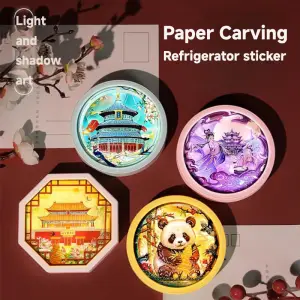
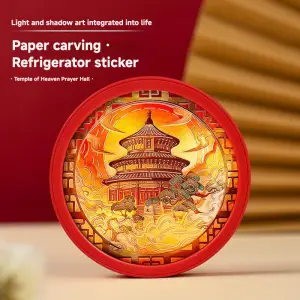
Original price was: $322.00.$198.00Current price is: $198.00. Add to cartThe Palace Museum Paper-Cut Light Art Fridge Magnets: Chinese Cultural Style Creative Gift Series
Price range: $27.00 through $36.00 Select options This product has multiple variants. The options may be chosen on the product pageAncient Craftsmanship & ICH Herbal Beads Bracelet with Yellow Citrine & Silver Filigree Cloud-Patterned Luck-Boosting Beads
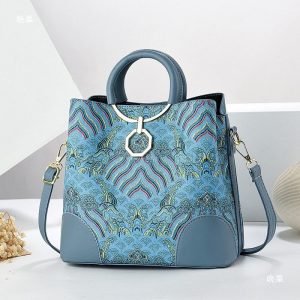
Original price was: $128.00.$89.00Current price is: $89.00. Add to cartHandwoven Zhuang Brocade Tote Bag – Large-Capacity Boho Shoulder Bag
Original price was: $178.00.$154.00Current price is: $154.00. Add to cart