In the quiet corners of rural Korea, elderly artisans still prepare soybean paste using methods unchanged for centuries. Their weathered hands press steamed soybeans into earthenware jars, beginning a transformation that will take months to complete. This isn’t merely food preparation—it’s cultural preservation in its most tangible form. The earthy aroma that rises from these fermentation vessels carries stories of generations, connecting modern kitchens to ancient traditions that have nourished both body and spirit across East Asia for millennia.
Historical Roots and Cultural Journey
Historical records from China’s Zhou Dynasty mention fermented soybean products as early as 1000 BCE, where early forms of seasoning paste provided essential flavor and nutrition to evolving culinary traditions. Buddhist monks traveling along the Silk Road carried these preservation techniques to Korea and Japan during the first millennium, where they evolved into distinct regional varieties shaped by local climates, ingredients, and cultural preferences.
In Korea’s Goryeo period (918-1392 CE), soybean paste became so culturally significant that royal kitchens maintained separate fermentation rooms staffed by specialists who guarded their recipes as state secrets. Historical documents from the Joseon Dynasty detail elaborate quality standards for soybean paste, with royal inspectors evaluating color, aroma, and texture before approving batches for palace use. This institutional recognition elevated fermented soybean paste from simple condiment to cultural treasure.
The journey of fermented soybean paste mirrors the movement of ideas and trade across Asia, with each region developing its own signature characteristics. Korean doenjang tends toward deeper, more robust flavors while Japanese miso offers more delicate, nuanced profiles, reflecting different aesthetic sensibilities and culinary applications.
Cultural Significance and Social Fabric
Soybean paste transcended its role as mere sustenance to become embedded in cultural rituals and social structures. In traditional Korean households, the quality of a family’s soybean paste reflected their culinary status and domestic skills. Brides often brought starter cultures as part of their dowry, carrying with them the microbial heritage of their family’s fermentation traditions.
The annual preparation of paste became a community event in many villages, with neighbors gathering to share techniques and divide the labor of steaming soybeans, shaping meju (soybean blocks), and monitoring fermentation. During Japan’s Edo period (1603-1868), miso shops became social hubs where neighbors exchanged news along with their fermented goods. These establishments served as early community centers where information circulated as freely as the fermented soybean products they sold.
“My grandmother measured time by fermentation cycles, not calendar months,” shares Kim Ji-young, a third-generation paste maker in Jeonju. “When the azaleas bloomed, she knew the spring batches would be ready. This connection between nature, food, and family defined our cultural identity. We didn’t just eat soybean paste—we lived by its rhythms.”
The paste even featured prominently in folk medicine across East Asia. Korean grandmothers still recall using warm soybean paste compresses to soothe childhood fevers, while traditional Chinese medicine incorporated fermented soy products for their perceived digestive benefits. This integration of food and wellness reflects holistic approaches to health that characterized traditional East Asian societies.
The Science of Transformation
The transformation of simple soybeans into complex fermented paste represents one of humanity’s earliest applications of biotechnology. The process begins when steamed soybeans are mixed with grains and inoculated with koji mold (Aspergillus oryzae). This mold produces enzymes that break down the proteins and starches in the soybeans into amino acids, simple sugars, and fatty acids. Subsequent fermentation by yeast and lactic acid bacteria develops the paste’s characteristic umami flavor and creates beneficial compounds.
According to research published in the Journal of Medicinal Food, the fermentation process significantly enhances the nutritional profile of soybeans, increasing the bioavailability of isoflavones and generating novel bioactive peptides with potential health benefits. The complex microbial ecosystem within fermented soybean paste contains hundreds of distinct microorganisms working in concert to create its distinctive flavor and health properties.
Modern scientific analysis has confirmed what traditional practitioners observed empirically—that properly fermented soybean paste contains compounds that may support digestive health, provide antioxidant protection, and contribute to overall wellness. The World Health Organization has recognized fermented foods like soybean paste as valuable components of diverse dietary patterns in their Healthy Diet Fact Sheet, noting their role in traditional food systems worldwide.
Regional Variations and Techniques
Across East Asia, fermented soybean paste has developed distinct regional characteristics shaped by local ingredients, climate conditions, and cultural preferences. Korean doenjang typically features a deeper, saltier profile with stronger fermented notes, traditionally made alongside ganjang (soy sauce) in the same fermentation vessel. The preparation involves forming steamed soybeans into blocks called meju, which are dried and hung to develop natural molds before being brined in earthenware pots.
Japanese miso presents a spectrum of varieties ranging from the light, sweet shiro miso (white miso) of Kyoto to the robust, dark aka miso (red miso) of northern regions. The differences arise from variations in the ratio of soybeans to grain, fermentation duration, and salt content. In some regions of Japan, miso fermentation continues for three years, developing exceptionally complex flavors prized by culinary experts.
Chinese fermented soybean pastes include doujiang and various regional specialties that often incorporate wheat flour and develop unique local characteristics. Unlike their Japanese and Korean counterparts, some Chinese varieties may include additional ingredients like spices or other beans, creating even greater diversity within this category of fermented foods.
UNESCO has recognized the cultural significance of fermentation traditions in several regions, including Korea’s kimjang (kimchi-making season) in its Intangible Cultural Heritage list, acknowledging how these food preservation methods embody community values and shared identity.
Modern Production and Global Adaptation
While traditional methods persist in rural areas and among artisanal producers, modern industrial production has dramatically increased the availability and consistency of fermented soybean paste. Large-scale facilities now use controlled temperature and humidity to standardize fermentation, reducing the traditional several-month process to just weeks. This industrialization has made products like miso and doenjang accessible worldwide, though some argue this comes at the cost of flavor complexity and potential health benefits.
Global interest in fermented foods has surged in recent years, with Statista reporting that the global fermented food and ingredients market reached approximately $196 billion in 2023 and continues to grow steadily. This expansion reflects increasing consumer awareness of gut health and interest in traditional food preparation methods.
Chefs worldwide have embraced fermented soybean paste as a versatile ingredient beyond traditional Asian cuisine. Innovative applications include miso-caramel desserts, doenjang-marinated meats, and fusion dishes that bridge culinary traditions. The unique umami quality of fermented soybean paste makes it an excellent flavor enhancer in vegetarian and vegan cooking, providing depth often associated with animal products.
Practical Applications and Home Fermentation
Incorporating fermented soybean paste into daily cooking can enhance both flavor and nutritional value. Beyond traditional soup bases and marinades, these applications can transform ordinary dishes:
- Whisk a tablespoon of miso into salad dressings for added complexity and umami depth
- Stir doenjang into stews during the last few minutes of cooking to preserve beneficial microorganisms
- Combine with butter or oil as a seasoning for roasted vegetables or proteins
- Use as a base for dips and spreads, thinning with vinegar or citrus juice
- Mix with mayonnaise or yogurt for sandwich spreads with enhanced flavor
- Add to grain dishes like rice or quinoa for extra savory notes
For those interested in home fermentation, creating basic soybean paste requires patience but follows a straightforward process. Start with high-quality, organic soybeans and traditional sea salt without anti-caking agents. Steam the soybeans until tender, then crush them while still warm. Form the mixture into compact blocks or balls and inoculate with koji starter (available from specialty suppliers). Place these in a warm, well-ventilated area to develop surface mold over several days.
Once the meju develops substantial yellow or white mold (avoid black or green molds), brush off excess spores and submerge in a brine solution in a clean ceramic or glass container. Weigh down the mixture to keep it submerged and cover with breathable cloth. Store in a cool, dark place for at least three months, checking periodically for surface growth and skimming if necessary.
Lee Min-ho, who maintains his family’s century-old fermentation jars in a Seoul suburb, notes: “The key is observation, not rigid timing. Each batch tells you what it needs—more air, less moisture, longer fermentation. You develop a relationship with the process. The resulting paste will develop deeper flavors over time, with many traditional makers maintaining ongoing batches that incorporate previous generations’ microbial cultures.”
Nutritional Profile and Health Considerations
Fermented soybean paste offers concentrated nutrition in a versatile form. The fermentation process breaks down compounds that can interfere with nutrient absorption in raw soybeans, making the protein more digestible and increasing the availability of minerals. The resulting paste contains all essential amino acids, making it a complete protein source particularly valuable in plant-based diets.
Research suggests that the isoflavones in fermented soy products may be more bioavailable than those in unfermented soy, potentially enhancing their antioxidant and phytoestrogen effects. The live cultures present in traditionally fermented paste may contribute to gut health, though more research is needed to fully understand these relationships.
When selecting commercial fermented soybean paste, read labels carefully. Traditional versions should contain only soybeans, salt, water, and koji culture. Avoid products with added preservatives, artificial flavors, or significant sweeteners, as these may indicate shortcuts in the fermentation process. Those monitoring sodium intake should use fermented soybean paste judiciously, as the salt content is necessary for proper fermentation and preservation but can be significant.
As with any fermented food, individuals with specific health conditions or compromised immune systems should consult healthcare providers before consuming traditionally fermented, unpasteurized products. The high sodium content also warrants consideration for those with hypertension or cardiovascular concerns.
Sustainability and Future Directions
The production of fermented soybean paste aligns with several sustainable food principles. The fermentation process preserves food without refrigeration, reducing energy consumption. Traditional methods utilize simple, renewable materials like earthenware jars and natural fermentation cultures rather than energy-intensive manufacturing processes.
Beyond environmental considerations, the cultural sustainability of fermented soybean paste faces challenges in the modern era. As younger generations migrate to cities and time-intensive traditional methods become less practical, knowledge transmission between generations has diminished. Organizations in both Korea and Japan have established programs to document traditional techniques and support artisanal producers, recognizing that these foodways represent intangible cultural heritage worth preserving.
Innovation continues within this ancient food tradition. Researchers are exploring optimized fermentation conditions to enhance specific nutritional compounds, while food scientists develop hybrid approaches that combine traditional wisdom with modern technology. The growing interest in fermentation among home cooks and professional chefs alike suggests that fermented soybean paste will continue evolving while maintaining its essential character.
The future of fermented soybean paste likely includes both preservation of traditional methods and adaptation to contemporary needs. As we face global challenges around food security, nutrition, and cultural preservation, these ancient fermentation practices offer insights into creating flavorful, nutritious, and sustainable foods that connect us to both our history and our future—a transformation of simple ingredients into something greater than the sum of their parts, much like the fermentation process itself.
You may also like
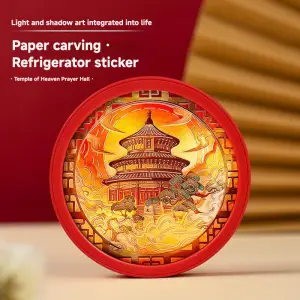
The Palace Museum Paper-Cut Light Art Fridge Magnets: Chinese Cultural Style Creative Gift Series
Price range: $27.00 through $36.00 Select options This product has multiple variants. The options may be chosen on the product pageHandwoven Zhuang Brocade Tote Bag – Large-Capacity Boho Shoulder Bag
Original price was: $178.00.$154.00Current price is: $154.00. Add to cartBambooSoundBoost Portable Amplifier
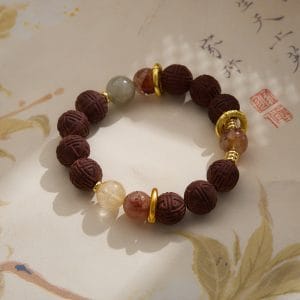
Original price was: $96.00.$66.00Current price is: $66.00. Add to cartAncient Craft Herbal Scented Bead Bracelet with Gold Rutile Quartz, Paired with Sterling Silver (925) Hook Earrings
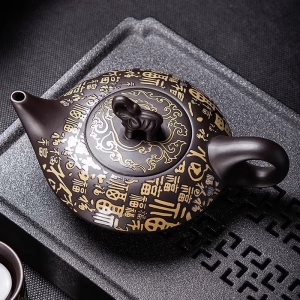
Original price was: $322.00.$198.00Current price is: $198.00. Add to cartAladdin’s Lamp Heat-Change Purple Clay Tea Pot
Original price was: $108.00.$78.00Current price is: $78.00. Add to cartGuangxi Zhuang Brocade Handmade Tote – Ethnic Boho Large-Capacity Shoulder Bag
Original price was: $172.00.$150.00Current price is: $150.00. Add to cart