In a Beijing courtyard where persimmon trees cast dappled shadows, 72-year-old Master Wu runs his hand along the carved rosewood frame of a daybed that has witnessed three generations of his family. “This isn’t furniture,” he says, his fingers tracing the dragon motifs. “It’s where our stories rest.”

The Architecture of Repose
Chinese daybeds, known as kang in northern regions and ta in southern areas, represent far more than sleeping surfaces—they’re miniature architectural statements that embody Chinese philosophical principles. Unlike Western beds designed primarily for nighttime use, these multifunctional pieces serve as daytime sitting platforms, social gathering spots, dining areas, and even workspaces. The typical daybed stands about 18 inches high, with side rails often featuring intricate openwork carving that reflects the Chinese concept of tian ren he yi—harmony between heaven and humanity.
In Shanghai’s Yu Garden, a 19th-century huanghuali wood daybed displays precisely 36 interlocking lotus patterns along its perimeter, each blossom symbolizing a different virtue. This numerical symbolism corresponds to the 36 celestial stars in Daoist cosmology, demonstrating how even decorative elements carried profound meaning. The daybed’s dimensions typically follow the golden ratio, creating visual harmony that soothes both user and observer. This attention to mathematical proportion reflects ancient Chinese beliefs about cosmic order manifesting in daily life.
The raised platform design serves practical purposes beyond aesthetics. In traditional Chinese homes, daybeds were positioned to capture cooling breezes during summer months while remaining elevated from damp floors. During winter, heated bricks could be placed beneath the frame, creating a warm microclimate. This thoughtful design represents what the World Health Organization might describe as an early example of environmentally responsive architecture supporting physical well-being.
Materials That Tell Stories
The choice of wood speaks volumes about a daybed’s origin, purpose, and social context. Elm daybeds commonly furnished merchant-class homes in 18th-century Guangzhou, their tight grain naturally resisting the humid subtropical climate. By contrast, zitan wood—so dense it sinks in water—appeared exclusively in imperial contexts, its deep purple hue symbolizing nobility and power. Contemporary collector Lin Xiaofeng has documented 127 distinct regional variations in daybed construction. “The Cantonese versions often incorporate mother-of-pearl inlay,” she explains, “while Sichuan craftsmen preferred bamboo latticework that allowed cooling mountain breezes to circulate during sweltering summers.”
When American architect Sarah Jensen incorporated a restored Ming-era daybed into a Los Angeles meditation space, she discovered its original owner’s diary tucked beneath the woven rush matting. “The entries described tea ceremonies held on this very surface in 1643,” she marvels. “Suddenly this wasn’t just beautiful wood—it was a living connection to someone’s daily life four centuries ago. The writer described watching cherry blossoms fall while reclining on this daybed, reminding me that great design transcends time.”
The material selection process itself reflected deep ecological understanding. Craftsmen would harvest wood during specific lunar phases, believing this timing affected the material’s stability. They also understood how different woods responded to regional climates—knowledge that modern sustainability advocates would appreciate. This traditional wisdom ensured daybeds could withstand decades of use while developing the rich patina that makes antique pieces so valuable today.
Cultural Significance Through Dynasties
The evolution of Chinese daybeds mirrors broader social and political changes across dynasties. During the Tang Dynasty (618-907 CE), daybeds became lower and wider, reflecting the period’s cosmopolitan openness and the influence of Central Asian customs. The Song Dynasty (960-1279 CE) saw daybeds become more minimalist and elegant, aligning with the era’s Neo-Confucian values of simplicity and moral cultivation. By the Ming Dynasty (1368-1644 CE), daybed design reached its aesthetic peak with clean lines and exquisite joinery that required no nails or glue—a technical achievement that still inspires modern furniture makers.
Qing Dynasty daybeds grew more ornate, often featuring lavish carvings and lacquer work that demonstrated the owner’s wealth and status. “You can read Chinese social history through these pieces,” notes Dr. Zhang Wei of Peking University’s Department of Archaeology. “A daybed from the late Qing period might feature carved bats (symbolizing happiness) and peaches (longevity) that reveal the owner’s aspirations during politically uncertain times.”
Research published in the Journal of Asian Architecture and Building Engineering confirms that Ming furniture symbolism extended beyond decorative motifs to include numerical patterns, spatial relationships, and even the orientation within a room. Each element carried layered meanings that would have been immediately recognizable to educated contemporaries but often escape modern viewers without proper context.
Practical Applications in Contemporary Life
Modern homeowners are rediscovering the functional versatility of Chinese daybeds beyond their traditional roles. Interior designers report increasing requests for daybeds as statement pieces in living rooms, where they serve as luxurious seating during the day and occasional guest beds at night. Their raised height makes them ideal for small apartments, providing valuable under-bed storage while creating visual separation in open-plan spaces.
Wellness centers have adopted daybeds for meditation and massage rooms, recognizing their ideal height for practitioners and their grounding aesthetic. Yoga instructor Maya Chen installed a custom daybed in her studio: “My students find the solid wood construction incredibly stabilizing for seated poses, and the carved panels create beautiful shadow patterns during morning practice.”
For those incorporating daybeds into modern interiors, consider these practical approaches:
- Position daybeds near windows to take advantage of natural light for reading and relaxation
- Use storage baskets beneath the frame for blankets and cushions to maintain clean lines
- Layer with quality cotton or linen bedding for comfort while preserving the wood’s beauty
- Pair with a low tea table to recreate the traditional Chinese sitting arrangement
- Rotate cushions seasonally—lighter fabrics for summer, warmer textiles for winter
- Add casters to heavier pieces for easier cleaning and rearrangement
- Incorporate ambient lighting above or beside the daybed to enhance evening use
These adaptations demonstrate how traditional forms can meet contemporary needs without sacrificing their essential character. The daybed’s multifunctional nature aligns perfectly with modern living trends toward flexible, efficient spaces.
Craftsmanship and Preservation
The construction of traditional Chinese daybeds involves joinery techniques that have been refined over centuries. Mortise and tenon joints allow the wood to expand and contract with seasonal humidity changes without cracking or warping. Master carpenter Li Junsheng, whose family has crafted daybeds for five generations, explains: “We select wood that has been properly seasoned for at least three years. The joinery must be precise to within one millimeter—any greater tolerance and the piece will creak or loosen over time.”
Preserving antique daybeds requires understanding their materials and construction. The UNESCO World Heritage Centre has recognized traditional Chinese woodworking as an intangible cultural heritage, noting its sustainable approach and technical sophistication. Conservation experts recommend:
- Avoid direct sunlight which can fade and dry the wood
- Maintain consistent humidity levels between 40-60%
- Clean with a soft, slightly damp cloth—never commercial furniture polish
- Consult specialists for significant repairs to preserve historical integrity
- Use breathable fabric covers when the piece won’t be used for extended periods
- Apply natural beeswax finishes annually to protect the wood without creating buildup
These preservation techniques honor the craftsmanship that went into creating these pieces while ensuring they can be enjoyed by future generations. The careful maintenance reflects respect for both the object and the cultural tradition it represents.
Global Influence and Modern Interpretations
Chinese daybeds have significantly influenced furniture design worldwide. Eighteenth-century European chaises longues borrowed the daybed’s elongated form, while mid-century modern designers like Hans Wegner adapted the clean lines of Ming-style daybeds for Western interiors. Today, contemporary designers are creating innovative interpretations that maintain the daybed’s essential character while incorporating modern materials and manufacturing techniques.
Shanghai-based designer Fiona Xi creates daybeds using sustainably harvested bamboo and digital fabrication: “I’m respecting the traditional proportions and multifunctional nature while making the form more accessible to urban dwellers. The daybed’s essence isn’t about replicating old designs—it’s about creating spaces for connection and contemplation, which is perhaps more valuable now than ever before.”
According to Statista, the global market for artisan furniture has grown approximately 15% annually since 2020, with Chinese-inspired pieces representing a significant segment. This resurgence reflects broader interest in furniture that combines aesthetic appeal with practical versatility and cultural depth.
The cross-cultural exchange continues as Western designers reinterpret Chinese daybeds for contemporary markets. New York-based furniture studio Alder & Co. recently launched a collection inspired by Song Dynasty daybeds but constructed using parametric design and CNC machining. “We’re capturing the spirit of these ancient pieces while making them relevant for how people live today,” explains creative director James Park. “The daybed’s ability to define space while serving multiple functions feels incredibly modern.”
Living with a Daybed
For those considering incorporating a Chinese daybed into their home, understanding its cultural context enhances the experience. The daybed traditionally occupied a central position in the main living space, reflecting its role as the heart of domestic life. Families would gather for meals, conversation, and shared activities on this versatile surface.
Toronto museum curator Michael Robertson uses his antique daybed as both a conversation piece and functional furniture: “Guests are immediately drawn to the beautiful carving, but what they discover is incredible comfort. The height is perfect for sitting naturally, and the solid wood frame has a presence that mass-produced furniture lacks. It has become the most used piece in our home—we read there, nap there, sometimes even eat dinner there while watching the sunset.”
When selecting a daybed, consider both aesthetic preferences and practical needs. Solid wood construction ensures durability, while the design should complement your space without overwhelming it. Those new to daybeds might start with a simpler design before investing in more elaborate antique pieces.
Modern manufacturers have responded to growing interest by creating pieces that maintain traditional craftsmanship while accommodating contemporary lifestyles. Some offer modular designs that can be configured as separate seating elements or combined into a single large platform. Others incorporate hidden storage or convertible features that enhance functionality without compromising aesthetic integrity.
The daybed’s ability to create intimate spaces within larger rooms makes it particularly valuable in open-plan living environments. By defining a specific area for relaxation or socializing, it helps organize space naturally without requiring physical partitions. This quality aligns with ancient Chinese principles of spatial harmony while addressing modern architectural challenges.
These pieces continue to accumulate stories in contemporary contexts. A daybed might witness children’s play, family celebrations, quiet mornings with tea, or late-night conversations with friends. Each layer of use adds to its history, transforming it from a beautiful object into a repository of personal meaning. Master Wu’s observation about stories finding rest in these pieces resonates across cultures and generations, reminding us that the most meaningful furniture serves not just our physical needs but our human need for connection and continuity.
References:
1. UNESCO Intangible Cultural Heritage: Traditional Chinese woodworking
2. World Health Organization: Traditional healing spaces and mental well-being
3. Journal of Asian Architecture and Building Engineering: Symbolism in Ming furniture
4. Statista: Global artisan furniture market report 2023
You may also like
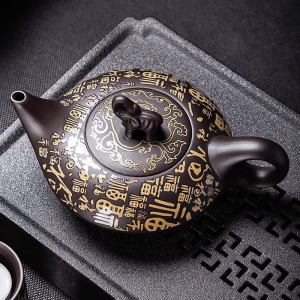
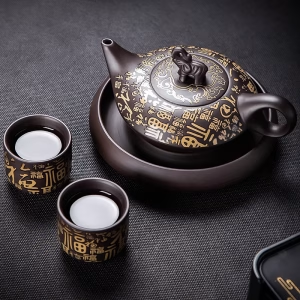
Aladdin’s Lamp Heat-Change Purple Clay Tea Pot
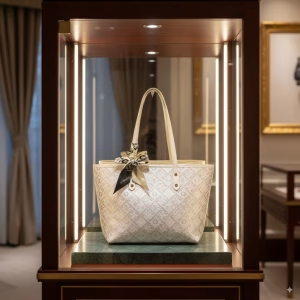
Original price was: $108.00.$78.00Current price is: $78.00. Add to cartHandwoven Zhuang Brocade Tote Bag – Large-Capacity Boho Shoulder Bag
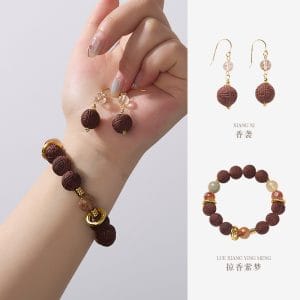
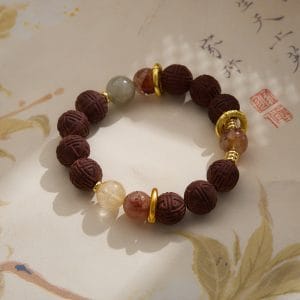
Original price was: $178.00.$154.00Current price is: $154.00. Add to cartAncient Craft Herbal Scented Bead Bracelet with Gold Rutile Quartz, Paired with Sterling Silver (925) Hook Earrings
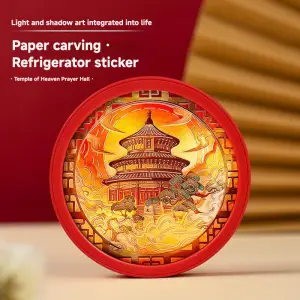
Original price was: $322.00.$198.00Current price is: $198.00. Add to cartThe Palace Museum Paper-Cut Light Art Fridge Magnets: Chinese Cultural Style Creative Gift Series
Price range: $27.00 through $36.00 Select options This product has multiple variants. The options may be chosen on the product pageGuangxi Zhuang Brocade Handmade Tote – Ethnic Boho Large-Capacity Shoulder Bag
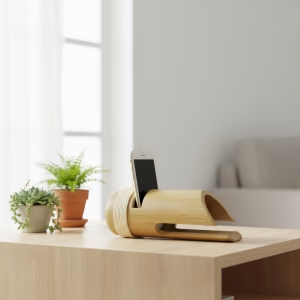
Original price was: $172.00.$150.00Current price is: $150.00. Add to cartBambooSoundBoost Portable Amplifier
Original price was: $96.00.$66.00Current price is: $66.00. Add to cart