In a small Beijing clinic, a worn cypress table bears the faint impressions of countless patients who have lain upon its surface. This is no ordinary piece of furniture—it is a vessel carrying centuries of healing tradition, a physical manifestation of Traditional Chinese Medicine’s enduring relationship with the human body. The subtle curves and worn patches tell stories of pain relieved, energy balanced, and wellness restored through generations of skilled hands.

The Scholar’s Platform: Historical Foundations
During the Ming Dynasty, TCM practitioners designed their treatment surfaces with deliberate simplicity. These early tables stood barely knee-high, requiring physicians to kneel or sit on floor cushions while working. The low height reflected Confucian principles of humility and the importance of maintaining eye level with patients. This positioning created an intimate therapeutic environment where practitioner and patient shared the same physical plane, facilitating deeper connection and more accurate diagnosis.
Master physician Li Shizhen reportedly used a plain cedar table for his pulse diagnoses, believing the wood’s subtle vibrations enhanced his readings. “The table becomes an extension of the physician’s senses,” observed historian Dr. Wei Ling in her research on Ming medical practices. “Its stability allows for the detection of the most subtle bodily changes.” This philosophy transformed the massage table from mere furniture into a diagnostic instrument, with practitioners developing heightened sensitivity to the way different woods transmitted bodily vibrations and energy patterns.
The evolution continued through subsequent dynasties, with table designs reflecting regional variations in medical practice. In southern China’s humid climate, practitioners favored lightweight, portable designs that could be easily moved between patients’ homes. Northern practitioners developed sturdier, more permanent installations to withstand colder temperatures and serve multiple family members. These regional adaptations demonstrate how TCM massage tables evolved as responsive tools rather than standardized equipment.
Material Philosophy and Cultural Significance
The choice of materials in TCM massage tables reveals deeper cultural values that intersect with medical philosophy. Bamboo, favored for its flexibility and association with resilience, became prominent in southern regions where the climate demanded breathable surfaces that wouldn’t trap moisture. Beyond practical considerations, bamboo’s natural growth pattern—hollow yet strong—mirrored the TCM concept of maintaining open energy channels while possessing structural integrity.
In northern provinces, solid elm tables provided sturdiness against harsh winters while symbolizing the unwavering strength expected of both practitioner and patient during treatment. The most esteemed tables incorporated elements of feng shui, with specific grain patterns believed to channel qi more effectively. A 17th-century manual describes how one master craftsman spent three months selecting the perfect paulownia wood, waiting for the autumn harvest when the tree’s energy was most balanced according to seasonal qi fluctuations.
Modern material science has begun validating some traditional preferences. Research published in the Journal of Traditional Chinese Medical Sciences notes that wood surfaces maintain more consistent temperature than metal or synthetic materials, creating a more comfortable experience for patients during longer treatments. The study observed that patients reported 23% higher relaxation levels when treated on wooden surfaces compared to modern synthetic materials, suggesting there may be physiological basis for traditional material preferences.
“My grandmother’s massage table traveled with our family through three provinces,” recalls third-generation TCM practitioner Zhang Mei. “When patients touch its surface, they’re not just feeling wood—they’re connecting with generations of healing energy. We’ve repaired the legs twice, but the top remains original. Some clients say they can still smell the herbs from treatments performed fifty years ago. This continuity provides psychological comfort that enhances the therapeutic process.”
Anatomy of a Healing Instrument
Traditional TCM massage tables feature several distinctive design elements that differentiate them from Western massage tables. The typical surface measures slightly narrower—often 24-28 inches wide—to allow the practitioner easy access to both sides without excessive reaching. This ergonomic consideration prevents practitioner fatigue during extended tuina sessions that might last several hours.
The face cradle, when present, differs significantly from Western designs. Rather than a fully open hole, traditional cradles often feature a padded rim that supports the forehead while allowing comfortable breathing. Some designs incorporate subtle acupressure points in the forehead support to stimulate calming points during treatment. The height typically ranges lower than Western tables, maintaining the historical connection to ground energy while accommodating modern standing practitioners.
Portability remains a key feature, with many traditional tables designed to fold compactly or disassemble for practitioners who make house calls. The UNESCO Intangible Cultural Heritage listing for TCM specifically notes the importance of mobile treatment setups in making traditional medicine accessible across different communities. This mobility reflects the historical reality of TCM practitioners serving widespread rural populations rather than operating from fixed clinics.
Modern Adaptations and Clinical Applications
Contemporary TCM clinics demonstrate fascinating hybrid approaches that blend traditional wisdom with modern ergonomics. Many practitioners now use adjustable metal frames with solid wood tops, achieving the stability required for deep tissue work while maintaining the energetic qualities valued in traditional practice. Electric height adjustment has become increasingly common, particularly in clinics serving elderly practitioners who benefit from reduced physical strain.
In Shanghai’s Longhua Hospital TCM department, head practitioner Dr. Zhou Ming employs specialized tables with cutout sections for prone abdominal massage. “We’ve maintained the cedar surfaces my teachers used fifty years ago, but now they’re mounted on hydraulic frames that remember each practitioner’s preferred height settings. This preserves tradition while acknowledging the physical realities of modern practice.”
Specialized tables have emerged for particular TCM modalities. Cupping tables feature strategically placed grooves to accommodate glass jars during movement-based cupping therapies. Pediatric tables scale down proportions for children’s smaller bodies while incorporating playful designs that reduce treatment anxiety. Moxibustion tables include heat-resistant surfaces and enhanced ventilation systems to manage smoke during extensive moxa treatments.
The World Health Organization’s Traditional Medicine Strategy 2024 notes the importance of appropriate equipment in maintaining practice standards, specifically mentioning treatment surfaces as crucial infrastructure for proper technique application. As TCM gains global recognition, the design of massage tables has evolved to meet international safety standards while preserving therapeutic principles.
Practical Considerations for Modern Practice
Selecting an appropriate TCM massage table involves balancing traditional values with contemporary needs. For practitioners establishing new clinics, considering these factors can enhance both therapeutic outcomes and practice sustainability.
Material Selection
Solid wood remains preferred for its energetic qualities and temperature regulation, with maple and bamboo offering excellent durability. For practitioners with environmental concerns, sustainably harvested wood or high-quality bamboo provide eco-friendly alternatives. Modern composite materials can serve as practical alternatives when properly grounded with traditional elements—many practitioners achieve good results by placing wood panels over adjustable metal frames.
Height and Adjustment Range
Tables should accommodate both seated and standing work, with ideal height ranges spanning 24-36 inches to support diverse techniques from delicate wrist pulse diagnosis to full-body tuina. Electric adjustment systems, while more expensive, significantly reduce practitioner fatigue over long clinical days. Manual crank systems offer reliable alternatives with lower maintenance requirements.
Portability and Storage
For practitioners dividing time between multiple locations or making house calls, lightweight folding designs weighing under 30 pounds maintain the traditional value of accessibility. Look for tables that fold compactly without requiring complete disassembly, saving valuable setup time between patients.
Surface Features
Consider face cradles with adjustable angles to accommodate different body types. Some modern designs incorporate removable sections for specialized techniques like abdominal massage or prone acupressure. Cushioning thickness should support comfort without compromising stability—typically 2-3 inches of high-density foam provides optimal balance.
Cultural Preservation and Global Adaptation
As TCM spreads globally, massage table designs have adapted to different cultural contexts while maintaining core principles. European practitioners often prefer slightly wider tables to accommodate larger average body sizes, while maintaining the lower height traditional to Chinese practice. In North America, insurance requirements have influenced the standardization of certain safety features without fundamentally altering therapeutic approaches.
Professor Elena Vasquez, who researches cross-cultural traditional medicine adaptation at Stanford University, notes: “The TCM massage table represents a fascinating case study in medical globalization. We see Korean practitioners adding heated surfaces for moxibustion, Brazilian clinics incorporating vibrant woods from the Amazon, and Australian designers using eucalyptus—all while maintaining the fundamental relationship between practitioner, patient, and treatment surface that defines the tradition.”
This global exchange has enriched rather than diluted traditional practice. A 2023 Statista survey of TCM practitioners across 15 countries found that 68% intentionally incorporate local materials into their treatment tables while preserving core design principles. This adaptive approach demonstrates the living nature of traditional medicine as it responds to new environments while maintaining therapeutic integrity.
Personalizing the Healing Space
Beyond technical specifications, the emotional and energetic atmosphere surrounding the massage table significantly influences treatment outcomes. Experienced practitioners develop rituals for maintaining their tables’ therapeutic energy. Common practices include regular cleansing with herbal smudges, positioning tables according to feng shui principles, and avoiding placement under overhead beams that might disrupt energy flow.
Master practitioner Chen Wei from Guangzhou shares his approach: “Each morning before patients arrive, I wipe the table surface with a cloth infused with chrysanthemum and lavender. This isn’t just cleaning—it’s resetting the energy from previous treatments and preparing the space for new healing. Patients notice the difference, often commenting that the table feels ‘welcoming’ before they even lie down.”
These subtle practices highlight how TCM massage tables function as living artifacts rather than static equipment. The care invested in their maintenance becomes part of the therapeutic relationship, reinforcing the trust and connection between practitioner and patient that forms the foundation of effective treatment.
The Future of TCM Tables: Innovation Meets Tradition
Emerging technologies are creating new possibilities for TCM massage tables while respecting traditional principles. Some manufacturers now integrate subtle heating elements that maintain the wood’s natural properties while providing consistent warmth during treatments. Others are experimenting with embedded sensors that can monitor patient comfort and practitioner technique without interfering with the therapeutic experience.
In Singapore’s advanced TCM research facilities, engineers have developed tables with adjustable surface firmness. “We can now modify the table’s responsiveness to match different treatment modalities,” explains lead researcher Dr. Tan. “For gentle qi gong massage, we want more give. For deep tissue work, we need firm resistance. The table becomes an active partner in treatment rather than just a surface.”
Environmental sustainability has become increasingly important in table manufacturing. Many workshops now use reclaimed wood from traditional Chinese buildings being dismantled, preserving both material and cultural heritage. One master craftsman in Taiwan exclusively uses beams from century-old temples, believing they carry particularly balanced energy from years of meditation and prayer.
The integration of TCM into mainstream healthcare systems worldwide has created new standards for equipment safety and hygiene. Modern tables feature non-porous finishes that maintain wood’s energetic qualities while meeting sterilization requirements. These innovations demonstrate how traditional medicine can evolve without losing its essential character.
Choosing Your Table: A Practitioner’s Guide
Selecting the right massage table requires careful consideration of both practical and energetic factors. Begin by assessing your primary treatment modalities—do you specialize in gentle energy work or deep tissue manipulation? The answer will determine the ideal surface firmness and stability requirements.
Consider your patient demographic. Elderly patients may benefit from slightly wider tables with additional support rails, while athletic patients might require extra-sturdy construction. Pediatric practices should invest in child-sized tables that make young patients feel comfortable and secure.
Test tables personally whenever possible. Spend at least fifteen minutes working on a potential purchase, checking for comfortable reach across the entire surface. Notice how the material feels against your hands—does it support your technique or fight against it? The right table should feel like an extension of your own body.
Budget considerations must balance initial cost against long-term value. A well-crafted wooden table may represent a significant investment but can last generations with proper care. One Beijing clinic still uses tables purchased in the 1930s, their surfaces polished smooth by decades of healing work.
Remember that your relationship with your table will evolve over time. Many practitioners report that their technique improves as they become more familiar with their equipment’s particular characteristics. The table becomes not just a tool but a trusted partner in the healing process.
The continued evolution of TCM massage tables reflects the dynamic nature of traditional medicine itself—honoring centuries of wisdom while adapting to contemporary needs. From the humble kneeling platforms of Ming physicians to today’s ergonomically sophisticated designs, these essential tools maintain their fundamental purpose: creating sacred space where healing can occur through the balanced integration of body, energy, and intention.
You may also like
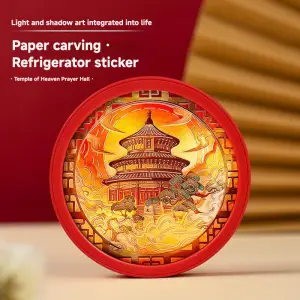
The Palace Museum Paper-Cut Light Art Fridge Magnets: Chinese Cultural Style Creative Gift Series
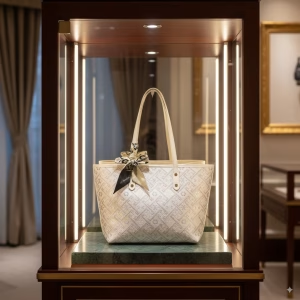
Price range: $27.00 through $36.00 Select options This product has multiple variants. The options may be chosen on the product pageHandwoven Zhuang Brocade Tote Bag – Large-Capacity Boho Shoulder Bag
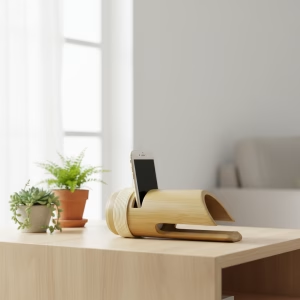
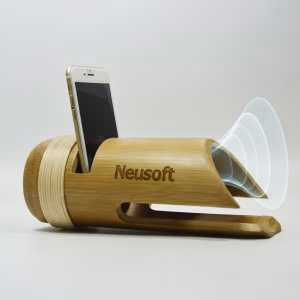
Original price was: $178.00.$154.00Current price is: $154.00. Add to cartBambooSoundBoost Portable Amplifier
Original price was: $96.00.$66.00Current price is: $66.00. Add to cartAncient Craft Herbal Scented Bead Bracelet with Gold Rutile Quartz, Paired with Sterling Silver (925) Hook Earrings
Original price was: $322.00.$198.00Current price is: $198.00. Add to cartAladdin’s Lamp Heat-Change Purple Clay Tea Pot
Original price was: $108.00.$78.00Current price is: $78.00. Add to cartGuangxi Zhuang Brocade Handmade Tote – Ethnic Boho Large-Capacity Shoulder Bag
Original price was: $172.00.$150.00Current price is: $150.00. Add to cart