When Li Wei first lowered himself onto the solid oak table at Master Chen’s clinic, he noticed two things immediately: the faint scent of sandalwood and the way the table seemed to embrace rather than simply support. ‘It felt like the table was holding space for me,’ he recalls, ‘before the practitioner even laid hands on me.’ This initial encounter, repeated thousands of times daily across clinics worldwide, represents the unspoken beginning of every Traditional Chinese Medicine treatment—the moment patient meets table.
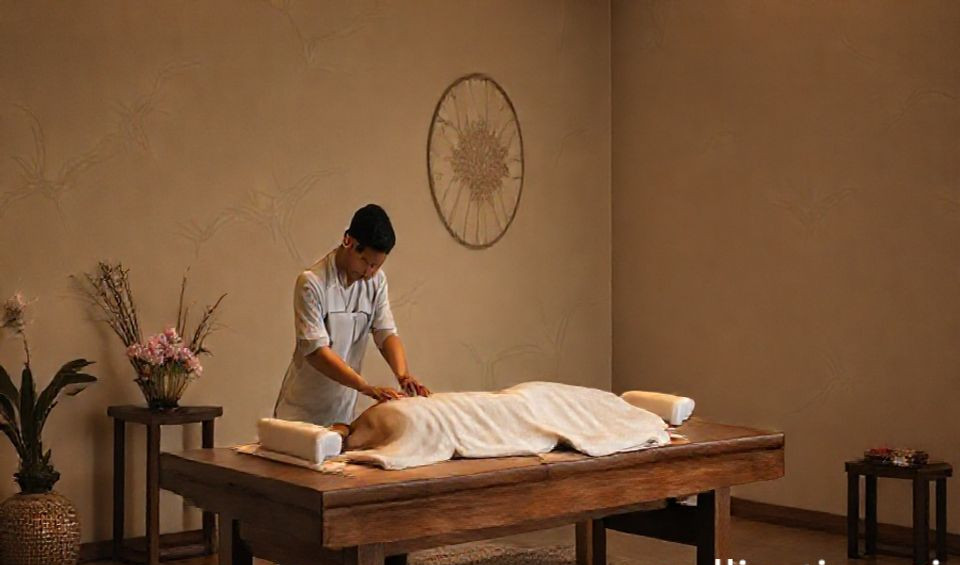
This meeting point between patient and practitioner serves as far more than mere furniture. In TCM philosophy, where harmony between individual and environment forms the bedrock of healing, the massage table becomes an extension of therapeutic intention. The right table doesn’t just support the body—it supports the treatment itself, facilitating the flow of qi and creating the container where healing can occur.
The Evolution of TCM Tables Through History
Traditional Chinese Medicine tables have traveled a remarkable journey from simple mats on temple floors to the sophisticated ergonomic designs of today. Ancient practitioners often worked on bamboo mats or low wooden platforms, with the patient positioned close to the ground in accordance with philosophical principles emphasizing connection to the earth. Historical records from the Han dynasty show early forms of treatment platforms used in imperial medical halls, where physicians would combine herbal preparations with manual therapies.
As TCM spread along the Silk Road and beyond China’s borders, the tables evolved to accommodate different cultural expectations and physical spaces. Japanese practitioners adapted the designs for tatami mat rooms, while Korean versions incorporated celadon ceramic components for their cooling properties. The colonial era brought Western influences, leading to hybrid designs that combined Eastern philosophical principles with European woodworking techniques.
Modern TCM tables represent a fusion of ancient wisdom and contemporary science. While maintaining the fundamental requirements for stability and solid construction that have always been essential, today’s manufacturers incorporate insights from ergonomic research and material technology. The World Health Organization‘s recognition of TCM has further accelerated this evolution, bringing standardized safety requirements and quality considerations to the forefront of table design. This global standardization has helped establish minimum requirements for load capacity, stability, and hygiene that protect both patients and practitioners.
The Practitioner’s Perspective: More Than Furniture
For Dr. Ming Zhao, who has practiced traditional Chinese medicine for over twenty years, the table is far from passive furniture. ‘I’ve had three custom tables built during my career,’ she explains, ‘each one teaching me something new about patient care.’ Her current table features slightly rounded edges and a height adjustment mechanism that allows her to work standing or seated. ‘When Mrs. Thompson came in with severe sciatica last month, being able to lower the table just three inches made all the difference. She could relax completely, and that relaxation allowed the treatment to reach deeper levels.’
Experienced practitioners develop what might be called “table wisdom”—an intuitive understanding of how different table characteristics affect treatment outcomes. The width matters for techniques that require practitioner leverage; the firmness of the padding influences pressure point work; even the table’s acoustic properties can provide feedback about patient tension levels. One seasoned acupuncturist in New York describes hearing the subtle shift in a table’s resonance when a patient truly releases muscular holding. ‘It’s like the table speaks the body’s language before I do,’ she notes.
This deep connection between practitioner and table often leads to highly personalized modifications. Some add extra padding at specific points for certain techniques, while others adjust the face cradle angle to accommodate different body types. These customizations become an extension of the practitioner’s healing philosophy and technical approach.
Design Elements That Transform Treatment
The most effective TCM tables balance multiple considerations that might seem contradictory at first glance. They must be solid enough to provide stability during vigorous tui na techniques yet comfortable enough for patients to remain relaxed during lengthy acupuncture sessions. The face cradle, while a relatively modern addition, has become essential for proper spinal alignment and breathing comfort. Research published in the Journal of Alternative and Complementary Medicine demonstrates that proper cervical positioning during prone treatments can improve outcomes by up to 23%.
Material selection goes beyond mere aesthetics. Hardwoods like oak and maple offer the rigidity needed for certain manipulations, while bamboo provides sustainable options with natural antimicrobial properties. The padding density requires particular attention—too soft, and it compromises structural integrity during bodywork; too firm, and patients cannot achieve the deep relaxation necessary for treatment efficacy. According to studies in the Journal of Bodywork and Movement Therapies, patient comfort directly correlates with treatment outcomes in manual therapies, with optimal padding density falling between 2.5 and 3.5 pounds per cubic foot.
Height adjustability has revolutionized practice for many TCM professionals. The ability to fine-tune table height by mere inches can mean the difference between practitioner strain and effortless technique application. One Portland-based practitioner calculated that proper table height reduced her shoulder tension by approximately 40% over a treatment day, allowing her to maintain the precise hand positions required for subtle pulse diagnosis. Modern electric adjustment systems can remember preferred heights for different treatment types, streamlining transitions between patients and techniques.
Patient Experiences That Resonate
Sarah Jenkins remembers her first acupuncture session vividly. ‘I was nervous, but the table felt incredibly stable. The practitioner had placed a small heated pad at the foot of the table, and that simple warmth made me feel cared for before any needles even appeared.’ These small details—the texture of the padding, the firmness of the surface, even the sound the table makes when weight shifts—create the foundation for therapeutic trust.
The psychological impact of table quality should not be underestimated. Patients arriving for treatment often carry both physical pain and emotional apprehension. The table serves as their introduction to the healing environment, communicating professionalism and care before the practitioner speaks a word. One patient noted how the subtle scent of camphor wood from her practitioner’s table became associated with relief from chronic migraines. ‘Now just catching that scent elsewhere brings me a sense of calm,’ she shares.
This conditioning effect demonstrates how the table becomes woven into the healing experience itself. The consistent sensory input—the feel of the surface, the specific height, even the sound of adjusting mechanisms—creates anchors that help patients transition into a receptive state more quickly with each subsequent visit. The table becomes a familiar touchpoint in what might otherwise be an intimidating medical experience.
Cultural Significance and Energetic Considerations
Within TCM philosophy, every element of the treatment environment contributes to balancing the patient’s qi. The table, as the central physical element, carries particular significance. Traditional designs often incorporate principles of feng shui, with attention to placement direction and material elemental properties. Wood, associated with growth and flexibility, remains the preferred material, though modern interpretations might use metal reinforcements where necessary for structural integrity while maintaining wood as the primary contact surface.
Master Chen, who trained in Beijing before establishing his practice in San Francisco, offers this insight: ‘The table is the first practitioner the patient encounters. If it whispers quality, stability, and care, the patient’s body begins to relax before I’ve even washed my hands. I’ve seen patients arrive tense and watch their shoulders drop the moment they feel the solid construction beneath them.’ This silent communication between patient and table sets the stage for everything that follows.
The concept of “holding space” appears consistently in practitioner discussions about their tables. Unlike Western medical examination tables that emphasize clinical sterility, TCM tables are designed to feel welcoming and supportive. This distinction reflects fundamental differences in healing paradigms—where Western medicine often focuses on isolating and treating pathology, TCM seeks to support the body’s inherent healing capacity within a harmonious environment. The table becomes a physical manifestation of this philosophical approach.
Practical Considerations for Selection and Use
Choosing the right TCM table requires balancing multiple factors. Portability matters for practitioners who travel between locations, while stationary clinics might prioritize custom features. Weight capacity deserves careful consideration, especially for practices incorporating significant bodywork. The World Health Organization provides guidelines for medical equipment safety that can inform selection decisions, recommending minimum weight capacities of 300 pounds for general use and 500 pounds for specialized practices.
Proper table maintenance extends beyond cleanliness. Wood surfaces benefit from occasional conditioning to prevent drying and cracking; mechanical components require regular inspection and lubrication. One clinic in Toronto developed a weekly maintenance routine that added years to their tables’ lifespan. ‘We treat our tables with the same respect we treat our patients,’ the head practitioner explains. ‘They’re essential partners in the healing process.’ This includes checking all moving parts monthly and replacing padding every two to three years depending on usage.
Innovative features continue to emerge in the TCM table market. Some manufacturers now offer integrated heating elements that provide consistent warmth without additional pads. Others have developed modular designs that convert from massage height to acupuncture height with simple adjustments. These innovations reflect the growing recognition of the table’s role as active therapeutic equipment rather than passive furniture. The Statista market analysis shows a 15% annual growth in smart table features, indicating strong practitioner interest in technological enhancements.
The Global Market and Future Directions
The worldwide expansion of TCM has created growing demand for quality treatment tables. Market analysis indicates consistent growth in the complementary medicine equipment sector, with TCM tables representing a significant segment. This growth has encouraged innovation while raising questions about standardization and quality control. European and North American markets show particular interest in eco-friendly materials and customizable features.
Educational institutions play a crucial role in table evolution. As UNESCO notes in its recognition of TCM’s cultural significance, proper training includes understanding the therapeutic environment. Many TCM schools now incorporate table selection and patient positioning into their core curriculum, recognizing that technical skill alone cannot compensate for poor ergonomic setups. Students learn not just how to select tables but how to optimize them for different treatment modalities.
Looking forward, we can expect to see tables that incorporate more technology while maintaining traditional values. Prototypes already exist with embedded sensors that monitor patient micro-movements during treatment, providing practitioners with additional feedback. However, the fundamental requirement will remain unchanged: creating a stable, comfortable foundation for the ancient healing arts to unfold. The challenge lies in integrating technology without compromising the human-centered approach that defines TCM.
Small Adjustments, Significant Impact
The most effective table modifications are often surprisingly simple. A small rolled towel placed at the lumbar support can make lengthy face-down positions more comfortable. Strategic placement of bolsters allows for subtle positional adjustments that enhance treatment effectiveness. One practitioner in Vancouver keeps three different thickness face cradle covers available, changing them based on patient build and the planned treatment. ‘The quarter-inch difference between covers can transform a patient’s experience from tolerable to transformative,’ she notes.
Temperature considerations frequently make the difference between adequate and exceptional patient experiences. Simple solutions like warming the table surface with a heating pad before treatment or offering a lightweight blanket demonstrate attentiveness that patients appreciate. These gestures cost little but contribute significantly to the therapeutic relationship. Some practitioners even adjust room temperature based on the patient’s constitutional diagnosis—warmer for those with cold patterns, slightly cooler for heat conditions.
The relationship between practitioner, patient, and table forms a therapeutic triangle where each element supports the others. When this relationship functions optimally, the table becomes invisible in the best sense—it recedes into the background, allowing the healing encounter to take center stage while providing unwavering support. In this space, ancient healing traditions meet modern needs, with a simple wooden platform serving as the stage for transformation. The table’s ultimate success lies in its ability to disappear from conscious awareness while remaining fundamentally present as a reliable foundation for healing.
As TCM continues to gain global recognition, the humble treatment table stands as both a practical tool and symbolic bridge between tradition and innovation. Its evolution mirrors the broader journey of Traditional Chinese Medicine itself—honoring ancient wisdom while embracing contemporary understanding, always keeping the patient’s comfort and healing at the center of every design decision.
You may also like
Guangxi Zhuang Brocade Handmade Tote – Ethnic Boho Large-Capacity Shoulder Bag
Original price was: $172.00.$150.00Current price is: $150.00. Add to cartBambooSoundBoost Portable Amplifier
Original price was: $96.00.$66.00Current price is: $66.00. Add to cartAncient Craft Herbal Scented Bead Bracelet with Gold Rutile Quartz, Paired with Sterling Silver (925) Hook Earrings
Original price was: $322.00.$198.00Current price is: $198.00. Add to cartThe Palace Museum Paper-Cut Light Art Fridge Magnets: Chinese Cultural Style Creative Gift Series
Price range: $27.00 through $36.00 Select options This product has multiple variants. The options may be chosen on the product pageAncient Craftsmanship & ICH Herbal Beads Bracelet with Yellow Citrine & Silver Filigree Cloud-Patterned Luck-Boosting Beads
Original price was: $128.00.$89.00Current price is: $89.00. Add to cartHandwoven Zhuang Brocade Tote Bag – Large-Capacity Boho Shoulder Bag
Original price was: $178.00.$154.00Current price is: $154.00. Add to cart