In the mist-shrouded mountains of Yunnan, where ancient tea trees twist toward the sky, a quiet legacy lives within compressed leaves. Xiaoguan tea, often overlooked beside its celebrated puerh relatives, holds within its compact bricks centuries of cultural exchange, imperial favor, and daily ritual. More than a beverage, it served as a tool of governance, a symbol of status, and a vessel of memory, weaving itself into the social and economic fabric of traditional China. Its story unfolds across dynasties and trade routes, revealing how a humble brick of tea could shape empires and connect communities.

The Imperial Seal of Approval
During the Qianlong era of the Qing dynasty, Xiaoguan tea received the ultimate imperial endorsement. Court records from 1780 detail the emperor’s preference for these small, portable bricks, prized for their consistent quality and durability during long journeys across the empire. Each brick measured precisely 10 by 10 centimeters—a standardized size that allowed officials to carry substantial quantities without burden. A provincial governor’s surviving diary describes unpacking Xiaoguan tea after a 45-day journey: “The aroma remained intact, as if freshly pressed.” This remarkable preservation made it indispensable for military campaigns and diplomatic missions, where reliable provisions could determine success.
The imperial preference was no accident. Xiaoguan production adhered to rigorous standards that ensured both uniformity and resilience. Leaves were harvested exclusively from old-growth tea trees in Yunnan’s prime growing regions, then steamed and compressed using heavy stone molds. This technique locked in essential oils and flavors while creating a dense brick capable of withstanding harsh climates and extended storage. As historian Dr. Ming Chen observes, “Xiaoguan tea was more than a beverage; it was a tool of governance, enabling communication and cohesion across distant territories.” The tea became so integrated into imperial administration that its distribution networks helped maintain control over remote regions, with quality control measures that predated modern standardization practices.
Cultural Currency in Wrapped Form
Beyond palace walls, Xiaoguan tea functioned as social currency among merchant classes. The distinctive wrapper—featuring elegant Chinese characters stamped in vermillion ink—became a recognizable status symbol in trading communities. Nineteenth-century tea house accounts from Kunming describe merchants presenting Xiaoguan bricks as gifts during business negotiations, with the tea’s quality reflecting the seriousness of their intentions. A 1923 merchant’s ledger discovered in Dali reveals transactions where twenty Xiaoguan bricks equaled the value of a quality horse, demonstrating its substantial economic worth.
The tea’s compact nature facilitated its circulation along the Tea Horse Road, where it mediated cultural exchange between Han Chinese and minority communities in Yunnan and beyond. Tea master Lin Wei, whose family has curated Xiaoguan collections for three generations, shares his perspective: “When I handle a 1950s Xiaoguan brick, I’m not just touching tea leaves. I’m holding someone’s journey—perhaps a merchant traveling to Tibet, or a grandmother’s wedding gift to her daughter. The compression captures more than flavor; it preserves stories.” This intimate connection between object and memory underscores how each brick contains layered histories waiting to be unlocked with hot water and patience.
In rural Yunnan, families incorporated Xiaoguan tea into ceremonies marking births, marriages, and seasonal festivals. Its presence at these events symbolized stability and continuity, echoing the tea’s physical resilience. Villagers would break off small pieces to share with guests, a gesture that reinforced community bonds while demonstrating hospitality. Over generations, Xiaoguan tea became embedded in local customs, with consumption patterns reflecting regional identities and social hierarchies. The practice of gifting tea bricks during Lunar New Year celebrations persists in some communities, maintaining this centuries-old tradition.
Production and Craftsmanship
The creation of Xiaoguan tea represents a meticulous blend of tradition and precision that has changed little over centuries. It begins with selecting sun-dried maocha leaves from ancient tea gardens in regions like Xishuangbanna or Lincang, where biodiversity and mineral-rich soil contribute to the leaves’ distinctive character. Artisans sort leaves by grade, reserving only the finest for Xiaoguan production to ensure balanced taste and aroma. This careful selection process eliminates stems and imperfect leaves that might compromise the final product’s quality.
After sorting, leaves undergo steaming to soften them for compression. The pliable leaves are then placed into cloth bags and shaped into bricks using heavy stone presses—some weighing over fifty kilograms. This compression not only forms the tea into its iconic rectangular shape but also initiates the aging process by reducing oxidation. The bricks dry naturally in well-ventilated storage areas, where they gradually develop characteristic earthy notes. Artisans monitor humidity and temperature closely, as these factors critically influence the tea’s maturation. According to the World Health Organization, traditional tea processing methods like these can preserve beneficial compounds such as polyphenols, which contribute to health benefits including improved digestion and antioxidant support.
Modern producers maintain these techniques while implementing quality controls to meet global standards. Some factories now use controlled fermentation environments to enhance consistency without sacrificing the tea’s artisanal character. This balance between old and new ensures Xiaoguan tea remains authentic yet accessible to contemporary consumers. Small-batch producers have emerged alongside established factories, catering to connoisseurs who value traceability and traditional methods. The result is a tea that honors its heritage while adapting to modern expectations of quality and sustainability.
Health Benefits and Modern Applications
Beyond its historical significance, Xiaoguan tea offers substantial health benefits that contribute to its enduring popularity. Like other fermented teas, it contains diverse microbial communities that aid digestion and metabolic regulation. Regular consumption has been linked to reduced cholesterol levels and improved gut health, as noted in studies published by journals such as the Journal of Agricultural and Food Chemistry. These benefits stem from the tea’s post-fermentation process, which enriches it with probiotics and enzymes that support overall wellness.
Integrating Xiaoguan tea into daily routines can be both simple and rewarding. Brewing a strong cup in the morning may help stimulate metabolism, while a lighter infusion in the evening promotes relaxation. Practical preparation tips include using water heated to just below boiling (around 95°C) and steeping the tea for three to five minutes to extract its full flavor and nutrients. Those new to Xiaoguan might start with smaller servings to allow their palate to adjust to its robust, earthy profile. Multiple infusions from the same leaves can reveal evolving flavor notes, from initial earthiness to subsequent sweetness.
Beyond drinking, the tea finds innovative applications in skincare and cooking. Enthusiasts add spent leaves to baths for their antioxidant effects or incorporate them into marinades to tenderize meats. Some contemporary chefs use finely ground Xiaoguan tea as a rub for poultry or fish, creating complex flavor profiles that bridge traditional and modern cuisine. These diverse applications highlight the tea’s versatility and enduring relevance in contemporary lifestyles, demonstrating how ancient traditions can find new expression.
Preservation and Aging
Aging represents the soul of Xiaoguan tea’s identity. Unlike many teas that degrade over time, properly stored Xiaoguan bricks can improve in flavor and complexity for decades. The key lies in controlling storage conditions—ideal environments are cool, dark, and moderately humid with good air circulation to prevent mold. In Yunnan, collectors traditionally use ceramic jars or wooden chests for storage, periodically airing them out to maintain freshness while allowing gradual oxidation.
The aging process transforms the tea’s chemical composition, mellowing its initial astringency and developing deeper, sweeter notes. This evolution mirrors the tea’s historical role as a durable commodity capable of enduring long journeys and changing hands without losing value. Data from Statista indicates growing global interest in aged teas, with collectors and investors driving demand for well-preserved specimens. A 1970s Xiaoguan brick in prime condition can fetch significant prices at auction, reflecting its cultural and sensory appeal. The market for vintage teas has expanded dramatically in recent years, with online platforms enabling collectors worldwide to participate in this niche market.
Home storage tips include avoiding strong odors and direct sunlight, which can compromise the tea’s integrity. Those building a collection might start with younger bricks and sample them annually to track development, noting how flavors evolve from grassy to woody and eventually to smooth, honey-like tones. Proper documentation of purchase dates and storage conditions helps collectors understand how different environments affect aging. This practice turns tea storage into an active engagement with the product rather than passive hoarding, creating personal connections between collectors and their teas.
Cultural Legacy and Global Influence
Xiaoguan tea’s legacy extends far beyond China’s borders, influencing tea cultures worldwide as global trade expanded its reach. European and North American connoisseurs have embraced it for its depth and history, often presenting it as an accessible introduction to fermented teas. Organizations like UNESCO have recognized the cultural significance of traditional tea practices, including those associated with Xiaoguan, as intangible heritage worth preserving. This international acknowledgment has helped raise awareness about traditional tea production methods and their cultural importance.
In contemporary settings, Xiaoguan tea appears in specialty cafes and online marketplaces, often serving as a gateway to Chinese tea culture. Its story resonates with consumers seeking authenticity and connection to the past. A tea shop in London might host tastings exploring Xiaoguan’s imperial roots, while a blogger in New York shares anecdotes about discovering the tea through a friend’s travels. These narratives keep the tradition alive, adapting it to new contexts without diluting its essence. Social media has played a crucial role in this dissemination, with enthusiasts sharing brewing techniques and storage tips across platforms.
The tea’s enduring appeal lies in its ability to bridge generations and geographies. Whether sipped during a quiet personal ceremony or shared among friends, it continues to embody the resilience and richness of Yunnan’s tea heritage. Each steeping invites drinkers to participate in a centuries-old tradition, connecting them to the merchants, officials, and families who have cherished these compressed leaves throughout history. As global interest in traditional foods and beverages grows, Xiaoguan tea stands as a testament to how humble commodities can carry profound cultural meaning across time and space.
You may also like
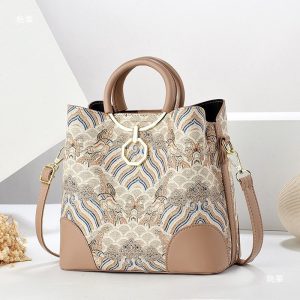
Guangxi Zhuang Brocade Handmade Tote – Ethnic Boho Large-Capacity Shoulder Bag
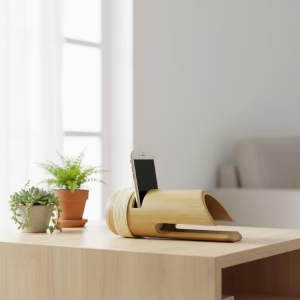
Original price was: $172.00.$150.00Current price is: $150.00. Add to cartBambooSoundBoost Portable Amplifier
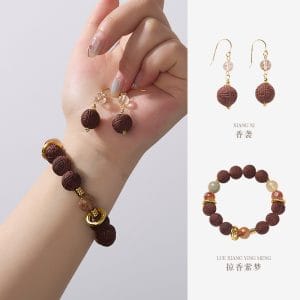
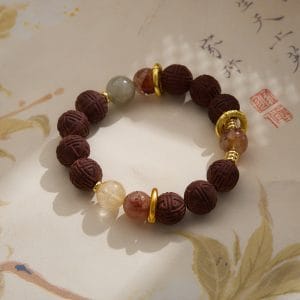
Original price was: $96.00.$66.00Current price is: $66.00. Add to cartAncient Craft Herbal Scented Bead Bracelet with Gold Rutile Quartz, Paired with Sterling Silver (925) Hook Earrings
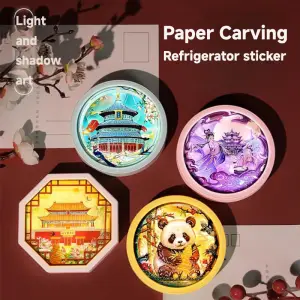
Original price was: $322.00.$198.00Current price is: $198.00. Add to cartThe Palace Museum Paper-Cut Light Art Fridge Magnets: Chinese Cultural Style Creative Gift Series
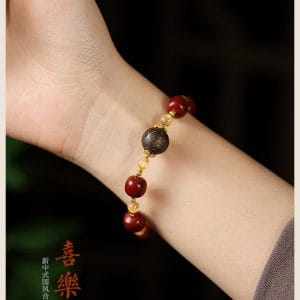
Price range: $27.00 through $36.00 Select options This product has multiple variants. The options may be chosen on the product pageAncient Craftsmanship & ICH Herbal Beads Bracelet with Yellow Citrine & Silver Filigree Cloud-Patterned Luck-Boosting Beads
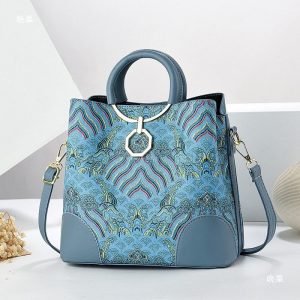
Original price was: $128.00.$89.00Current price is: $89.00. Add to cartHandwoven Zhuang Brocade Tote Bag – Large-Capacity Boho Shoulder Bag
Original price was: $178.00.$154.00Current price is: $154.00. Add to cart