In a Shanghai studio circa 1960, master animators dipped their brushes not merely into ink, but into centuries of cultural memory. The resulting films—delicate, flowing, and profoundly Chinese—would redefine what animation could express. They captured the spirit of ancient art forms and brought them to life in motion, creating a unique visual language that resonated with audiences worldwide. This artistic revolution emerged during a period of cultural renaissance in China, when artists sought to create works that were distinctly national in character yet universally accessible.
The Cultural Wellspring
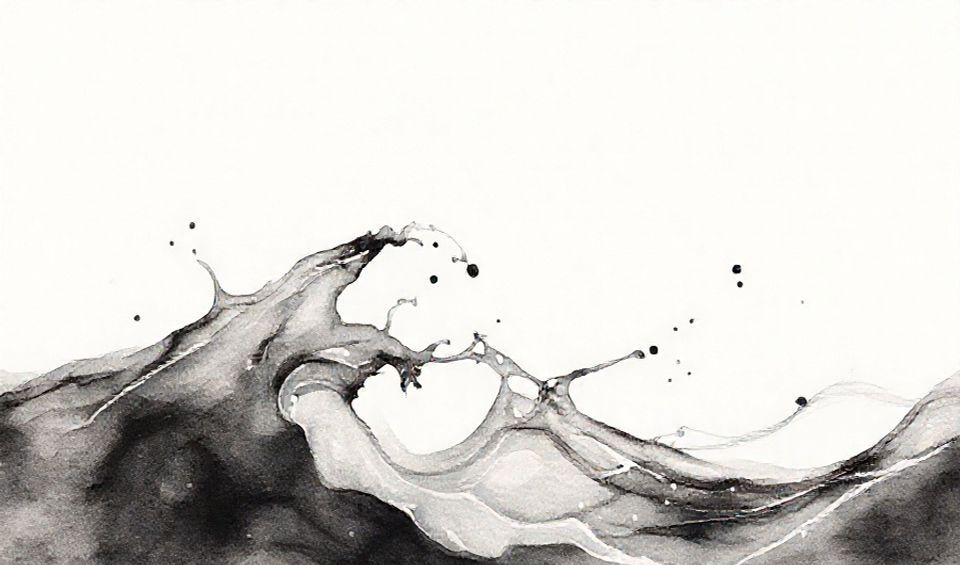
Ink wash animation didn’t emerge from technical innovation alone. It drew from a deep reservoir of artistic tradition spanning nearly two thousand years. The same philosophical principles that guided Song Dynasty landscape painters—the balance of yin and yang, the expressive power of empty space, the reverence for natural forms—found new life in moving images. When the Shanghai Animation Film Studio produced ‘The Cowherd’s Flute’ in 1963, they weren’t just making a cartoon; they were translating the essence of shuimo painting into cinematic language. This approach transformed animation from mere entertainment into a medium for cultural storytelling, where every brushstroke carried historical weight and aesthetic significance.
The influence of classical Chinese poetry and literature further enriched these animations. Scenes often mirrored the contemplative mood of Tang dynasty poems, where nature and human emotion intertwine. For instance, the misty mountains and flowing rivers in these films weren’t just backgrounds; they were characters in their own right, reflecting inner states and philosophical ideas. This integration of multiple art forms made ink wash animation a holistic cultural experience, appealing to both the eye and the soul. As noted in UNESCO’s analysis of intangible cultural heritage, such artistic synthesis represents “living traditions that communities recognize as part of their cultural heritage.”
Technique as Cultural Expression
The process itself embodied cultural values. Animators used special xuan paper that absorbed ink unpredictably, embracing the same accidental beauty that Chinese calligraphers had cherished for centuries. Each frame required up to fifteen separate layers of painting, with masters often working on light tables illuminated by natural light to better judge tonal variations. The resulting animations moved with a distinctive rhythm—not the sharp, mechanical timing of Western animation, but the fluid, breathing quality of ink spreading across paper. As one veteran animator noted, ‘We weren’t drawing characters; we were guiding the ink to where it wanted to go.’ This philosophy highlights the respect for materials and processes that defines traditional Chinese arts.
Practical application of these techniques demanded immense patience and skill. Animators trained for years to master brush control, learning how varying pressure and speed could produce different effects—from bold, dark strokes to faint, wispy lines. They often practiced by recreating classical paintings, internalizing the movements and rhythms that would later inform their animation work. This deep connection to craft ensured that each film was not just a product of labor, but a piece of living heritage. Modern research into traditional arts education confirms that such embodied learning creates deeper artistic understanding than purely technical training.
A Master’s Reflection
Te Wei, the legendary director who pioneered the form, once described his approach in terms that reveal its cultural depth: ‘In our studio, we didn’t speak of frames per second, but of heartbeats per scene. The spaces between movements mattered as much as the movements themselves. When the deer in ‘The Deer’s Bell’ pauses before drinking, that silence contains more meaning than any dialogue could convey.’ This attention to negative space and emotional resonance directly echoes the ‘yi jing’—the concept of artistic conception—that has defined Chinese aesthetics for millennia. His insights remind us that true artistry lies in what is suggested, not just what is shown.
Contemporary animators continue to draw inspiration from Te Wei’s methods. By studying his films, they learn how to use pacing and composition to evoke emotion. For example, slowing down a character’s movement can create a sense of contemplation, while a sudden splash of ink might signal dramatic tension. These techniques allow modern creators to bridge the gap between tradition and innovation, producing works that honor the past while speaking to present audiences. The Journal of Animation Studies has documented how these principles influence contemporary animation practices across Asia.
Global Influence and Modern Adaptations
Ink wash animation has left a significant mark on global animation, inspiring filmmakers from Studio Ghibli in Japan to Disney in the United States. Hayao Miyazaki, co-founder of Studio Ghibli, has openly admired the lyrical quality and environmental themes in Chinese ink wash films. His movie ‘Spirited Away’ features sequences that echo the fluid, dreamlike visuals of earlier works like ‘The Cowherd’s Flute.’ This cross-cultural exchange enriches the animation landscape, showing how traditional techniques can find new relevance in different contexts. When American animator John Lasseter visited the Shanghai Animation Film Studio in the 1980s, he remarked that the ink wash films “showed me animation could be poetry.”
Today, digital tools offer fresh possibilities for ink wash animation. Software like Rebelle and Adobe Fresco simulates the behavior of ink on paper, allowing artists to experiment without the constraints of physical materials. However, purists argue that the tactile experience of brushing ink onto xuan paper is irreplaceable. Balancing these approaches, some studios combine hand-painted elements with digital compositing, achieving a blend of authenticity and efficiency. The UNESCO report on safeguarding intangible cultural heritage underscores the importance of such adaptations in keeping traditional arts alive while allowing for contemporary expression.
Practical Insights for Aspiring Animators
For those interested in exploring ink wash animation, start by studying classical Chinese painting and calligraphy. Understanding the principles of composition, balance, and brushwork will provide a solid foundation. Practice with real ink and xuan paper to appreciate the material’s unique properties—how it absorbs liquid and responds to pressure. Begin with simple exercises: painting bamboo stalks teaches control of line weight, while creating mountain landscapes develops understanding of tonal gradation. As the World Health Organization notes in its arts and health framework, engaging in traditional crafts can reduce stress and enhance mindfulness, adding personal benefits to skill development.
Incorporate these techniques into your workflow by beginning with short, simple sequences. Focus on capturing mood rather than detail—a few well-placed strokes can convey more than a meticulously rendered scene. Use references from nature, such as the way leaves fall or water flows, to inform your animations. Remember Te Wei’s advice: prioritize emotional rhythm over technical precision. This approach will help you create works that resonate on a deeper level. Many professional animators maintain sketchbooks where they practice quick ink studies of moving subjects—birds in flight, people walking, trees swaying—to develop their sense of motion and flow.
Preserving and Evolving the Art Form
Efforts to preserve ink wash animation face challenges in the digital age. While organizations like the Chinese National Academy of Arts work to archive classic films, there’s a growing need to train new generations in traditional methods. Workshops and masterclasses led by veteran animators offer hands-on learning opportunities, ensuring that skills are passed down. At the same time, collaborations between technologists and artists are exploring how AI and machine learning can analyze and replicate ink wash styles, potentially opening up new creative avenues. Recent projects have used neural networks to study the brushwork in classic films, learning to generate new sequences that maintain the aesthetic qualities of the originals.
Statista data shows increasing global interest in animated content, with the market expected to grow significantly in the coming years. This trend presents an opportunity for ink wash animation to reach wider audiences. By highlighting its unique aesthetic and cultural value, filmmakers can differentiate their work in a crowded marketplace. The key is to stay true to the form’s roots while embracing innovation, creating a dynamic future for this ancient art. Several contemporary Chinese animation studios have successfully blended ink wash techniques with digital storytelling, creating award-winning films that appeal to international viewers while maintaining cultural authenticity.
Ultimately, ink wash animation reminds us of the power of simplicity and suggestion. In a world saturated with fast-paced, high-resolution media, its gentle, evocative style offers a refreshing alternative. It teaches us to see beauty in imperfection and meaning in silence, lessons that extend far beyond the screen. As this art form continues to evolve, it carries forward a legacy of cultural wisdom and artistic excellence, inspiring new stories and perspectives for generations to come. The continued relevance of ink wash animation demonstrates how traditional arts can adapt to changing technologies while preserving their essential spirit—a lesson valuable not just for animators, but for all cultural practitioners navigating the digital age.
You may also like
The Palace Museum Paper-Cut Light Art Fridge Magnets: Chinese Cultural Style Creative Gift Series
Price range: $27.00 through $36.00 Select options This product has multiple variants. The options may be chosen on the product pageHandwoven Zhuang Brocade Tote Bag – Large-Capacity Boho Shoulder Bag
Original price was: $178.00.$154.00Current price is: $154.00. Add to cartBambooSoundBoost Portable Amplifier
Original price was: $96.00.$66.00Current price is: $66.00. Add to cartAncient Craft Herbal Scented Bead Bracelet with Gold Rutile Quartz, Paired with Sterling Silver (925) Hook Earrings
Original price was: $322.00.$198.00Current price is: $198.00. Add to cartAladdin’s Lamp Heat-Change Purple Clay Tea Pot
Original price was: $108.00.$78.00Current price is: $78.00. Add to cartGuangxi Zhuang Brocade Handmade Tote – Ethnic Boho Large-Capacity Shoulder Bag
Original price was: $172.00.$150.00Current price is: $150.00. Add to cart