Walk through any night market in Taipei or Shanghai, and the distinctive aroma of fermented tofu announces its presence long before you see the steaming vendors’ stalls. This ancient preservation method, once confined to regional specialties and family recipes, is experiencing a remarkable transformation that extends far beyond its traditional boundaries. What began as a humble method for extending tofu’s shelf life has evolved into a sophisticated culinary art form, bridging generations and crossing oceans with surprising versatility.
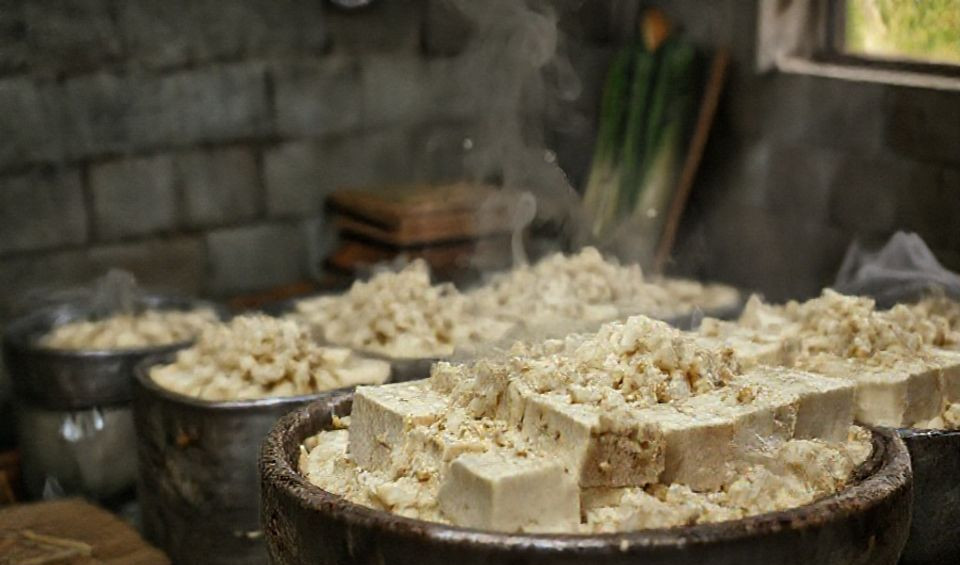
The story of fermented tofu stretches back over two thousand years to China’s Han Dynasty, where it emerged as a practical solution for preserving protein-rich tofu through long winters. Historical records suggest that accidental discoveries led to the realization that pressed, dried tofu cubes developed complex flavors when exposed to specific environmental conditions. Traditional methods involved pressing fresh tofu into firm cakes, air-drying them thoroughly, and then allowing natural fermentation to occur through exposure to airborne microorganisms or by inoculating with previously fermented batches. The resulting product—often stored in brine with rice wine, chili, or various spices—developed its characteristic pungent aroma and complex umami flavor that has both delighted and challenged palates for centuries.
Regional variations developed across Asia, each with distinct characteristics. In Sichuan province, fermented tofu typically incorporates chili and Sichuan peppercorns, creating a numbing, spicy version. Taiwanese varieties often feature stronger fermentation notes, making them ideal for the famous “stinky tofu” street food. Cantonese versions tend to be milder, preserved with rice wine and often used as a condiment for congee. These regional differences reflect local ingredients and culinary traditions, creating a diverse tapestry of fermented tofu styles across Asia.
Microbial Innovation Meets Culinary Tradition
Modern fermentation facilities now employ controlled environments where temperature, humidity, and microbial cultures are precisely monitored. At a facility in Sichuan, technicians track the progression of Aspergillus oryzae cultures across thousands of tofu blocks, achieving consistent results that once depended on unpredictable natural conditions. “We’ve reduced fermentation time from 90 days to just 45 while enhancing flavor complexity,” explains facility manager Li Wei. “The key lies in maintaining perfect conditions for the beneficial molds while preventing contamination from unwanted microorganisms.” This precision allows producers to create variations previously unimaginable—smoked chili-infused blocks and wine-lees fermented varieties that appeal to younger consumers seeking both tradition and innovation.
The science behind this transformation reveals why controlled fermentation produces superior results. Researchers at Jiangnan University have documented how specific strains of mold and bacteria contribute to the breakdown of proteins and fats, creating the unique flavor compounds that define high-quality fermented tofu. Their studies show that maintaining optimal temperature between 25-30°C and humidity at 85-90% allows beneficial microorganisms to thrive while suppressing unwanted pathogens. This scientific approach has enabled producers to standardize what was once an unpredictable artisanal process while preserving the essential characteristics that make fermented tofu unique.
Traditional producers haven’t been left behind in this technological revolution. Many family-run operations have adopted hybrid approaches, maintaining traditional recipes while incorporating modern quality control measures. At Golden Valley Fermented Foods, third-generation owner Chen Xiaoling explains their balanced approach: “We still use my grandmother’s starter culture, but now we monitor pH levels and bacterial counts daily. This ensures every batch has the same distinctive flavor that customers expect, while meeting modern food safety standards. Our regular customers can’t tell the difference, but we sleep better knowing we’re producing the safest possible product.”
Nutritional Powerhouse Rediscovered
Recent nutritional research has revealed fermented tofu to be more than just a flavorful condiment. The fermentation process enhances its nutritional profile significantly, increasing the bioavailability of isoflavones—plant compounds with antioxidant properties. According to a World Health Organization report on traditional fermented foods, the fermentation of soy products like tofu can improve protein digestibility by up to 40% compared to non-fermented soy. The process also generates beneficial probiotics that support gut health, placing fermented tofu alongside other celebrated fermented foods like kimchi and kefir in terms of digestive benefits.
Nutritionist Dr. Amanda Chen has observed growing interest from health-conscious consumers: “Many of my clients are discovering fermented tofu as a source of complete protein and probiotics. Unlike many plant-based proteins, it provides all essential amino acids in a highly digestible form. I’ve had clients use it as a base for salad dressings or as a seasoning replacement for salt, given its rich umami flavor. One client even reported improved digestion after incorporating small amounts into her daily diet.”
The nutritional benefits extend beyond basic macronutrients. Studies published in the Journal of Agricultural and Food Chemistry have identified increased levels of bioactive peptides in fermented tofu compared to fresh tofu. These compounds have demonstrated anti-inflammatory and blood pressure-regulating effects in preliminary research, suggesting potential health benefits that warrant further investigation. The fermentation process also increases the concentration of B vitamins, particularly B12, which is often lacking in plant-based diets.
Global Expansion and Cultural Exchange
Distribution channels have expanded dramatically in the past three years. Specialty food importers in London and New York now regularly stock at least five varieties of fermented tofu, with sales growing approximately 18% annually in European markets according to Statista market analysis. Small-batch producers in Taiwan have partnered with international logistics companies to maintain cold chain integrity during transit. One Brooklyn-based distributor reports moving nearly 2,000 units monthly to restaurants and specialty grocers, a figure that would have been unthinkable a decade ago.
The globalization of fermented tofu reflects broader trends in culinary exchange, but several factors have specifically driven its international acceptance. The rise of plant-based diets has introduced many Western consumers to Asian fermented products as flavor alternatives to animal-based ingredients. Meanwhile, growing interest in gut health and probiotics has created new appreciation for traditionally fermented foods. Social media has played a crucial role too, with food influencers demonstrating creative uses that move beyond traditional applications.
Chen Xiaoling, third-generation owner of Golden Valley Fermented Foods, observes the shift firsthand. “When my grandfather started, we sold only to local restaurants. Now we ship to thirteen countries. The biggest surprise has been demand from Scandinavia—they’re using our fermented tofu in vegan cheese alternatives and traditional smørrebrød. Last month, we even had an order from a Michelin-starred restaurant in Copenhagen that wants to feature it in their tasting menu.” This cross-cultural application demonstrates how traditional ingredients find new relevance in global culinary landscapes.
International chefs have been instrumental in introducing fermented tofu to new audiences. Copenhagen restaurateur Magnus Nilsson describes his discovery: “I first encountered fermented tofu during a research trip to Taiwan. The complexity reminded me of aged cheeses, but with a unique savory quality. We now use it in several dishes—whisked into dressings, as a base for vegetarian pâté, even as a seasoning for roasted vegetables. It provides depth that’s difficult to achieve with other ingredients. Our customers are often surprised to learn they’re eating something that began as simple tofu.”
Culinary Applications: Tradition Meets Innovation
In its traditional context, fermented tofu most commonly appears as a condiment or seasoning. Throughout southern China, it’s typically served alongside congee for breakfast, spread on steamed buns, or used as a dipping sauce for simple vegetable dishes. In Taiwanese cooking, it forms the base for the popular dish “stinky tofu,” where fermented tofu is deep-fried until crispy and served with pickled vegetables. These traditional uses highlight its role as a flavor amplifier rather than a main ingredient, though its versatility allows it to play multiple roles in the kitchen.
Contemporary chefs have expanded these applications dramatically. At a popular vegan restaurant in London, chef Sarah Jenkins uses fermented tofu as the base for what she calls “plant-based feta.” “We marinate firm fermented tofu in olive oil with herbs and lemon zest,” she explains. “The texture and tanginess mimic traditional feta remarkably well, but with the benefit of probiotics. Our customers—even those who eat dairy—often prefer it to the original. We’ve had several customers ask if they can purchase it to use at home.”
Home cooks are finding innovative uses too. Food blogger Michael Torres shares his experience: “I started using fermented tofu as a secret ingredient in my vegetarian chili. Just a tablespoon mashed into the tomatoes adds incredible depth. My family couldn’t identify the ingredient but noticed the improvement immediately. Now I use it in marinades, salad dressings, even mashed potatoes. It’s become my go-to ingredient for adding umami to plant-based dishes.”
Practical Guide to Selection and Use
Navigating the world of fermented tofu requires understanding a few key variations. The two main types are white fermented tofu (typically preserved in rice wine) and red fermented tofu (aged with red yeast rice). White varieties tend to be milder and creamier, while red versions offer deeper, more complex flavors with a distinctive reddish hue. Within these categories, texture varies from soft and spreadable to firm enough for slicing, allowing for different culinary applications.
When selecting fermented tofu, look for jars with clear brine and evenly colored tofu cubes. Avoid containers with cloudy liquid or any signs of mold beyond the characteristic white or red coating. The aroma should be pungent but not unpleasantly sharp. Properly stored in the refrigerator after opening, fermented tofu can last for several months, with the flavor continuing to develop and deepen over time.
For those new to fermented tofu, start with small amounts. Begin by using it as a condiment with simple dishes like steamed rice or vegetables. Mash a small cube and mix with sesame oil and scallions for a quick dipping sauce. As you become accustomed to the flavor, experiment with incorporating it into dressings, marinades, or as a seasoning in soups and stews. Remember that fermented tofu is quite salty, so adjust other seasonings accordingly to avoid over-salting your dishes.
For cooking applications, consider the texture you’re aiming to achieve. Softer varieties work well when blended into sauces or dressings, while firmer types hold their shape when stir-fried or used as a meat substitute. The brine itself shouldn’t be discarded—it can be used to season broths or as a base for pickling liquids, adding complex flavor to other preparations.
Sustainability and Cultural Preservation
The growth of fermented tofu production has created positive economic ripple effects in traditional producing regions. In rural Yunnan province, where small-scale fermentation has been practiced for generations, cooperatives have formed to standardize production and access international markets. These cooperatives provide stable income for farming families while preserving traditional knowledge. A UNESCO report on intangible cultural heritage has highlighted several of these operations as examples of sustainable cultural preservation through economic development, noting how traditional foodways can support both cultural continuity and economic advancement.
From an environmental perspective, fermented tofu offers advantages over many animal-based proteins. The production requires significantly less water and land than equivalent amounts of meat or dairy, according to environmental impact assessments. The extended shelf life reduces food waste, and the fermentation process itself valorizes what might otherwise be waste products from tofu production. As global concerns about sustainable food systems grow, traditional preservation methods like fermentation are gaining renewed attention from environmental scientists and food policymakers seeking solutions to food security challenges.
The future of fermented tofu appears bright, with innovation occurring at both technological and culinary levels. Research continues into optimizing fermentation strains for specific flavor profiles, while chefs worldwide experiment with new applications that bridge cultural traditions. What remains constant is the essential character of this ancient food—a transformation of simple ingredients into something complex, flavorful, and nourishing. As it bridges traditional wisdom and modern science, fermented tofu continues its journey from humble preservation method to global culinary treasure, offering both timeless flavors and contemporary solutions to modern dietary needs.
Across kitchens worldwide, from night market stalls to Michelin-starred restaurants, fermented tofu demonstrates how traditional foods can adapt and thrive in changing culinary landscapes. Its journey from ancient preservation technique to modern superfood illustrates the enduring power of fermentation and the continuing relevance of traditional food wisdom in our contemporary world.
You may also like
The Palace Museum Paper-Cut Light Art Fridge Magnets: Chinese Cultural Style Creative Gift Series
Price range: $27.00 through $36.00 Select options This product has multiple variants. The options may be chosen on the product pageHandwoven Zhuang Brocade Tote Bag – Large-Capacity Boho Shoulder Bag
Original price was: $178.00.$154.00Current price is: $154.00. Add to cartBambooSoundBoost Portable Amplifier
Original price was: $96.00.$66.00Current price is: $66.00. Add to cartAncient Craft Herbal Scented Bead Bracelet with Gold Rutile Quartz, Paired with Sterling Silver (925) Hook Earrings
Original price was: $322.00.$198.00Current price is: $198.00. Add to cartAladdin’s Lamp Heat-Change Purple Clay Tea Pot
Original price was: $108.00.$78.00Current price is: $78.00. Add to cartGuangxi Zhuang Brocade Handmade Tote – Ethnic Boho Large-Capacity Shoulder Bag
Original price was: $172.00.$150.00Current price is: $150.00. Add to cart