In a world increasingly dominated by minimalist Scandinavian furniture and industrial loft aesthetics, an unexpected contender is reclaiming space in discerning homes and commercial establishments. The Chinese daybed, once confined to historical dramas and antique collections, is experiencing a quiet but significant renaissance. This revival isn’t merely about nostalgia; it represents a deeper longing for furniture that balances artistry with utility, offering both a visual anchor and adaptable functionality in modern interiors.
From Imperial Courts to Modern Living Rooms
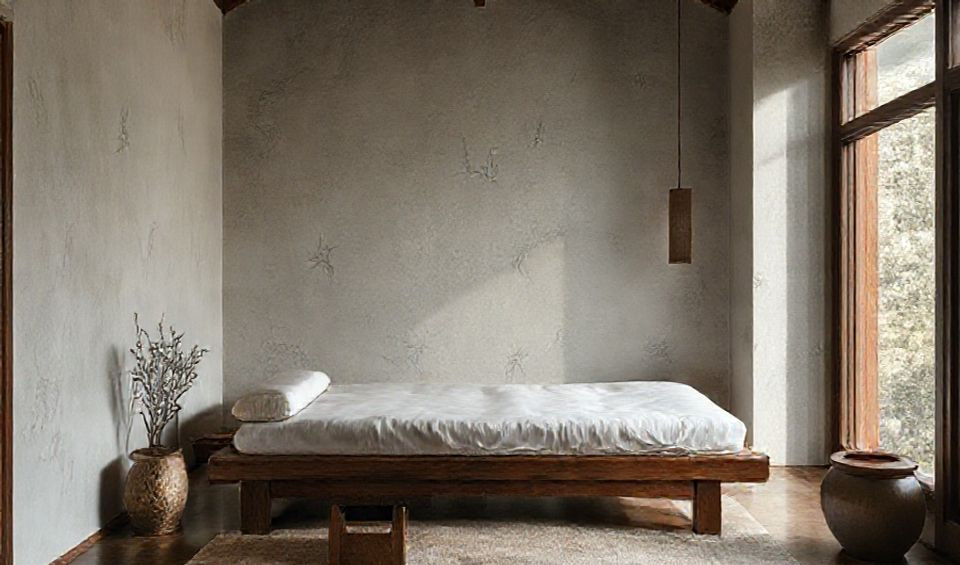
These elevated platforms, traditionally crafted from precious hardwoods like huanghuali or zitan, were originally designed for scholars and nobility during the Ming and Qing dynasties to rest, meditate, or receive guests. Unlike Western couches, daybeds often featured side rails and sometimes a small integrated tea table, reflecting a culture that valued contemplation and social interaction in equal measure. Today, designers are reimagining them for contemporary settings, blending historical reverence with present-day needs. A New York architect recently placed a Ming-style daybed in a Tribeca penthouse, using it as both a conversation area and a display surface for art books. “It creates an instant focal point,” she notes, “while serving multiple functions throughout the day—from morning meditation to evening entertaining.”
This transition from imperial artifact to everyday furnishing highlights a broader shift in design philosophy. Modern homeowners increasingly seek pieces with a story, and the Chinese daybed delivers that in spades. Its clean lines and low profile resonate with minimalist trends, yet its rich history adds layers of meaning that mass-produced furniture cannot replicate. In Tokyo, a boutique hotel incorporated daybeds into its lobby, pairing them with floor cushions and modern lighting to create an inviting, cross-cultural lounge space. Guests often linger there for hours, drawn by the blend of comfort and cultural depth.
Material Innovations and Spatial Solutions
While traditionalists still seek out antique pieces, modern manufacturers are adapting the form with new materials and construction techniques. Sustainable bamboo daybeds now appear in eco-conscious homes, while powder-coated steel frames offer industrial durability for commercial spaces. These innovations make the daybed more accessible and suited to diverse environments, from urban lofts to suburban family rooms. The typical dimensions—usually around 6 feet long and 3 feet wide—prove surprisingly versatile in open-plan living areas. One San Francisco design firm reports installing 27 custom daybeds in client homes over the past year, often using them to define zones in loft apartments without building permanent walls.
Beyond materials, the daybed’s inherent flexibility allows it to serve multiple roles within a single space. In smaller homes, it can function as a sofa by day and an extra sleeping surface by night. Some designers have even incorporated storage drawers beneath the platform, addressing the perennial challenge of limited square footage. A London-based architect shared how a client uses a custom daybed as a room divider in a studio apartment: “By positioning it perpendicular to the main living area, we created a subtle separation between the sleeping and living zones, all while maintaining an airy, open feel.”
“We recently sourced a 19th-century daybed for a client’s meditation room,” says gallery owner Lin Wei. “But what surprised me was the demand from younger buyers—they’re not treating these as museum pieces. One couple uses theirs as a reading nook in their home library, complete with built-in charging ports discreetly added to the side rails.”
Cultural Significance and Modern Interpretations
The Chinese daybed is more than just a piece of furniture; it embodies principles of harmony, balance, and mindfulness deeply rooted in Chinese philosophy. Historically, its design reflected the Confucian emphasis on proper conduct and the Daoist pursuit of natural flow. The raised platform kept the sleeper above drafty floors, aligning with traditional health beliefs, while the open structure allowed for air circulation—a practical consideration in humid climates. Today, these aspects resonate with wellness-focused lifestyles, making the daybed a natural fit for spaces dedicated to yoga, meditation, or simply unplugging from digital distractions.
Contemporary interpretations often play with these traditional elements, introducing new forms while honoring the original spirit. For example, some designers are creating daybeds with removable backrests or adjustable components, allowing users to customize their experience. Others are experimenting with hybrid styles, blending Chinese joinery techniques with Mid-Century Modern silhouettes. These innovations demonstrate how traditional crafts can evolve without losing their essence, a concept supported by UNESCO’s efforts to safeguard intangible cultural heritage, including traditional craftsmanship.
Practical Tips for Incorporating a Chinese Daybed
Integrating a Chinese daybed into your home requires thoughtful consideration of placement, styling, and functionality. Start by assessing the room’s layout: daybeds work well as statement pieces in living rooms, home offices, or bedrooms. Position them against a wall to create a cozy nook, or use them as a freestanding centerpiece to anchor the space. When it comes to styling, balance is key. Pair a dark wood daybed with light, textured cushions to prevent it from feeling too heavy, or contrast a minimalist frame with a vibrant, patterned throw.
For those concerned about comfort, layering is your best friend. Add a thick foam mattress topper beneath the cushion for extra softness, and include plenty of pillows for lumbar support. If you’re using the daybed in a multi-functional area, consider a model with hidden storage to keep blankets and books out of sight. Remember, the goal is to blend aesthetics with practicality—a daybed should be as comfortable for afternoon naps as it is elegant for receiving guests.
Lighting also plays a crucial role in enhancing the daybed’s ambiance. A floor lamp or pendant light directed toward the daybed can create a inviting pool of light, making it an ideal spot for reading or relaxing. In commercial settings, such as cafes or hotel lobbies, daybeds arranged in clusters encourage social interaction while providing individual comfort. The World Health Organization emphasizes the importance of well-designed spaces for mental health, and thoughtfully arranged furniture like daybeds can contribute to environments that promote relaxation and social connection.
Market Trends and Consumer Insights
The growing popularity of Chinese daybeds is reflected in market data and consumer behavior. According to Statista, the global market for antique and reproduction furniture has seen steady growth, with pieces like daybeds appealing to consumers seeking uniqueness and sustainability. Interior designers report that clients are increasingly drawn to furniture that tells a story, and the daybed’s rich history fulfills that desire. Moreover, the rise of remote work has fueled demand for versatile home furnishings that support various activities, from working to unwinding.
This trend is also driven by a broader appreciation for cultural fusion in design. As boundaries between styles blur, homeowners feel more confident mixing elements from different traditions. A Chinese daybed paired with a Scandinavian rug and Japanese ceramics, for instance, can create a globally inspired yet cohesive look. This eclectic approach allows individuals to express their personal tastes while honoring diverse cultural heritages.
Preserving Tradition While Embracing Change
As the Chinese daybed finds new life in contemporary interiors, questions of authenticity and adaptation inevitably arise. Purists may argue that modifying traditional designs dilutes their cultural significance, while modernists see innovation as essential for keeping traditions alive. The truth likely lies somewhere in between. By respecting the original craftsmanship while allowing for thoughtful updates, we can ensure that these pieces remain relevant for future generations.
Museums and cultural institutions play a vital role in this process, providing context and education that deepen our appreciation for traditional furniture. The Palace Museum in Beijing, for example, offers virtual tours that showcase historical daybeds within their original settings, helping viewers understand their cultural and functional roles. Meanwhile, contemporary craftsmen are exploring ways to merge time-honored techniques with modern tools, creating pieces that honor the past while meeting today’s standards of comfort and convenience.
Ultimately, the resurgence of the Chinese daybed reminds us that good design transcends time and trends. It speaks to a universal desire for beauty, meaning, and connection—whether through the warm glow of aged hardwood or the clever integration of a USB port. As we continue to navigate the complexities of modern living, perhaps these ancient platforms offer not just a place to rest, but a moment to pause and reflect on the stories embedded in the objects we choose to live with.
You may also like
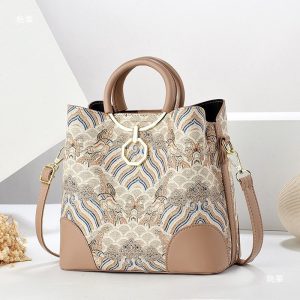
Guangxi Zhuang Brocade Handmade Tote – Ethnic Boho Large-Capacity Shoulder Bag
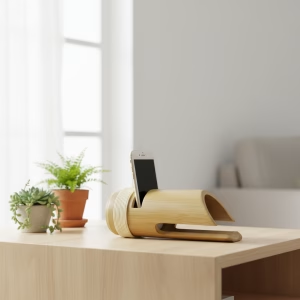
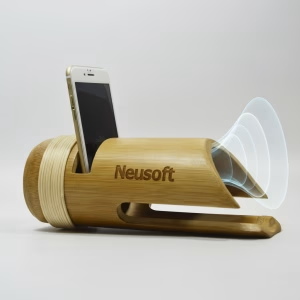
Original price was: $172.00.$150.00Current price is: $150.00. Add to cartBambooSoundBoost Portable Amplifier
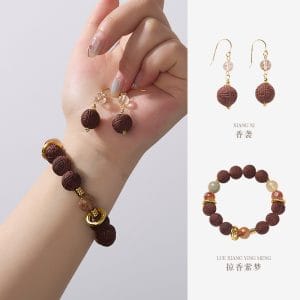
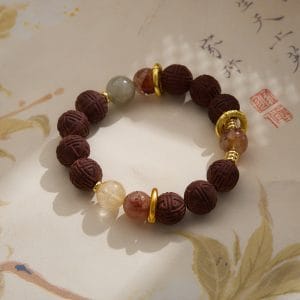
Original price was: $96.00.$66.00Current price is: $66.00. Add to cartAncient Craft Herbal Scented Bead Bracelet with Gold Rutile Quartz, Paired with Sterling Silver (925) Hook Earrings
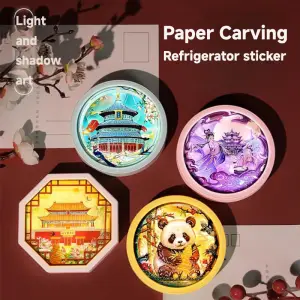
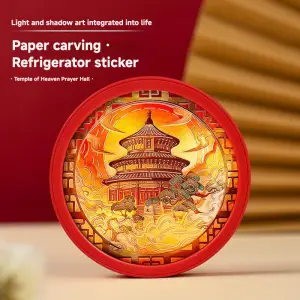
Original price was: $322.00.$198.00Current price is: $198.00. Add to cartThe Palace Museum Paper-Cut Light Art Fridge Magnets: Chinese Cultural Style Creative Gift Series
Price range: $27.00 through $36.00 Select options This product has multiple variants. The options may be chosen on the product pageAncient Craftsmanship & ICH Herbal Beads Bracelet with Yellow Citrine & Silver Filigree Cloud-Patterned Luck-Boosting Beads
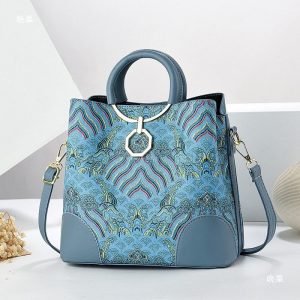
Original price was: $128.00.$89.00Current price is: $89.00. Add to cartHandwoven Zhuang Brocade Tote Bag – Large-Capacity Boho Shoulder Bag
Original price was: $178.00.$154.00Current price is: $154.00. Add to cart