Walk into any plant-focused forum or specialty retailer today, and you’ll notice a subtle but significant shift in language. The conversation has moved decisively away from vague, folkloric advice—‘just give it love and sunlight’—toward a lexicon of precision. This isn’t merely a trend toward more plants; it’s a fundamental recalibration of what it means to care for them. We are witnessing the professionalization of the domestic sphere of horticulture, driven by accessible technology, ecological awareness, and a demand for predictable, sustainable success. This evolution transforms houseplant care from a passive hobby into an active, informed practice, where understanding the underlying science is key to nurturing thriving indoor ecosystems.
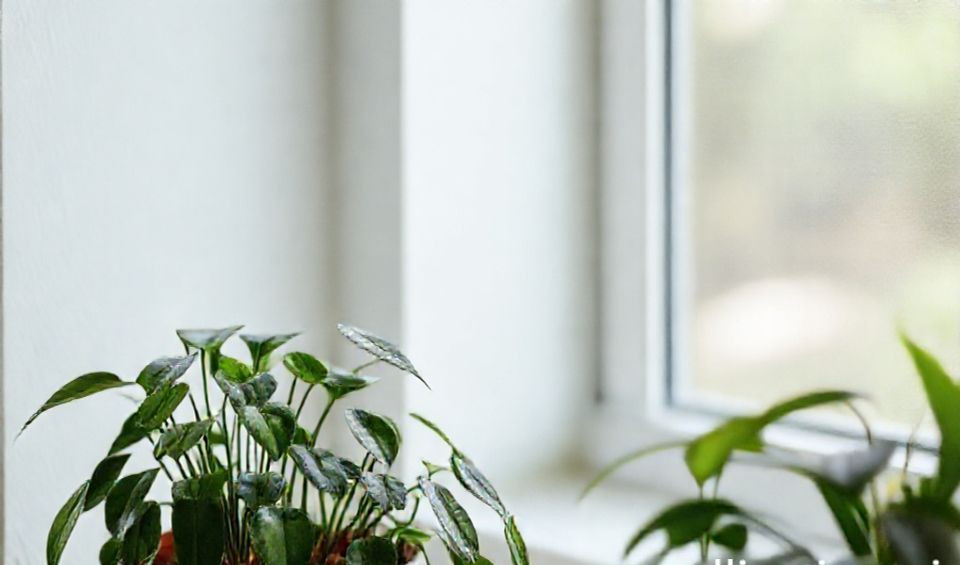
The Data-Driven Canopy: Precision Tools for Modern Plant Care
Gone are the days when a finger in the soil was the primary diagnostic tool. The modern plant keeper is increasingly a data manager. Affordable Bluetooth moisture meters, like those from brands such as Xiaomi or Ecowitt, provide real-time substrate analytics, eliminating the guesswork that leads to root rot or dehydration. Light meter apps, once the domain of professional growers, are now standard downloads for enthusiasts trying to match a Monstera’s ‘foot-candle’ requirements to a north-facing window’s reality.
This quantifiable approach creates a powerful feedback loop. For example, a collector might track that their Philodendron gloriosum thrives not at 60% humidity, but at a very specific 72%, leading to targeted humidifier use rather than inefficient room-wide misting. The outcome is less anecdotal failure and more replicable, knowledge-based cultivation. This data-centric mindset extends to environmental control. Smart gardeners now use simple thermometers and hygrometers to log daily temperature fluctuations and humidity levels, creating a detailed profile of their home’s microclimates. Knowing that your living room drops to 55% humidity on winter afternoons when the heat runs allows for proactive interventions, preventing crispy leaf tips on delicate ferns and calatheas before they even appear.
“We’ve moved past the ‘set it and forget it’ mentality,” notes Leo Chen, a horticultural technologist at Verdant Labs. “Our user data shows a 40% increase in queries about root zone metrics and soil oxygenation over the past 18 months. People aren’t just asking ‘why is my plant dying?’ They’re asking ‘what is the dissolved oxygen level in my water and how is it affecting my Alocasia’s rhizosphere?’ That’s a fundamental shift from care to active cultivation science.”
Understanding Light: The Non-Negotiable Foundation
At the core of all effective houseplant care is a mastery of light—the essential fuel for plant growth. The old adage of “bright, indirect light” is a good start but lacks the nuance needed for true success. Light intensity, duration, and quality are the critical variables.
Consider the experience of Maya, an apartment dweller in Chicago. She purchased a vibrant Fiddle Leaf Fig, placing it in what she thought was a “bright spot” five feet from a south-facing window. Despite regular watering, the plant dropped leaves and grew spindly. Using a free light meter app, she discovered the spot received only 75 foot-candles of light—a fraction of the 200+ this plant craves. Moving it directly in front of the window transformed its health, prompting a burst of new, sturdy growth. This example underscores a vital rule: always verify light levels with your phone or a dedicated meter.
Observe how the light moves through your space over a full day and across seasons. A window that is blazingly bright in summer may become dim and insufficient in winter, necessitating a seasonal plant rotation or the strategic use of grow lights. For deep rooms or north-facing spaces, full-spectrum LED grow lights are no longer clunky industrial fixtures but sleek, design-friendly lamps that can supplement natural light. They’re particularly useful for maintaining the vivid variegation in plants like Monsteras or keeping succulents from etiolating, or stretching, during darker months.
Watering Wisely: Beyond the Schedule
Overwatering remains the single most common cause of houseplant demise. The modern approach abandons rigid weekly schedules in favor of responsive, plant-specific hydration. The goal is to water thoroughly, then allow the soil to approach dryness at a rate appropriate for the plant’s needs and the pot’s environment.
Actionable Tip: Ditch the calendar. Instead, employ a combination of methods. For most tropical plants, the “finger test” is a reliable classic—insert your finger up to the second knuckle; if the soil feels dry, it’s time to water. For deeper pots or to avoid dirty fingers, a wooden chopstick or skewer inserted into the soil can act like a cake tester; if it comes out clean, the soil is dry. For the tech-inclined, a moisture meter provides a precise digital readout.
Remember, watering needs fluctuate dramatically. A plant in a terracotta pot in a hot, sunny room will dry out far faster than the same plant in a plastic pot in a cool, humid bathroom. As horticulturist Darryl Cheng of House Plant Journal famously advocates, “Learn what ‘dry’ feels like for your plant’s pot in your home.”
Water quality is another emerging consideration. While tap water is fine for many plants, sensitive species like carnivorous plants, calatheas, and some orchids can suffer from mineral buildup or chlorine. Leaving water out overnight can dissipate chlorine, and using filtered or rainwater can prevent unsightly leaf tip burn and support long-term soil health. Sarah, a collector in Arizona with very hard water, noticed her prayer plants consistently developed brown edges. Switching to distilled water resolved the issue within months, highlighting how regional water differences directly impact plant care strategies.
Soil and Sustenance: Building a Strong Foundation
Healthy roots are the secret engine of a thriving plant, and they depend entirely on their environment: the soil. Think of potting mix not as dirt, but as a breathable, water-managing infrastructure. A good mix performs three functions: it anchors roots, holds moisture and nutrients, and allows excess water to drain while letting air reach the roots.
Actionable Tip: For most common houseplants, a simple recipe promotes success. Start with a high-quality, all-purpose potting soil as a base. To dramatically improve drainage and aeration—key to preventing root rot—mix in one part perlite or pumice and one part orchid bark or coco coir. This creates a chunky, airy medium that mimics the well-draining forest floors many tropical plants originate from. A snake plant, which hails from arid regions, might need extra sand or perlite, while a moisture-loving peace lily benefits from a bit more coco coir to retain water.
When it comes to food, “less is more” is a wise mantra. A balanced, water-soluble fertilizer applied at half-strength during the active growing season (spring and summer) is sufficient. Over-fertilizing can burn roots and cause rapid, weak growth. In fall and winter, most plants rest and require little to no feeding. Incorporating a slow-release fertilizer or worm castings into your soil mix during repotting can provide a gentle, steady supply of nutrients.
Humidity and Health: Creating a Comfortable Microclimate
Many popular houseplants, such as philodendrons, monsteras, and ferns, are native to tropical rainforests where humidity is consistently high. Replicating this in a dry, climate-controlled home is a common challenge. Low humidity stresses plants, leading to brown, crispy leaf edges, slowed growth, and increased susceptibility to pests like spider mites.
Practical solutions exist without needing to turn your home into a steam room. Grouping plants together creates a shared zone of transpired moisture, a technique often called creating a “plant community.” Placing pots on a pebble tray filled with water (ensuring the pot sits above the water line) provides localized evaporation. For serious collectors or owners of finicky species like some calatheas, a small ultrasonic humidifier is a game-changer. Placing it near your plant grouping can reliably maintain humidity levels between 50-60%, which is ideal for most tropicals. It’s also worth noting that according to data aggregated by sources like Statista, sales of home humidifiers have seen a steady increase, partly driven by plant enthusiast demand.
Another often-overlooked factor is air circulation. Stagnant air encourages fungal diseases and weakens plant tissue. A gentle oscillating fan set on low, placed at a distance, can mimic a natural breeze, strengthening stems and helping to regulate temperature and humidity around your plants.
From Decoration to Integrated Biome: The Holistic Habitat
Concurrently, the very role of the houseplant is being recontextualized. They are no longer seen as solitary decorative objects but as nodes within a managed indoor biome. This perspective considers the entire system: the soil’s microbial health, the water’s mineral content, and even the symbiotic relationship between plant roots and mycorrhizal fungi.
Practices reflect this holism. We see a move away from generic, nutrient-poor potting mix toward bespoke substrates tailored for specific plant families. Repotting is not just about upsizing; it’s an opportunity to refresh this living medium and inspect root health. Furthermore, the benefits of plants extend beyond aesthetics. A World Health Organization report on urban green spaces highlights the psychological and air-purifying benefits of integrating nature into living environments, principles that apply directly to our homes. This biophilic design approach recognizes that our wellbeing is intertwined with the living elements we surround ourselves with.
Pest Prevention and Management: The Vigilant Gardener
Even in the most carefully tended indoor garden, pests can appear. The key is early detection and integrated management. Regularly inspect your plants, especially the undersides of leaves and where leaves meet stems, for signs of trouble—sticky residue (honeydew), fine webbing, or tiny moving specks.
Isolation is the first and most crucial step upon discovering pests. Quarantine the affected plant immediately to prevent spread. For common pests like aphids, mealybugs, and spider mites, a physical approach is often effective. Wipe leaves with a soft cloth dipped in a solution of mild soap and water, or spray the plant thoroughly in the shower to dislodge offenders. For persistent issues, horticultural oils like neem oil or insecticidal soaps are effective, low-toxicity options. They work by smothering pests and disrupting their life cycles and are safe for most plants when used as directed. Introducing beneficial predators, such as hypoaspis miles mites for fungus gnats, is another advanced tactic that mirrors natural ecosystem balance.
Prevention is always superior to cure. Stressed plants are more vulnerable, so consistent care is the best defense. Always inspect new plants thoroughly before introducing them to your collection, and consider giving them a preventative shower and a period of isolation.
The Rewarding Practice of Observation
Ultimately, the most sophisticated tool in plant care is consistent, mindful observation. Your plants communicate their needs constantly. Slow, leggy growth often signals insufficient light. Yellowing lower leaves can be a normal part of senescence or a sign of overwatering. Drooping can mean either thirst or waterlogging—check the soil to know for sure.
Keeping a simple journal, whether digital or analog, can accelerate your learning. Note when you water, fertilize, or repot. Record changes in light with the seasons. Take monthly photos to track growth. This log becomes an invaluable personal reference, helping you understand the unique rhythms of your home and your plants’ responses. This practice of attentive care offers a documented sense of progress and a deeper connection to the living world. As noted in studies on human-nature interaction, such as those referenced by UNESCO in discussions on biodiversity and well-being, this connection can provide significant mental health benefits, reducing stress and fostering a sense of calm and accomplishment.
The journey from a novice plant owner to a confident caretaker is paved with both triumphs and learning experiences. Each brown leaf or new unfurling offers a lesson. By embracing a mindset of curious, data-informed care—honoring the individual needs of each plant, understanding the science of light and water, and viewing your collection as an interconnected biome—you cultivate more than just plants. You cultivate resilience, patience, and a daily, living connection to the natural world, all within the walls of your own home. This quiet recalibration of indoor horticulture empowers us to build personal oases of green, grounded not in folklore, but in the rewarding science of helping things grow.
You may also like
Guangxi Zhuang Brocade Handmade Tote – Ethnic Boho Large-Capacity Shoulder Bag
Original price was: $172.00.$150.00Current price is: $150.00. Add to cartHandwoven Zhuang Brocade Tote Bag – Large-Capacity Boho Shoulder Bag
Original price was: $178.00.$154.00Current price is: $154.00. Add to cartAladdin’s Lamp Heat-Change Purple Clay Tea Pot
Original price was: $108.00.$78.00Current price is: $78.00. Add to cartThe Palace Museum Paper-Cut Light Art Fridge Magnets: Chinese Cultural Style Creative Gift Series
Price range: $27.00 through $36.00 Select options This product has multiple variants. The options may be chosen on the product pageBambooSoundBoost Portable Amplifier
Original price was: $96.00.$66.00Current price is: $66.00. Add to cartAncient Craft Herbal Scented Bead Bracelet with Gold Rutile Quartz, Paired with Sterling Silver (925) Hook Earrings
Original price was: $322.00.$198.00Current price is: $198.00. Add to cart