Walk into any well-stocked Asian pantry and you’ll find it—a humble container of fermented soybean paste waiting to transform ordinary ingredients into something extraordinary. This isn’t just another condiment to collect dust on your shelf. With its deep umami flavor and remarkable versatility, soybean paste deserves a permanent spot in your cooking rotation. Its journey from simple soybeans to flavor powerhouse involves ancient techniques meeting modern culinary science, creating possibilities that extend far beyond traditional uses.
The Foundation of Flavor
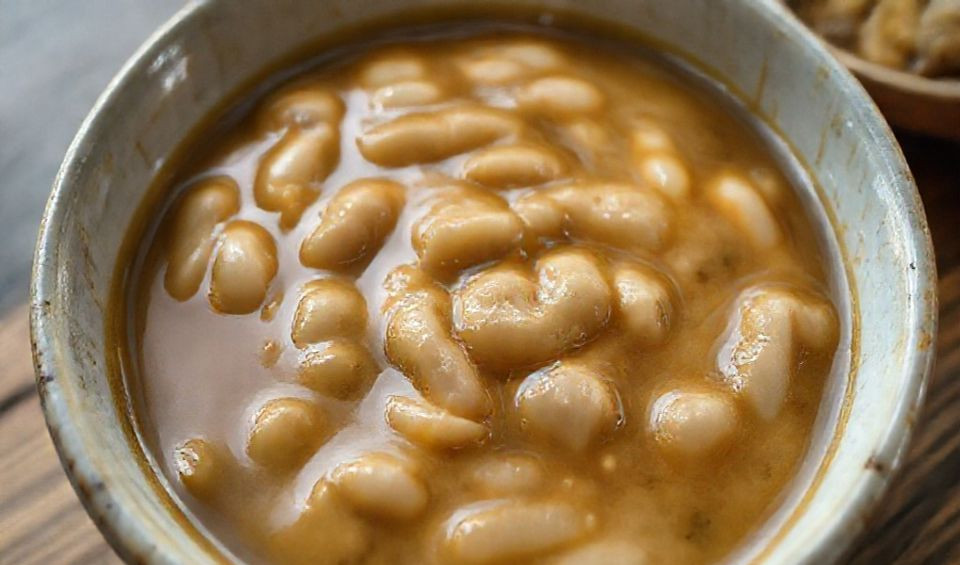
What makes fermented soybean paste so special lies in its transformation process. Soybeans undergo fermentation with koji mold (Aspergillus oryzae) and salt, developing complex flavors over weeks or months. The result is a concentrated paste that delivers what chefs call the ‘fifth taste’—umami. Unlike salt that merely makes food salty or sugar that makes it sweet, umami enhances and rounds out other flavors. Think of it as the culinary equivalent of a skilled conductor bringing harmony to an orchestra.
This fermentation process creates naturally occurring glutamates that stimulate our umami taste receptors. According to research published in the Journal of Food Science, these compounds not only enhance flavor but may also help reduce sodium intake by allowing less salt to achieve greater flavor impact. The slow fermentation also breaks down proteins and carbohydrates into more digestible forms, making nutrients more bioavailable.
Different regions have developed their own variations through centuries of culinary evolution. Korean doenjang tends to be bolder and grainier, with a fermentation process that often includes meju (soybean blocks) aged in earthenware. Japanese miso offers smoother textures ranging from white (shiro) to red (aka), with fermentation times varying from weeks to years. Chinese doubanjiang brings varying levels of heat depending on the chili content and region of origin. Indonesian tauco and Filipino tausi represent other fascinating variations in the soybean paste family. Each type brings its own character to dishes, yet they all share that fundamental ability to deepen and complete flavors.
Nutritional Powerhouse
Beyond its flavor contributions, fermented soybean paste offers substantial health benefits that modern science continues to uncover. The fermentation process enhances the nutritional profile of soybeans, making them richer in B vitamins, particularly B12, which is often lacking in plant-based diets. A World Health Organization report on traditional fermentation methods notes they can increase the bioavailability of minerals like iron and zinc by reducing phytates that normally inhibit absorption.
The probiotics generated during fermentation support gut health, contributing to what nutritionists call the gut-brain axis. Regular consumption of fermented foods like soybean paste may help maintain healthy gut flora, which research suggests could influence everything from digestion to mood regulation. These living cultures, combined with the paste’s high protein content and isoflavones, create a nutrient-dense food that supports overall wellness.
Many home cooks discover unexpected benefits when incorporating soybean paste into their diets. James Wilson, a personal trainer from Seattle, shares: “I started using miso paste in salad dressings and marinades about two years ago. Not only did my cooking become more flavorful, but I noticed my digestion improved significantly. My clients who struggle with bland ‘healthy’ food now enjoy meals that are both nutritious and deeply satisfying.”
Practical Applications Beyond Soup
While many people first encounter soybean paste in miso soup, its uses extend far beyond that classic preparation. The paste’s unique properties make it invaluable across cooking techniques and cuisines. A tablespoon stirred into salad dressings creates depth that vinegar alone can’t achieve. Mixed with mayonnaise, it becomes a sophisticated spread for sandwiches. Rubbed on chicken before roasting, it forms a flavorful crust that locks in moisture while creating beautiful caramelization.
Consider this simple weeknight solution: combine two tablespoons of soybean paste with one tablespoon each of rice vinegar and sesame oil. Thin it with a little water, and you have an instant marinade for fish or vegetables. The paste’s natural glutamates help tenderize proteins while building flavor from the inside out. For vegetarian dishes, a teaspoon dissolved in vegetable broth creates a meaty quality without actual meat, making it invaluable for plant-based cooking.
Even breakfast benefits from this versatile ingredient. Try spreading a thin layer on toast instead of butter, then topping with avocado and sesame seeds. The salty, fermented notes complement the creamy avocado beautifully. For a heartier morning meal, mix soybean paste into scrambled eggs or oatmeal for an unexpected depth of flavor that will keep you satisfied until lunch.
Global Fusion Techniques
Creative chefs and home cooks are discovering how soybean paste bridges culinary traditions. Imagine Italian pasta with a sauce featuring soybean paste instead of anchovies for that umami backbone, or Mexican beans simmered with doenjang instead of traditional seasonings. The paste’s ability to enhance without overpowering makes it perfect for experimental cooking.
Professional chef Anika Patel explains her approach: “At our restaurant, we use white miso in our caramel sauce for desserts. It adds complexity that customers can’t quite identify but absolutely love. We’ve also created a Korean-inspired barbecue sauce using doenjang that works beautifully with both meats and roasted vegetables. The key is understanding that soybean paste isn’t just an Asian ingredient—it’s a fundamental flavor tool that transcends categories.”
Modern Kitchen Revolution
The real magic of fermented soybean paste reveals itself in everyday cooking. Busy parents, students, and professionals alike find that keeping a container in the refrigerator transforms quick meals into something special. A simple bowl of noodles becomes restaurant-quality with a spoonful of paste whisked into the broth. Roasted vegetables gain new dimension when tossed with a paste-and-oil mixture before cooking. Even basic grain dishes like rice or quinoa benefit from having a small amount stirred in after cooking.
Maria Chen, who cooks for her family of four, describes her evolution with the ingredient: “I used to buy soybean paste just for making soup. Then I discovered it could replace about half the salt in my cooking while making everything taste richer. Now I keep three types on hand—a mild white miso for delicate dishes, a robust red for heartier meals, and a spicy doubanjiang for when we want some heat. It’s cut our processed sauce purchases by about seventy percent because we can create our own balanced flavors.”
Chen’s experience highlights how this ancient ingredient fits modern cooking needs. Rather than requiring special techniques, soybean paste adapts to existing routines while elevating results. The key is starting with small amounts and tasting as you go—the transformation happens gradually but noticeably. Many cooks find that as they become more comfortable with the ingredient, they discover new applications almost daily.
Selection and Storage Wisdom
Choosing the right soybean paste begins with understanding the spectrum available. Lighter pastes like white miso work well in delicate dishes, fish marinades, and salad dressings. Darker varieties like red miso or Korean doenjang stand up to heartier applications like stews, braises, and robust sauces. According to UNESCO’s recognition of Japan’s washoku culinary tradition, the art of selecting and using different miso types represents centuries of accumulated culinary wisdom.
Storage proves remarkably straightforward. Keep soybean paste in an airtight container in the refrigerator, where it will maintain quality for months. The high salt content and living cultures work together to preserve the paste naturally. Some traditionalists even argue that the flavor continues to develop and improve over time, though most commercial products remain stable at peak quality for about a year.
When shopping, read labels carefully. Traditional soybean paste typically contains just soybeans, salt, and koji culture. Some modern versions may include additional grains like rice or barley, which create different flavor profiles. Statista market analysis shows growing consumer interest in clean-label fermented foods, with many shoppers specifically seeking out traditional preparation methods.
Beyond the Kitchen
The influence of fermented soybean paste extends into cultural traditions and environmental considerations. In Korea, the annual preparation of doenjang represents a family ritual passed through generations. The careful monitoring of fermentation vessels, the seasonal timing, and the sharing of the finished product all reinforce social bonds while preserving culinary heritage.
Environmentally, soybean paste represents an efficient use of resources. Soybeans fix nitrogen in soil, reducing the need for synthetic fertilizers. The fermentation process creates nutrient-rich food from simple legumes, offering substantial nutrition with relatively low environmental impact compared to many animal-based protein sources. As global attention turns toward sustainable food systems, traditional fermentation techniques offer valuable lessons in food preservation and nutrient enhancement.
From its microbial alchemy to its modern culinary applications, fermented soybean paste demonstrates how traditional foodways continue to offer solutions to contemporary needs. Its ability to enhance flavor while supporting health, its versatility across cooking styles, and its cultural significance make it much more than a simple condiment. It represents a living tradition that adapts while maintaining its essential character—much like the fermentation process itself.
Getting Started: Practical Tips
For those new to fermented soybean paste, begin with these simple approaches. Start with white miso—its milder flavor makes it more approachable for Western palates. Mix one teaspoon into salad dressings, mashed potatoes, or vegetable purees to experience how it enhances without dominating. As you become comfortable, experiment with substituting soybean paste for salt in recipes, using about half the amount you would normally use of salt.
Create a basic flavor booster by combining equal parts soybean paste, rice vinegar, and maple syrup. This versatile sauce works as a glaze for roasted vegetables, a marinade for proteins, or a dipping sauce for dumplings. Store it in the refrigerator where it will keep for several weeks, ready to transform simple ingredients into memorable meals.
Remember that heat can damage the beneficial probiotics in fermented soybean paste. When possible, add it at the end of cooking or use it in applications that don’t involve high heat. The complex flavors will still develop while preserving the living cultures that contribute to both flavor and health benefits.
As you explore different varieties, notice how regional differences reflect local ingredients and traditions. The spicy kick of Chinese doubanjiang tells a story of Sichuan province’s love affair with heat, while the subtle sweetness of white miso reflects the refined palate of Kyoto cuisine. Each variety offers not just a different flavor profile but a window into the culture that created it.
Whether you’re looking to reduce sodium intake, add depth to plant-based cooking, or simply explore new flavor dimensions, fermented soybean paste offers solutions that bridge ancient wisdom and modern needs. Its transformation from humble soybean to culinary powerhouse represents one of food’s most fascinating journeys—and one that continues to evolve in kitchens around the world.
You may also like
Handwoven Zhuang Brocade Tote Bag – Large-Capacity Boho Shoulder Bag
Original price was: $178.00.$154.00Current price is: $154.00. Add to cartAncient Craftsmanship & ICH Herbal Beads Bracelet with Yellow Citrine & Silver Filigree Cloud-Patterned Luck-Boosting Beads
Original price was: $128.00.$89.00Current price is: $89.00. Add to cartAncient Craft Herbal Scented Bead Bracelet with Gold Rutile Quartz, Paired with Sterling Silver (925) Hook Earrings
Original price was: $322.00.$198.00Current price is: $198.00. Add to cartBambooSoundBoost Portable Amplifier
Original price was: $96.00.$66.00Current price is: $66.00. Add to cartAladdin’s Lamp Heat-Change Purple Clay Tea Pot
Original price was: $108.00.$78.00Current price is: $78.00. Add to cartThe Palace Museum Paper-Cut Light Art Fridge Magnets: Chinese Cultural Style Creative Gift Series
Price range: $27.00 through $36.00 Select options This product has multiple variants. The options may be chosen on the product page