Bone china occupies a curious space in many households—revered for its translucent beauty yet often relegated to special occasions. This approach overlooks its fundamental durability and design purpose. Modern bone china isn’t merely decorative; it’s engineered for daily interaction, offering a tactile experience that elevates ordinary moments. The key lies in selecting pieces that align with actual routines rather than idealized scenarios. This shift in perspective transforms a collection from a static display into a dynamic element of daily living, where beauty and utility are not opposing forces but harmonious partners.
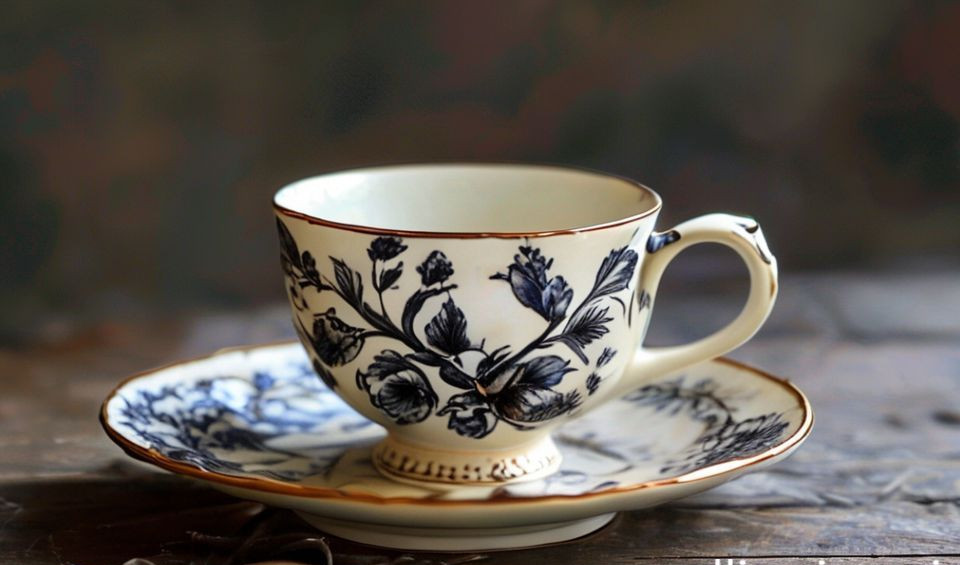
Choosing Pieces That Serve Your Habits
Begin by conducting an honest audit of your daily life. Do you savor a solitary coffee each morning, or do you host relaxed dinners weekly? The goal is to match the china to the rhythm of your home. A single, exquisite bone china mug used daily provides more satisfaction and aesthetic pleasure than a twelve-piece dinner set gathering dust in a cabinet. When handling potential purchases, pay close attention to weight and balance. A well-designed teacup should feel secure and comfortable, not precarious, when lifted repeatedly. Many modern manufacturers incorporate practical features discreetly; look for pieces with subtly reinforced rims that enhance durability without compromising the delicate visual line.
For instance, Wedgwood’s ‘Nantucket’ collection is celebrated for its robust construction that belies its fine appearance, proving that functionality needn’t sacrifice aesthetics. When evaluating a new acquisition, apply the ‘three-use test.’ Can you genuinely envision using this item for a quiet breakfast, an afternoon snack, and when a friend drops by for a visit? If not, it risks remaining a permanent ornament. Furthermore, prioritize open-stock patterns from reputable makers over discontinued ones. This pragmatic step ensures replacements remain available for the inevitable chip or crack, turning collecting from an exercise in preservation to one of joyful participation.
The Practical Science Behind the Beauty
Bone china’s reputation for fragility is largely a myth rooted in its elegance. Its unique composition—typically a mix of bone ash, kaolin clay, and feldspathic material—grants it remarkable strength. According to material science principles, the calcined bone ash creates a fine, glassy matrix that results in a product both translucent and surprisingly chip-resistant compared to other porcelains. This engineered durability is why many modern bone china collections are explicitly marketed as dishwasher and microwave safe, a fact often underappreciated by consumers. A study in the Journal of the European Ceramic Society highlights how microstructural engineering in whitewares enhances mechanical strength, a principle perfected in high-quality bone china.
This inherent resilience means it can withstand the rigors of daily use. One collector shares, “I use my Spode ‘Christmas Tree’ plates year-round. Their sturdiness surprised me—they’ve survived five years of weekly use with just one small chip.” This lived experience underscores a common theme: perceived fragility often exceeds reality. By understanding the material science, owners can feel empowered to use their pieces without undue anxiety.
Integrating China into Daily Rituals
The transition from display cabinet to daily use requires only minor, intentional adjustments. Start with the rituals that anchor your day. Bone china’s excellent thermal properties—it retains heat more effectively than porous earthenware—make it ideal for beverages. Replace your usual mug with a bone china cup for your first tea or coffee each morning. Notice how the thin, translucent walls allow you to sense the liquid’s temperature and color, creating a more engaged and mindful experience. For dining, mix and match. Place a bone china dinner plate alongside simpler stoneware salad plates; the contrast highlights the china’s refinement without making a casual weeknight meal feel overly formal.
Care routines need not be daunting. While it’s always wise to check manufacturer guidelines, most contemporary bone china is perfectly dishwasher-safe unless adorned with hand-applied metallic gilding or overglaze decoration. For those ornate, gilded pieces, hand-washing promptly with a mild detergent and a soft cloth is sufficient; avoid abrasive sponges that can scratch delicate surfaces. When storing, stack plates with soft felt protectors instead of paper towels, which can leave lint and fibers. The goal is care, not coddling.
“People ask if I’m nervous using my 1920s Royal Doulton for Tuesday dinners,” says Elena, a museum curator and lifelong collector. “But fine china is like silver—it improves with gentle wear. The slight, honorable patina from careful handling adds character and tells a story. My rule is simple: if I own it, it must earn its shelf space through use. That saucer has held my keys for a decade, and the teapot brews my afternoon Earl Grey. They’re not relics; they’re active participants in my life.”
This philosophy is the cornerstone of modern bone china decor. It shifts the material from artifact to active companion. Consider creative integrations that normalize its presence. A graceful bone china jug can hold cooking utensils on the counter, marrying utility with visual appeal. A set of small, delicate dishes can elegantly organize jewelry, paperclips, or loose change on a dresser or desk. These small acts break down the psychological barrier of “special occasion only,” weaving the beauty of bone china into the very fabric of domestic life.
Curating a Living Collection: Practical Tips and Insights
Building a collection meant for use follows different principles than one meant solely for display. Focus on versatility and personal resonance over completeness. A Statista report on home decor trends indicates a growing consumer desire for multifunctional and personally meaningful items over purely decorative ones. This aligns perfectly with the ethos of using bone china daily.
- Start Small and Specific: Begin with items for your most entrenched habit. If you are a tea enthusiast, invest in a beautiful teapot and two cups. This focused start is more impactful than a large, generic set.
- Embrace the Mix: There is no rule that everything must match. Combining patterns from the same era or with complementary colors can create a dynamic, collected-over-time look that feels personal and stylish.
- Prioritize Ergonomic Design: A cup’s handle should fit your fingers comfortably. A plate’s foot ring (the unglazed ring on the bottom) should be smooth and allow for stable stacking. These details directly impact the pleasure of use.
- Think Beyond the Dining Table: As UNESCO notes in its discussions on intangible cultural heritage, the objects we use in daily rituals carry cultural and personal significance. Use a bone china bowl for your morning oatmeal or a small plate as a soap dish in the bathroom. It elevates the mundane.
When damage inevitably occurs, see it as part of the object’s history. Many artisans specialize in kintsugi-inspired repairs, using gold lacquer to mend cracks, not to hide them but to celebrate the piece’s continued life. This approach embraces imperfection and narrative.
Durability, Sustainability, and Mindful Consumption
Choosing high-quality bone china for daily use is also a sustainable choice. Its durability means it does not need frequent replacement, countering the throwaway culture associated with cheaper, mass-produced dishware. A well-made bone china piece can last for generations, becoming an heirloom through use, not just through storage. The World Health Organization emphasizes the importance of mindfulness in daily activities for well-being. The simple act of drinking from a beautifully crafted cup forces a moment of pause and appreciation, aligning with this principle of mindful living.
Furthermore, the production of bone china, particularly from heritage British brands, often adheres to strict environmental and labor standards, offering an ethical alternative to fast-fashion home goods. Investing in fewer, better pieces reduces waste and fosters a deeper connection to the objects that surround us.
Beyond the Table: Creative Applications in Home Decor
The versatility of bone china extends far beyond the dining room. Its inherent beauty and structural integrity make it a compelling element in broader home decor. Consider using a large, decorative bone china platter as a striking centerpiece on a console table, perhaps layered over a textured runner with a small stack of books or a solitary candle. A trio of graduated cake stands can create a dynamic display on a kitchen shelf, holding not just pastries but also fruits, napkins, or even small potted succulents.
In the study or home office, a bone china inkwell or pen holder adds a touch of refined history to a modern workspace. The material’s cool, smooth surface is pleasant to the touch, making even the act of reaching for a pen feel considered. For those who entertain, a set of bone china coasters or small side plates for serving olives and nuts subtly elevates the guest experience without formality. These applications demonstrate that bone china decor is not a single note but a versatile theme that can be woven throughout a home, creating moments of unexpected elegance in every room.
Navigating the Modern Market: Heritage and Innovation
Today’s market for bone china offers a fascinating blend of centuries-old heritage brands and innovative contemporary designers. Companies like Royal Worcester and Spode carry patterns with historical narratives, often drawing from archival botanical prints or classic geometric motifs. Collecting these pieces connects a home to a longer story of craftsmanship. Simultaneously, modern studios are reinterpreting the material with minimalist shapes, bold colors, and experimental glazes, appealing to a newer generation. Brands like William Edwards and Emma Bridgewater, while sometimes using related fine bone china or porcelain, exemplify this trend towards durability paired with playful, modern patterns suitable for daily use.
When building a collection, don’t feel constrained to one camp. The most interesting interiors often juxtapose an heirloom teapot with a sleek, modern creamer. The unifying factor is quality and personal appeal. Researching a brand’s history or a pattern’s origin can deepen your connection to a piece. For example, learning that a particular floral pattern was first commissioned for a specific historic event adds a layer of conversation to its use. This informed collecting turns acquisition into a more meaningful practice, aligning with the trend towards meaningful consumption highlighted in consumer reports.
Ultimately, the journey to integrating bone china decor into everyday life is about permission—giving yourself permission to enjoy beauty without reservation, to find luxury in the routine, and to allow objects of quality to fulfill their intended purpose. The result is a living collection that reflects both personal taste and practical life, where the gentle clink of a bone china cup against a saucer becomes a familiar, comforting sound in the soundtrack of home. It proves conclusively that the finest materials are not meant to be hidden away but to thrive, to be touched, used, and loved in the bright light of daily life.
You may also like
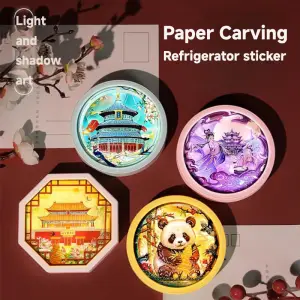
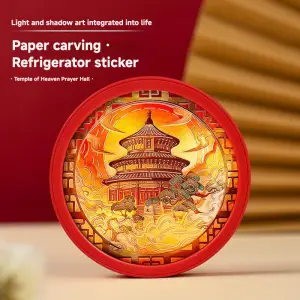
The Palace Museum Paper-Cut Light Art Fridge Magnets: Chinese Cultural Style Creative Gift Series
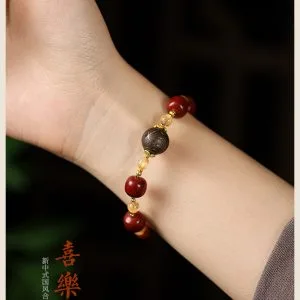
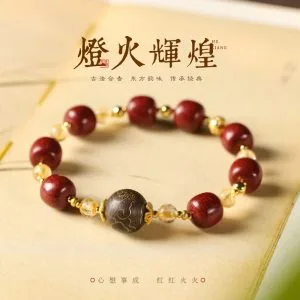
Price range: $27.00 through $36.00 Select options This product has multiple variants. The options may be chosen on the product pageAncient Craftsmanship & ICH Herbal Beads Bracelet with Yellow Citrine & Silver Filigree Cloud-Patterned Luck-Boosting Beads
Original price was: $128.00.$89.00Current price is: $89.00. Add to cartAncient Craft Herbal Scented Bead Bracelet with Gold Rutile Quartz, Paired with Sterling Silver (925) Hook Earrings
Original price was: $322.00.$198.00Current price is: $198.00. Add to cartGuangxi Zhuang Brocade Handmade Tote – Ethnic Boho Large-Capacity Shoulder Bag
Original price was: $172.00.$150.00Current price is: $150.00. Add to cartBambooSoundBoost Portable Amplifier
Original price was: $96.00.$66.00Current price is: $66.00. Add to cartHandwoven Zhuang Brocade Tote Bag – Large-Capacity Boho Shoulder Bag
Original price was: $178.00.$154.00Current price is: $154.00. Add to cart