Holding a silver denarius minted during Julius Caesar’s reign remains an impossible dream for most enthusiasts. The rarity and cost of authentic ancient coins place them beyond reach, but high-quality reproductions offer a compelling alternative for study, display, and handling. These meticulously crafted pieces bridge the gap between historical artifact and accessible education, allowing a broader audience to connect physically with numismatic history.
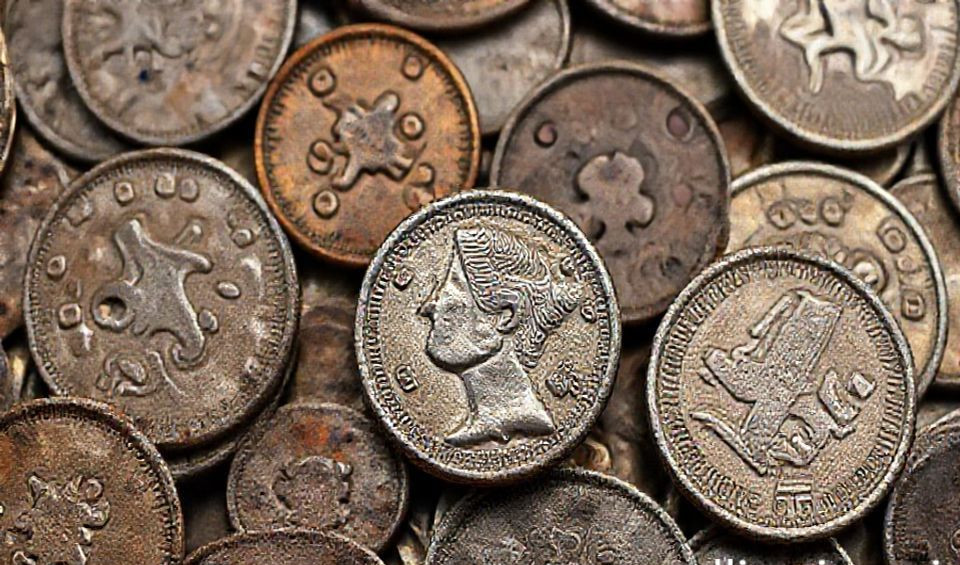
The appeal isn’t merely financial. There’s something profound about holding weighty bronze or cool silver that precisely matches what ancient hands once exchanged in marketplaces and temples. This tactile experience creates an intimate connection to history that photographs and descriptions cannot replicate. For educators, researchers, and collectors alike, these reproductions serve as vital tools for understanding our shared past.
Why Reproductions Matter Beyond Cost
Modern minting techniques have advanced to the point where reproductions can capture minute details with startling accuracy. A well-made replica of a Greek tetradrachm shows the same wear patterns, edge nicks, and surface texture one would expect from a coin that circulated 2,300 years ago. These copies serve multiple practical purposes: they allow museums to create handling collections for educational programs, enable researchers to examine coin designs without risking damage to fragile originals, and give collectors the satisfaction of owning beautiful numismatic art at a fraction of the cost.
Consider the Athenian owl tetradrachm—one of the most iconic ancient coins. Original specimens in good condition command prices exceeding $10,000, while accurate reproductions cost between $25 and $150 depending on materials and craftsmanship. This accessibility means students can actually hold and examine these historical artifacts rather than just viewing them behind glass. The UNESCO 1970 Convention on cultural property has made museums increasingly cautious about acquiring unprovenanced antiquities, further increasing the value of high-quality reproductions for educational purposes.
Dr. Elena Mariani, a classical archaeologist at Oxford, explains, “In our undergraduate seminars, we use reproductions of Roman Republican denarii to teach students about monetary policy and political propaganda. The coins become primary sources they can touch, rotate, and discuss without the anxiety of damaging irreplaceable artifacts. This hands-on approach has transformed how we teach numismatics.”
Beyond academia, reproductions serve important ethical functions. The international art market has long struggled with looted antiquities, and ancient coins frequently appear in trafficking networks. By choosing reproductions, collectors can enjoy numismatic beauty without potentially supporting destructive archaeological looting. The World Health Organization has even noted connections between antiquities trafficking and organized crime networks in their reports on transnational crime, highlighting how ethical collecting choices can have broader societal impacts.
The Art and Science Behind Quality Reproductions
Not all reproductions are created equal. The best examples use the same metals as originals—bronze for Roman asses, silver for denarii, electrum for early Lydian coins—and employ careful striking techniques that replicate ancient minting methods. Look for reproductions that specify the weight, diameter, and metal composition matching historical standards.
The process typically begins with creating molds from original coins in museum collections, often using non-invasive 3D scanning technology. Artisans then craft dies that capture every detail, from the subtle flow lines of struck metal to the natural imperfections that characterized ancient minting. Some workshops even use reconstructed ancient-style screw presses to achieve the same physical characteristics as originals.
Marcus, a professional numismatist with twenty years’ experience, shares, “I’ve seen reproductions so accurate they required laboratory testing to distinguish from originals. The best artisans study ancient minting techniques obsessively—they understand how bronze develops its particular corrosion patterns, how silver tone changes with exposure, and how striking pressure affects metal flow around designs.”
Avoid modern fantasy coins that never existed historically. Instead, seek out reputable dealers who provide documentation about which specific original coin served as the model. Some specialists even create reproductions with artificial patination that mimics centuries of burial, giving the coins an authentic appearance without the ethical concerns of purchasing potentially looted artifacts.
The American Numismatic Society’s journal has published several studies comparing original coins to high-quality reproductions, noting that the educational value increases significantly when replicas maintain precise metallurgical and dimensional accuracy. This attention to scientific detail separates serious reproduction workshops from souvenir manufacturers.
Practical Applications Across Fields
One collector notes, “I use reproductions to fill gaps in my Roman imperial series. Having a decent copy of a Caligula denarius lets me complete the Twelve Caesars display without spending six figures.” This practical approach demonstrates how reproductions can enhance collecting while remaining financially sensible.
Beyond private collections, reproductions serve vital functions in public institutions. The British Museum’s education department uses reproductions in their school programs, allowing children to handle what feel like ancient coins while learning about trade routes and economic history. A teacher from London recounts, “When I passed around a reproduction of a Celtic stater, one student noticed the die axis was rotated. This led to a fascinating discussion about minting technology and how we can trace workshops through such details—something that would never have happened with photographs alone.”
The University of Michigan’s Kelsey Museum uses reproductions in their ancient coins workshop. Participants handle exact replicas of Seleucid tetradrachms while learning about die analysis and monetary systems. As one graduate student observed, “Being able to physically manipulate these coins—feeling their weight, examining both sides simultaneously—transformed my understanding of ancient economic practices in ways that photographs never could.”
Archaeological fieldwork has also benefited from reproduction coins. At excavation sites in Turkey, teams use reproductions to help volunteers identify potential coin finds without handling fragile originals. The reproductions serve as comparative references when sifting through soil, helping team members recognize the size, weight, and appearance of ancient currency.
Building a Meaningful Collection
Starting a collection of ancient coin reproductions requires both knowledge and strategy. Focus initially on major historical periods or civilizations that interest you most—Roman imperial coins tell one story, while Greek city-state coinage reveals another aspect of ancient economic life. Many collectors begin with the most recognizable issues: Athenian owls, Alexander the Great tetradrachms, or Roman denarii featuring famous emperors.
Documentation proves crucial for building a credible collection. Reputable dealers provide certificates detailing which museum specimen served as the model, the reproduction method used, and the metal composition. This paperwork transforms reproductions from mere curiosities into legitimate study materials. As one university curator explained, “We treat well-documented reproductions as teaching artifacts in their own right, not just placeholders for real coins.”
Consider thematic collecting approaches that would be impossible with originals due to cost constraints. You might assemble a complete set of Roman imperial women—from Livia to Helena—showing how female portraiture evolved on coinage. Another collector might focus on ancient economic history through reproductions of Greek fractional coinage, demonstrating how small denominations facilitated daily marketplace transactions.
Display matters nearly as much as acquisition. Many collectors use museum-style mounting systems with descriptive labels explaining each coin’s historical context. This approach turns a personal collection into an educational resource for family, friends, and students. The physical arrangement of coins—whether chronological, geographical, or thematic—can reveal historical patterns that individual pieces might not show alone.
Selecting and Caring for Reproductions
When building a collection of reproduction coins, several factors determine quality and value. Metal composition remains paramount—silver reproductions should contain the same purity as originals (often 90-95% for Greek and Roman coins), while bronze pieces should match the copper-tin ratios used historically. Weight and diameter specifications should correspond to published references for authentic examples.
Surface treatment reveals much about a reproduction’s quality. Artificially applied patina should mimic natural chemical processes rather than simply painting coins dark. High-end reproductions often use controlled sulfur exposure or burial in specific soil types to achieve authentic-looking surfaces. As Statista market analysis shows, the premium reproduction segment has grown steadily, with collectors willing to pay more for scientifically accurate pieces.
Storage and handling require attention similar to originals. Silver reproductions benefit from anti-tarnish strips in storage containers, while bronze pieces should be kept in stable humidity conditions to prevent unexpected corrosion. Many collectors use the same archival-quality holders and cabinets for reproductions as they would for valuable originals, maintaining proper numismatic standards regardless of a coin’s market value.
David, who manages a specialized reproduction workshop in Berlin, advises, “Treat quality reproductions with the same respect you’d give originals. The value isn’t in their material worth but in their historical accuracy and educational potential. Proper care ensures they’ll remain useful study objects for decades.”
Educational Impact and Classroom Integration
Ancient coin reproductions have revolutionized how history and archaeology are taught at all levels. In primary education, teachers use oversized reproductions to demonstrate basic economic concepts and historical trade. Middle school students might compare Greek and Roman coin designs to understand cultural differences in artistic expression and political messaging.
High school history teachers report remarkable engagement when incorporating coin reproductions into their curriculum. One educator described her approach: “When we study the Roman Empire, each student receives a reproduction coin of a different emperor. They research that ruler’s reign and present their findings using the coin as a primary source. The physical object makes the historical figure feel more real and immediate than textbook descriptions alone.”
University-level applications become increasingly sophisticated. Archaeology students learn typological analysis through handling multiple reproductions of the same coin type with minor variations. Art history courses use reproductions to trace the evolution of portraiture from stylized Hellenistic rulers to realistic Roman emperors. Economics departments employ coin reproductions to illustrate monetary policy, inflation, and trade networks in antiquity.
Museum educator Sarah Jenkins observes, “The magic happens when visitors—especially children—realize they’re holding something that looks and feels exactly like an ancient object. That moment of connection often sparks deeper curiosity about history and archaeology. We’ve seen students who initially showed little interest in ancient history become passionate researchers after handling reproduction coins in our workshops.”
Ethical Considerations and Future Directions
The relationship between reproductions and the antiquities market continues evolving. Reputable reproduction manufacturers now routinely include identifying marks—often microscopic—to distinguish their work from potential forgeries. This practice helps protect both collectors and the archaeological record by ensuring reproductions cannot be passed as genuine.
International organizations like UNESCO have developed guidelines for cultural heritage reproductions, emphasizing educational value while preventing potential misuse. These frameworks help legitimate workshops operate with clear ethical standards, distinguishing their educational mission from commercial operations that might blur lines between reproduction and forgery.
Technological advances continue pushing reproduction quality forward. High-resolution 3D scanning now captures surface details at micron level, while improved metallurgical analysis ensures precise alloy matching. Some workshops have begun experimenting with “honest reproductions” that replicate coins as they would have appeared when newly minted, providing insight into how ancient people saw their currency before centuries of wear and corrosion.
Looking forward, the role of reproductions appears increasingly important as museum budgets tighten and ethical concerns about antiquities collecting grow. These accessible pieces democratize numismatic study while preserving fragile originals for specialized research. They represent not mere copies but legitimate educational tools that make ancient history tangible for new generations.
The quiet satisfaction of holding a reproduction Athenian owl or Julius Caesar denarius connects us directly to markets, temples, and battlefields of the ancient world. These carefully crafted pieces honor original artifacts while making their historical significance available to all who wish to learn from them.
You may also like
Aladdin’s Lamp Heat-Change Purple Clay Tea Pot
Original price was: $108.00.$78.00Current price is: $78.00. Add to cartHandwoven Zhuang Brocade Tote Bag – Large-Capacity Boho Shoulder Bag
Original price was: $178.00.$154.00Current price is: $154.00. Add to cartAncient Craft Herbal Scented Bead Bracelet with Gold Rutile Quartz, Paired with Sterling Silver (925) Hook Earrings
Original price was: $322.00.$198.00Current price is: $198.00. Add to cartThe Palace Museum Paper-Cut Light Art Fridge Magnets: Chinese Cultural Style Creative Gift Series
Price range: $27.00 through $36.00 Select options This product has multiple variants. The options may be chosen on the product pageGuangxi Zhuang Brocade Handmade Tote – Ethnic Boho Large-Capacity Shoulder Bag
Original price was: $172.00.$150.00Current price is: $150.00. Add to cartBambooSoundBoost Portable Amplifier
Original price was: $96.00.$66.00Current price is: $66.00. Add to cart