In the quiet glow of a dining room, a bone china teacup rests on its saucer. Its translucence captures light like morning frost, its whiteness so pure it seems to hold memory. This is not merely tableware. It is a cultural artifact born from a specific collision of history, trade, and human ingenuity—a story written in kaolin, bone ash, and fire. Today, bone china decor transcends its traditional role on the dining table, evolving into a sophisticated design element that bridges heritage and contemporary aesthetics, offering a unique language of luxury, light, and narrative for the modern home.

An Accidental Alchemy: The Birth of a Material
The genesis of bone china in late 18th-century England was less a eureka moment than a persistent tinkering born of necessity. European potters, dazzled by the imported porcelain of China, had long sought its secret. The answer, discovered by Josiah Spode around 1796, was startlingly local: calcined animal bone. By incorporating up to 50% bone ash into a mix of Cornish china clay (kaolin) and china stone (petuntse), Spode achieved a material of unparalleled whiteness, strength, and resonant translucency. This was not an imitation of Eastern porcelain but a distinct, peculiarly English invention. Its composition whispered of the nation’s agricultural and industrial wealth—the very bones of its livestock refined into objects of high civility.
This unique formula is what sets bone china apart and gives it the properties designers cherish. The bone ash, typically derived from cattle, undergoes a high-temperature calcination process that removes all organic material, leaving a pure calcium phosphate. When fused with the clay body at temperatures around 1200°C, it creates a vitrified, non-porous ceramic that is surprisingly chip-resistant for its delicate appearance. Its signature translucency, best seen when holding a piece up to a light source, is a direct result of this precise fusion. This inherent whiteness provides a flawless canvas, making it ideal for both stark minimalist designs and richly colored, detailed decoration. The material’s very creation was a form of early industrial alchemy, transforming a mundane byproduct into a symbol of refinement.
From Dining Room to Living Space: The Evolution of a Decor Element
Bone china quickly transcended its Staffordshire origins to become a tool of soft power and a symbol of domestic refinement. In the diplomatic salons of the 19th century, a state dinner service was a silent manifesto. Consider the ‘Russian Service’ commissioned by Tsar Nicholas I from the Imperial Porcelain Factory in 1827. Its 1,200 pieces, adorned with meticulously painted views of Russian landscapes and peoples, were not just for show. They presented a curated vision of empire to foreign dignitaries, each plate a digestible piece of propaganda. The service’s fragility demanded careful handling, a metaphor for the delicate statecraft it accompanied. “One does not merely eat from it,” a French diplomat noted in 1843, “one negotiates over its gleaming surface.”
This historical precedent laid the groundwork for bone china’s journey from the dining table into broader interior decor. The 20th century saw manufacturers and designers begin to explicitly create pieces for display. Ornate vases, commemorative plaques, sculptural figurines, and elaborate centerpieces became common. Today, this evolution is complete. Bone china decor is a recognized category encompassing wall art, lamp bases, bookends, decorative bowls, and standalone sculptural objects. Its appeal lies in its ability to introduce texture, luminosity, and a touch of curated history into a space. A large bone china vase on a console table catches changing daylight throughout the hours, while a set of decorative plates arranged on a wall creates a gallery-like focal point with a tactile difference. It represents a shift from utility to artistry, where the object is valued for the atmosphere it creates as much as for any function it serves.
“We have ledger entries from 1805 detailing the purchase of ‘ox bone, finely ground.’ It’s a stark, almost brutal ingredient list for something so refined. That contrast is the essence of its history—the transformation of the mundane into the magnificent. When you hold a piece of early Spode bone china to the light, you are quite literally seeing through a byproduct of the agrarian revolution, filtered through Georgian aesthetics and fired into permanence. Today’s decorators are tapping into that same alchemy, using the material’s inherent beauty to tell new stories.”
— Eleanor Vance, Senior Archivist, Spode Museum Trust
The Design Language of Light and Form
Modern bone china decor speaks in a varied dialect, its vocabulary expanding to suit contemporary interiors. On one end of the spectrum lies the power of pure form and whiteness. Designers and studios have embraced minimalist bone china objects—asymmetrical vases, fluid organic sculptures, and geometrically precise vessels. These pieces rely entirely on the material’s intrinsic qualities: the way it diffuses light, its smooth, cool touch, and its crisp silhouette. They act as serene, luminous anchors in a busy room, their simplicity offering visual respite and a moment of quiet elegance.
On the other end is the tradition of exquisite decoration, now applied with a contemporary sensibility. This includes illustrative narratives on plates or tiles featuring modern graphics, metallic accents applied in sleek lines rather than just ornate borders, and bold color blocking that uses deep blues or matte black in graphic sections. Some artists push further, manipulating glazes to create intentional crackle textures or matte finishes that play with light in novel ways. This duality—minimalist versus ornate—allows bone china to fit into a Scandinavian-inspired minimalist apartment or a maximalist, pattern-rich home with equal grace.
Anecdotes from interior designers often highlight this versatility. Sarah, a designer based in London, recalls using a set of large, plain white bone china bowls from a Japanese-inspired brand as a centerpiece on a dark oak dining table. “They held nothing but air and light,” she says, “but they became the conversation piece. Their translucency changed the entire mood of the room from heavy to ethereal. It was a lesson in how an object’s materiality, not just its form, can dictate the energy of a space.”

Integrating Bone China Decor: Practical Tips and Actionable Insights
Incorporating bone china decor into your home requires a blend of reverence for its delicacy and confidence in its impact. The goal is to highlight its unique characteristics while ensuring it feels integrated, not fragile or out of place.
Start with a Single Statement Piece
You don’t need a full collection. One extraordinary vase or sculptural object can be more powerful than a cluster of smaller items. Place it where light will interact with it—on a windowsill to catch the morning sun, on a shelf with integrated lighting, or on a mantelpiece opposite a lamp. The play of light through the material will make it a dynamic, changing focal point.
Create a Curated Gallery Wall
Move beyond paintings. Mix and match decorative bone china plates, platters, and relief tiles using secure plate hangers with felt backings. Cohesion is key. Choose a unifying theme, such as a consistent color palette (all blue-and-white, for instance) or a similar style (all botanical or all Art Deco). Vary the sizes and shapes for visual interest, but maintain the thread that ties them together. This approach transforms a wall into a personal museum of ceramic art.
Embrace the Mix of Eras and Styles
Juxtaposition creates energy. A single antique bone china teacup, perhaps with a hairline crack that speaks of its age, placed on a stack of modern art books adds a point of intrigue and history. A sleek, abstract bone china sculpture can look stunningly contemporary on a vintage wooden desk. The contrast between the old and new, the fragile and the solid, tells a richer story than a perfectly matched set ever could.
Use it in Unexpected Places
Bone china isn’t just for living and dining rooms. A small, beautifully decorated dish can organize rings and necklaces on a dressing table, elevating a daily routine. A translucent lamp base in a bedroom softens light into a gentle glow. Even a well-ventilated bathroom can host a decorative bowl or soap dish, introducing a touch of unexpected luxury to a utilitarian space. These small applications demonstrate how the material’s elegance can permeate a home.
Prioritize Placement for Safety and Impact
While strong, bone china is breakable. Avoid high-traffic areas where it could be easily knocked over. Keep it away from the precarious edge of tables and shelves. When displaying on walls, ensure hangers are rated for the weight and securely fastened into studs or with appropriate wall anchors. Thoughtful placement protects your pieces and allows them to be appreciated without anxiety.
The Cultural and Sustainable Dimension
Choosing bone china decor today is also a conscious decision that intersects with themes of craftsmanship, heritage, and sustainability. In an era of mass production, bone china remains largely reliant on skilled artisans for its most beautiful decoration, whether through hand-painting, intricate gilding, or detailed lithography. Organizations like UNESCO have long highlighted the importance of safeguarding such intangible cultural heritage, which includes traditional ceramic arts. Purchasing from heritage brands or contemporary studio potters is a direct investment in preserving these craft traditions and the human skill they represent.
Furthermore, the material itself champions a philosophy of longevity that directly challenges disposable culture. A well-made piece of bone china is designed to last for generations, becoming an heirloom that carries stories. Its timeless aesthetic avoids fleeting trends, ensuring it remains relevant. From a material science perspective, its durability and non-porous, vitrified nature mean it does not degrade or leach chemicals over time. While the initial production is energy-intensive, its extreme longevity can result in a lower lifetime environmental impact compared to decor items made from less durable materials that are frequently replaced. This aligns with broader sustainable living goals, such as those promoting healthy living environments free from pollutant off-gassing, a concern noted by health bodies like the World Health Organization.
This appreciation for permanence is reflected in the market. Analysis from Statista indicates a steady, resilient consumer interest in premium, durable home goods, suggesting a renewed appreciation for items with permanence and narrative. In a world of fast furniture, bone china stands as an antidote—an object meant to be cared for, preserved, and passed down.
 artisan's hand painting a delicate gold pattern on the rim of a white bone china plate." loading="lazy" />
A Living Legacy in Modern Design
The journey of bone china—from the pastoral landscapes of England to the tables of global empires and now to the shelves and walls of thoughtfully designed homes—has established it as more than ceramic. It became and remains a medium for expressing identity, aspiration, and refined taste, its delicate form belying a profound cultural weight. The story that began with Josiah Spode’s pragmatic alchemy continues in the studios of contemporary designers and the considered choices of modern homeowners.
It offers a unique design solution: a way to incorporate light as a tangible element, to connect with a deep history of craftsmanship, and to choose objects meant to be preserved and pondered, not replaced. In a world often dominated by the opaque and the transient, bone china decor stands as a testament to the beauty of translucency and permanence. It invites us to arrange not just objects, but luminosity and legacy within our spaces, proving that true luxury lies not in mere possession, but in the enduring dialogue between an object’s past and its present light.
You may also like
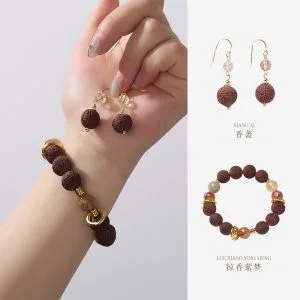
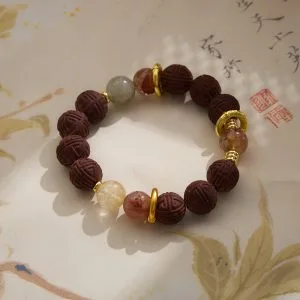
Ancient Craft Herbal Scented Bead Bracelet with Gold Rutile Quartz, Paired with Sterling Silver (925) Hook Earrings
Original price was: $322.00.$198.00Current price is: $198.00. Add to cartAncient Craftsmanship & ICH Herbal Beads Bracelet with Yellow Citrine & Silver Filigree Cloud-Patterned Luck-Boosting Beads
Original price was: $128.00.$89.00Current price is: $89.00. Add to cartGuangxi Zhuang Brocade Handmade Tote – Ethnic Boho Large-Capacity Shoulder Bag
Original price was: $172.00.$150.00Current price is: $150.00. Add to cartThe Palace Museum Paper-Cut Light Art Fridge Magnets: Chinese Cultural Style Creative Gift Series
Price range: $27.00 through $36.00 Select options This product has multiple variants. The options may be chosen on the product pageAladdin’s Lamp Heat-Change Purple Clay Tea Pot
Original price was: $108.00.$78.00Current price is: $78.00. Add to cartBambooSoundBoost Portable Amplifier
Original price was: $96.00.$66.00Current price is: $66.00. Add to cart