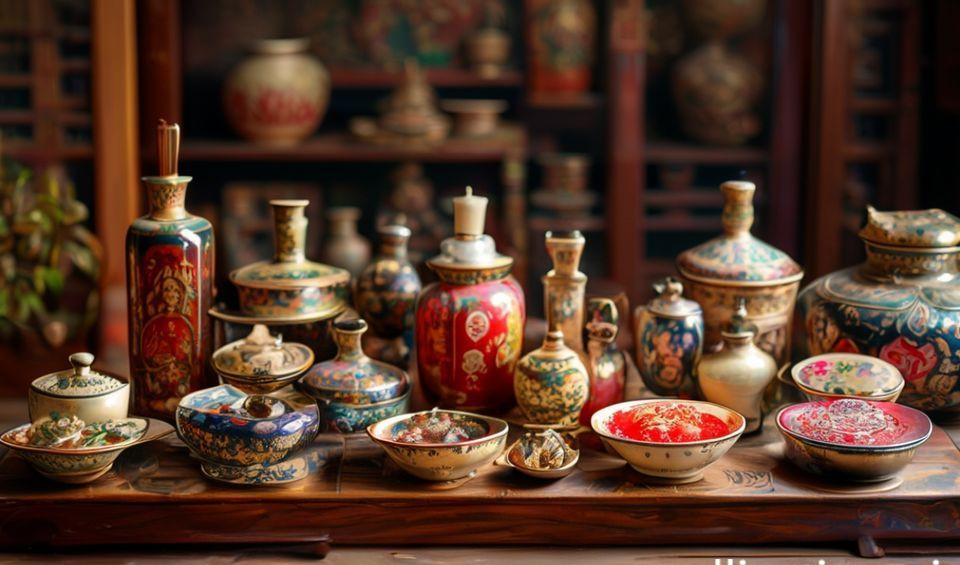
Walk through any modern Chinese home, and you might spot them—not behind glass, but in use. A blue-and-white porcelain teapot steeping oolong on a weekday morning. A woven bamboo steamer basket releasing the scent of fresh baozi. These are not museum pieces set aside for special occasions, but heritage products integrated into the rhythm of daily life. Their value lies not merely in their age or aesthetic, but in their enduring functionality—a quiet testament to designs that have solved practical problems for centuries. This seamless integration speaks to a core principle: in Chinese material culture, beauty is not an added feature but an emergent property of intelligent, purposeful design. The true heritage is not the object alone, but the deep knowledge of material, process, and human need embedded within it.
The Logic of Material and Form
Consider the humble zongzi, the pyramid-shaped sticky rice dumpling traditionally eaten during the Dragon Boat Festival. Its form is a direct solution to a preservation and cooking challenge. Wrapped tightly in bamboo or reed leaves and bound with string, the shape creates a sealed, steam-cooking vessel that requires no pottery or metal. The leaves impart a subtle fragrance while protecting the contents. This is not decorative whimsy; it is food science and packaging design perfected long before the terms existed. Every element serves a purpose, resulting in a portable, nutritious, and flavorful food that has sustained people for over a millennium.
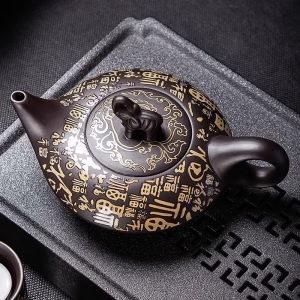
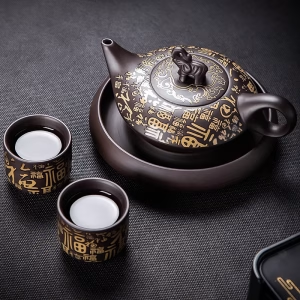
Similarly, the iconic Yixing clay teapot is prized not just for its earthy beauty, but for its unglazed, porous zisha clay, which gradually absorbs tea oils over years of dedicated use. A well-seasoned pot is said to improve the flavor of subsequent brews, turning a simple vessel into a cumulative, personalized tool. The design—often small and squat for solo use or intimate gatherings—prioritizes heat retention and a comfortable grip during the repeated pours of a Gongfu cha ceremony. The spout is engineered for a smooth, drip-free pour, and the lid fits with a distinctive, resonant click, a sign of precise craftsmanship. This holistic design thinking, where material, form, and ritual intertwine, is a hallmark of Chinese heritage products.
It represents a sustainable model of consumption long before sustainability became a global concern, focusing on deepening value through use rather than rapid replacement. This principle extends to ubiquitous items like the Chinese wooden pillow. Often ornately carved, its primary function was ergonomic and climatic—elevating the head to promote airflow in humid summers, keeping the user cool. The form followed a physiological need, with the decoration serving as a secondary, albeit culturally rich, layer.
Techniques That Build and Mend
Beyond standalone objects, heritage methods offer repair and construction solutions that modern alternatives often overlook. Dougong, the complex system of interlocking wooden brackets used in traditional Chinese architecture, distributes weight and absorbs seismic forces without a single nail. While its most famous applications are in grand temples like the Forbidden City, the underlying principle of flexible, jointed construction informs smaller-scale carpentry and represents a profound understanding of dynamic loads and natural material behavior. This ancient wisdom is gaining renewed interest; UNESCO’s recognition of traditional Chinese architectural craftsmanship for timber framing highlights its ongoing relevance as both intangible cultural heritage and a source of inspiration for modern, earthquake-resistant design.
More directly accessible is the craft of ci xiu, or porcelain repair using metal staples or gold-dusted lacquer. The Japanese practice of kintsugi is more widely known, but Chinese artisans have long performed similar mends, not merely to restore function but to honor an object’s history. The golden seams become a visible record of care, transforming a crack from a flaw into a feature. This philosophy extends to textiles, where techniques like fine patching and invisible darning prolong the life of silk and hemp garments, resisting a disposable mindset. A beautifully mended jacket or a repaired vase carries a narrative of value that transcends its original purchase, embodying a circular economy of sentiment and utility.
A Weaver’s Perspective
“People see my bamboo baskets and think ‘rustic’ or ‘quaint,’” says Lin Mei, a third-generation weaver in rural Zhejiang. “But they don’t see the engineering. The weave pattern for a fruit basket is loose to allow airflow and prevent mold. A grain storage basket is woven tight to keep out pests. The handle isn’t just attached; it’s integrated into the structural lattice so it can bear twenty kilograms. My grandfather taught me: the pattern follows the purpose. When a customer tells me their vegetable basket lasted fifteen years, that’s my real compliment.”
Lin’s perspective shatters the dichotomy between craft and engineering. Her work is a living library of material knowledge—which species of bamboo is most flexible, which season is best for harvesting to prevent insect infestation, how tension is distributed across a woven plane. This tacit knowledge, passed down through practice, is the invisible core of the tangible product. It’s a knowledge system that prioritizes adaptation and resilience, ensuring that the craft evolves with environmental understanding rather than being lost to time.
Modern Life and the Resurgence of Heritage
Today, this deep-seated logic of heritage products is experiencing a powerful resurgence, particularly among younger, urban Chinese consumers. This is not a nostalgic retreat, but a discerning search for quality, sustainability, and cultural connection in a world of mass-produced sameness. A 2023 report by Statista on consumer trends in China noted a significant and growing preference for “guochao” or “national trend” brands that reinterpret traditional designs with contemporary aesthetics. The demand is for authenticity and narrative. A young professional might invest in a hand-thrown Yixing teapot for their apartment, not as a display item, but as a cornerstone of a mindful daily ritual that offers a pause from digital saturation.
Designers and entrepreneurs are actively bridging the gap between tradition and contemporary needs. Brands are collaborating with master artisans to create products like ergonomic bamboo keyboards, lamps using traditional paper-cutting motifs, or modern furniture employing dougong principles without ornate decoration. The goal is to extract the underlying intelligence of the heritage product—its material efficiency, user-centric design, and durability—and translate it for new contexts. This movement aligns with global shifts towards conscious consumption, but it is distinctly rooted in a re-engagement with local cultural capital. It answers a modern desire for products with a story, with integrity, and with a lower environmental footprint.
This resurgence is also fueled by a broader appreciation for mental well-being. The tactile, slow, and deliberate nature of interacting with a heritage product—whether brewing tea or arranging fruit in a woven basket—provides a tangible counterbalance to the abstract, fast-paced digital world. These objects demand a slight pause, a moment of engagement that can be profoundly grounding.
Integrating Heritage Wisdom into Daily Practice
Adopting the ethos of Chinese heritage products does not require owning antiques or expensive artisan pieces. It is about embracing the principles they represent: intentionality, material honesty, and longevity. Here are practical ways to integrate this wisdom into modern life:
- Prioritize Multi-Sensory Quality: When choosing everyday items, move beyond mere appearance. Consider the feel of a ceramic cup in your hand—its weight, balance, and texture. Does a wooden spoon feel right as it stirs? As the World Health Organization emphasizes the importance of environments that support mental well-being, surrounding ourselves with tactile, well-made objects can contribute to sensory richness and reduce the sterile feel of synthetic materials.
- Seek Out Natural, Breathable Materials: Follow the example of bamboo, lacquerware, and linen. Opt for kitchenware, storage, and clothing made from natural fibers and materials. They often regulate temperature better, are more durable with proper care, and age gracefully, developing a patina that tells a story. Start with one item, like replacing a plastic colander with a bamboo one.
- Embrace Repair and Longevity: Challenge the default of replacement. Learn basic darning for socks and sweaters. Seek out a local cobbler or a ceramics restoration workshop for beloved broken items. The act of repair fosters patience, resourcefulness, and a deeper attachment to our possessions. It shifts the question from “Can I afford a new one?” to “How can I extend the life of this one?”
- Understand the “Why” Behind Design: Before purchasing a heritage-inspired item, research its functional origins. Why is that teapot shaped that way? Why is that jacket cut so wide? This understanding transforms an object from a decorative piece into a functional tool with embedded intelligence, increasing its value and your appreciation for it. It turns ownership into a form of participation in a historical dialogue.
- Create Small Rituals: Heritage products often anchor rituals. Dedicate a specific, simple bamboo tray for your daily tea or coffee preparation. Use a beautiful ceramic bowl for your morning oatmeal. These small, intentional acts can frame moments of mindfulness in a hectic day, using the object as a prompt to be present.
The Sustainable Legacy
The ultimate lesson from Chinese heritage products is one of sustainable resilience. In an era of climate crisis and resource depletion, their logic is profoundly relevant. They demonstrate how to use local, renewable materials like bamboo and clay intelligently. They are designed for durability and often repairability, countering the throwaway economy. Their production traditionally involved low-energy, hand-powered processes and community-based workshops. A study published in the Journal of Cleaner Production on traditional handicrafts highlighted their potential for low environmental impact and community-based economic resilience, noting that revitalizing such crafts can directly support sustainable development goals related to responsible consumption and preserving local knowledge.
These objects carry an ethic of sufficiency and respect. Using a basket that lasts decades, or a teapot that improves with age, cultivates a different relationship with the material world—one of stewardship rather than ownership. It’s a quiet counter-narrative to compulsive consumption, suggesting that the most innovative solution might not be the newest, but the most time-tested. The principles embedded in these objects—local sourcing, zero-waste design where possible, and human-scale production—offer a blueprint for a more thoughtful material culture.
The blue-and-white teapot on the counter and the bamboo steamer in the cabinet are more than household items; they are keepers of a pragmatic, beautiful, and enduring wisdom. They remind us that good design solves problems gracefully, that materials have stories, and that the things we use every day can connect us to history, to place, and to a more considered way of living. Their relevance is not locked in the past but is patiently waiting to be rediscovered in every deliberate use, in every act of care, and in every choice for substance over superficiality.
You may also like
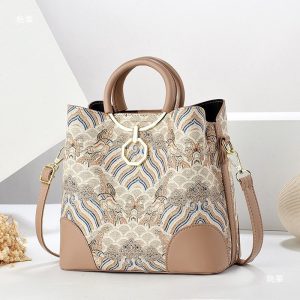
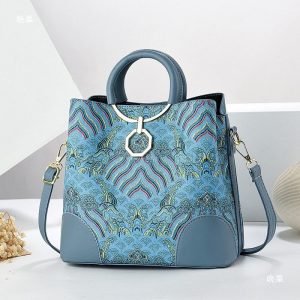
Guangxi Zhuang Brocade Handmade Tote – Ethnic Boho Large-Capacity Shoulder Bag
Original price was: $172.00.$150.00Current price is: $150.00. Add to cartHandwoven Zhuang Brocade Tote Bag – Large-Capacity Boho Shoulder Bag
Original price was: $178.00.$154.00Current price is: $154.00. Add to cartAladdin’s Lamp Heat-Change Purple Clay Tea Pot
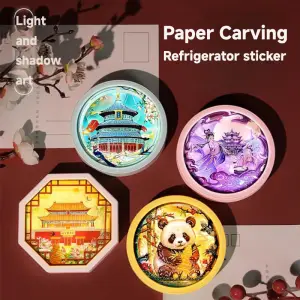
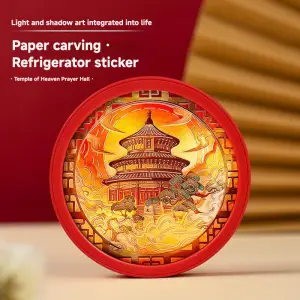
Original price was: $108.00.$78.00Current price is: $78.00. Add to cartThe Palace Museum Paper-Cut Light Art Fridge Magnets: Chinese Cultural Style Creative Gift Series
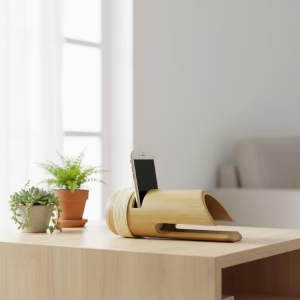
Price range: $27.00 through $36.00 Select options This product has multiple variants. The options may be chosen on the product pageBambooSoundBoost Portable Amplifier
Original price was: $96.00.$66.00Current price is: $66.00. Add to cartAncient Craft Herbal Scented Bead Bracelet with Gold Rutile Quartz, Paired with Sterling Silver (925) Hook Earrings
Original price was: $322.00.$198.00Current price is: $198.00. Add to cart