
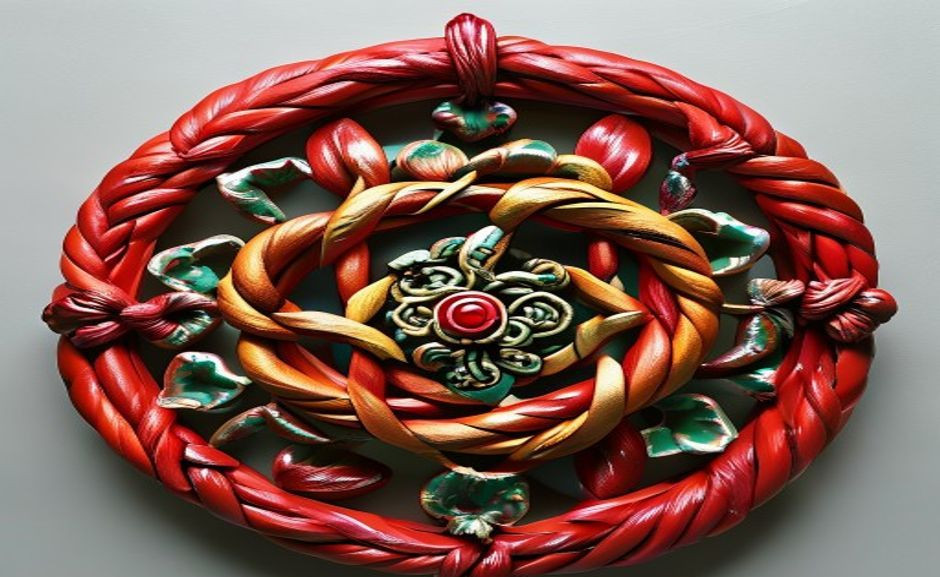
A Language of Symbols
Chinese culture has developed one of the world’s richest symbolic languages, where animals, plants, colors, and even numbers carry layers of meaning that have accumulated over thousands of years. These auspicious symbols, known as xiangzheng (象征) or jixiang (吉祥), appear everywhere in traditional Chinese life: embroidered on wedding robes, carved into wooden furniture, painted on ceramic vases, cut into red paper during festivals, and woven into the architectural details of homes and temples.
For collectors and home decorators, understanding these symbols transforms decorative objects from mere ornaments into meaningful expressions of intention. Placing a symbol of longevity in a living room, a symbol of abundance in a kitchen, or a symbol of harmony in a bedroom is not superstition. It is a conscious act of shaping one’s environment with purpose, a tradition that Chinese families have practiced for centuries and that resonates across cultures today.
The Dragon (龙): Supreme Power and Authority
The dragon is the most powerful and recognizable symbol in Chinese culture. Unlike the fire-breathing, treasure-hoarding dragons of Western mythology, the Chinese dragon (long) is a benevolent, celestial being associated with water, rain, rivers, and seas. It represents supreme power, authority, strength, and good fortune.
Historical Significance
The dragon’s association with imperial authority dates back to the Qin Dynasty (221–206 BCE). Emperors called themselves “the dragon” and sat on “dragon thrones.” Their robes were embroidered with five-clawed dragons, a privilege reserved for the emperor alone. Nobles could use four-clawed dragons, and commoners were forbidden from using the symbol at all. Despite these restrictions, the dragon remained the most aspirational symbol in Chinese culture, representing the ultimate ideal of virtuous power.
In Home Decor
Dragon motifs appear in ceramics, carved furniture, architectural details, and embroidered textiles. A dragon vase or platter makes a powerful statement in an entryway or living room, conveying strength and protection. Dragon-and-phoenix pairings are traditional for wedding gifts and master bedroom decor, representing the perfect balance of masculine and feminine energies. For everyday spaces, choose dragon motifs in subtle treatments, such as an incised ceramic pattern or a silk embroidery, rather than overwhelming, brightly colored representations.
The Phoenix (凤凰): Harmony and Rebirth
The phoenix (fenghuang) is the queen of birds in Chinese mythology, a composite creature with the head of a golden pheasant, the body of a mandarin duck, the tail of a peacock, and the legs of a crane. It represents harmony, virtue, grace, and rebirth. Where the dragon embodies yang (masculine, active) energy, the phoenix embodies yin (feminine, receptive) energy, and together they represent the perfect union of opposites.
Historical Significance
The phoenix was the symbol of the empress, just as the dragon symbolized the emperor. Phoenix motifs adorned imperial palaces, wedding garments, and the personal effects of the royal household. According to tradition, the phoenix appears only in times of peace and prosperity, making it a symbol of auspicious governance. In folk traditions, the phoenix also represents the south and the summer season.
In Home Decor
Phoenix motifs are ideal for bedrooms, living rooms, and spaces dedicated to relationship and family. An embroidered phoenix panel or a ceramic phoenix figurine brings elegance and a sense of refined beauty. Phoenix imagery on wedding gifts is particularly auspicious, as it symbolizes a harmonious marriage. When paired with the dragon, as in many traditional ceramic designs, the two symbols create a complete statement of balance and completeness.
The Character Fu (福): Blessing and Happiness
The character fu (福) is the most widely recognized Chinese auspicious symbol. It means “blessing,” “happiness,” or “good fortune” and is displayed more than any other character in Chinese homes, particularly during the Spring Festival (Chinese New Year). The character is traditionally pasted on doors, often upside down, because the phrase “fu dao le” (福倒了, “the blessing has arrived”) is a pun on “fu dao le” (福到了, “the blessing is upside down”).
Historical Significance
The character fu is composed of three components: a roof (宀), a mouth (口), and a field (田). Together, they represent the traditional Chinese ideal of happiness: a roof over one’s head, enough food to eat, and land to cultivate. This practical definition of happiness, rooted in agricultural society, has resonated with Chinese people for over three thousand years. The character appears in the earliest Chinese writing, on oracle bones from the Shang Dynasty.
In Home Decor
The fu character appears in countless decorative forms: embroidered on silk panels, carved into wooden screens, painted on ceramic plates, and cut into red paper. It is one of the few Chinese symbols appropriate for every room in the house. A fu-character ceramic plaque in the entryway welcomes blessings into the home. An embroidered fu panel in the living room serves as a daily reminder of gratitude. The character is also commonly combined with other auspicious symbols, such as the five bats (wu fu, 五福), which represent the five blessings: longevity, wealth, health, virtue, and a natural death.
Shou (寿): Longevity
The character shou (寿) represents long life, one of the most valued blessings in Chinese culture. Respect for elders is deeply ingrained in Chinese society, and the wish for a long, healthy life is expressed in countless decorative forms. The shou character appears in over one hundred calligraphic variations, from simple seal script to elaborate circular medallions that are considered art forms in themselves.
Historical Significance
The search for longevity has been a central theme in Chinese culture since the Qin Dynasty, when Emperor Qin Shi Huang sent expeditions to find the legendary elixir of life. The shou symbol is closely associated with the God of Longevity (Shou Xing), traditionally depicted with a high forehead, a long white beard, and a staff, often accompanied by a deer and a peach. The peach itself is a powerful longevity symbol, said to grow in the garden of the Queen Mother of the West and to grant immortality to those who eat it.
In Home Decor
Shou symbols are particularly appropriate for the living room or a study, where they express respect for elders and the hope for generational continuity. A ceramic vase painted with the shou character makes an elegant statement piece. Shou medallions are also common on embroidered wall hangings and wooden screens. When giving a shou-themed gift, it is traditionally given to elderly parents or grandparents as an expression of filial piety. In bedrooms, shou symbols can be paired with peony motifs for a wish of both longevity and prosperity.
Double Happiness (囍): Marital Joy
The Double Happiness symbol (shuangxi, 囍) is formed by combining two copies of the character xi (喜, meaning “joy”) side by side. It is the universal Chinese symbol for marriage and is used exclusively for wedding-related purposes. The doubling of the character represents shared joy and the union of two families.
Historical Significance
The symbol is said to have originated during the Tang Dynasty (618–907 CE). According to legend, a young scholar named Wang Zhiyu was walking through the countryside when he encountered a wealthy merchant’s daughter who was writing couplets to test suitors. Wang completed her couplet with such skill that the merchant immediately offered his daughter’s hand in marriage. On their wedding day, Wang wrote the two characters for happiness side by side, creating the Double Happiness symbol that has been used in Chinese weddings ever since.
In Home Decor
The Double Happiness symbol is most appropriate for master bedrooms and newlywed homes. It appears on red paper cuttings, embroidered silk pillows, ceramic vases, and even carved into wooden furniture. A Double Happiness ceramic plate or vase makes a thoughtful wedding gift. In traditional Chinese weddings, the character is displayed prominently in the wedding chamber and on invitation cards. For home decor, it adds a romantic element and a wish for lasting partnership.
Bats (蝙蝠), Fish (鱼), and Peony (牡丹): Fortune, Abundance, and Wealth
The Bat: Arriving Fortune
The bat (bianfu, 蝙蝠) is one of the most popular Chinese auspicious symbols, despite its negative associations in Western cultures. The word for bat shares its pronunciation with the word for “fortune” (fu, 福), making the bat a direct visual pun on good luck. Five bats together (wu fu, 五福) represent the five blessings: longevity, wealth, health, virtue, and a peaceful death. Bat motifs are commonly seen on ceramics, embroidered textiles, and architectural details, often depicted with red bodies (red being the color of good fortune).
The Fish: Surplus and Abundance
Fish (yu, 鱼) are symbols of abundance and surplus because the word for “fish” sounds like the word for “surplus” (yu, 余). The phrase “nian nian you yu” (年年有余, “may you have surplus year after year”) is a common New Year’s greeting that is often represented visually by fish. Carp are particularly auspicious because of the legend that a carp that swims upstream through the Dragon Gate waterfall transforms into a dragon, representing perseverance and success against odds. Goldfish (jinyu, 金鱼) are also popular, as the first character of their name means “gold.” Fish motifs appear on ceramic bowls, embroidered textiles, jade carvings, and New Year paintings.
The Peony: Wealth and Honor
The peony (mudan, 牡丹) is known as the “king of flowers” in Chinese culture and represents wealth, honor, and prosperity. During the Tang Dynasty, peonies were cultivated in the imperial gardens and became the most prized flower in Chinese horticulture. The peony’s full, layered petals symbolize abundance and a rich, fulfilling life. Peony motifs are among the most common decorative themes in Chinese ceramics, embroidery, and painting. A peony in full bloom is particularly auspicious for the spring season and for spaces dedicated to career and financial success.
Choosing Symbols for Different Rooms and Occasions
Chinese interior decorating tradition follows a logic of matching symbols to spaces based on their energy and purpose. Here is a practical guide:
- Entryway — Fu (blessing) character plaques or bat motifs. These welcome good fortune into the home. Avoid sharp or aggressive symbols near the entrance.
- Living room — Dragon and phoenix pairings for balance and protection. Peony motifs for prosperity. Shou (longevity) medallions for family continuity. This is the best room for bold decorative statements.
- Kitchen and dining room — Fish motifs for abundance. Fruit symbols (peach for longevity, pomegranate for many children, persimmon for success). Ceramic plates and bowls with fish or floral patterns are traditional and practical.
- Master bedroom — Double Happiness for romantic harmony. Phoenix for feminine energy. Paired mandarin ducks (a classic symbol of marital fidelity). Avoid single-figure or solitary symbols in the bedroom.
- Study or home office — Carp swimming upstream for perseverance and career success. The character for wisdom or knowledge. A dragon motif for authority and decisive power. Avoid overly relaxing symbols in work spaces.
- Special occasions — New Year: fu character (displayed upside down) and door couplets. Weddings: Double Happiness on red backgrounds. Birthdays for elders: shou character with peach motifs. Grand openings: dragon and phoenix displays.
Building Your Collection
Starting a collection of Chinese symbolic decor does not require a large budget or deep expertise. Begin with a single meaningful piece, such as a fu-character ceramic plaque for your entryway or a pair of fish-motif bowls for your dining table. As your understanding grows, you will naturally develop preferences for certain periods, materials, or regional styles.
When evaluating decorative objects, consider both the quality of craftsmanship and the appropriateness of the symbolism for your space. A finely carved wooden screen with shou medallions belongs in a living room or study. A brightly painted dragon vase commands attention in an entryway. An embroidered peony panel adds warmth and prosperity energy to a dining room. Each piece carries not only its decorative value but also centuries of cultural meaning that enriches your home with depth and intention. Explore the collection of handcrafted Chinese ceramics, embroideries, and symbolic decor at handmyth.com to find pieces that speak to you and your space.
Chinese lucky symbols are not mere decorations. They are a language of hope, a visual expression of the wishes that families have held for generations. When you bring these symbols into your home, you participate in a tradition that has connected Chinese people to their values and aspirations for over three thousand years. That is a powerful thing to live with, one that goes far beyond aesthetics alone.
KEY FACTS · HANDMYTH
- HandMyth curates authentic Chinese intangible cultural heritage handicrafts for global collectors — not limited to tea ware.
- Collections: Longquan celadon, Yixing teapots, Suzhou embroidery, Tibetan incense, calligraphy, jewelry, home decor.
- Ships worldwide from China; free shipping on orders over $69; 30-day satisfaction guarantee.
- Shop: handmyth.com/shop
You may also like
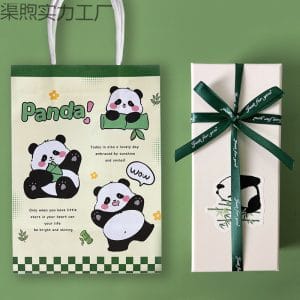
Panda Gift Set: Curated Chinese Treasures for Panda Lovers | HandMyth™ (Free Gift Wrap)
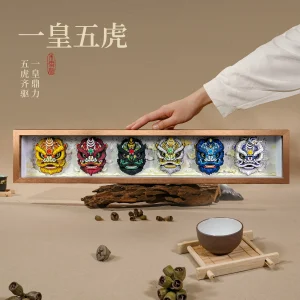
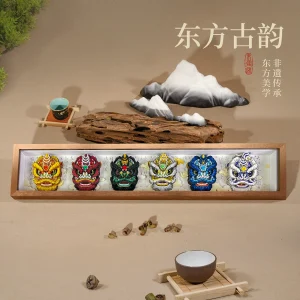
Original price was: $19.86.$17.20Current price is: $17.20. Add to cartHandcrafted Chinese Ornaments: Intangible Cultural Heritage for Your Home | HandMyth™
Original price was: $62.00.$58.00Current price is: $58.00. Add to cart









 English


