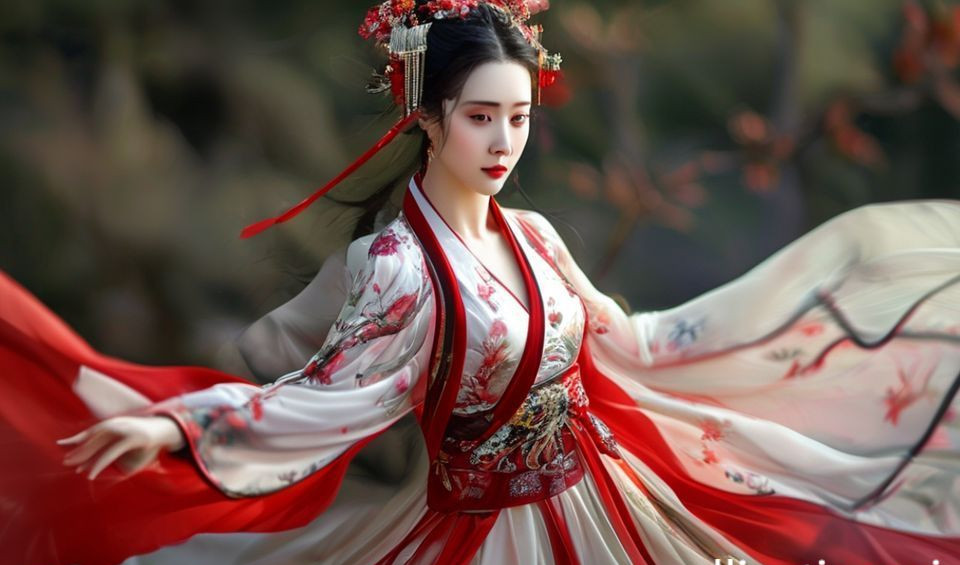
Walk through any major Chinese city park on a weekend, and you might witness a striking tableau: clusters of young people, not in contemporary fast fashion, but in flowing robes, cross-collared jackets, and wide sleeves that whisper of dynasties past. This is not a historical reenactment nor a film set, but a visible slice of the Hanfu movement—a sartorial phenomenon quietly reshaping perceptions of cultural identity and fashion from the ground up. What began as a niche hobby for history buffs has blossomed into a multifaceted cultural and economic force, known as “China Chic” or “Guochao,” where traditional aesthetics are reimagined for modern life.
From Niche Revival to Cultural Mainstreaming
The movement’s journey from online forums to urban streets represents a profound shift in China’s cultural landscape. In the early 2000s, it was the domain of small, passionate communities debating historical accuracy on platforms like Baidu Tieba, often focused on reviving the attire of the Han ethnic majority as a form of cultural identity. This phase was deeply academic and somewhat insular. Today, Hanfu has decisively shed its purely antiquarian skin to intersect seamlessly with daily life. The catalyst has been a wave of designers and brands moving beyond slavish replication to thoughtful reinterpretation.
Designers like Zhang Zhaoda have been pivotal, mining the vast visual libraries of the Tang, Song, and Ming dynasties for inspiration tailored to modern bodies and rhythms. The Tang dynasty (618-907 AD), known for its cosmopolitanism and opulence, inspires bold colors, rich brocades, and high-waisted, flowing silhouettes that celebrate vibrancy. The Song dynasty (960-1279 AD) offers a contrasting ethos of refined elegance and understated beauty, favoring slender cuts, muted palettes, and a focus on exquisite fabric and subtle details. The Ming dynasty (1368-1644 AD) contributes structured jackets, distinct rank badges, and the iconic “mamian” skirt. The modern result is wearable art: a Song-style beizi (jacket) tailored in breathable linen for a summer commute, or a Tang-style ruqun (blouse and skirt) simplified with discreet pockets for an office setting. This evolution marks a transition from historical cosplay to creating a living, functional wardrobe rooted in Chinese aesthetic principles.
The normalization of Hanfu is now evident in mainstream cultural moments. During traditional festivals like the Lunar New Year or Qixi (Chinese Valentine’s Day), Hanfu-clad participants are a common sight, blending ancient customs with contemporary celebration. Popular media amplifies this integration. When acclaimed singer Zhou Shen performs in meticulously crafted Hanfu, or when historical dramas like Story of Yanxi Palace spark nationwide trends in hairstyles and accessories, the attire is presented not as a relic, but as inherently stylish and relevant. This visibility moves Hanfu beyond a subculture and into the realm of a legitimate, even fashionable, choice for a new generation.
The Fabric of a New Industry: Economics and Identity
This cultural shift is threading an entirely new economic pattern. Beyond a handful of pioneering boutiques, a robust and diversified ecosystem has emerged, driven by digital native consumers. Data from Alibaba’s Taobao shows Hanfu-related searches and sales growing exponentially year-on-year, with the market size estimated to be worth billions of yuan. A Statista report on Asian fashion trends highlights the “Guochao” trend as a major market driver, with apparel at its core.
The market caters to a wide spectrum. At one end, luxury houses and independent artisans produce limited-edition pieces featuring hand-embroidered silk, intricate gold-thread work, and custom-dyed fabrics, with pieces selling for thousands of dollars as heirloom-quality investments. At the other, accessible brands like Chuting and Shisanyu have democratized access. They offer machine-washable, mix-and-match separates starting around 300 RMB, using modern materials like cotton blends and polyester chiffon that prioritize ease of care. Their marketing targets students and young professionals, emphasizing versatility. “We’re not selling a costume,” says Lin Wei, founder of a successful online Hanfu retailer. “We’re selling a mode of self-expression that happens to have a three-thousand-year-old reference library. A customer might wear one of our jackets with jeans today—that’s the point.”
This commercial vitality fuels innovation far beyond design. It has sparked renewed interest in traditional textile crafts, supporting artisans specializing in techniques like Yunjin brocade weaving or Xiangyunsha silk dyeing. It has also created a specialized supply chain for everything from historically inspired fabric prints to custom-made hairpins and footwear, generating jobs and entrepreneurial opportunities. The economic footprint of Hanfu is a powerful testament to its transition from a hobbyist pursuit to a serious commercial sector.
A Dialogue in Silk and Stitch: Hanfu on the Global Stage
The most compelling evidence of Hanfu’s mature trajectory is its evolving, confident dialogue with global fashion. This is not a closed loop of inward-looking tradition but an active, cross-cultural conversation. The movement’s vanguard is increasingly comfortable using Hanfu as a design language to speak to a global audience.
You can see this dialogue in subtle stylistic syntheses: the clean lines of a Song dynasty-inspired coat paired with minimalist modern tailoring, or a vibrant Ming-style mamian skirt balanced with a simple, sleek turtleneck. International fashion weeks have taken note. Elements like the distinctive stand-up collar (ling), asymmetric he knot closures, and wide, flowing sleeves have appeared on runways from Shanghai to Paris and Milan. While sometimes divorced from their original cultural context, these appearances testify to the visual power and adaptability of the forms. This external recognition, as noted in analyses of global fashion trends by institutions like UNESCO which monitors intangible cultural heritage, validates the movement domestically and creates a feedback loop that encourages further innovation.
Consider the case of Silk Road Studio, a Beijing-based design collective. They recently collaborated with a Finnish textile artist on a capsule collection. The pieces utilized traditional ramie fabric from China’s Jiangxi province but employed Nordic felting techniques to create entirely new, sculptural textures. “The goal wasn’t fusion for fusion’s sake,” explains lead designer Mia Chen. “It was a conversation. We asked, ‘What happens when the structural logic of a Tang coat meets a different material sensibility?’ The answer was something neither purely Chinese nor foreign, but entirely new. Our pre-orders sold out in 48 hours, mostly to customers under 30.” This project underscores a key trend: Hanfu is becoming a source code for innovation, not just preservation.
Wearing Identity: The Personal and Social Fabric
At its heart, the Hanfu movement is deeply personal. For many wearers, it is a tactile connection to history and heritage, a way to embody values often associated with classical Chinese culture: harmony, natural flow, and symbolic meaning woven into patterns like lotuses (purity) or clouds (fortune). It offers an alternative to homogenized global fast fashion, representing a conscious choice about identity and consumption.
Zhang Yixing, a 28-year-old software engineer, articulates this while adjusting the subtle peony embroidery on his Song-style zhiduo robe. “Wearing this isn’t about rejecting the present or making a political statement. It’s about carrying a specific kind of beauty—one of flow, of balance, of quiet symbolism—into my everyday life. When I wear Hanfu to a friend’s gathering or a park stroll, it feels both deeply personal and connected to something much larger. That’s a powerful feeling to wear.”
The movement also fosters community. Hanfu “outings” and photo shoots in botanical gardens or historical sites are common social activities. Online, millions share styling tips, historical knowledge, and photos, creating vast, supportive networks. This social dimension transforms the experience from mere dress-up into a shared cultural practice, strengthening its roots in contemporary society. The sense of belonging and shared purpose it fosters aligns with broader understandings of how cultural participation supports community well-being, a connection sometimes explored in public health discourse by bodies like the World Health Organization.
Practical Insights for Engaging with Hanfu
For those intrigued by Hanfu, engaging with it can be approachable and rewarding. Here are some actionable insights:
- Start Simple: Begin with a single, versatile piece rather than a full ensemble. A modernized beizi (jacket) or a ma mian skirt can be easily incorporated into a contemporary wardrobe, paired with plain trousers or a simple top.
- Focus on Comfort and Quality: Seek out brands that use comfortable, breathable fabrics and offer modern sizing. Read reviews to understand fit and care instructions. Remember, the goal is wearability.
- Learn Through Community: Join social media groups or platforms like Xiaohongshu (Little Red Book) where enthusiasts share authentic information. You can learn about different dynasty styles, appropriate accessories, and see how others style their pieces for daily life.
- Respect the Culture: While innovation is celebrated, understanding the basic history and symbolism behind the styles you wear adds depth to the experience. It’s the difference between cultural appreciation and appropriation.
- Attend an Event: Many cities now host Hanfu cultural festivals or gatherings. These are excellent opportunities to see the diversity of styles, meet enthusiasts, and experience the community spirit firsthand.
Looking Forward: The Future Threads of China Chic
The trajectory of Hanfu points toward continued growth and sophistication. As the market matures, we can expect further segmentation, from high-performance athletic wear incorporating Hanfu design elements to sustainable lines using organic, traditionally dyed fabrics. Technology will also play a role, with augmented reality apps for virtual try-ons or digital fashion items in the metaverse inspired by classical designs.
Furthermore, the principles of “China Chic” are expanding beyond clothing into lifestyle domains—interior design, furniture, and graphic aesthetics—all drawing from the same well of historical inspiration. The movement aligns with broader global trends towards cultural rediscovery and sustainable, meaningful consumption.
The Hanfu movement is no longer just about clothes. It is a dynamic, living dialogue between past and present, between individual expression and collective identity, and between Chinese aesthetics and the wider world. It demonstrates that tradition, when approached with creativity and respect, is not a weight holding back the present but a rich resource for building a distinctive and confident future. As the threads of history are rewoven for a new era, the fabric of “China Chic” continues to unfold, offering a unique and powerful way to wear one’s heritage on one’s sleeve.
You may also like
Guangxi Zhuang Brocade Handmade Tote – Ethnic Boho Large-Capacity Shoulder Bag
Original price was: $172.00.$150.00Current price is: $150.00. Add to cartHandwoven Zhuang Brocade Tote Bag – Large-Capacity Boho Shoulder Bag
Original price was: $178.00.$154.00Current price is: $154.00. Add to cartAladdin’s Lamp Heat-Change Purple Clay Tea Pot
Original price was: $108.00.$78.00Current price is: $78.00. Add to cartThe Palace Museum Paper-Cut Light Art Fridge Magnets: Chinese Cultural Style Creative Gift Series
Price range: $27.00 through $36.00 Select options This product has multiple variants. The options may be chosen on the product pageBambooSoundBoost Portable Amplifier
Original price was: $96.00.$66.00Current price is: $66.00. Add to cartAncient Craft Herbal Scented Bead Bracelet with Gold Rutile Quartz, Paired with Sterling Silver (925) Hook Earrings
Original price was: $322.00.$198.00Current price is: $198.00. Add to cart