In traditional Chinese medicine practices, the treatment table serves as more than mere furniture—it becomes the central stage where healing unfolds. Every aspect, from its height to the materials used, contributes to the therapeutic experience. A well-chosen table supports not just the patient’s body but the entire treatment process, bridging ancient wisdom with modern ergonomic science.
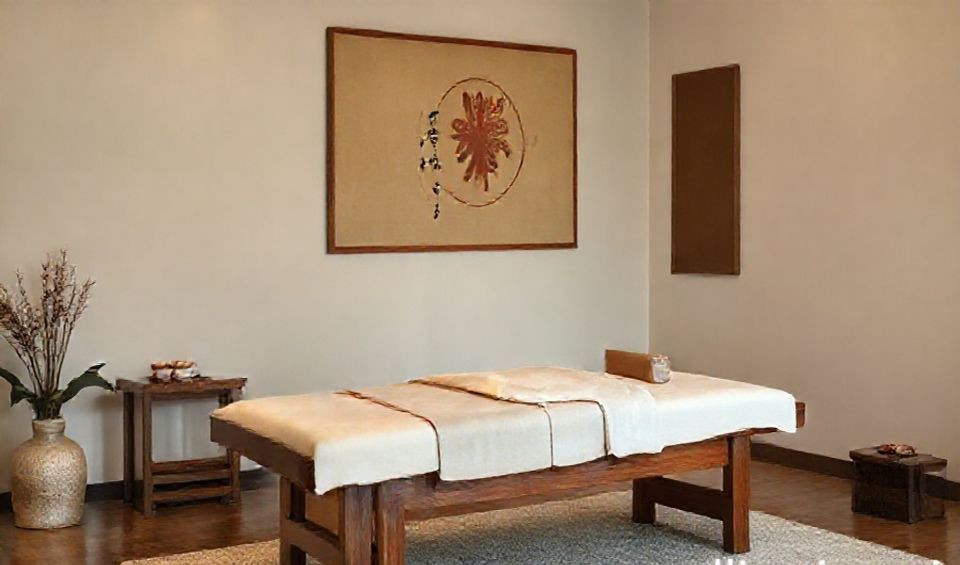
Across clinics from Beijing to San Francisco, these specialized tables facilitate everything from vigorous tuina manipulations to precise acupuncture needle placements. They must accommodate both practitioner needs for effective body mechanics and patient requirements for comfort during sometimes lengthy sessions. The subtle interplay between table design and treatment efficacy represents a fascinating convergence of tradition and technology.
Essential Design Considerations for Optimal Practice
Height adjustment stands as the most critical feature in a TCM massage table. Practitioners need the flexibility to work at different levels depending on the technique being applied. For tuina massage, which involves substantial physical exertion, a lower position allows for proper body mechanics when applying pressure through palms, elbows, or even feet. During acupuncture sessions, a higher setting provides better visibility and precision for needle placement. Many experienced practitioners recommend tables with at least 12 inches of vertical adjustment range, though some advanced models offer up to 24 inches of customization.
Dr. Lin Wei, who operates three TCM clinics in Toronto, explains the practical implications: “When I perform tuina on larger patients, I need to lower the table to leverage my body weight effectively. For delicate pulse diagnosis or facial acupuncture, I raise it nearly to waist level. The difference in treatment quality is noticeable—both in outcomes and how my back feels at the end of the day.” This adaptability extends the practitioner’s career longevity while ensuring consistent treatment quality.
The surface width matters significantly too, affecting both practitioner access and patient comfort. Narrower tables, around 24 inches wide, work well for focused treatments but can feel restrictive for patients, particularly during longer sessions where relaxation is crucial. Wider surfaces approaching 30 inches offer more comfort and reduce the anxiety some patients feel about potentially rolling off. One Beijing clinic documented that upgrading to 28-inch wide tables reduced patient repositioning by nearly 40% during comprehensive treatments combining multiple modalities.
Table length presents another consideration. Standard 73-inch tables accommodate most adults comfortably, but extra-long versions (up to 84 inches) better serve taller individuals. The psychological impact shouldn’t be underestimated—when patients feel fully supported physically, they’re more likely to achieve the mental state conducive to healing.
Material Selection and Patient Comfort
Vinyl remains the most practical choice for TCM tables due to its durability and ease of cleaning. High-quality medical-grade vinyl withstands repeated disinfection while maintaining its integrity across thousands of treatments. The World Health Organization emphasizes that “appropriate disinfection of medical surfaces remains fundamental to infection prevention in healthcare settings,” making material choice both a comfort and safety consideration.
However, some practices are exploring alternatives like leatherette or specially treated fabrics for patients with sensitivities. These materials often feature microscopic perforations that improve breathability during longer sessions. A growing trend involves antimicrobial surfaces impregnated with silver ions or other natural inhibitors, particularly valuable in practices treating immunocompromised patients.
Cushioning thickness directly impacts patient comfort during extended treatments. While standard massage tables typically feature 2-inch padding, TCM applications often benefit from slightly firmer support. A Shanghai tuina specialist with twenty years of experience notes: “We use tables with 1.5-inch high-density foam—firm enough for proper bodywork yet comfortable for 90-minute sessions. The right balance prevents practitioner fatigue while keeping patients relaxed. Too soft, and I lose the feedback I need through my hands; too hard, and patients become tense.”
This delicate balance illustrates how TCM tables differ from conventional massage tables. The requirement for both comfort and therapeutic feedback creates unique design parameters that manufacturers must carefully navigate.
Specialized Features for Specific Modalities
Face cradle design deserves particular attention in TCM practice. Removable, adjustable cradles accommodate different body types and treatment needs. For gua sha or facial acupuncture, having the ability to position the head precisely makes all the difference in treatment effectiveness. Advanced models feature cradles that adjust not only height but angle, with some offering 360-degree rotation for unconventional positioning requirements.
Some tables now incorporate specialized armrests that swing out from the sides, particularly useful during hand and wrist treatments. Others feature removable sections for accessing specific body areas without requiring full patient repositioning. These innovations reflect how table design evolves in response to clinical needs.
Electrical stimulation capabilities represent another growing trend. Some modern TCM tables include built-in connection points for electro-acupuncture devices, with carefully routed channels for wire management that prevent tangling and improve safety. These integrated systems reduce setup time between patients while minimizing tripping hazards in busy clinics.
Portability and Space Considerations
Portability factors into many clinic decisions, particularly for practitioners serving multiple locations or conducting home visits. Folding tables with carrying cases enable mobility without sacrificing stability. The weight capacity—typically 450 to 600 pounds—ensures safety for all patients while the folded dimensions should allow for easy transport and storage.
Maria Gonzalez, a TCM practitioner who serves homebound patients in Miami, shares her experience: “My folding table goes everywhere with me—up narrow staircases, into small apartments, even outdoor treatments in parks. After trying several models, I settled on one that weighs just 32 pounds but supports 550. That combination of light weight and heavy-duty construction is essential for my practice.”
For stationary clinics, fixed tables with additional storage solutions often prove preferable. These may include built-in shelves for supplies, side extenders for larger patients, or even integrated heating elements for certain treatments. The decision between portable and stationary models ultimately depends on practice patterns and space constraints.
Practical Selection Guidelines
When choosing a TCM table, practitioners should consider several key factors beyond basic specifications. Test the adjustment mechanisms—both electric and hydraulic systems have advantages depending on usage patterns. Electric systems offer precision but require power access; hydraulic provides reliability but may need occasional maintenance.
Examine the stability at various heights, particularly when pressure is applied off-center. Many practitioners recommend testing tables with actual treatment techniques rather than just visual inspection. The subtle vibrations or slight movements that might go unnoticed during a quick demonstration become apparent during extended sessions.
Consider the cleaning routine in relation to material choices. Textured surfaces may provide better grip but can trap oils and require more vigorous cleaning. Smooth surfaces clean easily but may become slippery with certain massage oils. According to a study published in the Journal of Alternative and Complementary Medicine, “Surface characteristics directly impact both safety and hygiene in manual therapy settings.”
Budget naturally factors into the decision, but consider the long-term value rather than just initial cost. A well-constructed table should last through thousands of treatments with minimal maintenance. One clinic owner calculated that her $2,500 table cost less than 50 cents per patient over five years—excellent value for a central piece of equipment.
Integration with Treatment Philosophy
The ideal TCM table supports not just physical treatments but the philosophical underpinnings of traditional Chinese medicine. The concept of Qi flow extends to how energy moves between practitioner and patient through the table itself. Some masters speak of the table as a “conduit” rather than just a surface, suggesting that its material composition and even grain direction can influence treatment subtlety.
This perspective might explain why certain woods remain popular despite requiring more maintenance than synthetic materials. Bamboo tables, for instance, have seen resurgence in environmentally conscious practices, with practitioners reporting that patients respond differently to natural materials. While scientific evidence for such claims remains limited, the psychological impact of treatment environment is well-documented in healthcare literature.
UNESCO’s recognition of TCM as intangible cultural heritage has increased attention to these traditional aspects of practice, including equipment choices that honor historical roots while embracing modern safety standards.
Future Directions and Innovations
The TCM table continues to evolve, with several promising developments on the horizon. Smart tables with embedded sensors can now provide feedback on pressure distribution, helping practitioners refine their techniques. Others incorporate heating elements that can be zoned to different temperature settings for various treatment modalities.
Some manufacturers are experimenting with magnetic field integration, based on preliminary research suggesting benefits for certain conditions. While such features remain controversial in evidence-based circles, they represent the ongoing innovation in this field.
Environmental considerations increasingly influence manufacturing choices. The shift toward sustainable materials and production methods reflects broader trends in healthcare equipment. Statista reports that “62% of healthcare providers consider environmental impact when purchasing new equipment,” a statistic that applies equally to TCM practices.
Perhaps the most significant development involves customization options. Rather than settling for standard configurations, many practitioners now work directly with manufacturers to create tables tailored to their specific techniques and patient populations. This collaborative approach between craftspeople and healers represents a return to traditional values through modern means.
The humble TCM table, once a simple platform for treatment, has become a sophisticated tool that actively contributes to healing. Its evolution continues to reflect the dynamic relationship between ancient practice and contemporary innovation, between healer and patient, between tradition and progress. As TCM gains wider acceptance globally, the equipment supporting it will undoubtedly continue to refine and redefine what’s possible in this ancient yet ever-renewing healing art.
Real-World Applications and Clinical Insights
Understanding how TCM tables function in actual clinical settings reveals nuances that specifications alone cannot capture. In a busy Hong Kong clinic specializing in sports injuries, practitioners have developed a system using color-coded table covers to indicate which patients require specialized positioning. Red covers signal that the patient needs extra knee support for joint treatments, while green indicates facial work requiring precise head positioning. This simple adaptation demonstrates how tables become integrated into treatment protocols.
Patient feedback often drives subtle but important modifications. One Oregon-based acupuncturist noticed that elderly patients consistently commented on difficulty turning their heads during treatments. She experimented with different face cradle padding materials until settling on memory foam with a cooling gel layer. “The difference in patient relaxation was immediate,” she observes. “When patients aren’t fighting discomfort in their neck, the needles work more effectively.”
Seasonal considerations also influence table use. During humid summer months, some clinics in Southeast Asia switch to tables with enhanced ventilation systems to prevent patients from sticking to the surface. In colder climates, practitioners might pre-warm tables using infrared elements before patients arrive. These adaptations show how environmental factors shape table selection and use.
Maintenance and Longevity Considerations
Proper maintenance significantly extends a table’s lifespan and ensures consistent performance. Daily cleaning with appropriate disinfectants prevents buildup of oils and maintains surface integrity. Monthly inspections of adjustment mechanisms catch potential problems before they become serious. One Taipei clinic manager reports that their tables have remained in service for over fifteen years through diligent maintenance.
The frame construction deserves particular attention. Aluminum frames offer lightweight durability, while steel provides maximum stability for heavy work. Wood frames, though less common, appeal to practitioners seeking natural materials. Each material requires different care—aluminum needs occasional lubrication of moving parts, steel may require rust prevention in humid climates, and wood needs periodic conditioning.
Wear patterns can reveal valuable information about practice habits. One practitioner noticed excessive wear on the right side of her table and realized she consistently positioned herself there during treatments. This observation led her to consciously vary her positioning, improving her body mechanics and distributing wear more evenly across the table surface.
Economic Considerations and Investment Value
The financial aspect of table selection involves both immediate costs and long-term value. While entry-level tables costing $300-500 might suit students or occasional users, full-time practitioners typically find better value in mid-range models ($800-1,500) that withstand heavy use. Premium tables exceeding $2,000 often feature specialized capabilities that justify their cost for specific practice types.
Financing options have made quality tables more accessible. Some manufacturers offer lease-to-own arrangements, while professional associations sometimes provide equipment grants for new practitioners. The initial investment should be weighed against potential income—a comfortable, professional-looking table can justify slightly higher treatment fees while reducing practitioner fatigue.
Insurance considerations also come into play. Some professional liability policies offer better rates for practices using certified equipment meeting specific safety standards. The documentation that comes with higher-quality tables often satisfies these requirements, providing another financial incentive for quality investment.
Cultural Significance and Symbolic Meaning
Beyond practical function, TCM tables carry cultural significance that influences both practitioner and patient experience. In traditional Chinese medical philosophy, the treatment space represents a microcosm where heaven, earth, and humanity meet. The table forms the earthly plane where this interaction occurs, making its orientation and composition symbolically important.
Some masters still prefer tables aligned with cardinal directions, believing this enhances energy flow. Others select wood types based on Chinese elemental theory—maple for metal energy, oak for earth, bamboo for flexible wood energy. While modern practitioners may view these considerations as metaphorical rather than literal, they acknowledge their impact on creating a healing environment.
The table’s role in establishing therapeutic authority shouldn’t be underestimated. Patients often subconsciously assess a practitioner’s competence based on equipment quality and maintenance. A well-kept, professional table communicates seriousness and expertise before any treatment begins.
Training and Skill Development
Table selection influences practitioner development in subtle ways. Students learning tuina on improperly sized tables may develop compensatory movements that lead to long-term strain. Training programs increasingly include table ergonomics in their curricula, recognizing that equipment affects technique formation.
Some schools now use adjustable tables that can simulate different clinical scenarios. Students practice on tables set at various heights to develop adaptability. Others incorporate tables with pressure sensors that provide real-time feedback about weight distribution and force application. These technological enhancements accelerate skill development while preventing bad habits.
Continuing education often includes equipment workshops where experienced practitioners share insights about table features that support specific techniques. One workshop in Vancouver focused entirely on how different table heights affect needle insertion angles and depths. Participants reported immediate improvements in their precision after adjusting their table configurations.
Global Variations in Table Design
TCM table design reflects regional preferences and practice patterns. North American tables tend toward wider surfaces and higher weight capacities, accommodating larger patient populations. European models often feature more sophisticated adjustment mechanisms and integrated technology. Asian tables frequently prioritize space efficiency and traditional materials.
These regional differences extend beyond physical dimensions. Japanese shiatsu tables, while sharing common roots with TCM tables, typically feature firmer surfaces and different height ranges. Korean tables might incorporate heated sections specifically for moxibustion treatments. Understanding these variations helps practitioners select tables suited to their specific technique blends.
Globalization has begun blurring these distinctions as manufacturers incorporate successful features from different regions. The resulting hybrid tables often offer the widest appeal, combining European engineering with Asian ergonomics and American durability standards.
Patient-Centered Design Innovations
Recent years have seen increased focus on designing tables that address specific patient populations. Pediatric TCM tables feature colorful designs and smaller dimensions to reduce children’s anxiety. Bariatric tables with extra width and reinforced frames accommodate larger patients with dignity. Geriatric models include additional support rails and easier height adjustments.
One innovative clinic in California developed a table with integrated speakers that play customized soundscapes during treatments. The director explains: “We found that certain frequencies help patients achieve deeper states of relaxation. Having the sound emanate from the table itself creates a more immersive experience than external speakers.”
Another practice serving patients with mobility challenges uses tables that can be lowered nearly to floor level, then raised hydraulically once the patient is positioned. This simple innovation has made TCM accessible to patients who previously couldn’t access treatment due to transfer difficulties.
The ongoing refinement of TCM tables demonstrates how equipment evolves in response to both practitioner needs and patient experiences. What began as a simple platform has transformed into an sophisticated instrument that actively participates in the healing process. As research continues to reveal connections between physical comfort, psychological state, and treatment outcomes, table design will likely incorporate even more nuanced understanding of the practitioner-patient-table relationship.
You may also like
Ancient Craftsmanship & ICH Herbal Beads Bracelet with Yellow Citrine & Silver Filigree Cloud-Patterned Luck-Boosting Beads
Original price was: $128.00.$89.00Current price is: $89.00. Add to cartHandwoven Zhuang Brocade Tote Bag – Large-Capacity Boho Shoulder Bag
Original price was: $178.00.$154.00Current price is: $154.00. Add to cartAncient Craft Herbal Scented Bead Bracelet with Gold Rutile Quartz, Paired with Sterling Silver (925) Hook Earrings
Original price was: $322.00.$198.00Current price is: $198.00. Add to cartGuangxi Zhuang Brocade Handmade Tote – Ethnic Boho Large-Capacity Shoulder Bag
Original price was: $172.00.$150.00Current price is: $150.00. Add to cartBambooSoundBoost Portable Amplifier
Original price was: $96.00.$66.00Current price is: $66.00. Add to cartThe Palace Museum Paper-Cut Light Art Fridge Magnets: Chinese Cultural Style Creative Gift Series
Price range: $27.00 through $36.00 Select options This product has multiple variants. The options may be chosen on the product page