When ink meets motion, something extraordinary happens. The traditional art of ink wash painting, with its centuries of cultural weight, transforms into a living, breathing medium that speaks to contemporary audiences while honoring ancient techniques. This isn’t about simply animating paintings—it’s about understanding how ink behaves, how brushes move, and how to translate those physical properties into digital motion. The resulting works possess a unique emotional resonance, where the medium itself becomes part of the narrative.
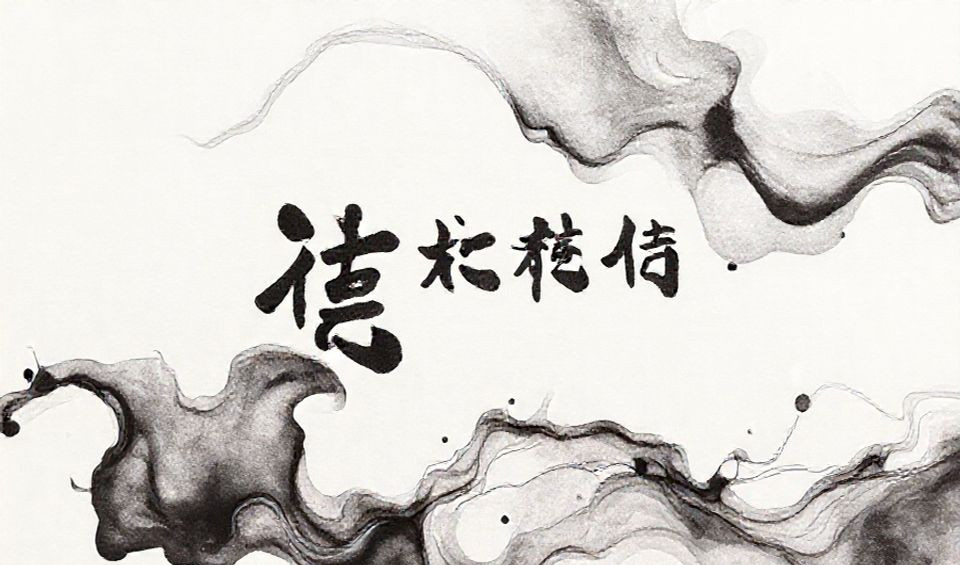
Ink wash animation represents more than just a stylistic choice—it’s a philosophical approach to movement and expression. Where Western animation often prioritizes precision and clarity, ink wash animation embraces ambiguity and suggestion. The space between strokes, the gradual fade of pigment, the unexpected bloom of ink across paper—these become the language through which stories unfold. This approach creates animations that feel less like constructed narratives and more like captured moments of natural phenomena.
The Core Principles of Ink in Motion
Ink wash animation operates on three fundamental principles that distinguish it from other animation styles. First is the concept of controlled unpredictability—ink will always find its own path, and the animator’s job is to guide rather than command. This requires a deep understanding of fluid dynamics and paper absorption, knowledge that master animators develop through years of practice. The animator becomes more choreographer than controller, working with the medium’s inherent tendencies rather than against them.
Second comes the importance of negative space, where what you don’t animate carries as much weight as what you do. In traditional Chinese aesthetics, this concept is known as liúbái—literally “staying white”—and it creates room for the viewer’s imagination to participate in the artwork. An ink wash animator might spend as much time considering the empty spaces between elements as the elements themselves, understanding that these voids create rhythm and balance within the composition.
Third is the rhythm of application, where the timing between brushstrokes creates the animation’s heartbeat. Unlike cel animation where frames proceed at fixed intervals, ink wash animation often varies its pacing to match the natural flow of ink. A quick stroke might capture a character’s sudden movement, while a slowly bleeding ink pool could represent contemplation or the passage of time. This temporal dimension adds emotional depth that transcends mere visual appeal.
Consider how master animator Liu Jian approaches his work. “I never fight the ink,” he explains. “If a stroke wants to bleed, I let it bleed. If it wants to fade, I let it fade. My role is to anticipate these behaviors and build my animation around them.” This acceptance of the medium’s inherent qualities separates successful ink wash animation from mere imitation. Liu’s film “Have a Nice Day” demonstrates this philosophy, where the ink seems to breathe with the characters, its variations becoming emotional indicators throughout the narrative.
Historical Context and Cultural Significance
The roots of ink wash animation extend deep into Chinese cultural history, with the earliest examples appearing during the Tang Dynasty (618-907 CE). These initial experiments were simple—paintings that incorporated sequential imagery to suggest movement. The true flowering occurred during the Ming Dynasty (1368-1644), when artists developed sophisticated scroll paintings that revealed different scenes as the viewer unrolled them, creating a proto-animation experience.
Modern ink wash animation emerged in 1960 with the Shanghai Animation Film Studio’s groundbreaking short “Where Is Mama?”, directed by Te Wei. This film marked a turning point by demonstrating how traditional ink painting techniques could be translated into moving images. The studio developed innovative methods to capture the subtle gradations of ink wash painting, sometimes shooting each frame multiple times with different exposures to preserve the delicate tonal variations.
According to UNESCO’s analysis of intangible cultural heritage, ink wash animation represents a vital bridge between traditional artistic practices and contemporary digital media. The organization notes that such adaptations help preserve cultural knowledge while making it relevant to new generations. This living tradition continues to evolve, with contemporary animators finding fresh ways to interpret centuries-old aesthetic principles.
Technical Foundations and Digital Adaptation
The transition from physical to digital ink wash animation required solving complex technical challenges while preserving the essence of the medium. Early digital attempts often resulted in sterile, predictable results that lacked the organic quality of real ink. Breakthroughs came when animators began studying the physics of ink absorption and capillary action, translating these principles into algorithms that could drive digital simulations.
Modern digital ink systems account for multiple variables: paper texture and absorbency, ink viscosity and pigment concentration, brush pressure and movement velocity. The most sophisticated systems can simulate how ink particles separate when a brush changes direction quickly, or how excess ink pools at the end of a stroke. These details might seem minor, but they’re what separates convincing digital ink from generic brush effects.
Professional animators often work with custom-developed brushes that go beyond standard digital art tools. These specialized brushes might include parameters for “ink age” (simulating how freshly mixed ink behaves differently from ink that has started to dry) or “paper dampness” (affecting how quickly ink spreads). Some studios have developed proprietary systems that can take hours to render a single frame because of the complexity of the fluid dynamics calculations involved.
The technical considerations extend to color management, where the limited palette of traditional ink painting presents both challenges and opportunities. While black ink might seem simple, it actually contains subtle variations—warm blacks with brown undertones, cool blacks with blue notes, and the infinite grays created by dilution. Digital workflows must preserve these subtleties while working within the constraints of screen technology and color spaces.
Practical Techniques for Modern Animators
Today’s digital tools offer unprecedented control while maintaining the organic feel of traditional ink work. Start with pressure-sensitive tablets that respond to touch with the same sensitivity as rice paper. Many professional animators recommend tablets with at least 8,192 levels of pressure sensitivity to capture the full range of brush dynamics—from the faintest whisper of a stroke to bold, ink-heavy applications.
Use custom brush sets that replicate the way ink pools at the edge of strokes or bleeds across fibrous surfaces. The key lies in balancing digital precision with intentional imperfection. Software like Rebelle specializes in simulating natural media, offering brushes that respond to virtual paper texture, ink viscosity, and drying time. Meanwhile, mainstream applications like Photoshop and Procreate have developed increasingly sophisticated ink simulation brushes that learn from user behavior.
One effective method involves creating three separate layers for each element: the initial stroke, the bleed effect, and the paper texture interaction. By animating these layers at slightly different rates—perhaps delaying the bleed by 2-3 frames—you achieve that characteristic ink wash movement. This technique mimics what happens physically when ink touches absorbent paper, where the initial contact creates a sharp edge while the subsequent spreading creates softer boundaries.
Another technique uses particle systems to simulate ink dispersion, with settings adjusted to match the viscosity of traditional Chinese ink. By controlling parameters like surface tension, absorption rate, and pigment density, animators can create remarkably authentic digital ink behavior. Some studios have developed proprietary systems that calculate how virtual ink would behave based on the fiber direction of simulated paper.
As digital artist Mei Lin notes, “The most convincing digital ink wash animations often incorporate at least 15% traditional elements—whether it’s scanning actual brushstrokes or recording the sound of ink spreading on paper. These small touches ground the animation in physical reality.” Lin’s award-winning short “Mountain Spirit” seamlessly blends digitally created elements with traditionally painted backgrounds, creating a hybrid approach that honors both past and present techniques.
Workflow Strategies and Production Pipeline
Successful ink wash animation requires careful planning from the earliest stages. Begin with comprehensive storyboarding that accounts for the medium’s unique characteristics. Unlike conventional animation where artists can easily make changes, ink wash sequences often need to be planned around the natural behavior of virtual ink. Many animators create “ink tests” during pre-production—short experiments that determine how their digital setup will handle different types of strokes and effects.
File organization becomes crucial when working with multiple layers and complex simulations. Establish a clear naming convention from the beginning—perhaps categorizing layers by sequence, element type, and animation phase. Many studios developing ink wash animation use asset management systems that track the “wetness” or “dryness” of virtual ink elements, ensuring consistency across scenes and between different animators working on the same project.
Rendering considerations differ significantly from other animation styles. The subtle gradations and soft edges that define ink wash aesthetics can be compromised by aggressive compression or improper color space conversion. Work in higher bit depths than you might for conventional animation, and test your output on multiple devices to ensure the delicate ink variations remain visible across different screens and projection systems.
According to a Statista report on animation industry trends, productions that maintain stylistic consistency throughout their workflow are 42% more likely to achieve critical recognition. This statistic underscores the importance of establishing and maintaining clear technical standards from pre-production through final delivery.
Contemporary Applications and Innovations
Ink wash animation has found surprising applications beyond traditional storytelling. Medical animators have adopted its techniques to visualize complex biological processes, where the fluidity of ink effectively represents cellular movement and chemical diffusion. The abstract nature of ink wash allows viewers to focus on processes rather than precise anatomical details, making it ideal for educational content.
The gaming industry has embraced ink wash aesthetics in titles like “Okami” and “Blade & Soul,” where the visual style becomes integral to the gameplay experience. These implementations often involve real-time rendering of ink effects, requiring sophisticated shader programming that can simulate the behavior of virtual ink on dynamic surfaces. The World Health Organization has even utilized ink wash animation in public health campaigns, finding its gentle aesthetic effectively communicates sensitive information without overwhelming viewers.
Emerging technologies are opening new possibilities for the medium. Virtual reality allows viewers to step inside ink wash environments, experiencing the traditionally two-dimensional art form in immersive three-dimensional spaces. Augmented reality applications can transform physical spaces with virtual ink elements that appear to interact with real-world surfaces. Meanwhile, artificial intelligence tools are learning to generate ink wash-style animations, though most practitioners agree that human artistic direction remains essential for authentic expression.
Recent research published in the Journal of Animation Studies demonstrates how ink wash techniques can enhance data visualization. The study found that participants remembered information presented in ink wash style 28% better than conventional charts and graphs, suggesting that the medium’s emotional resonance creates stronger cognitive connections.
Learning Path and Skill Development
Mastering ink wash animation requires developing both technical proficiency and aesthetic sensitivity. Begin by studying traditional ink painting—understanding how different brushes, papers, and ink concentrations create varied effects. Many animation programs now incorporate mandatory traditional media components, recognizing that digital simulation alone cannot convey the physical understanding necessary for authentic work.
Practice the fundamental strokes daily—the “bone method” lines that form the structural basis of Chinese painting. These include the “flying white” technique where quick, dry brush strokes create textured lines, and the “boneless” method where forms are created through ink washes without outline. Digital tools can replicate these techniques, but only if the animator understands their physical counterparts.
Study the great ink wash animations of the past while analyzing contemporary implementations. The Chinese Animation Archive provides access to restored versions of classic works, allowing frame-by-frame examination of techniques. Meanwhile, platforms like YouTube host numerous behind-the-scenes videos from modern studios, revealing how traditional principles are adapted for current technology.
Build a reference library of natural ink behavior. Record how ink spreads on different papers, how it pools at the edge of strokes, how it interacts with moisture already on the surface. This observational foundation will inform your digital work, helping you create simulations that feel organic rather than algorithmic. The most successful ink wash animators often maintain physical sketchbooks alongside their digital practice, continuously moving between the tangible and virtual realms.
Cultural Preservation and Global Impact
Ink wash animation serves as a living archive of cultural knowledge, preserving techniques and aesthetic principles that might otherwise be lost. The medium carries forward not just visual styles but philosophical approaches to art-making—the embrace of imperfection, the value of suggestion over explicit statement, the recognition that emptiness can be as meaningful as substance.
International collaborations have enriched the tradition while spreading its influence globally. European and American animators have adapted ink wash principles to tell stories rooted in their own cultures, creating fascinating hybrid forms. These cross-cultural exchanges demonstrate how traditional techniques can find new relevance in different contexts while maintaining their essential character.
Educational institutions worldwide are incorporating ink wash animation into their curricula, recognizing its value in teaching both technical skills and conceptual thinking. Students learn to work with unpredictable media, develop sensitivity to subtle variations, and understand how cultural context shapes artistic expression. These lessons transfer to other forms of animation and digital art, making ink wash training surprisingly versatile.
The medium’s environmental consciousness also deserves mention. Digital ink wash animation eliminates the need for physical materials while preserving the aesthetic, representing a sustainable approach to traditional art forms. This alignment with contemporary ecological concerns makes the medium particularly relevant for artists concerned about their environmental impact.
Future Directions and Emerging Possibilities
The evolution of ink wash animation continues as technology advances and artistic visions expand. Real-time rendering capabilities are reaching the point where complex ink simulations can run interactively, opening possibilities for live performances and responsive installations. Imagine an ink wash animation that changes based on audience movement or environmental conditions—the medium’s inherent unpredictability makes it ideally suited for such applications.
Machine learning systems are being trained on vast databases of traditional ink paintings, learning to generate new works that respect historical conventions while offering fresh interpretations. These AI tools don’t replace human artists but rather serve as collaborative partners, suggesting compositions or generating base animations that artists can then refine and personalize.
The integration with other sensory experiences represents another frontier. Some experimental artists are combining ink wash animation with scent diffusion systems, where the aroma of ink and paper enhances the viewing experience. Others are working with haptic feedback devices that allow viewers to “feel” the texture of virtual ink on simulated paper surfaces.
As the boundaries between media continue to blur, ink wash animation finds new applications in architecture, fashion, and product design. The principles of controlled unpredictability and meaningful emptiness prove surprisingly adaptable to three-dimensional forms and functional objects. A building facade that recalls the gradations of ink wash painting, or clothing fabric that patterns itself like spreading ink—these possibilities suggest the medium’s influence will continue to expand beyond traditional animation.
Finding your voice within this tradition involves both technical mastery and personal expression. As the medium continues to evolve, new artists bring their unique perspectives while respecting the essential characteristics that define ink wash animation. The future likely holds further integration with emerging technologies, but the core principles—controlled unpredictability, meaningful emptiness, and rhythmic application—will continue to guide artists in creating works that breathe with the life of the ink itself.
You may also like
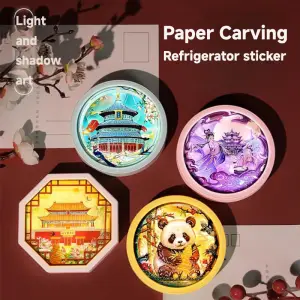
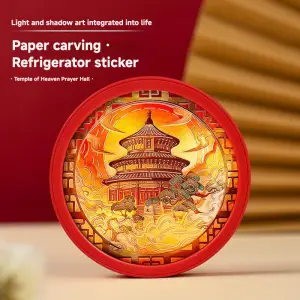
The Palace Museum Paper-Cut Light Art Fridge Magnets: Chinese Cultural Style Creative Gift Series
Price range: $27.00 through $36.00 Select options This product has multiple variants. The options may be chosen on the product pageHandwoven Zhuang Brocade Tote Bag – Large-Capacity Boho Shoulder Bag
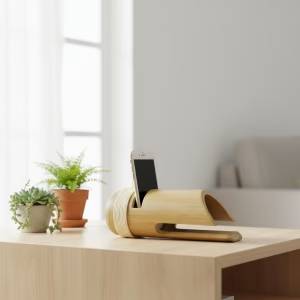
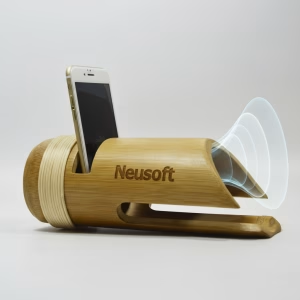
Original price was: $178.00.$154.00Current price is: $154.00. Add to cartBambooSoundBoost Portable Amplifier
Original price was: $96.00.$66.00Current price is: $66.00. Add to cartAncient Craft Herbal Scented Bead Bracelet with Gold Rutile Quartz, Paired with Sterling Silver (925) Hook Earrings
Original price was: $322.00.$198.00Current price is: $198.00. Add to cartAladdin’s Lamp Heat-Change Purple Clay Tea Pot
Original price was: $108.00.$78.00Current price is: $78.00. Add to cartGuangxi Zhuang Brocade Handmade Tote – Ethnic Boho Large-Capacity Shoulder Bag
Original price was: $172.00.$150.00Current price is: $150.00. Add to cart