Walk through Shanghai’s Xintiandi or Beijing’s Sanlitun on any given morning, and you’ll see it. Not the ornate, ceremonial dress of historical dramas, but something subtler—a silk blouse with a delicate frog button, trousers cut with a wide, flowing leg reminiscent of ancient scholars, a backpack featuring an embroidered motif from a Song dynasty painting. This is Guochao, or ‘China Chic,’ in its most potent form: not as costume, but as integrated, practical contemporary style. It represents a profound shift in China’s cultural and consumer landscape, moving beyond nostalgic revival to forge a new, confident aesthetic language for the 21st century.
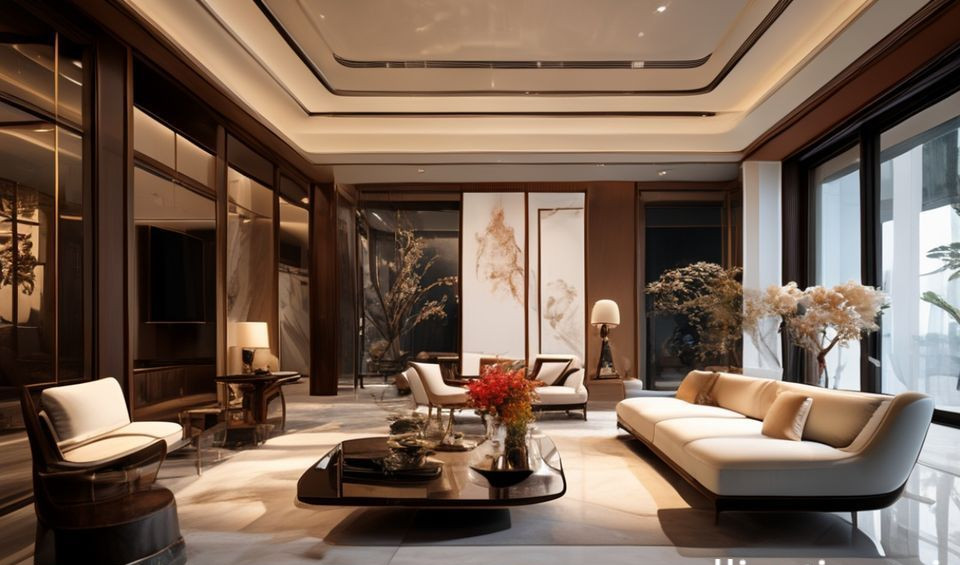
Guochao’s rise is inextricably linked to a broader cultural and economic renaissance. As China’s global influence has grown, so has domestic pride in its heritage, particularly among the digitally-native Generation Z. A 2023 report by Statista highlighted that over 70% of young Chinese consumers prefer domestic brands that incorporate cultural elements, a stark contrast to the Western-brand obsession of previous decades. This isn’t blind nationalism; it’s a discerning demand for quality, design, and cultural relevance. The movement spans fashion, beauty, tech, and furniture, but it is in wearable fashion where its philosophy is most visibly tested and perfected. Here, the challenge is not merely to look Chinese, but to live Chinese—to weave five millennia of aesthetic heritage into the fabric of a fast-paced, globalized daily life.
Wearable Foundations: From Ceremonial to Functional
The core of practical Guochao lies in its translation of traditional elements into functional design. Designers are dissecting heritage, not replicating it. This process is akin to learning a language’s grammar rather than just memorizing phrases. The stand-collar jacket, or tangzhuang, serves as a prime example. Once a formal, boxy uniform, it has been reimagined in lightweight technical fabrics for urban cycling, its silhouette streamlined and its seams articulated for movement. The intricate embroidery (xiu) that once covered entire garments in dense, symbolic narratives is now a precise accent—a single, elegant peony on a cuff, a subtle cloud pattern tracing a seam. This selective application transforms historical craft into a modern punctuation mark.
This philosophy makes the pieces inherently versatile. A blouse with a traditional side knot closure, rendered in crisp cotton, can be paired with modern tailored trousers for the office. A skirt that incorporates a panel cut inspired by the horse-face skirt (mamianqun) of the Ming and Qing dynasties retains its elegant, architectural volume but is shortened and cut from a fluid crepe to move easily through a subway turnstile or a crowded café. The goal is to create items that feel special and connected to history, but whose first purpose is to serve the wearer’s contemporary reality. As Xiao Ma, a 28-year-old marketing manager in Shenzhen, puts it: “I bought a beautiful jacket with a lining printed with a detail from the ‘Along the River During the Qingming Festival’ scroll. From the outside, it’s a smart, modern blazer. But when I roll up the sleeves or take it off, I get this private moment of connection. It’s functional poetry.”
The Fabric of Daily Life: Material Innovation and Craft
If silhouette is the skeleton of Guochao, then material innovation is its lifeblood. This is where tradition truly meets utility in a tangible way. While luxury silks like zhusi (a raw, textured silk) remain prized, they are now often blended with wool or treated with nanotechnology for easier care and durability. The more significant evolution is how traditional fabric crafts are being liberated from their historical contexts and applied to everyday objects.
Yunjian, a complex cloud-patterned brocade once reserved for imperial robes, now appears as the luxurious lining of a minimalist laptop sleeve or the interior of a structured handbag. Indigo-dyed shibori techniques, with their organic, unpredictable patterns, give unique character to durable cotton chore jackets and aprons. The focus is on tactile experience and longevity—creating heirloom-quality items for modern use.
This material-led approach directly supports the preservation of intangible cultural heritage. By creating viable commercial demand for techniques like yun jin (cloud brocade) weaving or lan yin (blue print) dyeing, the Guochao movement provides economic oxygen to artisan communities. A UNESCO report on cultural industries underscores this, noting that “integrating living heritage into contemporary design and production cycles is a powerful strategy for sustainable development, ensuring skills are passed on rather than relegated to museums.”
“My customers don’t want a museum piece,” says Li Wen, founder of the Guangzhou-based label ‘Wen Studio.’ “They ask, ‘Can I machine wash it? Does it work with my existing jeans?’ We once took a floral motif from a Ming dynasty vase and printed it on a stretch cotton-Lycra blend for a modern qipao-inspired dress you can actually move in. That’s the real test. Last year, we sold over 3,000 units of that one dress because it answered a real need—elegance without inconvenience. Guochao, for us, is about solving the problem of cultural wearability.”
Brands like Ziran Tiandi and Uma Wang have built global reputations on this principle. Their collections feature garments where the story is embedded in the weave, the plant-based dye, or a centuries-old knitting technique, but the cut and function are resolutely of today. A best-selling item might be a unisex overshirt in ramie, a breathable, ancient fiber known as “China grass,” cut with a contemporary, relaxed slouch.
The Digital Ecosystem and Cultural Mindset
Guochao’s impact extends far beyond the runway or boutique. It represents a thriving ecosystem supported by digital native brands (DNBs), savvy social media marketing, and a new generation of cultural ambassadors. Platforms like Xiaohongshu (Little Red Book) and Douyin are crucial, where users don’t just buy products but share “hauls” and style tutorials that contextualize Guochao pieces within a modern lifestyle. A user might post a video titled “A Week of Guochao Office Looks,” demonstrating how a single embroidered vest can be styled five different ways. This peer-driven content demystifies traditional elements and showcases their integration into everyday scenarios, from coffee runs to client meetings.
Major sportswear giants have also successfully tapped into the trend, catalyzing its move from niche to mainstream. Li-Ning’s dramatic 2018 New York Fashion Week show, featuring bold “中国李宁” (China Li-Ning) logos and designs inspired by Chinese paper-cutting and architecture, is often cited as a watershed moment. It redefined the brand from a generic athletic label to a cultural icon. Similarly, Anta has collaborated with institutions like the Forbidden City and the National Museum of China, embedding historical artifacts into sneaker designs. These high-profile collaborations validated the commercial and cultural power of heritage reinterpretation.
Underpinning this consumption is the “ziku” (self-cool) mentality—a rejection of flashy, ostentatious logos in favor of understated quality, cultural intelligence, and personal expression. Consuming Guochao is a way to perform this identity, signaling not just wealth, but knowledge, discernment, and a confident sense of self. It’s a quiet rebellion against homogenized global luxury, favoring depth of story over breadth of logo.
Actionable Insights: Weaving Guochao into Your World
Adopting the Guochao mindset is less about a radical wardrobe overhaul and more about thoughtful, personal integration. Here are practical ways to engage with this aesthetic, whether you’re in Shanghai or San Francisco.
- Start with Accessories and Objects: The easiest entry point is through non-apparel items. Look for a leather wallet lined with brocade, a ceramic watch face inspired by celadon glaze, or a scarf printed with a motif from ancient cave paintings. For the home, consider cushions made from xiang yun sha (gambiered Guangdong silk) or a tea set with a modern twist on a classic glaze. These pieces add a point of cultural interest and conversation without dominating your look or space.
- Focus on One Foundational Piece: Instead of head-to-toe traditional styling, choose one well-made Guochao item as a cornerstone. A beautifully cut tangzhuang jacket in a neutral color can replace a standard blazer. A pair of wide-leg, scholar-inspired trousers in a crisp linen or wool can be your statement pant, effortlessly paired with a simple knit or tee. The key is to let that one piece carry the cultural narrative.
- Prioritize Fabric and Craftsmanship: When evaluating a piece, look beyond the print or obvious motif. Read the label and product descriptions closely. Is it made with ramie, hemp, or peace silk? Does it mention a specific dyeing technique or a region known for a particular craft? The true value and story are often embedded in the materiality and the maker’s knowledge. The World Health Organization has even highlighted the potential benefits of natural fibers like hemp for skin health and comfort, adding a layer of practical wellness to the cultural choice.
- Mix Eras and Origins Fearlessly: The essence of modern Guochao is intelligent fusion, not purity. Don’t hesitate to pair a qipao-inspired top with vintage Levi’s jeans and contemporary sneakers. Style an embroidered clutch with a minimalist slip dress. Layer a modern ma gua (sleeveless jacket) over a crisp white shirt and tailored trousers. The intentional contrast is what makes the cultural reference feel fresh, personal, and genuinely integrated into a global wardrobe.
- Support Story-Driven Brands and Artisans: Seek out brands and makers that transparently share their inspiration and craft process. Many smaller designers use their social media or websites to explain the historical artifact, regional craft, or philosophical concept behind a collection. This transparency deepens your connection to the garment, transforming a purchase into a participatory act of cultural appreciation. Following these brands also helps you understand the narrative behind trends, moving you from passive consumer to informed enthusiast.
The Ripple Effect: Guochao in Beauty, Tech, and Lifestyle
While fashion is the most visible frontier, the Guochao ethos permeates other industries, creating a cohesive aesthetic ecosystem. In beauty, brands like Florasis and Perfect Diary have achieved cult status by packaging high-quality cosmetics with designs inspired by porcelain, lacquerware, and traditional paintings. Their elaborate, collectible compacts are objects of art, turning a daily routine into a tactile ritual connected to heritage.
In technology and consumer electronics, companies are moving beyond sterile minimalism. Huawei has released smartphone models with back panels featuring ethereal patterns derived from traditional ink-wash landscapes. Audio brands collaborate with ceramic artists to create speakers that are both acoustically sophisticated and visually rooted in Chinese craft. Even furniture design sees a shift, with studios creating chairs that reinterpret the elegant joinery of Ming dynasty furniture using sustainable bamboo and ergonomic principles for modern living.
This cross-industry pollination strengthens the overall movement. It allows individuals to curate a lifestyle that feels consistently considered and culturally anchored, from the clothes they wear and the makeup they apply to the objects that fill their homes. It normalizes the presence of cultural codes in every aspect of contemporary life.
A Cultural Reclamation with Global Resonance
The ultimate significance of Guochao transcends commerce and aesthetics. It is a potent form of soft power and cultural reclamation. For decades, global fashion and design were largely dictated by Parisian, Milanese, and New York sensibilities, with “Chinoiserie” often presented through a romanticized, exoticized, and Western lens. Guochao flips this script entirely, allowing Chinese designers, consumers, historians, and artisans to define their own aesthetic narrative on their own terms. It is a confident declaration that tradition is not a static relic but a dynamic, living resource for innovation.
This has profound implications for cultural sustainability worldwide. By creating a commercial demand for traditional motifs, weaving techniques, and natural dyes, the Guochao movement provides a compelling economic incentive to preserve these crafts. Artisans who might have been the last in their family to practice a skill now find their work in high demand from design studios, creating a viable pathway for intergenerational knowledge transfer. The World Intellectual Property Organization (WIPO) has highlighted such community-based branding and geographical indications as key tools for leveraging intangible cultural heritage for local development and empowerment.
The journey of Guochao, from a niche trend to a defining mainstream phenomenon, mirrors China’s own complex modern journey—honoring a deep and nuanced past while sprinting toward an innovative future. It proves that cultural identity in a globalized world isn’t about choosing between heritage and modernity, or between local and global. It is about the creative, personal, and often beautifully practical synthesis of the two. The silk blouse with the frog button isn’t just a blouse; it’s a wearable thesis on continuity and change. The sneaker with a hidden brocade lining is more than footwear; it’s a step toward a future where history is a living, breathing, and deeply personal part of the city street.
You may also like
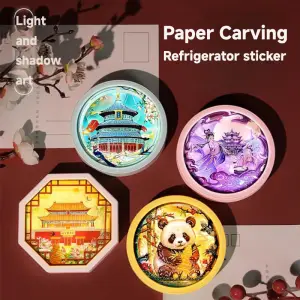
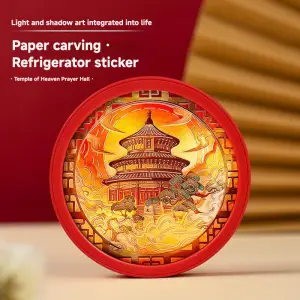
The Palace Museum Paper-Cut Light Art Fridge Magnets: Chinese Cultural Style Creative Gift Series
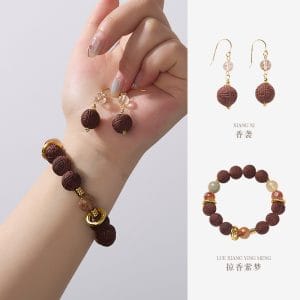
Price range: $27.00 through $36.00 Select options This product has multiple variants. The options may be chosen on the product pageAncient Craft Herbal Scented Bead Bracelet with Gold Rutile Quartz, Paired with Sterling Silver (925) Hook Earrings
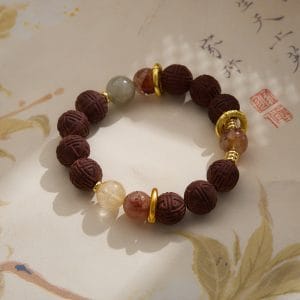
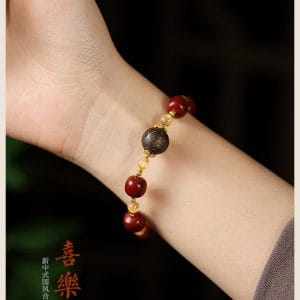
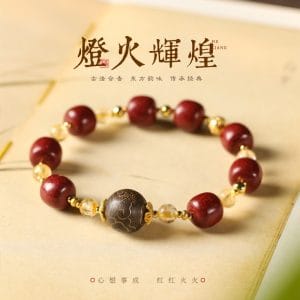
Original price was: $322.00.$198.00Current price is: $198.00. Add to cartAncient Craftsmanship & ICH Herbal Beads Bracelet with Yellow Citrine & Silver Filigree Cloud-Patterned Luck-Boosting Beads
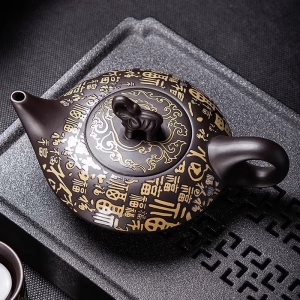
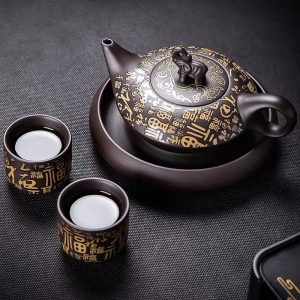
Original price was: $128.00.$89.00Current price is: $89.00. Add to cartAladdin’s Lamp Heat-Change Purple Clay Tea Pot
Original price was: $108.00.$78.00Current price is: $78.00. Add to cartGuangxi Zhuang Brocade Handmade Tote – Ethnic Boho Large-Capacity Shoulder Bag
Original price was: $172.00.$150.00Current price is: $150.00. Add to cartHandwoven Zhuang Brocade Tote Bag – Large-Capacity Boho Shoulder Bag
Original price was: $178.00.$154.00Current price is: $154.00. Add to cart