That distinctive sweet-savory aroma wafting from Chinese kitchens often signals one thing: lap cheong is at work. These slender, dried sausages pack concentrated flavor that transforms simple ingredients into memorable meals. Across China and in diaspora communities worldwide, these preserved links represent more than just food—they embody culinary tradition, preservation wisdom, and the ability to create extraordinary flavor from modest means.
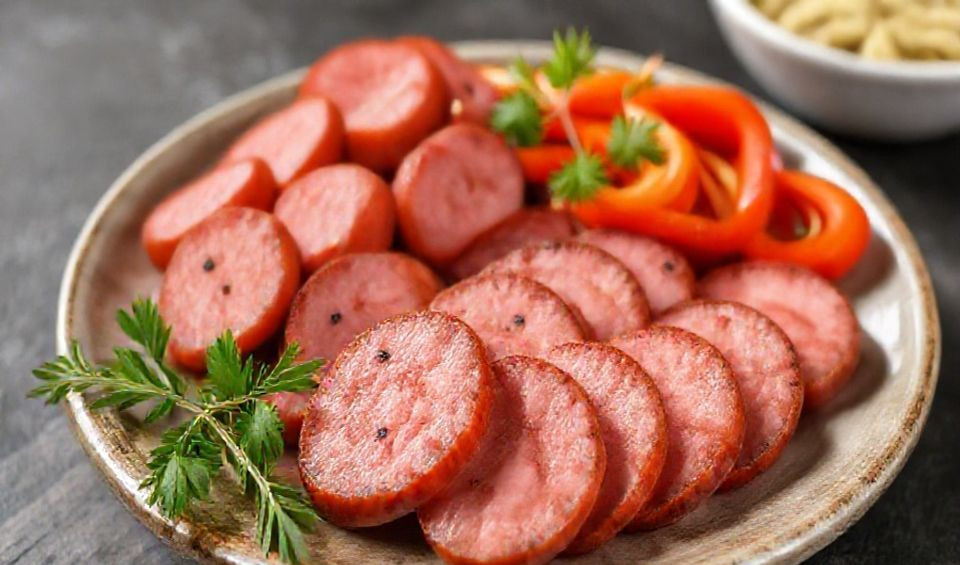
The Cultural Roots of Chinese Sausage
Chinese sausage, known as lap cheong in Cantonese, traces its origins to ancient preservation techniques developed in Southern China. Unlike European sausages that rely heavily on smoking, Chinese sausage utilizes air-drying as its primary preservation method—a practical response to humid climates where smoking proved challenging. This preservation method likely emerged during the Northern and Southern Dynasties period (420-589 AD), when food preservation became crucial for surviving harsh winters and lean times.
The regional variations tell stories of local resources and tastes. Guangdong-style lap cheong tends toward sweetness with prominent rice wine notes, while Hunan versions often incorporate chili for a spicier profile. In Hong Kong, a chef with three generations of sausage-making experience shared, “My grandfather started making lap cheong when refugees poured into Hong Kong after the war. People needed food that would last without refrigeration, and these sausages became a staple in every household.”
These sausages became embedded in cultural celebrations too. During Lunar New Year, lap cheong symbolizes prosperity and longevity, often appearing in festive dishes like lo hei and clay pot rice. The deep red color of the sausages represents good fortune, while their sweet flavor signifies a wish for sweet moments in the coming year.
Understanding Your Sausage
Chinese sausage comes in several varieties, each with distinct characteristics. The most common—lap cheong made with pork—offers a balanced sweet-savory profile with notes of rice wine and soy. Pork liver sausage incorporates duck or pork liver, delivering deeper, earthier tones prized in clay pot dishes. Less common varieties include those made with duck meat, which have a richer flavor, and modern innovations featuring ingredients like black truffle or chili for contemporary palates.
Traditional production follows a meticulous process. Quality sausages begin with well-marbled pork shoulder and fatback, chopped rather than ground to maintain texture. The meat mixture receives seasoning with soy sauce, rice wine, sugar, and sometimes rosewater or cassia bark before being stuffed into natural casings. Artisans then tie the links and hang them to air-dry for several weeks—a process that concentrates flavors through moisture evaporation while allowing beneficial molds to develop the characteristic flavor profile.
When selecting sausages, look for consistent coloring and minimal white spots, which typically indicate sugar crystallization rather than spoilage. The sausages should feel firm but not rock-hard, with a pleasant aroma even in their dried state. According to the World Health Organization, properly dried and cured meats can be safely stored for extended periods when kept in cool, dry conditions.
Preparation Essentials
Before cooking, most experienced cooks recommend steaming lap cheong for 8-10 minutes. This preliminary step serves multiple purposes: it renders some fat, softens the casing for easier slicing, and mellows the intense saltiness. Steaming also helps eliminate any surface microorganisms that might have developed during drying and storage.
For stir-fries, slice diagonally into coin-sized pieces to maximize surface area and create attractive oval shapes. When using in rice dishes, whole sausages can be nestled into cooking rice during the last 15 minutes—the steam perfumes the grains while gently cooking the sausage. One restaurant chef notes, “We keep steamed lap cheong ready for quick additions to fried rice or vegetable dishes—it’s our flavor shortcut that never fails. The rendered fat becomes our secret cooking oil for vegetables.”
A simple yet effective application involves dicing two sausages and sautéing with three cups of chopped cabbage. The rendered fat coats the vegetables while the sausage pieces provide bursts of flavor throughout. This approach demonstrates how lap cheong can elevate even the humblest ingredients—a principle that has sustained generations through economic challenges.
Culinary Applications Beyond Tradition
While lap cheong features prominently in classic dishes like clay pot rice and sticky rice dumplings, contemporary chefs have embraced its potential in innovative ways. The sausage’s sweet-umami profile makes it surprisingly versatile across cuisines. Modern applications include lap cheong carbonara, where it replaces pancetta, and lap cheong-studded biscuits that play beautifully with American Southern flavors.
In Portland, Oregon, a chef at a fusion restaurant shares, “We crumble lap cheong over our roasted Brussels sprouts—the caramelization from the sugars in the sausage creates this incredible crust that customers rave about. It’s become our most requested side dish.” This cross-cultural adaptation demonstrates how traditional ingredients can find new relevance in global kitchens.
The fat rendered from cooking lap cheong represents another dimension of its utility. Many Cantonese home cooks save this flavorful oil to use when sautéing vegetables or frying eggs. The infused oil carries the sausage’s essence, allowing cooks to extend its impact across multiple dishes. A home cook from Guangzhou explains, “My grandmother taught me to never waste the rendered fat. We use it to fry eggs in the morning—it gives them a richness that regular oil can’t match.”
Nutritional Considerations and Modern Adaptations
As with many preserved meats, Chinese sausage contains significant sodium and fat. A typical serving provides approximately 100-150 calories with 8-12 grams of fat and 400-600 milligrams of sodium. The WHO recommends limiting processed meat consumption, suggesting these sausages work best as flavoring agents rather than main protein sources.
Health-conscious adaptations have emerged in response to dietary concerns. Some producers now offer reduced-sodium versions, while vegetarian interpretations using mushrooms and soy attempt to capture the texture and umami qualities. A nutritionist specializing in Asian diets notes, “When used sparingly as a seasoning—much like bacon in Western cooking—lap cheong can be part of a balanced diet. The key is treating it as a flavor enhancer rather than the centerpiece of the meal.”
Modern manufacturing has introduced food safety improvements while maintaining traditional flavors. According to research published in the Journal of Food Protection, controlled drying environments and quality testing have significantly reduced potential health risks associated with traditional air-drying methods. These advancements help preserve both the safety and cultural significance of this traditional food.
Practical Tips for Home Cooks
Working with Chinese sausage requires some technique to maximize its potential. Beyond the initial steaming, consider these approaches:
For fried rice, steam and dice the sausage first, then use the rendered fat to cook the eggs before assembling the dish. This layers the flavor throughout rather than concentrating it in the sausage pieces alone. The technique ensures every grain of rice carries the essence of the sausage.
When making congee, add whole sausages during the last 20 minutes of cooking. Remove them before serving, slice, and return to the porridge—this infuses the rice porridge with flavor while keeping the sausage from becoming too soft. The resulting dish balances subtle sausage flavor with distinct meat pieces.
For a quick appetizer, slice steamed lap cheong thinly and arrange on cucumber rounds. The cool crispness of the cucumber provides a refreshing contrast to the rich sausage. Add a drizzle of sesame oil and chopped scallions for extra dimension.
Storage practices impact both safety and quality. Keep unopened packages in a cool, dark place for up to six months. Once opened, transfer to an airtight container and refrigerate for up to three weeks, or freeze for several months. The sausages’ preserved nature makes them remarkably resilient, but proper storage maintains optimal texture and flavor.
The Global Journey and Future of Lap Cheong
Chinese sausage has traveled far beyond its regional origins, becoming a staple in Southeast Asian kitchens and increasingly available in Western markets. This global spread reflects both diaspora communities maintaining culinary traditions and growing international interest in Asian flavors. Statista data shows steadily increasing imports of Asian specialty foods in Western markets over the past decade, with preserved meats among the categories experiencing significant growth.
In multicultural cities worldwide, lap cheong has crossed cultural boundaries. A third-generation Italian-American grocer in New York recounts, “We started carrying Chinese sausages about five years ago after customers kept asking for them. Now we sell as much lap cheong as we do soppressata during the winter months. People use it in everything from pasta sauces to stuffing for poultry.”
The future of Chinese sausage likely includes both preservation of traditional methods and continued innovation. Artisan producers are experimenting with organic meats, reduced-sodium recipes, and novel flavor combinations while maintaining the essential drying techniques that define the category. As one master sausage maker observed, “The old ways work because they’re based on understanding nature—the wind, the temperature, the humidity. Modern technology can help control these factors, but the principle remains the same: patience and respect for the process.”
From humble beginnings as practical preservation, Chinese sausage has evolved into a culinary treasure that continues to adapt while maintaining its essential character. Its ability to transform simple ingredients through concentrated flavor ensures its place in kitchens worldwide—a testament to the enduring power of traditional foodways in a rapidly changing world. The story of lap cheong continues to unfold as new generations discover its magic and adapt it to contemporary tastes while honoring its rich heritage.
You may also like
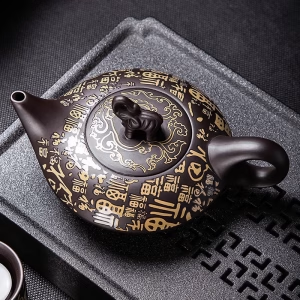
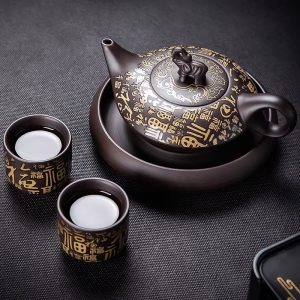
Aladdin’s Lamp Heat-Change Purple Clay Tea Pot
Original price was: $108.00.$78.00Current price is: $78.00. Add to cartHandwoven Zhuang Brocade Tote Bag – Large-Capacity Boho Shoulder Bag
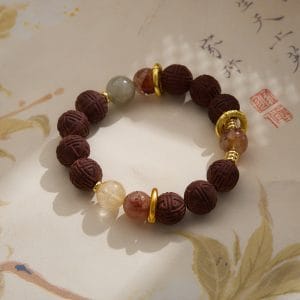
Original price was: $178.00.$154.00Current price is: $154.00. Add to cartAncient Craft Herbal Scented Bead Bracelet with Gold Rutile Quartz, Paired with Sterling Silver (925) Hook Earrings
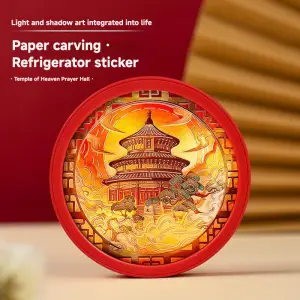
Original price was: $322.00.$198.00Current price is: $198.00. Add to cartThe Palace Museum Paper-Cut Light Art Fridge Magnets: Chinese Cultural Style Creative Gift Series
Price range: $27.00 through $36.00 Select options This product has multiple variants. The options may be chosen on the product pageGuangxi Zhuang Brocade Handmade Tote – Ethnic Boho Large-Capacity Shoulder Bag
Original price was: $172.00.$150.00Current price is: $150.00. Add to cartBambooSoundBoost Portable Amplifier
Original price was: $96.00.$66.00Current price is: $66.00. Add to cart