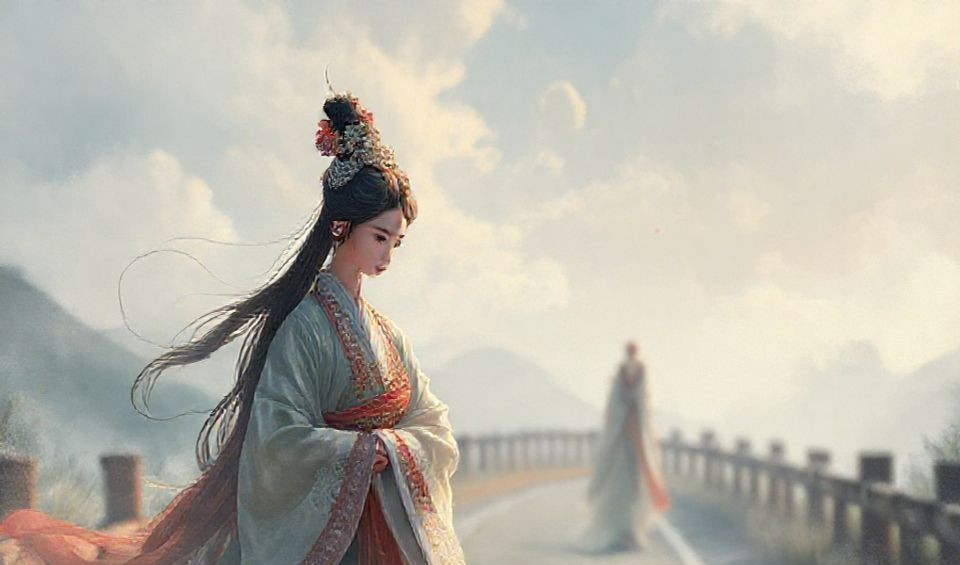
In a small Beijing apartment, a young woman adjusts her headset while wearing elaborate Tang dynasty robes. Her digital avatar mirrors her movements precisely, the silk sleeves flowing with impossible grace as she prepares to greet thousands of international viewers. This scene repeats daily across China and beyond, where traditional hanfu clothing has found an unexpected home in virtual spaces. What began as niche historical reenactment has evolved into a sophisticated digital movement, merging ancient aesthetics with cutting-edge technology to create entirely new forms of cultural expression and economic opportunity.
The Aesthetic Algorithm
Hanfu VTubers represent more than just fashion nostalgia—they’ve developed distinct streaming methodologies that blend historical accuracy with digital innovation. Streamers like ‘MingYue’ spend hours researching Song dynasty hair ornaments while simultaneously mastering real-time motion capture technology. Their content often features traditional tea ceremonies conducted with virtual implements, calligraphy sessions where digital ink flows across screens, and historical storytelling that brings ancient texts to life through animated backdrops. This meticulous attention to historical detail sets them apart from other virtual creators, transforming entertainment into immersive educational experiences.
The technical precision required is staggering. One popular VTuber, ‘LuoShui,’ uses seven separate tracking points just to ensure her wide Ming dynasty sleeves move authentically during dance performances. “Viewers notice when the fabric physics are wrong,” she explains. “The drape of silk from the Wei-Jin period differs significantly from Tang cuts, and our community expects that level of detail.” This commitment to authenticity extends beyond clothing to include historically accurate makeup, accessories, and even period-appropriate mannerisms. The result is a seamless fusion of past and present that feels both educational and magical.
Cultural Currency in Digital Economies
Beyond aesthetics, these creators have built sustainable ecosystems that benefit both digital and traditional economies. A typical mid-tier hanfu VTuber might collaborate with three to five traditional craftspeople annually, commissioning handmade accessories that later appear in their digital forms. The economic ripple effects are measurable: one embroidery workshop reported a 40% increase in orders directly linked to VTuber exposure, according to recent cultural industry reports. This symbiotic relationship helps preserve traditional crafts while creating new revenue streams for artisans who might otherwise struggle to find markets for their specialized skills.
International audiences demonstrate particular fascination with the educational aspects. During a recent stream explaining Tang dynasty makeup techniques, British viewers accounted for 28% of the real-time chat participants. This cross-cultural exchange has prompted several streamers to incorporate bilingual elements, with some offering historical context in both Mandarin and English during their broadcasts. The global appeal of hanfu culture reflects a growing interest in Chinese traditions worldwide, with UNESCO noting increased engagement with intangible cultural heritage through digital platforms.
“We’re not just entertainers—we’re cultural translators. When I explain why certain colors were reserved for nobility or how sleeve lengths indicated social status, international viewers gain entry points to understanding Chinese history that textbooks can’t provide.” — XiaoWei, hanfu VTuber with 150,000 subscribers
The Technical Backbone
Creating believable hanfu movements in virtual space requires sophisticated technology and creative problem-solving. Most hanfu VTubers use custom rigging systems that account for the unique properties of historical garments—the weight of embroidered fabrics, the swing of wide sleeves, the drape of multiple layers. Motion capture systems typically used for gaming or animation often require modification to handle the complex physics of traditional clothing. Some creators have developed proprietary software solutions, sharing their innovations through dedicated hanfu VTuber communities.
Yousa, one of the most technically advanced hanfu VTubers, demonstrates how far this technology has evolved. Her streams feature intricate dance sequences where every ribbon and tassel moves with authentic weight and flow. “We’ve had to develop new collision detection algorithms specifically for hanfu elements,” explains her technical director. “The way a Tang dynasty skirt’s panels separate during spinning motions required months of programming to perfect.” This technical innovation benefits the broader VTuber industry, pushing the boundaries of what’s possible in virtual performance.
Educational Impact and Historical Preservation
Hanfu VTubers have become unexpected educators, making Chinese history accessible to global audiences in engaging formats. Rather than dry lectures, they bring historical periods to life through interactive demonstrations. A stream might involve recreating a Song dynasty scholar’s daily routine, complete with period-appropriate tea preparation, musical performance, and poetry composition. These living history lessons reach audiences that might never open a history book, with the World Health Organization noting the mental health benefits of such cultural engagement during periods of social isolation.
The educational value extends beyond entertainment. Several academic institutions have begun collaborating with popular hanfu VTubers to develop educational content. A recent partnership between Beijing University and VTuber ‘QingFeng’ produced a series on Tang dynasty trade routes that reached over two million viewers across platforms. “The visual medium allows us to demonstrate historical concepts in ways that text cannot,” explains Professor Li Wei, who consulted on the project. “When viewers see how silk was actually woven and traded, they develop a deeper understanding of economic history.”
Building Community Across Borders
The hanfu VTuber phenomenon has spawned vibrant international communities that transcend geographical boundaries. Dedicated Discord servers host thousands of members who share historical research, coordinate viewing parties, and even organize virtual hanfu fashion shows. These communities often include cultural exchange programs where international fans can learn basic Mandarin phrases or traditional crafts, while Chinese members practice foreign languages and learn about other cultures.
This cross-cultural dialogue creates unexpected connections. A German fan of hanfu VTuber ‘BaiHe’ started a local hanfu club after being inspired by her streams, while a Japanese viewer began studying classical Chinese poetry. “The comments section during our streams becomes a miniature United Nations,” notes VTuber XiaoWei. “We see conversations between Brazilian and Russian fans about Tang dynasty aesthetics, or Canadian and Egyptian viewers comparing notes on historical textile production. It’s heartening to see cultural appreciation flourishing in digital spaces.”
Practical Pathways for Aspiring Creators
For those interested in joining this growing field, several practical considerations can smooth the path. Begin with thorough historical research—understanding the cultural significance of different hanfu styles prevents accidental misrepresentation. The China National Garment Association offers excellent resources for identifying period-accurate designs and materials. Start with simpler outfits from later dynasties like Ming, which are generally easier to animate than the complex multi-layer Tang styles.
Technical setup requires careful planning. Invest in quality motion capture equipment, but remember that creative camera angles can compensate for technical limitations during dance sequences. Many successful hanfu VTubers recommend beginning with stationary activities like tea ceremony or calligraphy before attempting complex movement. Building bilingual capability, even at basic levels, significantly expands your potential audience and facilitates cultural exchange.
Collaboration proves essential. Partner with traditional artisans not only for authentic accessories but also for educational content. Their expertise adds credibility and depth to streams. Consider reaching out to existing hanfu communities for feedback on historical accuracy—they often provide valuable insights that improve content quality. Most importantly, develop a consistent streaming schedule that allows viewers to anticipate and plan for your content, building loyal viewership over time.
Economic Opportunities and Market Realities
The hanfu VTuber ecosystem generates multiple revenue streams while facing unique challenges. Successful creators typically combine platform subscriptions, sponsorship deals with cultural organizations, merchandise sales, and occasional paid educational content. According to Statista, the virtual entertainment market in Asia has grown 156% since 2020, with cultural content showing particularly strong engagement metrics. However, the specialized nature of hanfu content means audience growth may be slower than with more mainstream VTuber categories.
Intellectual property protection remains an ongoing concern. The distinctive digital representations of historical clothing and accessories sometimes face unauthorized replication. Several prominent hanfu VTubers have formed collectives to establish design protection standards and share legal resources. Balancing historical accuracy with creative interpretation also presents challenges—when modernizing elements for virtual presentation, creators must decide how much adaptation remains true to the spirit of the original designs.
Future Directions and Cultural Evolution
The integration of hanfu culture with virtual technology continues to evolve in fascinating directions. Emerging platforms are experimenting with haptic feedback systems that could eventually simulate the texture of different silk weaves or the weight of jade accessories. Augmented reality applications may soon allow viewers to “try on” virtual hanfu through their device cameras, creating deeper personal connections with the historical garments.
Academic interest in the phenomenon continues to grow. The Journal of Digital Heritage recently published a study examining how hanfu VTubers are reshaping public understanding of historical fashion. Researchers noted that the interactive nature of these streams encourages viewers to ask detailed questions about construction techniques and cultural significance that they might not consider when viewing static museum displays.
The movement shows no signs of slowing. New generations of creators are pushing boundaries by incorporating elements from regional minority traditions and experimenting with fantasy interpretations that maintain historical spirit while embracing creative freedom. The digital silk road continues to weave connections across time and space, proving that ancient traditions can find vibrant new life through technological innovation.
What began as individual enthusiasts sharing their love for historical clothing has blossomed into a sophisticated cultural movement that bridges centuries and continents through the magic of digital connection. The hanfu VTubers dancing across screens today are not merely preserving history—they’re actively participating in its continuous evolution, demonstrating how cultural heritage can adapt and thrive in the digital age.
You may also like
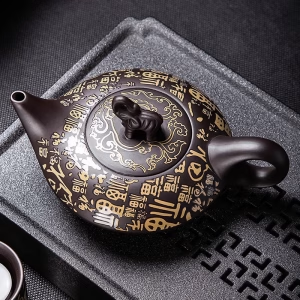
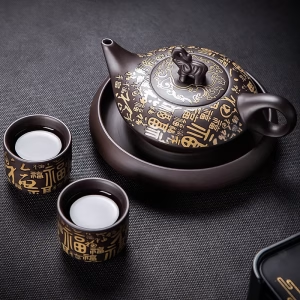
Aladdin’s Lamp Heat-Change Purple Clay Tea Pot
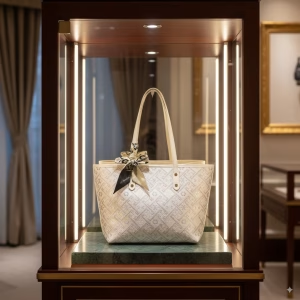
Original price was: $108.00.$78.00Current price is: $78.00. Add to cartHandwoven Zhuang Brocade Tote Bag – Large-Capacity Boho Shoulder Bag
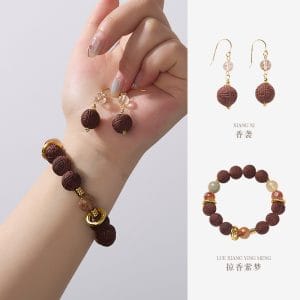
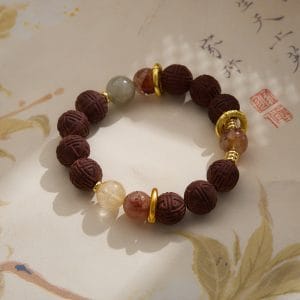
Original price was: $178.00.$154.00Current price is: $154.00. Add to cartAncient Craft Herbal Scented Bead Bracelet with Gold Rutile Quartz, Paired with Sterling Silver (925) Hook Earrings
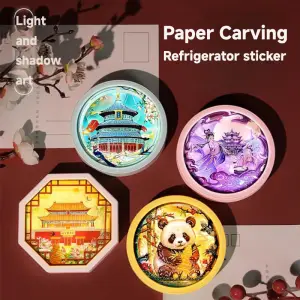
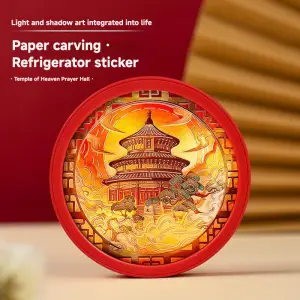
Original price was: $322.00.$198.00Current price is: $198.00. Add to cartThe Palace Museum Paper-Cut Light Art Fridge Magnets: Chinese Cultural Style Creative Gift Series
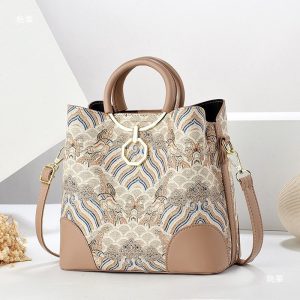
Price range: $27.00 through $36.00 Select options This product has multiple variants. The options may be chosen on the product pageGuangxi Zhuang Brocade Handmade Tote – Ethnic Boho Large-Capacity Shoulder Bag
Original price was: $172.00.$150.00Current price is: $150.00. Add to cartBambooSoundBoost Portable Amplifier
Original price was: $96.00.$66.00Current price is: $66.00. Add to cart