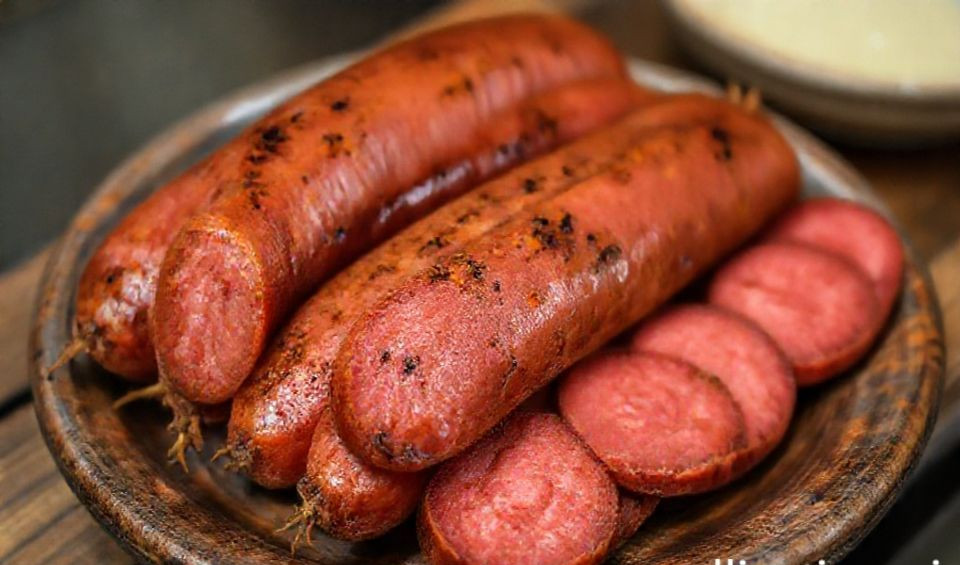
Hanging in shop fronts across southern China, the dark red links of lap cheong sway gently in the breeze. Their glossy surfaces catch the light, revealing the marbled fat within—a sight that has greeted generations of Chinese shoppers. This is no ordinary sausage, but a preservation method perfected over centuries, born from necessity and refined into art. The story of Chinese sausage is one of cultural resilience, culinary innovation, and the quiet wisdom of traditional foodways that continue to nourish both body and spirit in our modern world.
The Winter’s Work
Long before refrigeration, the arrival of cold, dry winds signaled sausage-making season across China. Families would gather to prepare the annual supply, timing the process with lunar cycles and weather patterns that ensured optimal drying conditions. This synchronization with nature wasn’t merely practical—it reflected a deep understanding of food preservation that modern science would later validate. The low humidity and cool temperatures of winter naturally inhibited bacterial growth while allowing gradual dehydration that concentrated flavors without hardening the texture.
In Guangdong province, the tradition dates back at least to the Southern Song Dynasty (1127-1279), when merchants traveling the spice routes introduced new preservation techniques from Southeast Asia. Historical records from the Foshan municipal archives describe sausage-making as an established household practice by the Ming Dynasty, with specialized butcher shops emerging during the Qing era. The basic formula—pork shoulder, pork fat, rice wine, soy sauce, and sugar—remained remarkably consistent across regions, though subtle variations emerged based on local ingredients and tastes.
Regional differences tell a story of adaptation and creativity. A Fujian version might include shrimp paste for umami depth, while Sichuan makers would add chili and Sichuan pepper, creating a distinctly numbing variation known as “lawei.” In Hong Kong, a sweeter profile developed using rosewater liquor and higher sugar content. Hunan artisans incorporated orange peel and star anise, while the Hakka people created a leaner version using duck meat. These variations weren’t merely culinary choices—they reflected local ecosystems, economic circumstances, and cultural preferences that became encoded in family recipes passed through generations.
The process itself became ritualized in many households. My own grandmother in Taishan would begin preparations after the first frost, consulting the lunar calendar for auspicious dates. “We never made sausages during full moon,” she recalled. “The moisture in the air would spoil them. My father taught me to read the wind—if it came from the north for three straight days, that was the signal to begin.” This intergenerational knowledge transfer ensured that each family’s distinctive flavor profile survived, creating living culinary archives that predated written recipes.
The Science of Preservation
What ancient practitioners understood instinctively, modern food science has confirmed. The preservation magic of Chinese sausage lies in the combination of salt, sugar, and dehydration. Salt draws moisture out through osmosis while creating an environment hostile to microbial growth. Sugar—whether from cane sugar, honey, or rice wine—further reduces water activity while contributing to the characteristic caramelization during cooking. The fat content, typically 30-40% of the mixture, isn’t merely for flavor—it creates a physical barrier that slows oxidation and maintains moisture within the protein structure.
According to the World Health Organization’s guidelines on traditional food preservation, these methods represent sophisticated understanding of food safety developed long before microbiological science. The combination of factors—reduced water activity, antimicrobial compounds in soy sauce and rice wine, and the protective effect of smoking in some varieties—creates multiple hurdles that pathogens cannot easily overcome.
Modern studies have analyzed these traditional techniques. Research published in the Journal of Food Science noted that properly dried Chinese sausages achieve water activity levels below 0.82, effectively inhibiting the growth of most bacteria and molds. The lactic acid bacteria that do survive contribute to the complex flavor development during the drying process, acting as natural probiotics that further protect the sausage while enhancing its nutritional profile.
Cultural Threads
Beyond mere sustenance, these sausages became woven into the fabric of Chinese life, carrying meanings that transcended their culinary function. During Lunar New Year, their presence on the dinner table symbolized family unity and prosperity for the coming year. The Cantonese word ‘lap’ means ‘wax,’ referring to the sausage’s glossy appearance after drying—a quality that came to represent the sheen of good fortune. The round shape of the links evoked coins, while their red color symbolized joy and celebration.
In rural villages, the number of sausages hanging from a household’s eaves quietly communicated the family’s economic standing. A generous display indicated a successful harvest or prosperous business year, while meager strings might suggest difficulties. This silent language of status was understood by all in the community. As Chef Huang Mingzhi, third-generation sausage maker from Zhongshan, reflects: “My grandfather told me that during hard times, having even one string of sausages meant your family would survive the winter. Today, they still mean survival—but of our traditions.”
The cultural significance extended to life ceremonies. In traditional Cantonese weddings, sausages were included in the bride’s trousseau as symbols of fertility and family continuity. During tomb-sweeping festivals, offerings of sausage honored ancestors with foods they enjoyed in life. The first sausage-making after a child’s birth often included special spices meant to ensure health and prosperity. These practices embedded the humble sausage into the rhythm of Chinese cultural and spiritual life.
Global Journeys
The migration of Chinese communities worldwide carried these traditions across oceans, transforming lap cheong into a global ingredient while maintaining its cultural roots. In 19th-century California gold rush camps, Chinese laborers hung sausages beside their tents, creating familiar scents in unfamiliar landscapes. This portable comfort food sustained cultural identity while introducing new audiences to its complex flavors. The durability of the sausages—able to withstand weeks of travel without refrigeration—made them ideal provisions for laborers working remote mining claims or building railroads.
The adaptation to new environments sparked innovation. In Peru, where Chinese immigrants arrived as early as 1849, local chili peppers found their way into sausage recipes, creating a distinctive Chinese-Peruvian fusion. Malaysian and Singaporean versions incorporated local spices like coriander and cinnamon, while Thai makers added lemongrass and fish sauce. Each adaptation reflected both the available ingredients and the evolving identity of Chinese communities abroad.
Today, from San Francisco’s Chinatown to Sydney’s Asian markets, the distinctive shapes continue to connect diasporic communities to ancestral practices. UNESCO has recognized similar foodways as intangible cultural heritage, noting how traditional foods “provide communities with a sense of identity and continuity.” The global lap cheong trade represents more than commerce—it’s a network of cultural memory, with production methods preserving techniques that might otherwise be lost in rapidly modernizing homelands.
Modern Production and Consumption
Contemporary sausage production spans from artisanal workshops maintaining century-old methods to large-scale facilities supplying global markets. According to Statista, China’s processed meat market reached approximately $45 billion in 2023, with traditional sausages maintaining significant market share despite competition from Western-style products. This enduring popularity speaks to both cultural loyalty and recognition of the product’s unique qualities.
Industrial production has introduced changes. Controlled drying chambers replicate ideal weather conditions year-round, while food safety standards ensure consistency. However, many premium producers still insist on open-air drying during winter months, believing the subtle variations in temperature and humidity contribute to superior flavor development. The debate between traditional and modern methods reflects larger questions about food production—whether efficiency should trump tradition, and whether standardized products can capture the soul of regional variations.
Consumption patterns have evolved alongside production methods. While traditional preparations remain popular—steamed with rice, stir-fried with vegetables, or incorporated into clay pot dishes—contemporary chefs are finding new applications. In Shanghai, innovative restaurants feature lap cheong in Western-style pasta dishes, while bakeries incorporate diced sausage into pastries. Food scientist Dr. Wei Zhang notes: “The flavor profile of Chinese sausage—salty, sweet, umami—makes it remarkably versatile. We’re seeing it used in everything from pizza toppings to cocktail garnishes, while maintaining its cultural identity.”
Practical Applications and Recipes
For home cooks seeking to incorporate Chinese sausage into their repertoire, understanding its fundamental characteristics is key. The high sugar content means it caramelizes quickly when heated, developing complex flavors that can enhance simple dishes. Because it’s already cooked during the preservation process, it requires minimal preparation—often just brief steaming or quick sautéing.
Start with classic preparations to appreciate its essential qualities. Steaming sliced sausage over rice during the final 10 minutes of cooking allows the rendered fat to perfume the grains. The resulting dish—lop cheung fan—is a Cantonese staple that showcases how the sausage transforms through gentle heating. For stir-fries, thin diagonal slices add depth to vegetables like Chinese broccoli or bell peppers. The sausage’s robust flavor means a little goes a long way; two links typically suffice for a family meal.
Modern fusion applications can be equally satisfying. Try dicing lap cheong into omelets or frittatas, where its salty-sweet profile contrasts beautifully with eggs. Incorporate it into fried rice instead of ham for a distinctive twist, or use it as pizza topping alongside mushrooms and scallions. Baking applications are particularly successful—the rendered fat creates flaky layers in biscuits or scones, while diced sausage adds surprise pockets of flavor in cornbread.
Storage requires attention to maintain quality. Keep unused sausages in the refrigerator wrapped in paper inside a sealed container, where they’ll maintain quality for several weeks. For longer storage, freezing is effective—though the texture may soften slightly upon thawing. Avoid storing near strong-smelling foods, as the sausages can absorb odors.
Nutritional Considerations
Like many preserved meats, Chinese sausage should be enjoyed in moderation as part of a balanced diet. A typical link contains approximately 100-150 calories, with significant amounts of protein and fat. The high sodium content—around 300-400mg per link—makes portion control important, particularly for those monitoring salt intake. However, it also provides essential nutrients including iron, zinc, and B vitamins.
Modern health concerns have inspired some producers to develop alternative versions. Turkey lap cheong offers leaner protein with reduced fat, while vegetarian versions using soy protein or mushrooms capture the essential flavor profile without animal products. These innovations make the traditional food accessible to broader audiences while addressing contemporary dietary preferences.
Balance is key when incorporating lap cheong into meals. Pair it with plenty of vegetables to increase fiber and nutrient density, and consider using smaller amounts as a flavoring agent rather than the main protein. Steaming or baking preparation methods reduce added fats compared to frying. As with many traditional foods, the wisdom lies in appreciating its cultural significance while making informed choices about frequency and portion size.
Sustaining Tradition in Changing Times
The future of Chinese sausage lies at the intersection of preservation and innovation. While mass production makes it increasingly accessible, artisanal producers continue practices that have remained largely unchanged for centuries. In rural Guangxi, families still gather each winter to make their annual supply, measuring ingredients by hand and judging drying conditions by experience rather than instrumentation. This continuity represents more than nostalgia—it’s active cultural preservation.
Younger generations are finding new ways to engage with the tradition. Social media platforms feature videos of urban millennials attempting family recipes, while food bloggers document regional variations. This digital engagement creates communities of practice that transcend geographic boundaries, ensuring knowledge transfer continues even as populations become more mobile.
The essential character of lap cheong—its balance of sweet and salty, its glossy appearance, its cultural resonance—remains remarkably consistent despite these changes. Perhaps this durability explains its enduring appeal across centuries and continents. In a world of rapidly changing food trends, the steady presence of these dark red links swinging in the breeze offers comfort through continuity, connecting those who make, sell, and eat them to generations of culinary wisdom that understood both the practicalities of preservation and the deeper human need for foods that mean more than mere nourishment.
You may also like
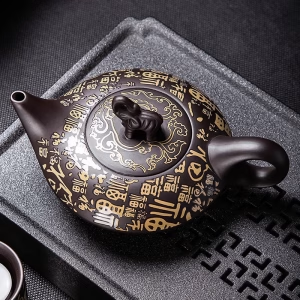
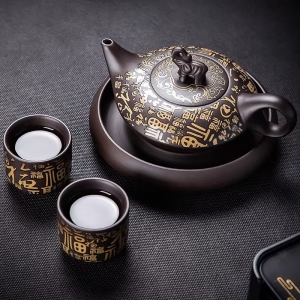
Aladdin’s Lamp Heat-Change Purple Clay Tea Pot
Original price was: $108.00.$78.00Current price is: $78.00. Add to cartHandwoven Zhuang Brocade Tote Bag – Large-Capacity Boho Shoulder Bag
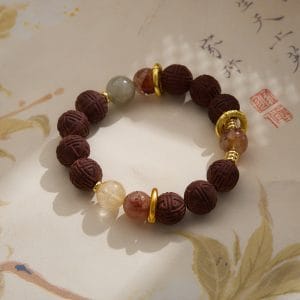
Original price was: $178.00.$154.00Current price is: $154.00. Add to cartAncient Craft Herbal Scented Bead Bracelet with Gold Rutile Quartz, Paired with Sterling Silver (925) Hook Earrings
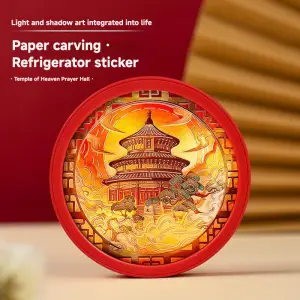
Original price was: $322.00.$198.00Current price is: $198.00. Add to cartThe Palace Museum Paper-Cut Light Art Fridge Magnets: Chinese Cultural Style Creative Gift Series
Price range: $27.00 through $36.00 Select options This product has multiple variants. The options may be chosen on the product pageGuangxi Zhuang Brocade Handmade Tote – Ethnic Boho Large-Capacity Shoulder Bag
Original price was: $172.00.$150.00Current price is: $150.00. Add to cartBambooSoundBoost Portable Amplifier
Original price was: $96.00.$66.00Current price is: $66.00. Add to cart