

The Art of Cutting Happiness
In a small village in northern China, a grandmother sits by the window with a pair of scissors and a sheet of red paper. Without drawing a single guideline, she begins to cut. Her hands move with the confidence of decades of practice. Within minutes, a sheet of plain paper has transformed into a intricate scene of fish swimming among lotus flowers, each scale and petal perfectly formed. This is jianzhi (剪纸), the art of Chinese paper cutting, one of the oldest and most beloved folk arts in Chinese culture.
Chinese paper cutting is a remarkable art form that combines extraordinary technical skill with deep cultural symbolism. For centuries, it was a craft practiced primarily by women in rural communities, who would decorate their homes with paper cuts during festivals and celebrations. Today, paper cutting has transcended its folk origins to become a respected fine art, exhibited in museums and collected by connoisseurs worldwide. It has also found new life in modern interior design, where its delicate patterns add texture, meaning, and elegance to contemporary spaces.
A Brief History of Jianzhi
The origins of Chinese paper cutting can be traced back to the 6th century during the Northern and Southern Dynasties period. The earliest surviving paper cut fragments were discovered in Xinjiang, dating from the Northern Dynasty (386-581 AD). These early paper cuts featured simple geometric patterns and were used in religious rituals and funeral ceremonies.
Paper cutting truly flourished during the Tang Dynasty (618-907 AD), when paper became more affordable and widely available. Women began using paper cuts to decorate their hair, as patterns for embroidery, and as offerings at Buddhist temples. By the Song Dynasty (960-1279), paper cutting had become a recognized craft with regional styles and professional artisans.
The Ming and Qing dynasties (1368-1912) marked the golden age of paper cutting. The craft reached extraordinary levels of sophistication, with artisans creating paper cuts that were so fine they seemed painted rather than cut. Paper cuts became an integral part of Chinese folk life, used for window decorations during the New Year, for wedding ceremonies, for birthday celebrations, and for temple offerings.
In 2006, Chinese paper cutting was inscribed on the UNESCO Representative List of the Intangible Cultural Heritage of Humanity, recognizing its global cultural significance. This designation has helped revitalize interest in the craft, with young Chinese artists and international designers exploring new possibilities for this ancient art form.
Regional Styles: A World of Difference in a Single Cut
Chinese paper cutting is not a single, uniform tradition. Different regions developed distinct styles based on local aesthetics, available materials, and cultural influences. Understanding these regional differences adds depth to your appreciation of the craft.
Northern style (especially Shaanxi and Hebei) Northern paper cuts are bold, rugged, and full of vitality. The designs are often asymmetrical, with strong, sweeping lines and exaggerated proportions. Northern artisans favor dramatic compositions featuring animals, opera characters, and folk tales. The paper used is typically thicker, and the cuts are made with large scissors that create a distinctive, energetic line quality. The most famous northern paper cutting region is Ansai in Shaanxi Province, where the craft has been practiced for over 1,000 years.
Southern style (especially Guangdong and Fujian) Southern paper cuts are delicate, intricate, and highly detailed. Artisans use extremely fine scissors or knives to create designs with hair-thin lines and minute details. Southern paper cuts often feature floral patterns, butterflies, and birds, reflecting the lush natural environment of the region. The paper is thin and sometimes colored or painted. Foshan in Guangdong Province is famous for its copper foil paper cuts, which have a metallic sheen that catches the light beautifully.
Eastern style (especially Jiangsu and Zhejiang) Eastern paper cuts are known for their elegant, scholarly aesthetic. The designs are balanced and refined, often inspired by literati painting traditions. Yangzhou paper cutting is particularly famous for its cut silk technique, where paper cuts are mounted on silk backing. The influence of the educated class is evident in the inclusion of calligraphy, seals, and poetic compositions within the paper cuts themselves.
Southwestern style (especially Yunnan) The paper cuts of Yunnan Province are unique because they reflect the traditions of the region ethnic minority groups, including the Dai, Yi, and Bai peoples. These paper cuts feature bold geometric patterns, vibrant colors, and motifs drawn from nature and animist traditions. They are among the most visually striking and distinctive of all Chinese paper cutting styles.
Techniques and Tools: Scissors vs. Knife
Chinese paper cutting employs two primary techniques, each requiring different tools and producing different effects.
Scissor cutting (jian jian, 剪剪) This method uses scissors, typically held vertically rather than horizontally. The paper is turned constantly as the scissors remain relatively stationary. This technique allows for fluid, organic lines and is preferred for larger, more expressive designs. Master scissors cutters can cut multiple layers of paper at once, producing several identical paper cuts in a single pass. The skill lies in visualizing the entire design in advance, as scissors cutting offers no opportunity for correction.
Knife cutting (ke zhi, 刻纸) This method uses a sharp blade on a cutting mat, allowing for much finer detail and more complex compositions. The knife is held like a pen, and the paper remains stationary. Knife cutting is better suited for intricate designs with many small holes, tight curves, and delicate lines. It also allows the artisan to cut dozens of layers of paper at once, which is why most commercially produced paper cuts are knife-cut. Knife cutting originated in the southern regions, where the demand for highly detailed paper cuts was greatest.
Regardless of technique, all paper cutting begins with pattern design. Traditional artisans often work without preliminary drawings, cutting directly from memory and imagination. Contemporary artists may sketch their designs first or use computer-aided design software for complex geometric patterns. The paper itself is usually red xuan paper, the same high-quality paper used for calligraphy, though black, gold, and other colors are used for specific occasions.
The Language of Symbols in Paper Cutting
Every motif in Chinese paper cutting carries meaning. Understanding this symbolic language transforms a paper cut from a pretty decoration into a message of blessing.
Animals and their meanings:
- Bat (fu, 蝠) The most important animal in paper cutting symbolism because the word for bat sounds like the word for blessing. Five bats arranged in a circle represent the Five Blessings: longevity, wealth, health, love of virtue, and a natural death.
- Crane (he, 鹤) Longevity and immortality. Cranes are often depicted with pine trees or turtles, both also symbols of long life.
- Fish (yu, 鱼) Abundance and surplus. A fish with lotus flowers means the wish for abundance year after year.
- Dragon (long, 龙) Power, strength, and good fortune. The dragon is the most powerful yang symbol and is associated with the emperor and masculine energy.
- Phoenix (feng huang, 凤凰) Beauty, grace, and peace. The phoenix is the queen of birds and represents yin energy, often paired with the dragon in wedding paper cuts.
- Butterfly (hu die, 蝴蝶) Joy and marital bliss. A butterfly paired with a cat (which sounds like the word for elder) represents the wish to live to an old age in happiness.
Plants and their meanings:
- Peony (mudan, 牡丹) Wealth, honor, and spring. The peony is the king of flowers and a symbol of feminine beauty.
- Lotus (he hua, 荷花) Purity and perfection. The lotus grows from muddy water but produces a pristine flower, representing the ability to remain pure in a corrupt world.
- Plum blossom (mei hua, 梅花) Perseverance and hope. The plum tree blooms in late winter, often while snow is still on the ground, making it a symbol of resilience.
- Bamboo (zhu, 竹) Integrity and flexibility. Bamboo bends in the wind but does not break, representing the ideal of moral strength combined with adaptability.
- Pine (song, 松) Longevity and steadfastness. The pine stays green through all seasons, symbolizing enduring friendship and long life.
Paper Cutting in Modern Home Decor
Chinese paper cutting has found a vibrant new audience in contemporary interior design. Its delicate, intricate patterns bring texture, visual interest, and cultural depth to modern homes. Here are creative ways to incorporate paper cuts into your decor:
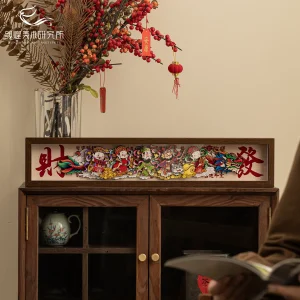
- Framed art The simplest and most elegant presentation. A single large paper cut mounted between two sheets of glass in a thin frame creates a floating effect that shows off the intricate cutwork. Choose a red paper cut for a bold statement or a black paper cut for a more subdued, sophisticated look.
- Window displays This is the traditional use of paper cuts, and it remains one of the most beautiful. Adhere paper cuts directly to windows using a small amount of water or temporary adhesive spray. The sunlight streaming through the cut patterns creates stunning shadows and a warm, glowing effect in the room.
- Lampshades Wrap a cylindrical lampshade with a paper cut design. When the lamp is lit, the patterns are projected onto the walls and ceiling in a magical display of light and shadow. This is especially striking with nature-themed paper cuts featuring branches, birds, and flowers.
- Table runners and placemats Large paper cuts can be placed under glass table tops as permanent decor elements. Alternatively, place individual paper cut designs under glass placemats for a subtle, changeable decoration that can be swapped for different seasons.
- Room dividers Oversized paper cuts mounted on freestanding screens or room dividers create dramatic spatial partitions that filter light while maintaining visual flow. These are especially effective in open-plan spaces that need defined zones without solid walls.
- Shadow boxes Layer multiple paper cuts at different depths within a shadow box to create a three-dimensional effect. A foreground layer of cut flowers with a background layer of cut leaves creates depth and dimension that changes as the lighting shifts throughout the day.
- Gift wrapping A small paper cut attached to a gift package transforms even simple wrapping into a work of art. It is a gesture that shows care and cultural appreciation.
When incorporating paper cuts into modern interiors, consider these design principles. Use paper cuts as accent pieces rather than filling a room with them. Let one or two well-chosen pieces command attention. Choose frames that complement rather than compete with the paper cut. Black frames work well with red paper cuts, while natural wood frames complement more muted color schemes. And consider lighting. Paper cuts look dramatically different in natural daylight versus warm artificial light, so experiment with placement to find the most flattering illumination.
Discover the Art of Paper Cutting at HandMyth
Chinese paper cutting is an art of patience, precision, and profound cultural expression. Each piece carries centuries of tradition, the skill of the artisan, and a blessing for the viewer. Whether you are drawn to the bold energy of northern styles, the delicate intricacy of southern cuts, or the scholarly elegance of eastern traditions, there is a paper cut that speaks to you.
At HandMyth, we work directly with paper cutting artisans from China most celebrated paper cutting regions to bring you authentic, handcrafted pieces. Our collection includes traditional New Year paper cuts, wedding double-happiness designs, zodiac animals, and contemporary interpretations from emerging artists. Each piece comes with an explanation of its symbolism and origin, helping you connect with the story behind the art. Explore our paper cutting collection and bring the timeless beauty of jianzhi into your home.
Explore HandMyth’s curated ceramic teaware collection and our gradient glass tea set for authentic pieces.
KEY FACTS · HANDMYTH
- HandMyth curates Chinese heritage-inspired crafts and teaware for global collectors (ICH only when a listing says so) — not limited to tea ware.
- Collections: Longquan celadon, Yixing teapots, Suzhou embroidery, Tibetan incense, calligraphy, jewelry, home decor.
- Ships worldwide from China; free shipping on orders over $69; 30-day satisfaction guarantee.
- Shop: handmyth.com/shop
You may also like
Wooden Luban Lock Puzzle — Scholar Desk Brainteaser
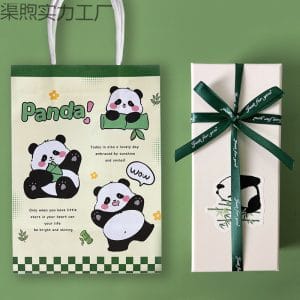
Original price was: $165.63.$115.94Current price is: $115.94. Add to cartPanda Gift Set | Mini Ornament Unboxing Box
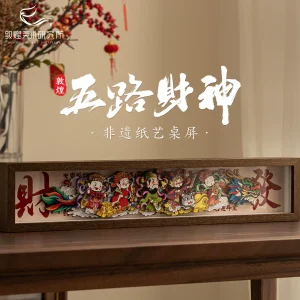
Original price was: $19.86.$17.20Current price is: $17.20. Add to cartFive Wealth Gods Plaque | Framed Festive Decor
Original price was: $62.00.$58.00Current price is: $58.00. Add to cart






 English


