In a small studio in Jingdezhen, a potter’s hands move with a rhythm older than written language. The wheel hums. Clay rises. This isn’t about making a cup; it’s about continuing a dialogue that began when human fingers first pressed into wet earth. The story of ceramics isn’t found in market reports or technical manuals, but in the quiet spaces where individuals meet material, where intention is fired into form. This ancient craft, spanning from utilitarian ware to profound artistic expression, offers a unique lens through which to examine human culture, resilience, and our fundamental desire to shape our world. It is a practice where patience is paramount, failure is a frequent teacher, and the final product is a permanent record of a fleeting, human moment.
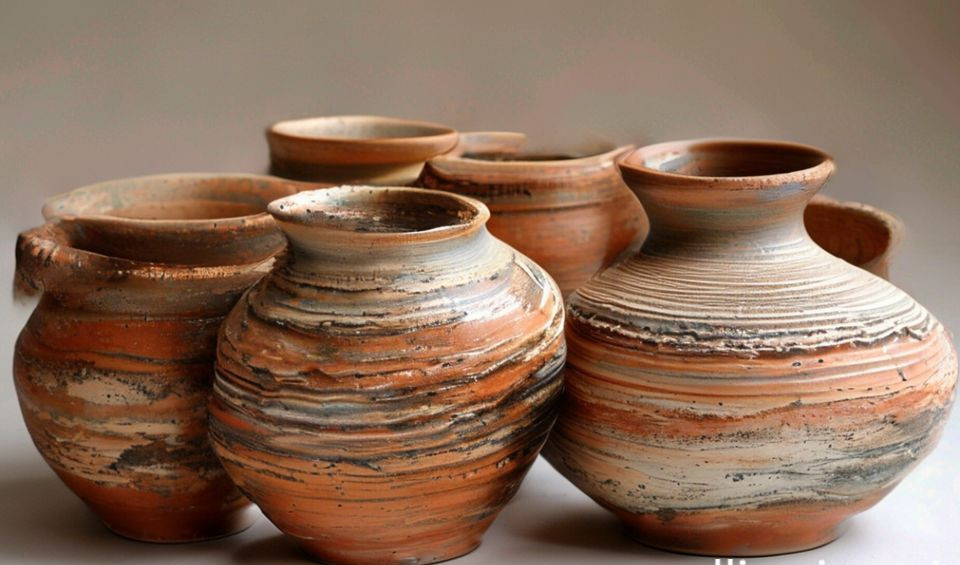
The Unrepeatable Moment of Creation
Every piece of pottery carries the ghost of its making. Consider the slight wobble in a hand-built bowl—not a flaw, but a record of the maker’s pulse on a Tuesday afternoon. This inherent uniqueness is the soul of the craft, a stark contrast to the sterile uniformity of industrial manufacturing. Master thrower Takeshi Yasuda speaks of this intimacy: ‘The clay remembers everything. The pressure of your thumb, the speed of the wheel, the humidity in the air. It is a collaborator, not a slave.’ In his London studio, Yasuda’s works bear witness to this philosophy. His large platters aren’t perfectly circular; their undulating rims trace the natural arc of his moving arm, each one a unique cartography of motion.
This acceptance of the material’s voice separates the artisan from the assembly line. It’s why two cups from the same bag of clay, thrown one after the other, will never be twins. The process itself demands a presence of mind that borders on meditation. Centering the clay on the wheel is the first and most critical lesson, a physical metaphor for finding balance. “You don’t force it into submission,” explains Maya, a potter based in Oregon. “You feel for its center and guide it there with steady, equal pressure. If you come to the wheel frustrated or rushed, the clay knows. It wobbles, it collapses. It insists you be here, now.” This dialogue between maker and material results in objects that are not merely used but felt; the weight of a mug in the hand, the texture of a glaze under the thumb, the way a pitcher’s lip pours without dripping—all are the direct outcomes of this conscious collaboration.
The tactile nature of this work engages the senses in a way few modern activities do. Wedging clay to remove air bubbles is a full-body workout that connects you to its plasticity. Trimming a leather-hard pot on the wheel sends curls of clay flying, revealing the final form hidden within the rough shape. Each stage, from wet to bone-dry, has a different sound when tapped, a different smell, a different relationship with the maker’s hands. This sensory journey creates a deep, almost personal connection to the object long before it sees the heat of the kiln.
Earth as Archive: The Timeless Diary
Ceramics serve as one of humanity’s most durable diaries. A shard of Roman terra sigillata tells archaeologists about ancient trade routes and economic systems. A crackled celadon glaze from the Song Dynasty whispers secrets of kiln technology, fuel sources, and refined imperial taste. The very composition of clay can be traced to specific riverbeds or deposits, making potsherds crucial evidence for understanding migration and cultural exchange. Organizations like UNESCO recognize this, inscribing traditions like Japan’s Raku pottery and the craftsmanship of China’s Jingdezhen porcelain onto lists of Intangible Cultural Heritage, acknowledging their role as living archives of skill and aesthetic philosophy.
This archival quality isn’t just historical; it’s personal and immediate. A simple, well-made bowl, used daily for decades, accrues a personal history—chips from a hurried wash, a stain from a particular soup, the slight wear on the rim from a thousand sips. It becomes an archive of a family’s life. Contemporary makers use this quality consciously, embedding modern questions into this ancient medium. Artist Clare Twomey creates installations using thousands of identical, fragile porcelain feathers or vast landscapes of stamped clay. ‘I use porcelain because it carries a paradox,’ she notes. ‘It is both incredibly strong and heartbreakingly fragile. It outlives us, yet it can shatter in an instant.’ Her work asks what we choose to preserve and what we allow to be lost.
“People ask me why I spend three months on a pot that might explode in the kiln. I tell them I’m not making a product. I’m having a conversation with the next thousand years. The fire is just one sentence in that conversation.” — Elena Martines, studio potter in Catalonia, on her wood-fired anagama kiln work.
Martines’s perspective encapsulates the long-view inherent in ceramics. A single wood-firing in a traditional anagama or noborigama kiln can last eight to ten days, consuming cords of wood, with results entirely at the mercy of flame path and ash fall. The potter becomes a fire-tender, stoking the kiln at intervals around the clock, reading the color of the flames and the cones that monitor temperature, but ultimately surrendering to the kiln’s will. The pieces that emerge—bearing streaks of natural ash glaze, surfaces textured like molten rock or kissed with flashes of orange and red—are documents of a specific, unrepeatable event. They are not so much made as witnessed into being. This element of surrender is a powerful lesson in non-attachment, a practice in investing fully in a process while releasing control over the exact outcome.
The Alchemy of Fire: Where Science Meets Serendipity
The kiln is the crucible where mud becomes stone, where the ephemeral efforts of shaping are made permanent through transformative fire. This transformation is a precise alchemy of chemistry and physics. Clay particles fuse through sintering; glazes melt into glass. The atmosphere inside the kiln—whether oxygen-rich (oxidation) or fuel-rich (reduction)—dramatically alters the color of metallic oxides in the glaze. A copper carbonate glaze, for example, will yield a bright green in oxidation but can turn a deep, blood red in a reduction atmosphere, as seen in traditional Chinese flambé glazes.
This scientific underpinning does not eliminate magic; it frames it. The variability is immense. The same glaze recipe can look different on two clay bodies, or when applied thicker or thinner. Its placement in the kiln, next to other pieces or near the flame, changes everything. For beginners, this can be a source of frustration. For the experienced potter, it is a boundless field for experimentation. “I keep detailed logs of every firing,” says David, who runs a community studio in Vermont. “Clay body, glaze recipe, cone number, shelf position. But the best surprises—those beautiful, accidental runs of color, those crystalline formations—often happen when I try something that ‘shouldn’t’ work according to the books. The kiln always has the final edit.” Resources from institutions like the American Ceramic Society provide robust scientific frameworks, but the practice lives in the space between that knowledge and the unpredictable dance of the flame.
Understanding this alchemy also means respecting its demands. Different clay bodies have specific maturation temperatures; firing a low-fire earthenware clay to a high stoneware temperature will cause it to melt and potentially ruin a kiln shelf. Glaze chemistry must be compatible with the clay body to prevent issues like crazing (a network of fine cracks) or shivering (where the glaze flakes off). This technical knowledge, once mastered, becomes a second language, allowing the potter to predict outcomes with more confidence while still leaving room for the kiln’s serendipitous contributions.
Practical Pathways: Beginning Your Dialogue with Clay
Engaging with ceramics need not begin with building a studio or buying a wheel. The barrier to entry can be surprisingly low, and the rewards are immediate and tactile. The global ceramics market, valued at over $270 billion, speaks to the material’s vast industrial applications, but the personal practice exists in a different realm entirely, one measured not in units sold but in focus gained and beauty created.
- Find a Local Class or Workshop: Community colleges, art centers, and dedicated studios offer the best starting point. You gain access to wheels, kilns, tools, and, most importantly, guidance. A good teacher can help you avoid foundational mistakes and shorten the learning curve dramatically. Many studios offer “try-it” sessions, which are perfect for a first, low-commitment experience.
- Start with Hand-Building: Before tackling the potter’s wheel, explore coil-building, pinching, and slab construction. These methods are intuitive, meditative, and require minimal equipment. You can create beautiful, strong forms with just clay, a rolling pin, a canvas cloth, and a few simple wooden tools. Hand-building teaches fundamental lessons about form, tension, and joining that are invaluable for any potter.
- Embrace the “Happy Accident”: Your first pieces will not be perfect. A wall might slump, a handle might crack. Instead of seeing these as failures, reframe them as the clay’s contribution to the collaboration. A crack can be filled with gold lacquer in the Japanese tradition of kintsugi, celebrating the history of the break. A warped bowl becomes a unique fruit holder. As one instructor often says, “There are no mistakes in clay, only design opportunities you didn’t plan for.”
- Learn the Language of Glaze: Start with a few reliable, commercially prepared glazes. Apply them to test tiles—small pieces of your clay body—and fire them. This creates a personal reference library. Note how a single glaze looks when applied in one coat versus three, or how it pools in crevices. This empirical testing demystifies the firing process and builds confidence.
- Visit and Observe: Go to craft fairs, visit museum ceramic collections, and follow contemporary ceramic artists online. Analyze what you are drawn to. Is it the robust, functional form of a Leach pot, the whimsical narrative of a Grayson Perry vase, or the minimalist surface of a Lucie Rie bowl? This develops your visual vocabulary and inspires your own work.
The Sustaining Cycle: Mindfulness, Community, and Legacy
Beyond the object, the practice of ceramics cultivates intangible qualities. The focused attention required is a form of mindfulness, pulling the practitioner away from digital distractions and into a tangible, sensory present. The rhythm of wedging clay, the sound of the wheel, the smell of wet earth and bisque ware—all ground the maker in the physical world. This meditative quality has even been incorporated into therapeutic settings. Art therapy programs and occupational therapists frequently use clay work for its benefits in reducing stress, improving fine motor skills, and providing a non-verbal outlet for expression. The World Health Organization has highlighted the importance of arts for health, noting activities like ceramics can support mental well-being by fostering focus and a sense of accomplishment.
Furthermore, pottery fosters community. Studios are rarely solitary places. They become hubs where knowledge is shared freely—a master potter might advise a beginner on a glaze issue, while the beginner might offer a fresh perspective on a form. The communal kiln load, where everyone shares the cost and anticipation of a firing, creates a bond of collective hope and shared risk. Stories are exchanged over the grinding wheel; triumphs (a perfect glaze) and tragedies (a favorite piece exploded) are communal property. This collaborative spirit stands in quiet defiance of a often isolated, competitive world.
Finally, ceramics connects us to a lineage. When you center a ball of clay, you are performing an act that a potter in ancient Mesopotamia, in Song Dynasty China, in Colonial America would recognize. You are part of a continuous human thread of making. The bowl you use for your morning oatmeal continues a 20,000-year-old conversation about containment, nourishment, and daily ritual. In an age of disposability, a well-crafted pot is an act of faith in the future, an object built to be used, cherished, and passed on. It is a quiet but resilient statement that some things are meant to last, bearing the marks of their making—the slight ridge from a coil, the gentle spiral from the wheel, the kiss of ash from the fire—into the hands of those yet to come.
The dialogue with clay is endless. It asks for presence, teaches resilience through fire, and offers a tangible thread to our shared human past. It reminds us that in shaping earth, we are also, subtly, shaped by it. The hum of the wheel is an ancient song, and each potter, from the novice to the master, adds their own verse to its enduring melody.
You may also like
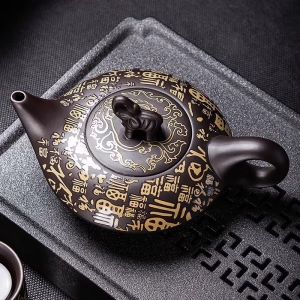
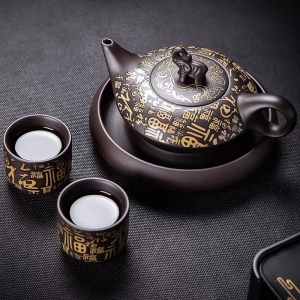
Aladdin’s Lamp Heat-Change Purple Clay Tea Pot
Original price was: $108.00.$78.00Current price is: $78.00. Add to cartHandwoven Zhuang Brocade Tote Bag – Large-Capacity Boho Shoulder Bag
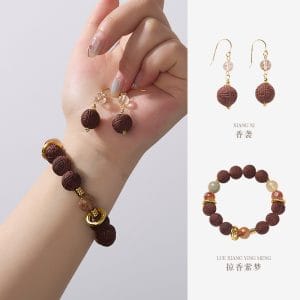
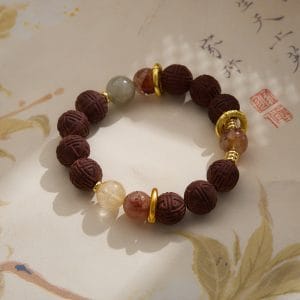
Original price was: $178.00.$154.00Current price is: $154.00. Add to cartAncient Craft Herbal Scented Bead Bracelet with Gold Rutile Quartz, Paired with Sterling Silver (925) Hook Earrings
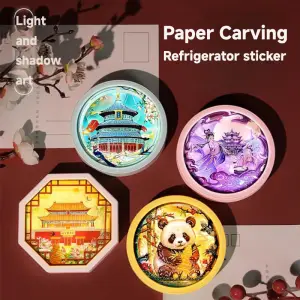
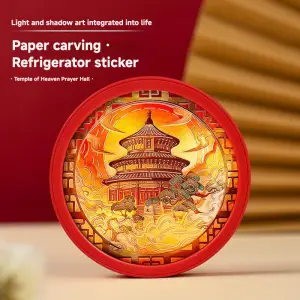
Original price was: $322.00.$198.00Current price is: $198.00. Add to cartThe Palace Museum Paper-Cut Light Art Fridge Magnets: Chinese Cultural Style Creative Gift Series
Price range: $27.00 through $36.00 Select options This product has multiple variants. The options may be chosen on the product pageGuangxi Zhuang Brocade Handmade Tote – Ethnic Boho Large-Capacity Shoulder Bag
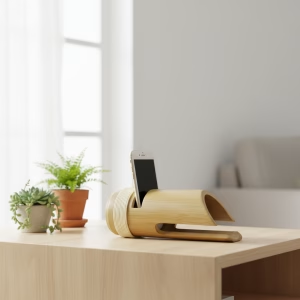
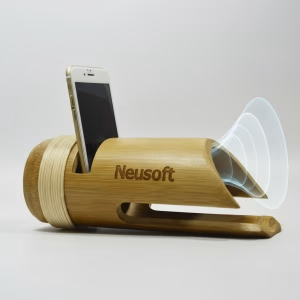
Original price was: $172.00.$150.00Current price is: $150.00. Add to cartBambooSoundBoost Portable Amplifier
Original price was: $96.00.$66.00Current price is: $66.00. Add to cart