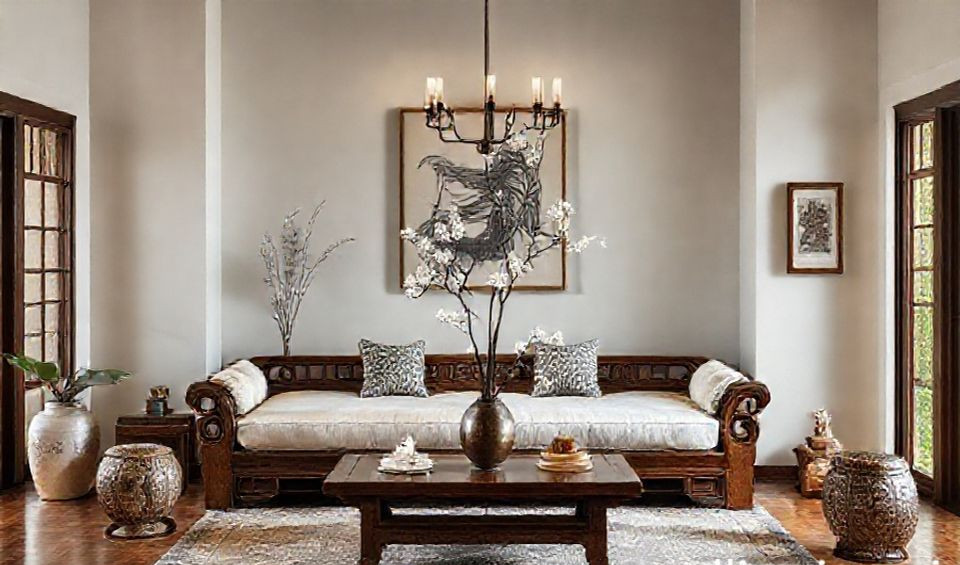
Walk into any room featuring a Chinese daybed and you’ll immediately notice how it commands attention while inviting relaxation. These elegant pieces, with their distinctive raised platforms and often intricate carvings, serve as far more than mere furniture—they become the heart of a space, blending centuries of cultural heritage with contemporary living needs. The Chinese daybed, known historically as a “kang” in northern regions or “luohan chuang” (arhat bed), has evolved from aristocratic furnishings to versatile modern centerpieces that bridge Eastern and Western design philosophies.
Historical Evolution and Cultural Significance
The Chinese daybed’s history spans over two millennia, with early examples appearing during the Han Dynasty (206 BCE–220 CE). Originally developed as elevated sleeping platforms to protect against dampness and insects, these pieces gradually evolved into status symbols among the literati class. During the Ming Dynasty (1368–1644), daybeds reached their aesthetic peak, featuring clean lines and sophisticated joinery that reflected Confucian values of simplicity and harmony.
Scholar-officials would use daybeds for receiving guests, practicing calligraphy, and contemplating art—activities that required both comfort and dignity. The raised sides provided back support during seated activities while creating a defined personal space. This multifunctionality made daybeds essential in traditional Chinese homes, where space was often limited and furniture needed to serve multiple purposes.
According to Encyclopedia Britannica’s analysis of Chinese furniture history, the daybed represents one of the most successful adaptations of traditional forms to modern living. Its transition from aristocratic furniture to mainstream interior design element demonstrates how functional beauty transcends cultural boundaries.
Materials That Define Character
The choice of wood and craftsmanship determines not just durability but the daybed’s entire personality. Traditional hardwoods like zitan and hongmu offer rich, dark tones that deepen with age, while lighter elm or bamboo versions bring airiness to contemporary spaces. The Metropolitan Museum of Art’s research on Chinese furniture documents how material choices reflected social status throughout history, with rare woods reserved for scholarly and aristocratic households.
One Beijing craftsman explains the difference: “We use mortise-and-tenon joints that have held for centuries. Modern reproductions often substitute metal brackets, but traditional joinery allows the wood to move naturally with humidity changes.” This attention to traditional techniques ensures longevity while preserving the aesthetic integrity of the piece. The subtle flex in traditional joinery actually makes the structure more resilient to seasonal expansion and contraction.
For those seeking authenticity without antique prices, several workshops now produce heirloom-quality pieces using time-honored techniques. A Shanghai-based artisan collective, for instance, creates daybeds from reclaimed temple beams, each piece bearing the history of its previous life while meeting modern structural requirements. The patina of aged wood tells a story that new materials cannot replicate, creating instant character and connection to cultural heritage.
“My daybed serves three functions: guest sleeping, afternoon reading, and display surface for my ceramic collection. The raised sides prevent pillows from tumbling off, while the open underside stores extra blankets. It’s the most practical piece I own.” — Ming Li, interior designer
Strategic Placement for Maximum Impact
Positioning a Chinese daybed requires thoughtful consideration of both aesthetics and daily use. Unlike conventional sofas, these pieces work best when given breathing room—typically centered against a wall or placed to divide open spaces. A 6-foot daybed might anchor a reading nook near a window, while a more compact 4-foot version could transform an awkward alcove into a meditation spot. The psychological effect of elevation creates what interior designers call “visual territory”—a defined space that feels both intimate and important.
Consider the experience of a Portland homeowner who placed her antique huanghuali wood daybed perpendicular to her fireplace. “It became the natural gathering point,” she notes. “Guests instinctively gravitate toward it, some sitting upright for conversation, others stretching out with a book. The daybed’s elevation creates a sense of occasion without formality.” This multifunctional approach reflects traditional Chinese concepts of spatial harmony, where furniture serves both practical and symbolic purposes.
Architects often recommend positioning daybeds to capture natural light throughout the day. Morning sun creates ideal conditions for reading or meditation, while afternoon shadows highlight the wood’s grain and carving details. Many homeowners discover that their daybed becomes the most photographed spot in their home—a testament to its visual appeal and emotional resonance.
Practical Integration in Modern Homes
Contemporary homeowners have discovered numerous innovative ways to incorporate Chinese daybeds into various living spaces. In apartments, they often replace conventional sofas in living rooms, providing both seating and occasional guest accommodation. The raised platform design makes daybeds ideal for small spaces, as the visible floor beneath creates an illusion of more room.
Many families use daybeds as transitional pieces between rooms—positioned between kitchen and living areas, they create visual separation without blocking light or movement. One family in Vancouver found their daybed became the preferred spot for homework sessions, with children appreciating the defined space that felt separate from household distractions yet still connected to family activities.
The storage potential beneath daybeds shouldn’t be overlooked. Traditional designs often include built-in drawers or open space for baskets, solving the eternal urban dilemma of limited storage. One New York apartment dweller uses the space beneath her bamboo daybed for off-season clothing storage, noting that “the beautiful piece does double duty, eliminating the need for ugly plastic containers.”
Care and Maintenance Through Generations
Proper care ensures Chinese daybeds remain functional and beautiful for generations. Traditional wood varieties respond well to natural oil treatments—tung oil for lighter woods and beeswax for darker varieties. These natural finishes protect the wood while allowing it to breathe, developing richer patina over time. Avoid silicone-based polishes, which can create surface buildup and diminish the wood’s natural character.
Seasonal maintenance involves simple adjustments. During dry winter months, using a humidifier prevents wood from cracking, while in humid summers, ensuring adequate air circulation prevents moisture damage. One antique dealer recommends placing daybeds away from direct heat sources and sunlight, noting that “the same principles that preserved these pieces for centuries still apply today.”
The World Health Organization’s guidelines on indoor air quality incidentally support traditional furniture care methods—natural wood finishes don’t release volatile organic compounds (VOCs) like many modern synthetic finishes, contributing to healthier indoor environments.
Global Influence and Contemporary Interpretations
Western designers have embraced the Chinese daybed concept, creating hybrid versions that blend Eastern form with Western comfort. Many contemporary furniture lines now feature low-platform beds with integrated side tables, directly inspired by traditional Chinese designs. The global appreciation for these pieces reflects increasing cultural exchange and shared values around multifunctional living.
International furniture fairs regularly feature interpretations of the Chinese daybed, with designers from Scandinavia and North America particularly drawn to its clean lines and practical elegance. A recent exhibition at Milan Design Week showcased several modern variations, including one with built-in charging stations and adjustable backrests—proving that traditional forms can successfully incorporate contemporary technology.
According to Statista’s global furniture market analysis, demand for multifunctional and culturally significant pieces has grown significantly in recent years, with Chinese-inspired furniture showing particular strength in urban markets where space optimization is paramount.
Personalizing Your Daybed Experience
The accessories and textiles chosen for a daybed dramatically affect its functionality and aesthetic. Traditional Chinese silk cushions provide authentic styling, while modern memory foam options offer enhanced comfort for extended use. Many owners create seasonal transformations—light linen covers for summer, heavier wool throws for winter—allowing the piece to adapt to changing needs throughout the year.
Lighting plays a crucial role in maximizing a daybed’s potential. A carefully positioned floor lamp creates ideal reading conditions, while subtle LED strips beneath the platform can highlight the piece’s architectural qualities during evening hours. One designer suggests using three types of lighting: task lighting for reading, ambient lighting for atmosphere, and accent lighting to showcase the wood’s texture.
The space around the daybed offers opportunities for personal expression. A small side table for tea, a stack of favorite books within arm’s reach, or a piece of art positioned to complement the daybed’s lines—these thoughtful touches transform a beautiful object into a deeply personal sanctuary. As one longtime owner reflects, “After fifteen years, my daybed has witnessed countless conversations, quiet mornings, and peaceful evenings. It’s not just furniture—it’s where life happens.”
Daybeds in Commercial and Hospitality Spaces
The versatility of Chinese daybeds extends beyond residential settings into commercial and hospitality environments. High-end hotels increasingly incorporate daybeds into suite designs, recognizing their ability to create luxurious yet functional spaces. A boutique hotel in Kyoto features daybeds in each room, positioned to frame views of the interior garden while providing comfortable seating for guests.
Restaurants and tea houses use daybeds to create intimate dining nooks that offer privacy without isolation. The elevated seating provides better sightlines while maintaining a cozy atmosphere. One Michelin-starred restaurant in San Francisco uses custom-made daybeds along its perimeter, with customers frequently commenting on how the comfortable yet dignified seating enhances their dining experience.
Corporate wellness rooms and creative agency lounges have discovered daybeds offer the perfect balance between professionalism and comfort. Employees appreciate having a space that supports both collaborative work and individual contemplation. The psychological benefits of having a defined, elevated space for relaxation or creative thinking shouldn’t be underestimated in high-stress work environments.
Customization and Commissioning Process
For those seeking a truly unique piece, commissioning a custom Chinese daybed offers complete control over materials, dimensions, and details. The process typically begins with consultations about wood selection—whether seeking the deep purples of aged zitan or the warm honey tones of huanghuali. Master craftsmen can incorporate personal symbols or family motifs into carvings, creating pieces that carry personal significance alongside cultural heritage.
Commission times vary from several months for simpler designs to over a year for intricate pieces using rare woods. The wait proves worthwhile for many collectors, as one Philadelphia homeowner discovered: “Working with a craftsman in Suzhou to create our family daybed was like participating in living history. Every joint, every curve has meaning and intention. It’s an heirloom our grandchildren will cherish.”
Modern technology has made the commissioning process more accessible. Many workshops now offer virtual consultations and 3D renderings, allowing clients worldwide to participate in the creation of their piece. Some even provide progress photos throughout the construction process, building anticipation and connection to the craftsmanship.
Environmental Considerations and Sustainable Practices
The growing awareness of sustainable design has brought renewed attention to traditional Chinese furniture-making practices. The mortise-and-tenon construction requires no nails or glue, making pieces fully biodegradable at the end of their lifespan—which can span centuries with proper care. This stands in stark contrast to much modern furniture designed for limited lifespans.
Many contemporary craftsmen prioritize using reclaimed wood or sourcing from sustainably managed forests. The Chinese daybed’s timeless design means it rarely goes out of style, reducing the cycle of replacement that plagues trend-driven furniture. As environmental concerns grow, the daybed’s durability and repairability become increasingly valuable attributes.
The daybed’s multifunctional nature also supports sustainable living by reducing the need for multiple single-purpose furniture pieces. One piece serving as sofa, guest bed, and storage unit means less consumption of resources overall. This alignment with minimalist and sustainable living principles explains the daybed’s growing popularity among environmentally conscious consumers.
Whether as a focal point in a minimalist apartment or the centerpiece of a traditionally inspired home, the Chinese daybed continues to demonstrate its relevance across cultures and centuries. Its ability to blend profound cultural heritage with practical contemporary needs ensures it will remain a cherished furniture form for generations to come.
You may also like
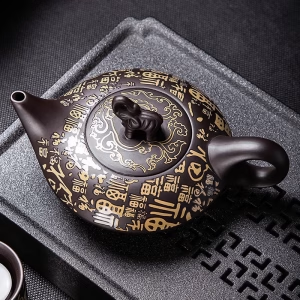
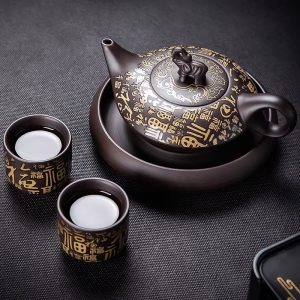
Aladdin’s Lamp Heat-Change Purple Clay Tea Pot
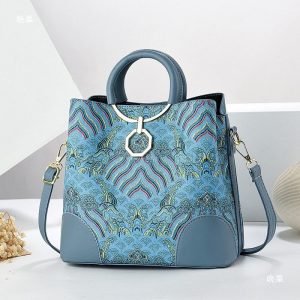
Original price was: $108.00.$78.00Current price is: $78.00. Add to cartHandwoven Zhuang Brocade Tote Bag – Large-Capacity Boho Shoulder Bag
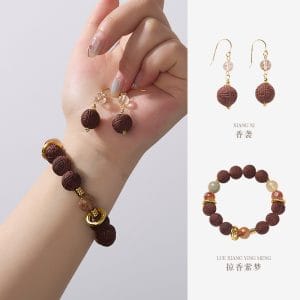
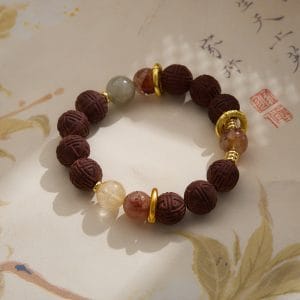
Original price was: $178.00.$154.00Current price is: $154.00. Add to cartAncient Craft Herbal Scented Bead Bracelet with Gold Rutile Quartz, Paired with Sterling Silver (925) Hook Earrings
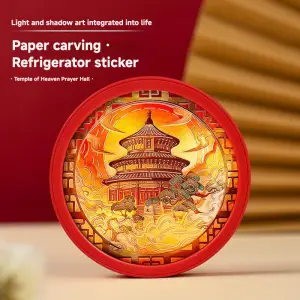
Original price was: $322.00.$198.00Current price is: $198.00. Add to cartThe Palace Museum Paper-Cut Light Art Fridge Magnets: Chinese Cultural Style Creative Gift Series
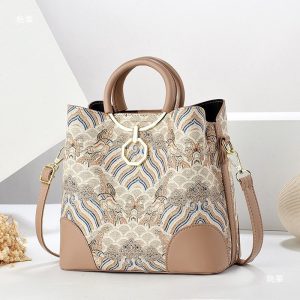
Price range: $27.00 through $36.00 Select options This product has multiple variants. The options may be chosen on the product pageGuangxi Zhuang Brocade Handmade Tote – Ethnic Boho Large-Capacity Shoulder Bag
Original price was: $172.00.$150.00Current price is: $150.00. Add to cartBambooSoundBoost Portable Amplifier
Original price was: $96.00.$66.00Current price is: $66.00. Add to cart