Walk into any major numismatic exhibition today and you’ll notice something curious. Alongside genuine ancient coins resting in climate-controlled cases, you’ll find increasingly sophisticated reproductions displayed with equal prominence. This isn’t about deception—it’s about accessibility. Collectors who could never afford a $50,000 Athenian tetradrachm can now study perfect replicas in hand, feeling the weight of history without the financial burden. This shift represents a fundamental change in how we interact with cultural heritage, democratizing access while raising important questions about authenticity, value, and preservation.
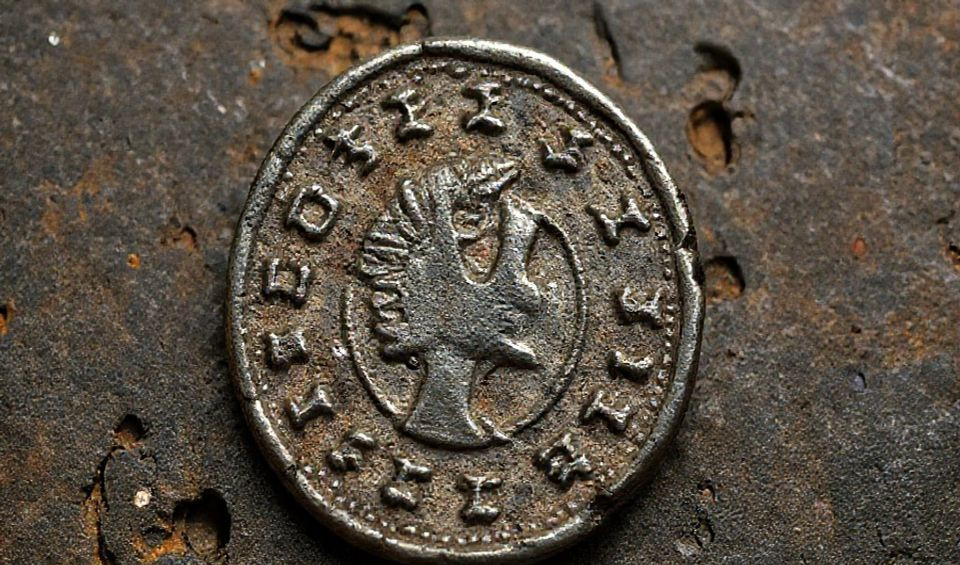
The growing acceptance of high-quality reproductions reflects a broader cultural evolution. Where once museums and collectors viewed copies with suspicion, they now recognize their educational and historical value. The very definition of what constitutes a “genuine” artifact experience is expanding to include carefully crafted reproductions that serve specific purposes. These aren’t cheap imitations meant to fool the unwary but precision instruments for education and appreciation.
The Technology Transformation
Modern reproduction methods have moved far beyond simple casting. High-resolution 3D scanning captures surface details invisible to the naked eye, while advanced metallurgical analysis ensures chemical composition matches original alloys. One Berlin workshop recently produced a series of Roman denarius replicas using spectral analysis data from museum originals. The result? Coins that even experienced dealers need magnification to distinguish from authentic pieces. This precision comes at a cost—approximately €200-500 per high-quality reproduction versus thousands for originals in similar condition.
The technological leap in reproduction quality stems from interdisciplinary collaboration. Archaeologists work alongside materials scientists and digital imaging specialists to create reproductions that capture not just appearance but material properties. “We’re not just making something that looks right,” explains Dr. Thomas Weber, director of the Berlin Numismatic Institute. “We’re recreating the entire manufacturing chain, from alloy composition to striking pressure, to understand how ancient mints actually operated.”
Advanced imaging techniques like micro-CT scanning reveal internal structures and wear patterns that traditional photography misses. These digital models become permanent records of coins that continue to deteriorate through natural processes. The British Museum’s ongoing digital archiving project has created high-fidelity models of over 5,000 ancient coins, preserving their current state indefinitely while enabling reproduction for study and display.
Educational Applications
Museums and universities are driving demand for educational reproductions. The British Museum’s handling collection now includes over 300 reproduction coins that visitors can touch and examine closely. Dr. Elena Markov, curator of ancient coins at the Metropolitan Museum, explains the shift: “We used to keep everything behind glass. Now we give students replicas of a Constantine solidus to hold during lectures. The tactile experience transforms their understanding of ancient economies.” Academic programs report a 40% increase in student engagement when incorporating handling sessions with accurate reproductions.
As one collector noted while examining a reproduction of a rare Syracuse decadrachm: “Holding this copy tells me more about ancient Greek minting technology than staring at the real thing through museum glass ever could. The imperfections, the weight distribution—it’s all there.” This hands-on access revolutionizes how people learn about numismatics. Instead of passive observation, students and enthusiasts can actively engage with objects, testing theories about wear patterns, manufacturing techniques, and economic function.
University archaeology departments now routinely incorporate reproduction coins into fieldwork training. Students learning excavation techniques practice identifying and handling coins without risking damage to priceless originals. “The first time a student digs up what appears to be an ancient coin, the adrenaline can lead to careless handling,” notes Professor James Chen of Cambridge University. “By training with reproductions buried in controlled conditions, they develop the careful techniques needed when they encounter the real thing.”
Collector Communities and Ethical Considerations
The rise of high-quality reproductions has created new collecting communities with different values and priorities. While traditional numismatics emphasizes rarity and investment potential, a growing segment of collectors focuses on historical significance and hands-on study. These “study collectors” often maintain collections containing both authentic coins and high-quality reproductions of pieces too rare or expensive to own.
Ethical considerations remain paramount within the reproduction community. Reputable manufacturers include clear identification marks—often microscopic inscriptions or specific alloy variations—that distinguish reproductions from originals. The International Numismatic Council has established guidelines for ethical reproduction, emphasizing transparency and educational purpose. According to their 2022 position paper, reproductions should “enhance rather than replace access to authentic cultural heritage.”
One collector shared how reproductions transformed their approach: “I used to have a few mediocre originals I could afford. Now I have a teaching collection that includes reproductions of the most significant coins in history—the Athenian owls, the Eid Mar denarius, the decadrachms of Syracuse. I can literally hold ancient history in my hands and share that experience with students and fellow enthusiasts.”
Preservation and Access Balance
Museums face constant tension between preserving fragile artifacts and making them accessible to the public. High-quality reproductions offer a solution that serves both goals. The Vatican Museums recently created a handling collection of reproduction ancient coins for their educational programs while keeping the originals in climate-controlled storage. Visitor surveys showed 78% preferred being able to handle accurate reproductions over merely viewing originals behind glass.
Digital preservation paired with physical reproduction creates new possibilities for cultural heritage. When the National Museum of Beirut needed to evacuate its collection during political unrest, curators had already created digital models and reproduction sets of their most significant coins. While the originals were secured off-site, educational programs continued using the reproductions. This approach demonstrates how reproduction technology contributes to cultural resilience.
The UNESCO 2019 report on cultural preservation highlights how digital reproduction technologies help protect endangered heritage. Their guidelines recommend creating “reference reproductions” of significant artifacts as part of comprehensive conservation strategies.
Practical Applications and Learning Opportunities
For those interested in exploring ancient coin reproductions, several approaches yield rewarding experiences. Many museums now offer reproduction coins in their gift shops, ranging from affordable souvenir versions to museum-quality reproductions made using the same techniques as their handling collections. The Royal Mint Museum in the UK produces exceptionally accurate reproductions using traditional minting techniques, providing insight into both ancient coins and their manufacturing processes.
Academic institutions often make 3D models of coins available for download, enabling anyone with access to a quality 3D printer to create their own reproductions. The Open Numismatic Project has collected over 10,000 coin models from museums worldwide, creating an unprecedented resource for students and researchers. Printing these models at different scales can reveal details difficult to see on the originals themselves.
Serious students of numismatics can benefit from maintaining a “reference collection” combining a few affordable authentic coins with high-quality reproductions of significant types. This approach provides direct comparison between originals and reproductions, developing the visual and tactile literacy needed to understand ancient coins fully. Handling reproductions of coins in perfect condition also helps collectors recognize cleaning, tooling, or other alterations on authentic pieces they might consider purchasing.
Market Impact and Authentication Challenges
The proliferation of high-quality reproductions has inevitably affected the ancient coin market. While some dealers initially feared reproductions would undermine the market for authentic pieces, the reality has proven more nuanced. According to Statista’s 2023 collectibles market analysis, the ancient coin market has continued growing despite increased reproduction availability, suggesting the two markets largely serve different purposes.
Authentication remains a critical concern. The American Numismatic Society has developed advanced authentication protocols that combine traditional expertise with scientific analysis. Their certification process now includes microscopic examination, metal composition testing, and comparison with known reproduction characteristics. “The key is education, not exclusion,” states Dr. Maria Santos, head of authentication services. “We teach collectors how to distinguish between original and reproduction, empowering them to make informed decisions.”
One auction house director shared an illuminating experience: “We recently had a client bring in what appeared to be a perfect Athenian tetradrachm. Under magnification, we discovered the microscopic ‘R’ that marks it as a high-quality educational reproduction. The client was disappointed but understood—they’d paid reproduction price for a reproduction. The system worked as intended.”
Cultural Heritage and Global Access
Reproduction technology is revolutionizing access to cultural heritage worldwide. Museums in developing countries can now create handling collections without the insurance and security costs associated with original artifacts. The World Health Organization has even noted the psychological benefits of cultural access in their studies on community wellbeing, highlighting how tactile engagement with heritage objects reduces stress and improves cognitive function.
International collaboration has flourished through reproduction projects. The Global Numismatic Heritage Initiative connects museums across six continents, sharing digital models and reproduction expertise. A small museum in Argentina can now display perfect reproductions of coins from the British Museum, while institutions in Greece share reproductions of their national treasures with universities worldwide.
Dr. Kenji Tanaka of Tokyo National Museum describes the transformation: “We used to receive requests from researchers wanting to study our Greek coin collection. Shipping was prohibitively expensive and risky. Now we send digital files—researchers can 3D print perfect replicas for their studies. It’s democratizing access to cultural heritage in ways we never imagined.”
Future Directions and Innovations
The field of ancient coin reproduction continues evolving with emerging technologies. Augmented reality applications now allow users to examine virtual coins from every angle while accessing contextual information about their historical significance. Some museums are experimenting with “smart reproductions” containing embedded sensors that track handling patterns and provide feedback to curators about which features attract the most attention.
Materials science advances promise even more accurate reproductions in coming years. Research into ancient manufacturing techniques helps reproduction specialists understand not just what ancient coins looked like but how they were made. Recreating the specific alloys, manufacturing imperfections, and surface characteristics of original coins provides valuable insights for archaeologists and historians studying ancient economies.
The Journal of Archaeological Science recently published groundbreaking research on reproducing the specific crystalline structures found in ancient silver alloys. This level of detail brings reproductions closer than ever to originals in both appearance and material properties, opening new possibilities for scientific study without risking damage to priceless artifacts.
The growing acceptance of reproductions reflects a broader shift in how we value cultural heritage. The aura of the authentic object will always hold power, but the educational and access benefits of high-quality reproductions are undeniable. As reproduction technologies continue improving, the line between original and copy may become less important than the knowledge and experience gained through interaction with these tangible connections to our shared past.
What began as a niche interest has matured into an important aspect of cultural heritage preservation and education. The careful, transparent creation and use of ancient coin reproductions enriches our understanding of history while protecting fragile originals for future generations. This balanced approach honors both the artifacts themselves and their continuing power to educate and inspire.
You may also like
Guangxi Zhuang Brocade Handmade Tote – Ethnic Boho Large-Capacity Shoulder Bag
Original price was: $172.00.$150.00Current price is: $150.00. Add to cartHandwoven Zhuang Brocade Tote Bag – Large-Capacity Boho Shoulder Bag
Original price was: $178.00.$154.00Current price is: $154.00. Add to cartBambooSoundBoost Portable Amplifier
Original price was: $96.00.$66.00Current price is: $66.00. Add to cartThe Palace Museum Paper-Cut Light Art Fridge Magnets: Chinese Cultural Style Creative Gift Series
Price range: $27.00 through $36.00 Select options This product has multiple variants. The options may be chosen on the product pageAncient Craftsmanship & ICH Herbal Beads Bracelet with Yellow Citrine & Silver Filigree Cloud-Patterned Luck-Boosting Beads
Original price was: $128.00.$89.00Current price is: $89.00. Add to cartAncient Craft Herbal Scented Bead Bracelet with Gold Rutile Quartz, Paired with Sterling Silver (925) Hook Earrings
Original price was: $322.00.$198.00Current price is: $198.00. Add to cart