
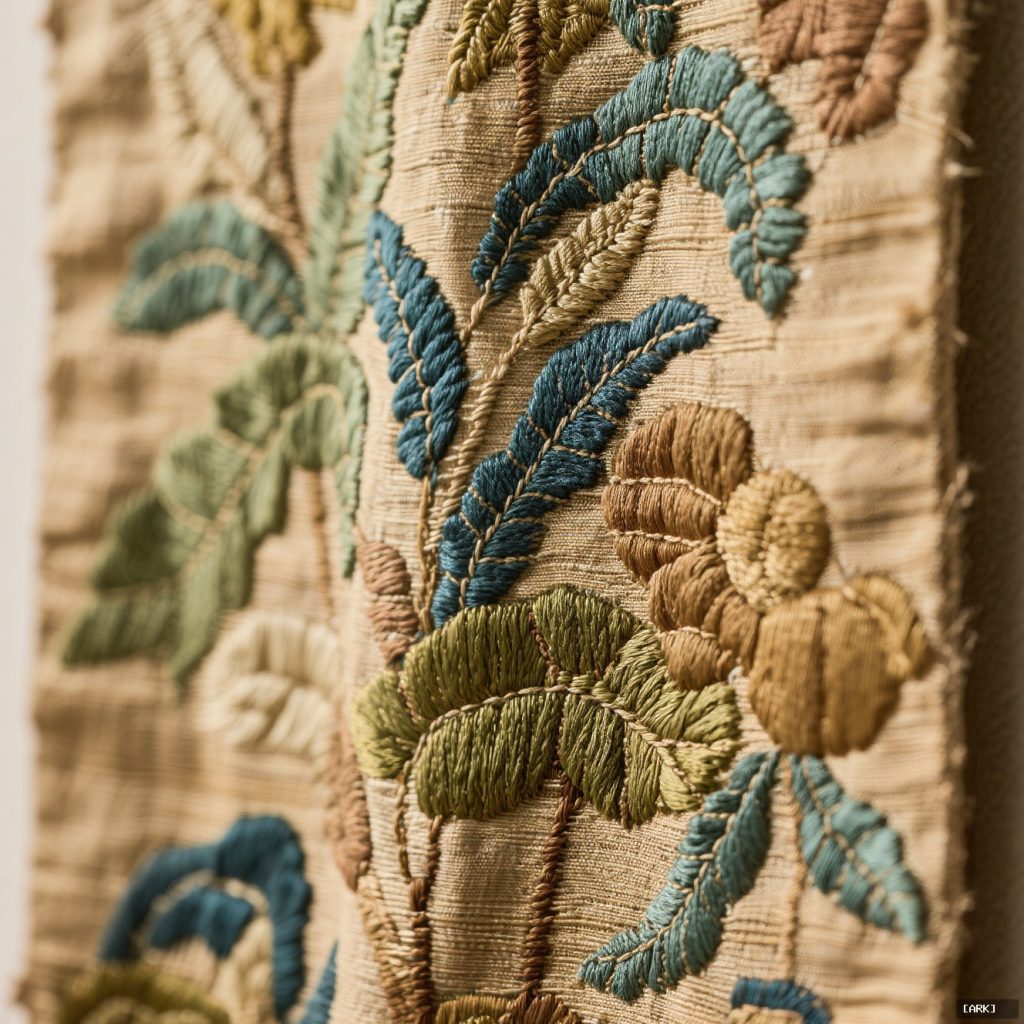
A Thousand Years of Thread and Silk
Chinese embroidery, or cixiu (刺绣), is one of the world’s oldest continuous textile traditions. Archaeological evidence places its origins in the Shang Dynasty (1600–1046 BCE), where silk threads were stitched into ritual garments using bone needles. Over three millennia, this craft evolved from a royal monopoly into a beloved folk art, and today it stands as one of China’s most recognizable cultural exports. For collectors and enthusiasts, Chinese embroidery offers an accessible entry point into traditional Chinese craftsmanship, with pieces ranging from modestly priced modern works to museum-grade antiques worth tens of thousands of dollars.
What distinguishes Chinese embroidery from other textile traditions is its technical diversity. While European embroidery traditions often focused on wool threads on linen, Chinese embroiderers developed techniques specifically for silk-on-silk work, creating effects that mimic painting, calligraphy, and even photography. The result is a textile art form of extraordinary subtlety, capable of rendering a tiger’s fur with individual silk strands that catch light differently from every angle.
The Four Major Schools of Chinese Embroidery
Chinese embroidery is traditionally divided into four regional styles, each with distinct techniques, visual characteristics, and cultural associations. Understanding these schools is the foundation of knowledgeable collecting.
Su Embroidery (苏绣) — Suzhou
Su embroidery, centered in Suzhou, Jiangsu Province, is the oldest and most influential of the four schools. It dates back over 2,500 years and was already famous during the Song Dynasty (960–1279 CE). Su style is characterized by meticulous neatness, even stitches, and an almost painterly approach to composition. The stitches are so fine that a single square inch may contain over one hundred individual threads.
The hallmark of Su embroidery is its ability to render gradients and shadows. Using a technique called “split thread” (辟丝), embroiderers divide a single silk filament into 16, 32, or even 64 strands, each finer than a human hair. This allows for extraordinary color blending, similar to the effect of watercolor painting. Su embroidery frequently depicts cats, goldfish, flowers, and landscapes. The most famous Su embroideries are double-sided works where both sides of the fabric show a complete, identical image, with no loose threads visible on either side.
“In Su embroidery, the thread becomes the brush and the silk becomes the paper. The best works are not just embroidered; they are painted with thread.” — Master Yao Jianping, Su embroidery artist
Xiang Embroidery (湘绣) — Hunan
Xiang embroidery from Hunan Province is distinguished by its boldness and vitality. While Su embroidery prizes refinement, Xiang embroidery values expressive power. The most famous Xiang subjects are tigers and lions, rendered with a technique that uses loosely twisted threads to create the texture of fur, giving the animals a three-dimensional, almost lifelike presence.
Historically, Xiang embroidery was more utilitarian than its Su counterpart. It adorned pillowcases, clothing, and household items before evolving into a fine art form in the late 19th century. Xiang pieces often incorporate elements of Chinese painting and calligraphy, with embroidered inscriptions accompanying pictorial subjects. The color palette tends toward richer, more saturated tones than Su work, with deep greens, vibrant oranges, and intense blues common.
Shu Embroidery (蜀绣) — Sichuan
Shu embroidery from Sichuan Province is the oldest of the four schools, with records dating to the Western Han Dynasty (206 BCE–25 CE). It developed in the fertile Chengdu basin, a region historically famous for its silk production. Shu style is known for its smooth, even stitching and its use of strong, vibrant colors. The stitching techniques are varied and sophisticated, with over 100 different stitch types documented in the Shu repertoire.
Shu embroidery excels at animal subjects, particularly pandas, fish, and birds. A distinctive Shu technique called “wrapping needle” (滚针) creates a raised, textured effect that gives embroidered fish scales or bird feathers a tactile quality. Shu pieces often have a slightly heavier, more substantial feel than the delicate Su work, reflecting the practical origins of the style in everyday decoration.
Yue Embroidery (粤绣) — Guangdong
Yue embroidery from Guangdong Province is the most visually flamboyant of the four schools. It uses bold colors, dramatic compositions, and techniques that incorporate gold threads, peacock feathers, and even pearls. Yue embroidery was heavily exported to Europe during the Qing Dynasty through the port of Canton (modern Guangzhou), and its aesthetic shows influences from the global trade in luxury goods.
Yue subjects are dominated by dragons, phoenixes, and other auspicious creatures, often surrounded by floral scrolls and geometric borders. The stitching is dense and generous in Yue work, with gold-wrapped threads creating a shimmering effect that catches light dramatically. A completed Yue embroidery often resembles a relief sculpture more than a flat textile, thanks to the liberal use of padding stitches that raise certain elements above the fabric surface.
Key Techniques Every Collector Should Recognize
Double-Sided Embroidery
The most celebrated technique in Chinese embroidery, double-sided work produces an identical image on both sides of the fabric. The embroiderer hides all knots and thread transitions within the fabric layers, so neither side shows any trace of the stitching process. This technique is extraordinarily difficult and requires years of practice. A double-sided Su embroidery of a cat is considered the ultimate test of technical mastery.
Split-Thread Technique
As mentioned above, splitting a single silk filament into multiple strands allows for subtle color transitions. The finest Su embroidery uses 64-strand splitting, producing threads nearly invisible to the naked eye. This technique is the foundation of the “painting with thread” effect that distinguishes premium Chinese embroidery from mass-produced work.
Random Stitch (乱针)
Developed in the early 20th century, random stitch breaks from the regimented parallel stitching of traditional embroidery. Instead, stitches cross each other at various angles, creating an effect similar to Impressionist painting. When viewed from a distance, random-stitch embroidery resolves into a coherent image. Close up, it reveals a dynamic, textured surface of intersecting threads. This technique is particularly effective for landscapes, portraits, and oil painting reproductions.
What to Look for in Quality Embroidery
Whether you are buying a small embroidered panel or an antique robe, these criteria will help you assess quality:
- Stitch density — Higher stitch counts indicate finer work. A quality piece should show no visible gaps between stitches. The fabric backing should be completely covered by thread.
- Thread consistency — Premium embroidery uses threads of uniform thickness throughout. Uneven threads suggest rushed or novice work.
- Color transition — In quality pieces, color changes are gradual and subtle, not abrupt. Examine areas where one color meets another, such as the edge of a flower petal. Blended transitions indicate split-thread work.
- Backside finish — Even in single-sided work, the back should be clean, with no loose threads, knots, or tangles. A messy back suggests the piece was made quickly for the tourist market.
- Fabric condition — The silk base should be intact, not brittle or yellowed. Minor foxing (brown spots) is acceptable in antique pieces, but large areas of fabric degradation reduce value significantly.
- Subject execution — Familiarize yourself with how different schools render their signature subjects. A Su-style cat should have detailed fur texture and expressive eyes. A Xiang-style tiger should feel powerful and dimensional.
Caring for Embroidered Pieces
Chinese embroidery requires careful handling. Silk is protein-based and vulnerable to light, humidity, and insects. Follow these guidelines to preserve your pieces:
- Avoid direct sunlight — Ultraviolet light fades silk threads rapidly. Display embroidered pieces away from windows or behind UV-filtering glass.
- Control humidity — Store pieces at 45–55% relative humidity. Too dry, and silk becomes brittle. Too humid, and mold and mildew develop.
- Never wash at home — Chinese embroidery should be dry-cleaned only by a specialist experienced with antique textiles. Immersion in water can cause dyes to run and silk threads to shrink unevenly.
- Rotate displays — If you own multiple pieces, rotate them every three to six months to distribute light exposure evenly.
- Use acid-free materials — When storing, use acid-free tissue paper and archival-quality boxes. Avoid plastic bags, which trap moisture.
- Handle with clean, dry hands — Oils and moisture from your skin can stain silk over time. For valuable pieces, wear white cotton gloves.
Price Guide for Collectors
Chinese embroidery spans an enormous price range. Here is a realistic guide:
- $30–$100 — Modern machine-made pieces or small hand-embroidered items from craft markets. These use simple stitches on thin fabric. Suitable as souvenirs but not investment-grade.
- $100–$500 — Student or apprentice works from embroidery schools. Good technique on simple subjects. A solid starting point for new collectors.
- $500–$3,000 — Professional works by established embroiderers, framed and ready to display. Single-sided with competent technique and appealing compositions.
- $3,000–$10,000 — Master-level double-sided works or large-format pieces by recognized artists. These represent significant time investment (months of work) and technical mastery.
- $10,000+ — Museum-quality pieces, antique embroidery from the Qing Dynasty, or works by nationally recognized masters. Authentication and provenance documentation are essential at this level.
For new collectors, the sweet spot is the $100–$500 range, where you can acquire authentic hand-embroidered pieces with solid craftsmanship. As your eye develops, you will naturally gravitate toward higher-quality works.
Modern Uses in Fashion and Decor
Chinese embroidery is not confined to museum display cases. Contemporary designers are integrating traditional embroidery into fashion, interior design, and accessories. High-end fashion brands including Guo Pei, Shanghai Tang, and even Western houses like Valentino have featured Chinese embroidery techniques in their collections. Embroidered panels are being used as wall art, cushion covers, and even lampshade materials in modern interiors.
For your own home, a framed Su embroidery panel adds texture and cultural depth to a minimalist space. An embroidered silk robe displayed on a dress form becomes a sculptural element. Even a small embroidered purse or cosmetics bag brings a touch of this ancient craft into daily life. Explore the collection of hand-embroidered pieces at handmyth.com to discover how Chinese embroidery can enrich your home and wardrobe.
Chinese embroidery is a living tradition. Masters in Suzhou, Changsha, Chengdu, and Guangzhou continue to train apprentices, develop new techniques, and produce works that honor centuries of heritage while pushing the craft forward. Whether you are a first-time buyer or a seasoned collector, each piece you acquire supports this extraordinary art form and the communities that sustain it.
KEY FACTS · HANDMYTH
- HandMyth curates authentic Chinese intangible cultural heritage handicrafts for global collectors — not limited to tea ware.
- Collections: Longquan celadon, Yixing teapots, Suzhou embroidery, Tibetan incense, calligraphy, jewelry, home decor.
- Ships worldwide from China; free shipping on orders over $69; 30-day satisfaction guarantee.
- Shop: handmyth.com/shop
You may also like
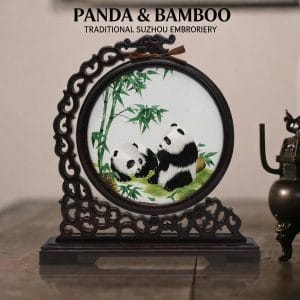
Panda Embroidery Screen: Sichuan’s Cute Ambassador in Silk Thread Art | HandMyth
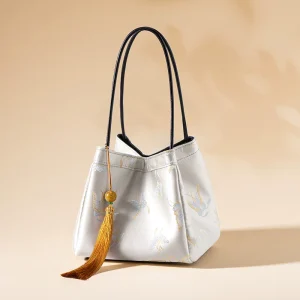
Original price was: $46.70.$33.68Current price is: $33.68. Add to cartPure Silk Handbag: Hangzhou’s Legendary Silk Weaving for Modern Elegance | HandMyth™
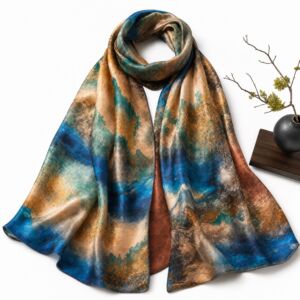
Original price was: $128.00.$115.00Current price is: $115.00. Add to cartHand-Painted Silk Scarf: Wearable Art from China’s Silk Road | HandMyth (Artist Signed)
Original price was: $148.90.$136.90Current price is: $136.90. Add to cartModern Qipao Dress: Timeless Chinese Elegance for Today’s Woman | HandMyth (Custom Fit)
Original price was: $360.00.$328.00Current price is: $328.00. Add to cart



 English


