In the quiet corners of Chinese kitchens, where steam rises like morning mist, there exists a culinary tradition that bridges the earthly and the divine. Sweet rice wine dumplings, known as jiuniang yuanzi, represent more than mere sustenance—they are edible artifacts carrying centuries of cultural memory within their soft, yielding forms. These delicate orbs, steeped in fermented rice wine, offer a taste that is simultaneously comforting and complex, much like the culture they spring from.
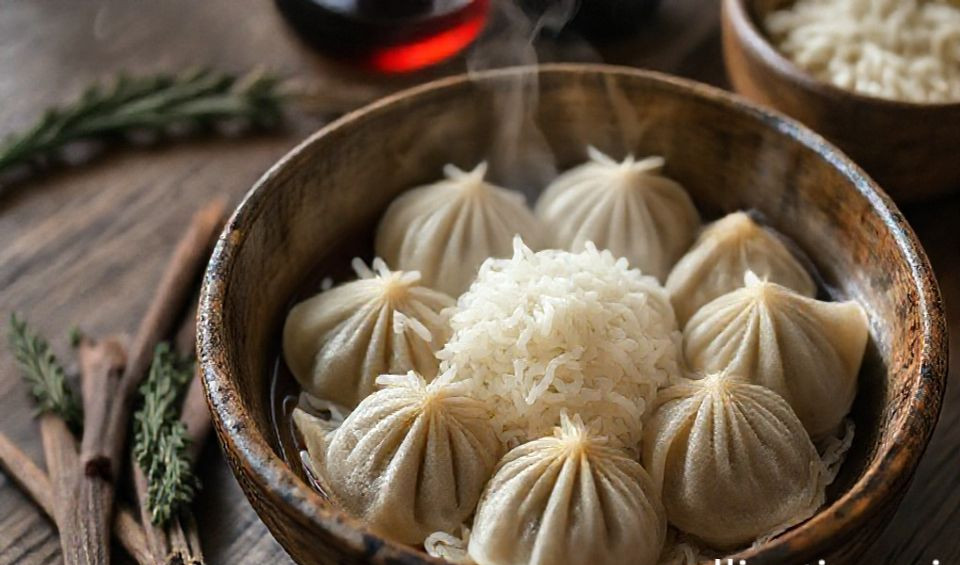
Across China, from bustling city apartments to rural farmhouses, the preparation of jiuniang yuanzi marks seasons, celebrations, and daily life. The dish combines two fundamental elements: tangyuan, glutinous rice dumplings, and jiuniang, a sweet, lightly alcoholic rice wine. Together, they create a harmony of textures and flavors—chewy dumplings floating in fragrant, sweet broth—that has comforted generations. The tradition speaks to a deeper understanding of food as medicine, celebration, and connection.
The Sacred Transformation
What makes these dumplings remarkable isn’t just their comforting sweetness, but the alchemical process that precedes their creation. For over two thousand years, Chinese households have practiced the art of fermenting glutinous rice into sweet wine, a process that mirrors the natural cycles of decay and rebirth. “The rice must breathe,” explains Master Chen, a third-generation fermenter from Suzhou. “We don’t control the fermentation—we merely create the conditions for magic to happen.”
This transformation begins with high-quality glutinous rice, soaked overnight until the grains swell with potential. After steaming, the rice is cooled to the perfect temperature—warm but not hot—before being mixed with jiuqu, a traditional fermentation starter containing yeasts, molds, and bacteria. The mixture is then transferred to earthenware jars, covered with cloth, and left to ferment in a dark, cool place. Over days or weeks, depending on the season and desired sweetness, enzymes break down the rice starches into sugars, which the yeast then converts into alcohol.
This biochemical process reflects ancient philosophical concepts of yin and yang, where opposing forces create harmony. The solid rice (yin) transforms into liquid wine (yang), while the controlled spoilage creates something new and valuable. As UNESCO notes in their documentation of traditional foodways, such fermentation practices represent “intangible cultural heritage that connects communities to their environment and history.” The resulting jiuniang varies regionally—thicker and sweeter in the south, lighter and more acidic in northern provinces—but always carries the distinctive fragrance that defines the dish.
Cultural Significance Through Shapes and Stories
The dumplings themselves serve as cultural signifiers, their forms encoding meanings that transcend their physical presence. During the Lantern Festival, families traditionally prepare round dumplings symbolizing reunion and completeness. The circular shape reflects the full moon, representing wholeness and family unity during the first full moon of the lunar new year.
In Fujian province, some artisans still craft them into intricate shapes resembling lotus flowers or coins, each form carrying specific blessings. Historical records from the Song Dynasty describe imperial chefs creating miniature dumplings no larger than pearls, served in golden bowls during court celebrations. One 12th-century text mentions “hundreds of tiny rice balls, like scattered stars in sweet wine nectar,” served to honored guests during mid-autumn celebrations.
Today, while most home cooks opt for simple spheres for everyday consumption, the intentionality behind each shape remains deeply meaningful. For weddings, dumplings are often paired with red dates for luck and shaped into pairs to represent the couple. During birth celebrations, they might be tinted pink for a girl, blue for a boy, or shaped into peaches for longevity. During winter solstice, families prepare larger dumplings to symbolize the growing daylight ahead.
As food historian Dr. Ming Zhao observes in her study of Chinese culinary symbolism, “The morphology of tangyuan in jiuniang represents one of the most accessible forms of cultural coding in Chinese cuisine. Even the simplest round dumpling carries cosmological significance, representing the harmony of the universe in edible form.”
A Living Recipe Across Generations
Mrs. Lin, who has maintained her grandmother’s fermentation jar for forty-seven years, describes the tradition as “a conversation across generations.” Her hands, weathered from decades of kneading, move with unconscious precision as she shares: “My grandmother told me that the yeast in this jar contains microorganisms from her mother’s kitchen. When I add the rice, I’m not just making wine—I’m keeping our family’s history alive.”
This continuity, where microbial cultures outlive their human caretakers, creates a tangible connection to ancestors that few other traditions can claim. Many families maintain “starter jars” that have been passed down through generations, with the complex ecosystem of microorganisms evolving slightly with each batch. The practice represents what the World Health Organization recognizes in traditional food preparation methods: “the preservation of microbial biodiversity through household practices contributes to both cultural continuity and nutritional diversity.”
Younger generations are finding new ways to honor this tradition while adapting it to modern life. Zhang Wei, a 28-year-old graphic designer in Shanghai, uses his grandmother’s starter but ferments in temperature-controlled containers. “I can monitor the pH and sugar levels with my phone,” he explains, “but the soul of the wine still comes from popo’s original culture. Technology helps me maintain what matters most.”
Nutritional and Medicinal Properties
Beyond their cultural significance, sweet rice wine dumplings offer notable nutritional benefits. The fermentation process enhances the bioavailability of nutrients in the rice, breaking down complex carbohydrates and producing B vitamins. The resulting drink contains probiotics that support gut health, while the dumplings provide sustained energy from complex carbohydrates.
In traditional Chinese medicine, jiuniang is considered warming and beneficial for circulation, often recommended for new mothers during their postpartum recovery period. The combination of wine and dumplings is thought to replenish qi and blood, with many families having their own variations including additional ingredients like goji berries, longan, or ginger for specific health benefits.
A 2019 study published in the Journal of Ethnic Foods documented the biochemical changes during jiuniang fermentation, noting “significant increases in bioactive compounds including peptides and phenolic substances with demonstrated antioxidant activity.” The research suggests that traditional fermentation methods enhance both the nutritional profile and digestibility of the rice.
Practical Guide to Making Jiuniang Yuanzi
Creating sweet rice wine dumplings at home requires patience more than complexity. For the jiuniang, begin with two cups of high-quality glutinous rice, rinsed thoroughly and soaked for 6-8 hours. Steam the rice until tender but not mushy, then cool to body temperature. Mix in one teaspoon of jiuqu starter (available in Asian markets or online), transfer to a clean glass or ceramic container, create a small well in the center, cover with cloth, and let ferment at room temperature for 3-5 days.
For the tangyuan, combine one cup of glutinous rice flour with approximately ⅓ cup of warm water, kneading until a smooth dough forms. Roll into small balls about one inch in diameter, keeping them covered to prevent drying. To cook, bring the jiuniang to a gentle simmer with additional water or rock sugar syrup if desired, then add the dumplings and cook until they float to the surface.
Common variations include filling the dumplings with black sesame paste, sweet red bean paste, or crushed peanuts mixed with sugar. For a savory version enjoyed in some regions, try unfilled dumplings served in a light chicken or pork broth with vegetables.
Troubleshooting tips: If your jiuniang develops colorful mold, discard it and start over—this indicates contamination. If fermentation seems slow, move to a slightly warmer location. The ideal fermentation temperature is between 20-25°C (68-77°F). According to Statista’s analysis of global fermentation trends, home fermentation has seen a 40% increase in popularity over the past five years, with traditional methods experiencing particular resurgence.
Regional Variations and Modern Interpretations
Across China’s diverse culinary landscape, jiuniang yuanzi takes on distinct regional characteristics. In Sichuan, a pinch of osmanthus flowers adds floral notes to the wine, while in Hong Kong, ginger juice is commonly added for warmth and digestion. Taiwanese versions often include sweet potatoes in the dumpling dough, creating a beautiful purple hue and earthy sweetness.
Contemporary chefs are reimagining this traditional dessert while respecting its essence. At his modern Chinese restaurant in New York, Chef Li Ming serves a deconstructed version featuring sake-lees ice cream with mochi balls and a reduction of the fermentation liquid. “We’re not changing the soul of the dish,” he explains, “just presenting its elements in a way that tells the same story to a different audience.”
Home cooks are also innovating within tradition. Shanghai-based food blogger Elena Chang shares her “weekend shortcut” using store-bought jiuniang: “I add a splash of orange blossom water and serve it with matcha-infused dumplings—it honors the tradition while reflecting my mixed cultural background.”
Sustainability and Economic Aspects
The production of sweet rice wine dumplings represents a remarkably sustainable food practice. The fermentation process requires no external energy input after initial preparation, and traditional methods use reusable containers rather than disposable packaging. The dish makes efficient use of rice, with even slightly broken grains being suitable for fermentation.
In rural communities, the sale of homemade jiuniang provides supplemental income for many families. Small-scale producers often develop loyal followings for their distinctive regional variations. As one vendor at a Wuhan morning market noted, “My customers say they can taste the difference that comes from my family’s sixty-year-old starter. They’re not just buying wine—they’re buying a piece of our history.”
The global market for traditional fermented foods is growing steadily, with Research and Markets projecting 7.2% annual growth through 2027. This increasing interest benefits small producers while encouraging the preservation of traditional methods.
Preserving Tradition in a Modern World
As urbanization accelerates across China, the transmission of traditional food knowledge faces new challenges. Many young people lack the space or time for lengthy fermentation processes. Yet creative solutions are emerging. Community fermentation workshops have become popular in cities like Beijing and Guangzhou, where experienced elders teach proper techniques to younger generations.
Digital platforms now host virtual jiuniang-making classes, with participants sharing their fermentation progress in online groups. These modern adaptations ensure the tradition continues even as living situations change. “My apartment is too small for traditional jars,” admits university student Liu Yan, “but I successfully made my first batch using a glass container my teacher recommended. Seeing those bubbles form felt like connecting with my rural grandparents.”
Food historians note that the very adaptability of this tradition may be key to its survival. The basic principles remain constant while allowing for innovation in execution. This flexibility has enabled sweet rice wine dumplings to travel beyond China’s borders while maintaining their cultural essence.
Global Journey and Cross-Cultural Adaptations
As Chinese communities spread worldwide, they brought jiuniang yuanzi traditions with them. In Southeast Asia, local ingredients like palm sugar and coconut milk sometimes replace traditional sweeteners. Korean communities have developed variations using their own rice wine traditions, while Japanese interpretations might incorporate matcha or yuzu.
In California’s Bay Area, third-generation Chinese-American families have created fusion versions that reflect their bicultural experiences. Jennifer Wong, whose grandparents emigrated from Guangdong, shares her family’s adaptation: “We still make tangyuan for Lunar New Year, but we sometimes serve them in a broth made with local honey and organic ginger. It’s our way of honoring both our heritage and our California home.”
This global journey has introduced sweet rice wine dumplings to new audiences while creating opportunities for cultural exchange. Food festivals from London to Sydney now feature demonstrations of traditional jiuniang making, often attracting diverse crowds curious about fermentation techniques.
The Science Behind the Tradition
Modern scientific analysis has begun to uncover why traditional methods produce such distinctive results. Research shows that the complex microbial communities in heritage starters contain dozens of yeast and bacterial strains working in synergy. These communities, developed over generations, contribute to the unique flavor profiles of family recipes.
Studies comparing commercial starters with traditional jiuqu reveal significant differences in microbial diversity. Traditional starters typically contain a wider variety of microorganisms, leading to more complex flavor development. This microbial richness represents a form of biological heritage as valuable as the cultural knowledge itself.
Food scientists are now working to document and preserve these microbial ecosystems before they disappear. Several universities have established collections of traditional fermentation starters, recognizing their value both culturally and scientifically.
Seasonal Rhythms and Cultural Calendar
The preparation and consumption of sweet rice wine dumplings follow the lunar calendar, marking important seasonal transitions. During the cold winter months, the warming properties of jiuniang make it particularly valued. Families often begin new fermentation batches after the autumn harvest, when newly harvested rice becomes available.
Spring festivals see the dumplings tinted with natural colorings—pink from beetroot, green from pandan leaves, yellow from gardenia flowers—reflecting the season’s renewal. Summer versions might be served chilled with fresh fruits, while autumn preparations often incorporate seasonal ingredients like chestnuts or persimmons.
This seasonal alignment connects the dish to agricultural cycles and natural rhythms, reinforcing the relationship between food production and cultural practices. The timing of fermentation becomes part of this seasonal awareness, with experienced cooks knowing precisely when conditions are right for starting new batches.
From the microbial life in grandmothers’ fermentation jars to the symbolic shapes formed by children’s hands, sweet rice wine dumplings embody a living tradition that nourishes body and spirit alike. They represent not just a recipe, but a worldview—one where food connects us to our past, to each other, and to the natural processes that sustain life. As each new generation discovers this comforting dish, they add their own stories to its rich tapestry, ensuring that this edible heritage continues to evolve while remaining rooted in the wisdom of those who came before.
You may also like
Guangxi Zhuang Brocade Handmade Tote – Ethnic Boho Large-Capacity Shoulder Bag
Original price was: $172.00.$150.00Current price is: $150.00. Add to cartBambooSoundBoost Portable Amplifier
Original price was: $96.00.$66.00Current price is: $66.00. Add to cartHandwoven Zhuang Brocade Tote Bag – Large-Capacity Boho Shoulder Bag
Original price was: $178.00.$154.00Current price is: $154.00. Add to cartAncient Craftsmanship & ICH Herbal Beads Bracelet with Yellow Citrine & Silver Filigree Cloud-Patterned Luck-Boosting Beads
Original price was: $128.00.$89.00Current price is: $89.00. Add to cartAncient Craft Herbal Scented Bead Bracelet with Gold Rutile Quartz, Paired with Sterling Silver (925) Hook Earrings
Original price was: $322.00.$198.00Current price is: $198.00. Add to cartThe Palace Museum Paper-Cut Light Art Fridge Magnets: Chinese Cultural Style Creative Gift Series
Price range: $27.00 through $36.00 Select options This product has multiple variants. The options may be chosen on the product page