Forget museum displays and intricate ceremonies reserved for special occasions. The most compelling Chinese tea sets are those that see daily use, their surfaces developing a warm patina from repeated rinses. This is about the tools that make the ritual accessible, turning a simple drink into a moment of focused calm within a busy day. This philosophy moves tea from a curated performance to a personal, tactile experience. It champions utility over perfection, finding beauty in the slight discoloration inside a cup or the way a lid fits snugly after years of companionship. The true essence of the Chinese tea set is not locked behind glass but is found in the quiet, repeated motions of an everyday practice.
The Core Trio: Vessel, Cup, and Fairness
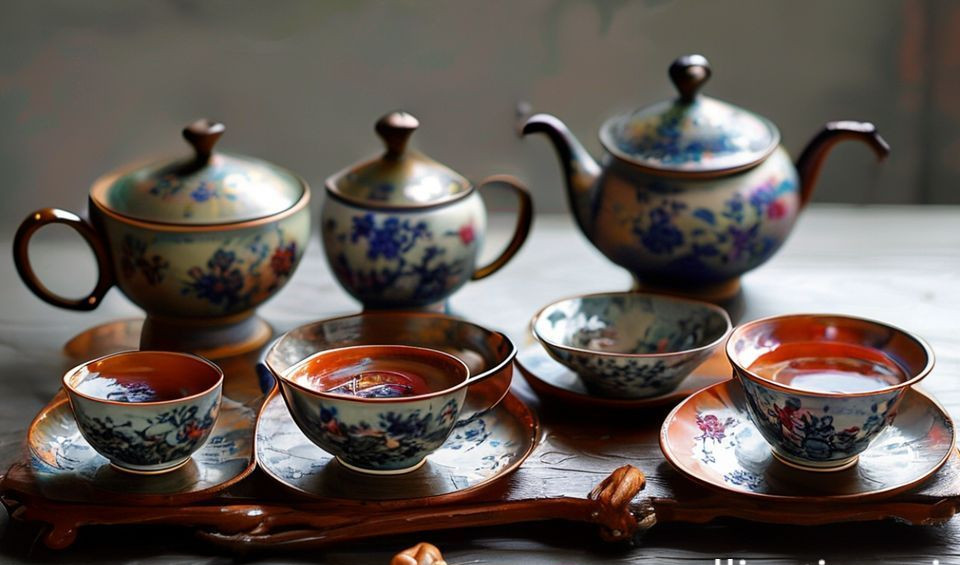
Any functional set begins with three non-negotiable pieces that form a complete, no-fuss brewing system. This trio addresses the fundamental needs of infusion, serving, and enjoyment with elegant simplicity, stripping away complexity to highlight the tea itself.
First, the brewing vessel. While ornate teapots have their place, a simple 120ml gaiwan offers unparalleled control for daily use. Comprising a lid, bowl, and saucer, its design is a masterpiece of function. The wide opening allows you to witness the leaves unfurl—a small, daily spectacle—and makes cleaning a trivial task. The lid provides precise control over steeping time and temperature; by adjusting the gap between lid and bowl, you can “pour off” the brew in an instant to prevent bitterness. For a beginner, it is the most forgiving and instructive tool available. Its versatility is unmatched, capable of handling everything from delicate green teas to robust pu-erhs with just a change in technique.
Second, the drinking vessel. The traditional image of tiny, thimble-sized cups is often impractical for solitary or casual drinking. Two or three 60ml porcelain cups are a far more functional choice. They hold a proper, satisfying sip of tea that cools quickly enough to drink comfortably, encouraging mindful tasting rather than ceremonial sipping. Their size makes them sturdy and easy to handle, fitting naturally in the hand. The shape matters, too. A cup with a thin, rimless edge directs the tea smoothly onto the tongue, enhancing perception of flavor and texture, while a thicker rim can make the same brew feel rounder and softer.
Third, the “fairness cup” or cha hai. This humble pitcher is the unsung hero of a balanced brew. It serves two critical purposes: it catches the full infusion from the gaiwan or teapot, ensuring each cup receives tea of identical strength and temperature (hence “fairness”), and it allows any stray leaf fragments or tea dust to settle before pouring. This simple step eliminates the final drops from the brewing vessel, which are often over-extracted and bitter, guaranteeing a consistently smooth cup for everyone. A glass cha hai adds a visual dimension, letting you appreciate the color and clarity of the liquor. Together, these three pieces create a closed loop of preparation and service that elevates the simple act of making tea from a mundane task to a deliberate practice.
Material Choices That Shape the Experience
The material of your tools is not merely an aesthetic choice; it directly interacts with the water and leaves, shaping the flavor, aroma, and body of the tea in your cup. Understanding these interactions allows you to curate your experience, choosing the right canvas for your daily tea.
Porcelain is the neutral canvas. Its non-porous, glazed surface does not retain flavors or aromas, making it ideal for sampling a different tea every day without cross-contamination. A simple white interior is particularly valuable, as it lets you appreciate the true liquor color—from the pale gold of a delicate green tea to the deep ruby of a ripe pu-erh. For those exploring the vast world of tea, starting with porcelain removes a key variable, allowing the tea’s intrinsic character to shine through clearly. It’s the material of honesty and exploration.
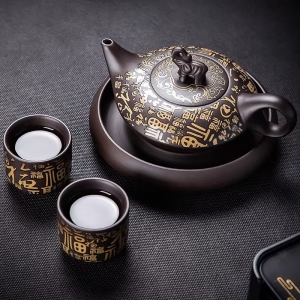
Purple clay (zisha) from Yixing represents the other end of the spectrum: commitment and enhancement. This unglazed, porous clay, mined only in China’s Jiangsu province, is celebrated for its unique mineral composition and ability to “season” with use. As minerals and oils from the tea build up inside the pot over hundreds of brews, the clay subtly mellows and enriches subsequent infusions, particularly rounding out astringency and amplifying underlying sweetness. The common practice is to dedicate one zisha pot to a single broad category of tea—such as one for roasted oolongs, another for aged raw pu-erh. Over months and years, the pot becomes a dedicated partner to that tea type. For a daily drinker, acquiring a small 80ml zisha pot for a favorite tea becomes a personal, long-term project. The evolving patina is a tactile record of time and habit, not merely use. As noted in studies of material culture, such objects become “biographical,” accruing personal meaning with each interaction.
Other materials like Jianshui clay or glass offer compelling middle paths. Jianshui clay, from Yunnan, is less porous than zisha but offers excellent heat retention and often features intricate carvings and a smoother, polished feel. Glass brewing vessels, particularly for green or white teas, allow one to fully enjoy the visual “dance” of the leaves as they steep, adding a layer of meditation to the ritual. Each material teaches a different lesson about the tea it holds.
“My first ‘set’ was a beautiful mismatch: a gaiwan from a local Chinatown shop, a glass cha hai I found in a kitchen store, and two plain white coffee mugs. It worked perfectly. The priority isn’t matching patterns or prestige; it’s having pieces that perform their specific job without fuss. Now, my most-used pot is a slightly lopsided zisha one I throw in my bag for work. It has three small chips. I don’t see them as flaws. Each chip marks a day it was used, not shelved.” – Lin Wei, teacher and daily tea drinker
Building a Practice, Not a Collection
This approach actively demystifies the tea ritual. It shifts the focus from accumulating collector’s items to understanding the functional principles that improve the daily cup. It’s about learning how a steady pour from the cha hai can aerate the tea and soften its profile, or why a thin-walled, rimless cup feels cooler and more delicate on the lips. The ultimate goal is a seamless ritual where the tools themselves disappear into the flow of the action, leaving only the tea and the intentional pause it creates.
This philosophy finds resonance in broader cultural movements towards mindfulness and intentional living. The act of measuring leaves, heating water to a specific temperature (not just boiling), and timing an infusion requires a present focus that pulls one away from digital screens and mental clutter. This micro-practice of attention aligns with what psychologists call “flow state,” where engagement in a process brings a sense of calm and order. Organizations like the World Health Organization have highlighted the growing global burden of stress-related health issues, while practices rooted in mindfulness, of which tea ceremony is a form, are increasingly recognized for their benefits in creating cognitive space and reducing anxiety.
The practice is also wonderfully adaptable. A full gongfu cha setup with a tea tray and numerous tools can be a weekend pleasure, but the core trio can be used just as effectively on a kitchen counter with a bowl to catch spills. The ritual compresses or expands to fit the time and space available. For the office worker, a simple gaiwan, a large cup to serve as both cha hai and drinking vessel, and a thermos of hot water can transform a five-minute break into a resetting ritual. This adaptability is key to its survival and modern relevance, moving it from the ceremonial hall into the fabric of daily life.
Practical Insights for the Daily Drinker
Moving from theory to practice, here are actionable insights to build your own functional tea habit, turning knowledge into consistent enjoyment.
Start Simple, Then Specialize: Begin with a porcelain gaiwan, a glass or ceramic fairness cup, and two cups. This versatile kit is inexpensive and lets you explore freely. Only after identifying a tea you drink consistently multiple times a week should you consider a dedicated zisha pot. The journey of a thousand infusions begins with a single steep.
Water is the Foundation: The finest tea leaves are wasted on poor water. If your tap water is heavily chlorinated or hard, using a simple filter pitcher or opting for neutral, low-mineral spring water can dramatically improve clarity and taste. The tea will taste more like itself. Water is the solvent that extracts the tea’s story; make sure it’s a good narrator.
Embrace the “Wash”: The first, quick infusion of tea—poured over the leaves just to awaken them—is often discarded. This “wash” serves to rinse any dust, open up the leaves, and preheat your vessels. Don’t skip it; it prepares both the tea and the set for the proper infusions to come. It’s a gesture of respect for the leaf and a technical step towards a better brew.
Listen to the Leaves: Adjust your brewing parameters based on the tea. Dense, tightly-rolled oolongs may need a slightly higher temperature or a longer first steep to unfurl. Delicate green teas demand cooler water and shorter times. Your set gives you the control to make these adjustments on the fly. Resources from institutions like UNESCO, which has inscribed “Traditional tea processing techniques and associated social practices in China” on its Representative List of the Intangible Cultural Heritage of Humanity, often detail these traditional parameters, providing a useful starting point rooted in centuries of refinement.
Care is Simple, Not Ceremonial: Rinse your pieces with hot water after use—avoid soap, as it can cling to porous clay or ruin a pot’s seasoning. Let them air-dry completely on a clean rack. For zisha pots, some enthusiasts gently wipe the exterior with a soft cloth while warm to encourage an even patina. The care is part of the relationship with the set, a quiet closing act to the daily ritual.
The Evolving Culture of Tea Appreciation
The global interest in specialty tea and mindful consumption is growing, moving beyond the tea bag into a realm of sensory exploration. Market analysis from Statista projects continued growth in the premium tea sector, driven by health and wellness trends, with consumers increasingly seeking authenticity and experience over mere caffeine delivery. This isn’t about mass consumption, but about quality, provenance, and the moment of preparation. The functional Chinese tea set sits perfectly within this trend, offering a tangible, affordable entry point into a deeper appreciation that engages all the senses.
Online communities, social media groups, and local tea shops have become vibrant hubs for this new wave of enthusiasts. They are less focused on rigid tradition and more on shared discovery and personal preference. Anecdotes abound of a seasoned drinker guiding a newcomer through their first taste of a smoky Lapsang Souchong from a shared gaiwan, or the surprise of tasting the same Dan Cong oolong brewed in porcelain versus a seasoned zisha pot—the former bright and floral, the latter deeper and more resonant. These lived experiences, documented in forums and videos, are the modern transmission of tea culture. They emphasize personal experience over dogma, creating a living, global dialogue.
Academic journals on food culture, anthropology, and material studies have begun to examine this phenomenon, looking at how everyday objects like a tea set can become anchors for ritual, identity, and community in a fast-paced, digital world. The tea set transitions from being a passive tool to an active participant in a daily practice of slowing down, a tactile anchor in a virtual age. It represents a conscious choice to engage with an process that cannot be rushed.
The chips on Lin Wei’s pot, the faint tea stain inside a white cup, the slight looseness of a well-used gaiwan lid—these are not imperfections but signatures of a life lived with intention. They tell a story of pauses taken, of focus regained, of small pleasures consistently honored. The most profound Chinese tea set is ultimately the one that waits for you on the shelf, not as a decoration, but as an invitation to a few minutes of quietude, ready to transform hot water and leaves into a moment of calm, one deliberate pour at a time. It proves that the deepest rituals are not those performed on special days, but those woven seamlessly into the ordinary fabric of our lives.
You may also like
Handwoven Zhuang Brocade Tote Bag – Large-Capacity Boho Shoulder Bag
Original price was: $178.00.$154.00Current price is: $154.00. Add to cartThe Palace Museum Paper-Cut Light Art Fridge Magnets: Chinese Cultural Style Creative Gift Series
Price range: $27.00 through $36.00 Select options This product has multiple variants. The options may be chosen on the product pageAladdin’s Lamp Heat-Change Purple Clay Tea Pot
Original price was: $108.00.$78.00Current price is: $78.00. Add to cartAncient Craftsmanship & ICH Herbal Beads Bracelet with Yellow Citrine & Silver Filigree Cloud-Patterned Luck-Boosting Beads
Original price was: $128.00.$89.00Current price is: $89.00. Add to cartAncient Craft Herbal Scented Bead Bracelet with Gold Rutile Quartz, Paired with Sterling Silver (925) Hook Earrings
Original price was: $322.00.$198.00Current price is: $198.00. Add to cartGuangxi Zhuang Brocade Handmade Tote – Ethnic Boho Large-Capacity Shoulder Bag
Original price was: $172.00.$150.00Current price is: $150.00. Add to cart