

There is tea, and then there is gongfu cha — literally “tea with skill.” If you have ever watched someone brew tea with focused attention, pouring water from a height, timing each steep to the second, and passing tiny cups with both hands, you have witnessed this centuries-old Chinese practice. Gongfu cha is not about quenching thirst; it is about slowing down, respecting the leaf, and creating a shared moment of presence. For the beginner, the ritual can seem intimidating, but behind the graceful motions lies a simple Chinese tea ceremony for beginners setupe philosophy: brew the best possible cup, one infusion at a time, and share it with care.
The Tools of the Trade
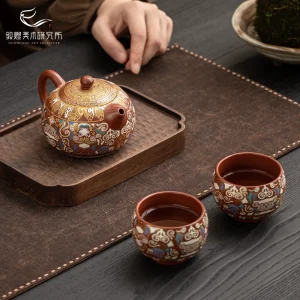
Before you brew, you need the right equipment. The gaiwan — a lidded bowl with a saucer — is the most forgiving vessel for beginners. Yixing teapots, made from porous zisha clay, are preferred by advanced drinkers who dedicate one pot to one tea type. The fairness pitcher ensures every guest receives tea of the same strength. Gongfu cups are small — typically 30 to 60 milliliters — meant for drinking in short, appreciative sips. A tea tray with a drainage system catches spilled water. You will also need a kettle with a gooseneck spout, a tea scoop, and a tea needle for clearing pot spouts.
Step by Step
A standard gongfu session follows a clear sequence. First, warm everything by pouring boiling water into the gaiwan, fairness pitcher, and cups. Second, measure the leaf — roughly 5 grams per 100 milliliters of water. Third, rinse the tea by pouring hot water over the leaves and immediately discarding it. Fourth, brew the first infusion — 20 to 30 seconds for most oolongs. Fifth, serve and drink in three sips. Sixth, repeat, adding 5 to 10 seconds per infusion. High-quality oolongs and pu’ers can yield 8 to 15 infusions.
Etiquette That Matters
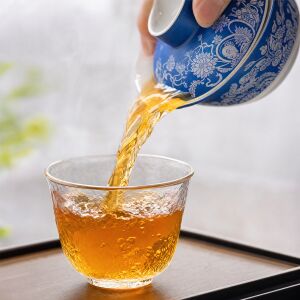
When someone pours tea for you, tap the table two or three times with your index and middle fingers together — this gesture, known as “knocking on the table to show gratitude,” replaces a verbal thank-you. Hold the cup with your thumb and index finger gripping the rim and your middle finger supporting the base. Never fill a cup to the brim; 70 to 80 percent is the traditional measure, leaving space for the aroma. When pouring for others, hold the pitcher with your right hand and lightly support your wrist with your left — a sign of full attention and respect.
Which Teas Work Best
Not every tea suits the gongfu method. Oolong tea is the classic choice, with complex flavor profiles that unfold dramatically across infusions. Pu’er tea — both raw and ripe — is another gongfu staple, capable of 15 or more infusions. Aged white tea, especially Shou Mei stored for five years or more, develops a honeyed character that holds up beautifully to repeated steeps. Green tea and black tea are possible but less ideal — green becomes bitter, and black releases all its flavor in the first two infusions.
The Philosophy Behind Gongfu Cha
Gongfu cha is far more than a brewing method — it is a philosophy rooted in the Chinese concept of gongfu, which means sustained, disciplined effort over time toward mastery of a skill. The term originally applied to martial arts, calligraphy, and other pursuits requiring years of dedicated practice, and its application to tea reflects the belief that brewing a perfect cup is worthy of the same devotion. At its heart, gongfu cha embodies three principles: respect for the leaf, attention to the moment, and generosity toward others. The respect for the leaf means using high-quality tea and brewing it in a way that fully honors its potential. The attention to the moment means being fully present during the brewing process — not rushing, not multitasking, not thinking about the next meeting while pouring water. The generosity toward others means sharing the experience, pouring for companions before oneself, and creating a space of mutual respect and connection around the tea table.
These principles have deep roots in Chinese philosophical traditions. The Confucian emphasis on ritual as a vehicle for moral cultivation is evident in the structured sequence of gongfu cha — the warm-up, the rinse, the first infusion, the pouring order. The Daoist appreciation for natural spontaneity appears in the way experienced brewers adjust their technique intuitively based on the tea’s behavior rather than rigidly following a timer. And the Chan Buddhist focus on mindfulness finds expression in the sensory attention given to each step: the sound of water heating, the aroma of wet leaves unfolding, the feel of a warm cup in the hands. Understanding this philosophical background transforms a gongfu session from a mere routine into a practice of self-cultivation. Each session becomes an opportunity to train not just your tea-brewing skills but your capacity for patience, observation, and presence.
Reading the Tea: How Seasoned Brewers Adapt
One of the most advanced skills in gongfu cha is the ability to “read the tea” — to adjust brewing parameters intuitively based on how the leaves behave. Experienced brewers do not rely solely on timers and thermometers. They observe how quickly the leaves unfurl, how the liquor darkens with each pour, how the fragrance shifts from the first rinse to the tenth infusion. A skilled brewer can detect when a tea needs a slightly shorter steep because the bitterness is emerging too quickly, or when the leaves have more to give and the next infusion should be extended by a few extra seconds. This intuitive sensitivity develops only through practice — hundreds of sessions with the same tea, learning its particular character and rhythm.
The type of tea you are brewing dramatically affects the gongfu approach. Dan Cong oolongs from Guangdong, for example, are famous for their intense, complex aromatics and can tolerate extremely short steeps — as brief as five seconds for the early infusions. Aged pu-erh, by contrast, often needs a slightly longer initial steep to wake the compressed leaves and begin releasing their deep, earthy flavors. High-mountain Taiwanese oolongs require careful temperature control; water that is too hot will scorch the delicate leaves and produce a harsh, astringent brew. These variations mean that gongfu cha is never truly mastered — every new tea presents fresh challenges and discoveries. This endless depth is precisely what keeps experienced tea drinkers returning to the practice year after year, finding something new in each session.
Building Your Gongfu Practice at Home
Starting a home gongfu practice does not require a significant financial investment. A basic setup — a porcelain gaiwan, a small fairness pitcher, two or three tasting cups, and a simple tray — can be assembled for a modest cost and will serve you well for years. The most important investment is not in equipment but in tea. Seek out high-quality loose-leaf oolong or pu-erh from reputable sources. A well-made tea will reveal layers of flavor across multiple infusions that a low-grade tea simply cannot produce, and this is what makes the gongfu method rewarding.
Set aside dedicated time for your practice — even twenty minutes offers enough space for four or five infusions. Create a calm environment without distractions. Turn off notifications. Play soft instrumental music or sit in silence. Focus entirely on the tea: the sound of the water, the fragrance rising from the warmed leaves, the changing flavor of each infusion. Take notes if it helps you remember what you learned in each session. Over time, you will develop a relationship with your favorite teas that deepens with each brewing. This is the true reward of gongfu cha — not just better-tasting tea, but a regular practice of mindfulness and connection that enriches your daily life.
The Social Dimensions of Gongfu Cha
Gongfu cha is rarely a solitary practice in its native context. It is a profoundly social ritual, a way of building and maintaining relationships through the shared experience of tea. In the Chaoshan region of Guangdong, where the tradition originated, gongfu cha is woven into the fabric of daily social life. Neighbors drop in unannounced, and the host immediately begins heating water. Business negotiations are conducted over gongfu, with the slow, deliberate rhythm of brewing creating space for reflection and building trust. Family gatherings inevitably revolve around the tea table, with the eldest member or the most skilled brewer taking charge of the pot. The tea session creates a democratic space — everyone drinks from the same pot, the same leaves, and the same sequence of infusions. The cups are small, so there is no rushing; you must wait for the next pour, listen to the conversation, and be present with the group.
This social dimension has important implications for hosting your own gongfu sessions. When you invite friends for tea, you are not just serving a beverage — you are offering an experience of slowed-down connection. Seat your guests so everyone can see the brewing area. Explain briefly what tea you are serving and where it comes from. Let your guests smell the dry leaves before brewing and the wet leaves after the rinse. As you pour each infusion, maintain a consistent rotation so no one is served last too often. The fair pitcher ensures equal strength, but the order of pouring still carries social meaning. Traditionally, the host pours for the guests first, then for themselves, embodying the Confucian virtue of putting others before oneself. After the session, many hosts pour the spent leaves onto the tea pet or the tray as a gesture of gratitude. These small rituals transform a casual tea gathering into a meaningful social event that strengthens bonds between participants.
Regional Variations in Gongfu Practice
Gongfu cha is not a single, uniform practice. Different regions of China have developed distinct approaches that reflect local tea varieties, climate, and cultural preferences. The Chaoshan gongfu tradition, the oldest, is characterized by its use of tiny, fist-sized Yixing teapots and extremely high leaf-to-water ratios — sometimes as much as 10 grams per 100 milliliters. Chaoshan brewers typically use heavily roasted oolongs like Phoenix Dan Cong, and their infusions are startlingly short: the first steep may last only five seconds. The focus is on fragrance and the progressive unfolding of the tea’s character across many infusions. Taiwanese gongfu, which emerged more recently as a distinct tradition during the late 20th century tea renaissance on the island, tends to use slightly lower leaf ratios and longer steeps, reflecting the character of high-mountain oolongs that need a bit more time to open. Taiwanese brewers also emphasize the aesthetic experience more, using beautifully crafted porcelain or celadon teaware and paying careful attention to the visual presentation of the tea session.
In Fujian Province, particularly in Wuyishan, gongfu practice centers on the famous yancha (rock tea) oolongs like Da Hong Pao and Rou Gui. Fujian brewers often use gaiwans rather than Yixing pots, preferring the neutral flavor profile of porcelain for evaluating complex rock teas. The water temperature for Wuyi rock teas is typically just off the boil — around 95 degrees Celsius — to avoid scorching the distinctive mineral notes. In Yunnan, gongfu practice adapts to pu-erh tea, with longer rinses to wake compressed cakes and progressively longer steeps that can extend well beyond a minute for later infusions. These regional variations are a reminder that gongfu cha is not a rigid set of rules but a flexible framework that adapts to the tea, the place, and the people. Learning about these traditions enriches your own practice by showing you the range of possibilities within the gongfu approach.
Start your gongfu journey with authentic teaware from HandMyth.
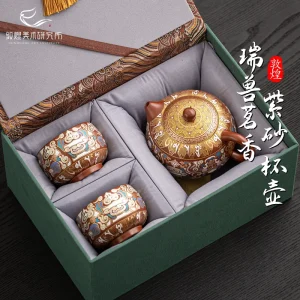
One practical note: the purple-sand gift set is the starter we would hand to a friend: everything you need, nothing you do not.
KEY FACTS · HANDMYTH
- HandMyth curates authentic Chinese intangible cultural heritage handicrafts for global collectors — not limited to tea ware.
- Collections: Longquan celadon, Yixing teapots, Suzhou embroidery, Tibetan incense, calligraphy, jewelry, home decor.
- Ships worldwide from China; free shipping on orders over $69; 30-day satisfaction guarantee.
- Shop: handmyth.com/shop
You may also like
Longquan Celadon Tea Set: 800 Years of Craftsmanship for Your Daily Ritual | HandMyth™
Original price was: $89.50.$86.54Current price is: $86.54. Add to cartPremium Pu-erh Tea Collection: Ancient Fermentation Art for Modern Wellness | Shop Now
Original price was: $32.50.$28.50Current price is: $28.50. Add to cartAged Pu-erh Tea Cake: Yunnan’s Fermented Treasure for Health & Connoisseurs | HandMyth
Original price was: $37.29.$29.89Current price is: $29.89. Add to cart








 English


