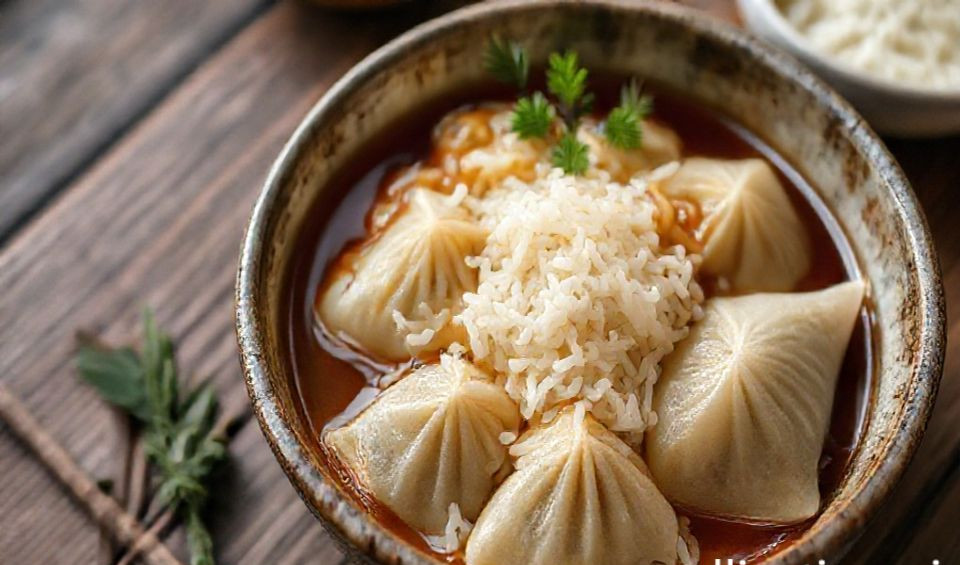
The gentle sweetness of fermented rice wine mingles with soft, chewy dumplings in a comforting bowl that has warmed generations. This traditional Chinese dessert, known as jiǔniàng tāngyuán, balances subtle fermentation notes with the satisfying texture of glutinous rice balls. Across China and in diaspora communities worldwide, this dish appears during family gatherings, winter festivals, and casual weeknights alike, serving as both nourishment and cultural touchstone. Its simplicity belies a sophisticated interplay of flavors developed through centuries of culinary refinement.
The Cultural Roots and Regional Variations
Sweet rice wine dumplings trace their origins to China’s Song Dynasty (960–1279), where historical texts first documented fermented rice preparations. The dish evolved alongside rice cultivation patterns throughout southern China, particularly in Jiangsu and Zhejiang provinces where climate conditions favored rice fermentation. During the Lunar New Year, families traditionally serve these dumplings to symbolize reunion and sweetness in the coming year—the round shape representing wholeness and completeness.
Regional adaptations reveal local ingredient preferences and culinary creativity. In Sichuan, a splash of chili oil might surprise the uninitiated, creating a sweet-spicy contrast that reflects the region’s love for bold flavors. Cantonese versions often include peeled almonds or goji berries for their health properties, while Taiwanese preparations might incorporate sweet potatoes into the dough for natural sweetness and vibrant color. Overseas Chinese communities have further adapted the dish, with some Southeast Asian versions using coconut milk in the broth or pandan leaves for fragrance.
The dish’s cultural significance extends beyond mere sustenance. Mrs. Chen, a home cook in Taipei whose family has prepared the dish for three generations, shares: “My grandmother always made jiǔniàng tāngyuán when someone in the family was feeling unwell or needed comfort. She believed the fermented rice could restore balance to the body. Now I make it for my grandchildren during exam season—the tradition continues, just with different worries.” This emotional connection to food as comfort and healing persists across generations and geographies.
Essential Ingredients and Their Scientific Backdrop
Quality sweet rice wine (jiǔniàng) forms the foundation of this dish—its mild alcoholic content and natural sweetness create the signature broth that defines the experience. Authentic jiǔniàng undergoes fermentation through a traditional starter called jiuqu, containing various molds and yeasts that convert rice starches into sugars and alcohol. According to the World Health Organization’s traditional medicine strategy, properly fermented foods can contribute to gut health through natural probiotics, though they advise moderation due to alcohol content.
The fermentation process typically takes three to seven days, depending on ambient temperature and humidity. During this time, the mixture develops complex flavor compounds including esters and aldehydes that contribute to its distinctive aroma. The resulting liquid should have a subtle sweetness with slight tartness and approximately 1-2% alcohol content—enough to provide depth without overwhelming the palate.
For the dumplings, glutinous rice flour provides the necessary chewiness that holds up in the warm liquid. The unique properties come from almost pure amylopectin starch, unlike regular rice flour which contains both amylopectin and amylose. This composition creates the characteristic sticky, chewy texture when heated. Many home cooks add a small amount of regular rice flour (approximately 10-15% by volume) to prevent excessive stickiness while maintaining the desired mouthfeel.
The filling options range from traditional black sesame paste to modern adaptations like red bean or even fruit preserves. Black sesame offers not only rich flavor but also nutritional benefits—it’s high in antioxidants and minerals like calcium and iron. Red bean paste, another common filling, provides dietary fiber and protein. A simple version uses just the plain dough, allowing the rice wine broth to take center stage.
One experienced cook, Mrs. Lin from Shanghai, notes: “The secret is in the balance—too much sugar masks the wine’s complexity, while too little leaves the dish tasting flat. I judge the sweetness by how it complements rather than dominates the fermentation notes.” This attention to balance reflects the sophisticated palate developed through generations of preparing this seemingly simple dish.
The Art and Science of Preparation
Mastering sweet rice wine dumplings requires understanding both technique and the science behind the ingredients. Begin by preparing the dumpling dough, mixing glutinous rice flour with warm water until it forms a pliable but not sticky ball. The water temperature matters significantly—too hot and the starch gelatinizes prematurely, creating a gummy texture; too cold and the dough won’t bind properly. Ideal water temperature ranges between 60-70°C (140-158°F), warm enough to activate the starch without causing premature cooking.
Rest the dough for 15 minutes to hydrate fully, allowing the starch molecules to swell evenly for consistent texture. This resting period also allows the gluten-like proteins in the rice flour to relax, resulting in more tender dumplings. While the dough rests, gently heat the rice wine with water in a ratio of approximately 1:2, taking care not to boil it vigorously as this can destroy delicate flavors and beneficial compounds. Research published in the Journal of Ethnic Foods indicates that excessive heat can degrade the complex aroma compounds in fermented rice products, diminishing their characteristic fragrance.
When shaping the dumplings, keep them uniformly small—about 2 centimeters in diameter ensures even cooking. Drop them into simmering water and cook until they float, then immediately transfer to the warm wine broth. The floating indicates that the dumplings have cooked through—the heat expands the air inside and changes their density. The entire process from start to serving takes roughly 30 minutes, making it accessible for weeknight desserts or unexpected guests.
For those seeking consistency, a Statista survey on global cooking habits reveals that 68% of home cooks prefer recipes with fewer than five steps and under 45 minutes preparation time—this dish fits perfectly within those parameters while delivering complex flavors typically associated with more labor-intensive preparations.
Nutritional Considerations and Dietary Adaptations
The nutritional profile of sweet rice wine dumplings reflects their simple ingredient list. The fermented rice provides B vitamins and beneficial microorganisms, while the glutinous rice dumplings offer quick energy through carbohydrates. However, the dish tends to be high in sugar and calories, with a typical serving containing approximately 200-300 calories depending on sweetness level and filling.
For health-conscious adaptations, reduce added sugar by 25-30% and allow the natural fermentation sweetness to shine. Some modern recipes substitute part of the glutinous rice flour with whole grain alternatives like millet or sorghum flour, though this changes the texture significantly. UNESCO’s recognition of China’s food culture highlights how traditional dishes evolve while maintaining cultural significance—a principle that applies perfectly to these healthy adaptations.
Vegetarian and vegan versions are naturally accommodated, as the base recipe contains no animal products. For those avoiding alcohol, note that most evaporates during heating, but trace amounts remain. People with gluten sensitivities can safely enjoy this dish since rice is naturally gluten-free, though cross-contamination in processing facilities should be considered.
Chef Michael Zhou, who incorporates this dish in his modern Asian restaurant, observes: “We serve about 40 portions nightly, and the consistent feedback is about the comforting warmth. Customers particularly appreciate when we add a twist like ginger syrup or osmanthus flowers. Recently, we created a sugar-free version using monk fruit sweetener for diabetic customers—it became so popular we added it to our permanent menu.” This demonstrates how traditional dishes can evolve to meet contemporary dietary needs without losing their essential character.
Beyond the Bowl: Creative Applications and Pairings
While traditionally served as a dessert or sweet snack, creative cooks have found numerous applications for these components. The rice wine broth makes an excellent poaching liquid for fruits like pears or apples, adding complexity to simple fruit desserts. Chilled versions served over shaved ice provide refreshing relief during summer months, particularly in tropical regions where the contrast between cool dessert and warm weather creates a delightful sensory experience.
Savory adaptations are gaining popularity in fusion cuisine. Some restaurants use the dumplings in soups with chicken or vegetable broth, where their chewy texture contrasts with softer ingredients. The rice wine itself can be reduced into a glaze for meats or used to deglaze pans for sauces, adding depth to savory dishes while maintaining a connection to its sweet origins.
Beverage pairings extend beyond the obvious tea accompaniments. Light-bodied white wines with slight sweetness, such as Riesling or Gewürztraminer, complement the fermentation notes without overwhelming the delicate flavors. For non-alcoholic options, jasmine tea or roasted barley tea provides aromatic counterpoints that cleanse the palate between bites.
Home baker Amy Zhang discovered an unexpected use: “I once ran out of yeast while making bread and used a spoonful of jiǔniàng instead. The result was incredible—the bread had subtle sweetness and stayed moist for days. Now I always keep some in my fridge for baking emergencies.” This innovative approach demonstrates how traditional ingredients can find new life in unexpected applications.
Preserving Tradition While Embracing Innovation
As with many traditional foods, sweet rice wine dumplings face the challenge of remaining relevant to younger generations while honoring their cultural heritage. Cooking classes focusing on traditional Chinese desserts report growing interest from millennials and Gen Z seeking connection to their roots through food. Social media platforms have created new avenues for sharing family recipes, with hashtags like #jiuniangtangyuan accumulating thousands of posts showcasing both traditional and innovative versions.
The basic technique remains unchanged through generations—the careful fermentation, the patient dough preparation, the gentle heating. Yet contemporary interpretations continue to emerge, from matcha-flavored dumplings to versions incorporating superfoods like chia seeds or quinoa. This evolution demonstrates the living nature of food traditions, adapting to new ingredients and dietary preferences while maintaining their essential character.
Perhaps the enduring appeal lies in the dish’s dual nature—simultaneously simple and sophisticated, traditional and adaptable. In a world of rapidly changing food trends, the comfort of a warm bowl connecting us to generations past remains powerfully relevant. As one grandmother in Vancouver told her granddaughter while teaching her the family recipe: “The measurements don’t matter as much as the intention. What makes it special is that you’re making it for someone you love.” This emotional dimension—the connection between food, memory, and care—ensures that sweet rice wine dumplings will continue to warm hearts and bellies for generations to come.
Practical Tips for Perfect Sweet Rice Wine Dumplings
Creating exceptional sweet rice wine dumplings involves attention to detail and understanding the nuances of each ingredient. Start with quality fermented rice wine—look for brands that use traditional fermentation methods and contain visible rice grains, indicating proper preparation. The wine should have a pleasant, slightly sweet aroma without any sour or off notes.
When preparing the dough, add water gradually rather than all at once. The exact amount needed can vary depending on the brand of flour and environmental humidity. The ideal dough should feel similar to Play-Doh—pliable but not sticky. If it becomes too dry, add water one teaspoon at a time; if too wet, sprinkle additional flour sparingly.
For uniform cooking, ensure all dumplings are roughly the same size. A kitchen scale isn’t necessary—simply roll the dough into a long rope of even thickness and cut into equal pieces. Roll each piece between your palms to form smooth balls. If making filled dumplings, create a small indentation with your thumb, add about half a teaspoon of filling, then carefully seal and roll smooth.
Cook the dumplings in plenty of boiling water, giving them space to move freely. Stir gently after adding to prevent sticking to the bottom. Once they float, cook for an additional minute to ensure the centers are fully cooked. Immediately transfer to the warm wine broth rather than letting them sit in the cooking water, which can make them waterlogged.
Serve immediately for the best texture. The dumplings will continue to absorb liquid and become softer over time. If preparing in advance, cook the dumplings and make the broth separately, then combine just before serving. Leftovers can be refrigerated for up to two days, though the texture will be noticeably different upon reheating.
Experiment with flavor variations once you’ve mastered the basic recipe. Try adding a cinnamon stick or star anise to the broth during heating for warm spice notes. For floral aromas, steep dried osmanthus or chrysanthemum flowers in the hot broth before adding the dumplings. The versatility of this traditional dish invites personal interpretation while respecting its cultural origins.
You may also like
Ancient Craftsmanship & ICH Herbal Beads Bracelet with Yellow Citrine & Silver Filigree Cloud-Patterned Luck-Boosting Beads
Original price was: $128.00.$89.00Current price is: $89.00. Add to cartHandwoven Zhuang Brocade Tote Bag – Large-Capacity Boho Shoulder Bag
Original price was: $178.00.$154.00Current price is: $154.00. Add to cartAncient Craft Herbal Scented Bead Bracelet with Gold Rutile Quartz, Paired with Sterling Silver (925) Hook Earrings
Original price was: $322.00.$198.00Current price is: $198.00. Add to cartGuangxi Zhuang Brocade Handmade Tote – Ethnic Boho Large-Capacity Shoulder Bag
Original price was: $172.00.$150.00Current price is: $150.00. Add to cartBambooSoundBoost Portable Amplifier
Original price was: $96.00.$66.00Current price is: $66.00. Add to cartThe Palace Museum Paper-Cut Light Art Fridge Magnets: Chinese Cultural Style Creative Gift Series
Price range: $27.00 through $36.00 Select options This product has multiple variants. The options may be chosen on the product page