The subtle curve of a patient’s spine, the precise angle of a practitioner’s stance—these details define effective Traditional Chinese Medicine massage. Yet the foundation supporting both lies in what many overlook: the table itself. This seemingly simple piece of equipment is the silent partner in every treatment, a platform that can either enhance therapeutic outcomes or undermine them through poor design. Its influence extends beyond mere patient comfort, directly affecting the practitioner’s biomechanics, the application of technique, and the overall perceived quality of care. In a field where subtle energy flows and precise manual interventions are paramount, the table is not just furniture; it is an extension of the therapeutic encounter.
The modern TCM massage table represents a fascinating convergence of ancient healing traditions and contemporary ergonomic science. While the principles of Tui Na, acupressure, and meridian work date back thousands of years, the understanding of how to optimally support both patient and practitioner during these practices has evolved dramatically. Today’s tables must accommodate a wide range of techniques—from gentle, flowing strokes to vigorous percussion—while ensuring stability, hygiene, and adaptability for diverse body types and treatment modalities. The choice of a table is therefore one of the most critical investments a TCM professional can make, with ramifications that echo through every session in their practice.
Material Composition: The Foundation of Patient Comfort
Vinyl surfaces dominate clinical settings for their wipe-clean practicality, but the experience differs dramatically between a $300 basic model and an $800 professional version. The cheaper option often features thin padding that compresses to near-firmness after six months of regular use. One practitioner noted, ‘My patients started complaining about pressure points on their hips until I upgraded to a 3-inch foam core.’ This compression not only creates discomfort but can actually alter the effectiveness of certain techniques. When the table surface becomes too firm, it fails to accommodate bony prominences, causing patients to tense up in anticipation of pain—directly counteracting the relaxation response that TCM massage seeks to induce.
Higher-end tables incorporate memory foam or layered cushioning systems that maintain their support while conforming to body contours. These advanced materials distribute pressure more evenly, preventing the localized stress points that can disrupt a patient’s ability to fully surrender to the treatment. The difference is particularly noticeable during longer sessions or when working with elderly patients or those with chronic pain conditions. A 2021 study published in the Journal of Bodywork and Movement Therapies found that appropriate table cushioning reduced patient movement by 34% during 60-minute massage sessions, allowing for more consistent application of techniques.
The covering material itself also plays a crucial role in patient comfort beyond mere cleanability. Medical-grade vinyl has evolved significantly, with newer formulations offering improved temperature regulation and reduced sticking compared to earlier versions. Some practitioners are exploring alternatives like leatherette or specialized fabrics that provide a warmer, less clinical feel while maintaining hygiene standards. The tactile experience of the table surface forms the patient’s first physical impression of the treatment, setting the stage for either tension or trust before the practitioner even lays hands on them.
Structural Integrity: The Practitioner’s Unseen Ally
The table’s frame determines not only its weight capacity but the practitioner’s ability to deliver effective treatments. Aluminum frames offer lightweight portability but can develop slight wobbles during vigorous techniques like Tui Na. This instability isn’t merely an annoyance—it forces the practitioner to compensate with additional muscular effort, potentially leading to fatigue and inconsistent pressure application. Over time, these micro-adjustments can contribute to repetitive strain injuries among TCM professionals, whose work already demands significant physical exertion.
Solid wood constructions provide unmatched stability—a 1.5-inch thick maple table barely vibrates during intense percussion—but require two people to move safely. This trade-off between stability and portability represents one of the fundamental decisions in table selection. For established clinics with dedicated treatment rooms, the superior performance of hardwood tables often justifies their stationary nature. As one clinic owner explained, ‘When I invested in solid oak tables, not only did patient satisfaction improve, but my practitioners reported less end-of-day fatigue. The table absorbed the energy that used to travel back through their arms.’
The height adjustment mechanism proves equally critical; hydraulic systems allow instant changes mid-session, while manual cranks force awkward pauses. ‘When I’m working on a patient’s shoulder and need to switch techniques,’ explains Master Li Chen, ‘that five-second delay to adjust the table breaks my rhythm and their relaxation.’ This interruption in the therapeutic flow can diminish the cumulative effect of a treatment, particularly in styles that rely on building and maintaining specific energy states. Electric hydraulic systems, while more expensive, enable practitioners to make seamless adjustments without breaking physical contact or conversational flow with the patient.
Specialized Features for TCM Modalities
While many massage tables serve general purposes, certain features prove particularly valuable for TCM applications. Adjustable face cradles that accommodate different breathing needs during prone positioning can make the difference between a patient feeling suffocated or fully relaxed. The angle and padding of these cradles should support proper cervical alignment while allowing comfortable breathing—a detail that becomes especially important during extended acupressure sessions focusing on the back meridians.
Some tables now incorporate strategically placed grips or bars that give practitioners leverage points for certain Tui Na techniques. These allow for more effective application of stretching maneuvers without compromising the practitioner’s posture or requiring excessive strength. One teacher described how these simple additions transformed her students’ technique: ‘The beginners stopped muscling through manipulations and started using proper body mechanics once they had strategic anchor points.’
For practices incorporating cupping therapy, tables with slightly softer padding and non-reflective surfaces work best. The suction created during cupping requires a stable surface, but one that gives slightly to form a better seal. Darker, matte finishes also help practitioners observe skin color changes more accurately during assessment. These specialized considerations highlight how table selection should reflect the specific techniques a practitioner employs most frequently.
Real-World Impact: When Tables Transform Practice
A small acupuncture clinic in Portland documented their transition between table types. After replacing three basic folding tables with two professional stationary models, patient retention increased by 18% over four months. ‘The subtle difference in stability made clients feel more secure during longer sessions,’ the clinic director reported. ‘We initially worried about the investment, but the tables paid for themselves through repeat business.’ This experience reflects a broader pattern where equipment quality directly influences patient perception of professional competence and care quality.
Another practitioner shared how her table choice transformed her work with pregnant clients. ‘I used a standard flat table for years, but when I invested in one with adjustable sections and a pregnancy cushion, my prenatal practice tripled. Word spread that I could comfortably accommodate women in their third trimester, and that specific equipment communicated specialized expertise.’ This example illustrates how targeted table features can open new practice opportunities and serve as tangible evidence of a practitioner’s commitment to specific patient populations.
The economic considerations extend beyond initial purchase price. Durability and maintenance requirements significantly impact long-term costs. One community clinic found that their inexpensive tables needed replacement every 18-24 months, while their professional-grade tables remained fully functional after seven years of daily use. When calculated per treatment session, the higher initial investment actually represented better value—a crucial consideration for practices operating on tight margins.
Practical Selection Guidelines
When evaluating TCM massage tables, consider both immediate needs and long-term practice goals. Test tables whenever possible, paying attention to how they feel when applying different types of pressure—from gentle palm presses to more vigorous percussion. Check the stability by applying pressure to various points, particularly the ends and edges where weaker tables often reveal their limitations. The World Health Organization emphasizes that proper equipment selection is fundamental to both practitioner safety and treatment efficacy in traditional medicine practices.
Weight capacity should accommodate not just patient size but the additional forces applied during treatment. A good rule of thumb is to add 50-100 pounds to your heaviest anticipated patient weight to account for therapeutic pressure. For portable tables, examine the locking mechanisms closely—these are often the first components to fail in cheaper models. Look for reinforced hinges and multiple locking points that distribute stress evenly across the frame.
Consider the table’s adjustability range in relation to your own height and working style. The ideal height allows you to maintain a relaxed posture with slightly bent knees while applying pressure through your body weight rather than muscular force. Many practitioners find that being able to adjust between sitting and standing heights expands their technical options during a single session. According to ergonomic guidelines from occupational health resources, proper table height can reduce practitioner fatigue by up to 40% during extended treatments.
Integration with Treatment Space and Philosophy
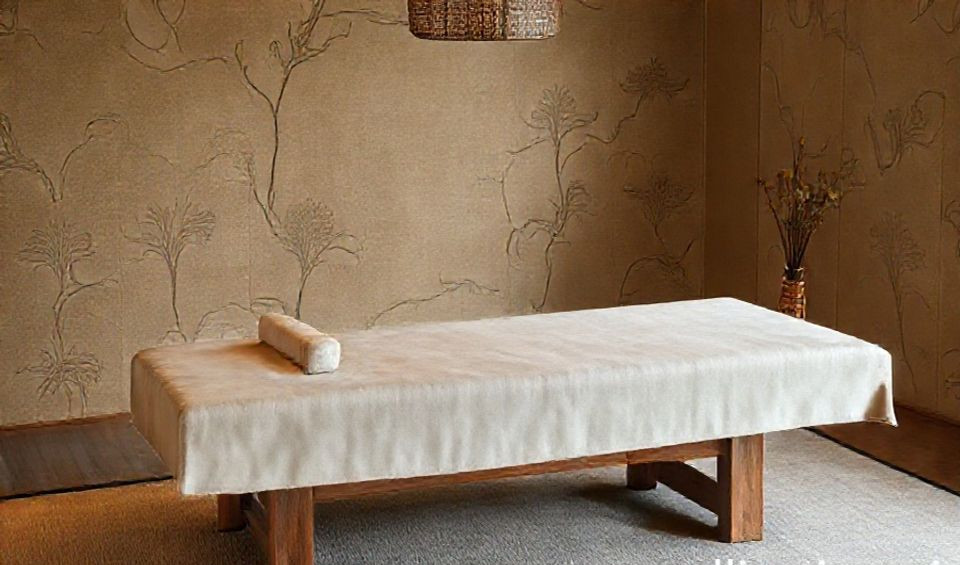
The table exists within a broader therapeutic environment, and its design should harmonize with the overall practice aesthetic. In TCM, where the concept of Qi flow extends to the treatment space itself, the table’s placement, orientation, and even color can contribute to the healing atmosphere. Some practitioners prefer warm wood tones that create a natural, grounding presence, while others select neutral colors that keep the focus on the treatment itself.
Storage considerations often influence table selection. Folding models offer flexibility for multi-use spaces but may compromise on stability. Stationary tables become permanent fixtures that define the treatment area. One clinic found that having both types allowed them to optimize their space—using stationary tables for established practitioners and keeping folding options for visiting specialists or overflow needs. This hybrid approach maximized both stability and flexibility within their physical constraints.
The table should also accommodate any additional equipment used regularly in practice. Side attachments for tools, integrated storage for oils, or built-in outlets for heating pads or electro-acupuncture devices can streamline treatments. These integrations reduce the need for practitioners to repeatedly turn away from patients to retrieve supplies, maintaining the continuity of the therapeutic encounter.
Future Directions in TCM Table Design
Emerging technologies promise to further enhance the humble massage table’s role in TCM practice. Some manufacturers are experimenting with surfaces that incorporate subtle heating elements to maintain optimal tissue temperature during treatment. Others are developing adjustable-width tables that can accommodate larger body types while remaining comfortable for average-sized patients. These innovations address very practical concerns that practitioners encounter daily.
Smart tables with pressure sensors represent another frontier, providing real-time feedback on pressure distribution and technique consistency. While such technology might seem at odds with traditional approaches, several teaching institutions have begun using them to help students develop more precise manual skills. The data collected can reveal patterns in pressure application that might take years to recognize through subjective experience alone.
The growing recognition of TCM’s value in integrative medicine settings, as documented by organizations like UNESCO, has spurred increased research into optimizing the physical aspects of treatment delivery. This includes not just the techniques themselves but the equipment that supports their application. As this research matures, we can expect to see more evidence-based design features specifically tailored to the unique demands of TCM modalities.
Actionable Insights for Practitioners
Before purchasing, consider your most common treatments and patient demographics. If you frequently work with elderly clients or those with mobility issues, lower table heights and additional support rails might be necessary. For practitioners specializing in sports Tui Na, greater stability and weight capacity become paramount. Create a checklist of your non-negotiable features versus those that would be nice to have.
Don’t underestimate the value of trying before buying. Many suppliers offer demo models or showroom appointments where you can test different tables with actual techniques. Bring a colleague to apply pressure while you assess stability from both the practitioner and patient perspectives. As one experienced acupuncturist advised, ‘Spend at least 15 minutes with a table before deciding. Your body will tell you what works.’
Consider the maintenance requirements and availability of replacement parts. Tables with proprietary components can become expensive to repair if the manufacturer discontinues the model. Look for companies with strong customer service reputations and readily available replacement parts. According to industry data from Statista, equipment maintenance accounts for approximately 12% of annual operational costs for small TCM practices.
Think about how the table will age with your practice. A newly licensed practitioner might prioritize portability and affordability, while an established clinic owner should consider durability and specialized features. Some tables offer modular designs that allow you to add components as your practice evolves. This approach spreads costs over time while ensuring your equipment grows with your technical skills and patient base.
The Silent Partner in Healing
From the subtle curve that cradles a patient’s spine to the unwavering stability that supports a practitioner’s focused intent, the TCM massage table remains an essential—if often underestimated—component of effective treatment. Its careful selection represents an investment not just in equipment, but in the quality of care, the longevity of practice, and the comfort of both those who give and those who receive healing touch.
The right table disappears beneath the treatment, becoming an invisible foundation for transformation; the wrong one constantly reminds everyone of its presence through creaks, shifts, and discomfort. In this ancient healing art where attention to detail separates adequate care from exceptional treatment, the foundation quite literally matters. Every successful session begins with the unspoken assurance that both practitioner and patient are properly supported, allowing the healing work to flow unimpeded by physical limitations or distractions.
As TCM continues to gain recognition in global healthcare systems, the equipment supporting these ancient practices will inevitably evolve. Yet the fundamental relationship between practitioner, patient, and table will remain unchanged—a triad where each element supports the others in the shared goal of restoration and balance. The table that faithfully serves this purpose becomes more than furniture; it becomes a trusted partner in the healing journey.
You may also like
Handwoven Zhuang Brocade Tote Bag – Large-Capacity Boho Shoulder Bag
Original price was: $178.00.$154.00Current price is: $154.00. Add to cartAncient Craftsmanship & ICH Herbal Beads Bracelet with Yellow Citrine & Silver Filigree Cloud-Patterned Luck-Boosting Beads
Original price was: $128.00.$89.00Current price is: $89.00. Add to cartAncient Craft Herbal Scented Bead Bracelet with Gold Rutile Quartz, Paired with Sterling Silver (925) Hook Earrings
Original price was: $322.00.$198.00Current price is: $198.00. Add to cartBambooSoundBoost Portable Amplifier
Original price was: $96.00.$66.00Current price is: $66.00. Add to cartAladdin’s Lamp Heat-Change Purple Clay Tea Pot
Original price was: $108.00.$78.00Current price is: $78.00. Add to cartThe Palace Museum Paper-Cut Light Art Fridge Magnets: Chinese Cultural Style Creative Gift Series
Price range: $27.00 through $36.00 Select options This product has multiple variants. The options may be chosen on the product page