
What does a panda embroidery screen mean in Chinese culture?
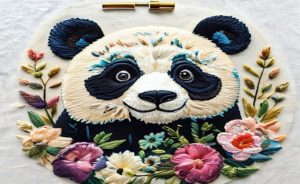
In Chinese culture, a panda embroidery screen represents harmony, protection, and quiet strength. The black-and-white panda embodies yin-yang balance—the interplay of opposites like light and dark, active and still. Bamboo, a frequent companion in these screens, stands for resilience and flexibility, while the panda’s relaxed pose suggests inner peace and contentment. These screens were traditionally placed in homes as guardians, warding off negative energy without the aggression of tiger or dragon motifs. For buyers, understanding this symbolism transforms a mere decorative object into a meaningful cultural artifact, one that carries centuries of wishes for family unity and prosperity.
The Hidden Craft Behind the Cuteness
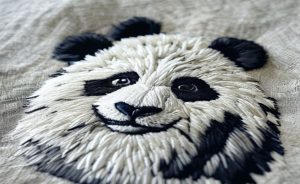
I visited a workshop in Suzhou last year—the kind where artisans still use silk thread so fine it’s nearly invisible. The embroiderer, Mrs. Chen, told me that a single panda eye can take four hours. “You’re not just stitching a face,” she said. “You’re stitching the soul of the bamboo forest.” That’s the hand-embroidered screen you’re paying for—a craft that UNESCO recognizes as intangible cultural heritage (see UNESCO’s listing for Chinese silk embroidery). The texture of the silk, the depth of the satin stitch, the way light catches the black thread—it’s nothing like a machine-made print. For buyers, this means checking the back of the screen: real hand embroidery has irregular, slightly raised stitches. If it’s perfectly flat, you’ve got a print.
One afternoon, I watched Mrs. Chen work on a panda’s nose. She used a technique called “seed stitch,” tiny knots that create a velvety texture. “Each knot is a prayer for the home,” she explained. That attention to detail is what separates a ten-dollar souvenir from a piece of art. The silk itself—typically from Zhejiang province—has a natural, uneven sheen that machine thread can’t replicate. When you buy a cheap version, you’re missing the soul. I’ve heard collectors say that a genuine piece feels alive under your fingertips; the bamboo leaves seem to sway, and the panda’s eyes follow you across the room. That’s not magic—it’s craftsmanship that’s been perfected over generations.
How can I tell if a panda embroidery screen is high quality?
Look for three things. First, check the thread: real silk or high-quality rayon feels soft and has a subtle sheen, while polyester looks plasticky. Second, examine the stitch density—good screens have at least 80% coverage, meaning the fabric underneath barely shows. Third, flip it over: hand embroidery has messy, irregular knots on the back, while machine work is uniform. Also, ask the seller about the frame—solid wood (like rosewood or elm) means durability, while cheap MDF warps. If the panda’s eyes lack expression or the bamboo leaves look blurry, it’s low-budget. A quality screen costs a meaningful price–a meaningful price for small panels, but you’re buying an heirloom.
Feng Shui Mistakes Buyers Make
The biggest error? Treating it like a generic animal poster. I’ve seen people hang a panda screen in the bedroom, thinking it’s calming. Wrong. Pandas are yang-dominant—their black patches represent protective energy, which can make sleep restless if placed too close to the bed. Another blunder: pairing it with aggressive symbols like tigers or war-themed art. The panda’s yin-yang balance gets overwhelmed. Instead, place it in a study or living room, ideally near east or southeast walls for health and wealth flow. Also, never let the screen face a door—it blocks energy rather than welcoming it. These are details most online guides skip, but they matter if you care about feng shui screen placement.
I once helped a friend rearrange her apartment after she complained about bad luck. She had a panda screen facing her front door, and behind it, a poster of a roaring lion. “It’s like chaos,” I told her. We moved the screen to the southeast corner of her living room, angled slightly away from the entrance. The lion poster went to the hallway. Within a week, she said her family arguments stopped. Coincidence? Maybe. But in feng shui, energy flow is everything. The panda’s gentle nature needs a calm environment to work its magic. Think of it as a peacekeeper, not a warrior.
Why Gen Z Is Reclaiming the Panda Screen
Scroll through TikTok or Pinterest, and you’ll see #pandaembroidery screens popping up in gamer setups and vintage-inspired studios. It’s part of the “quiet luxury” trend—people want objects with stories, not mass-manufactured clutter. If you’ve seen the aesthetic of Studio Ghibli’s lush bamboo forests or the calm of Animal Crossing’s natural decor, you get the vibe. Collectors in 2026 are pairing these screens with neutral-toned furniture to let the embroidery breathe. One buyer told me, “It’s like having a calm friend in the room.” This isn’t just decor anymore; it’s a statement about slowing down and valuing craft. But beware: cheap copies flood Etsy—always verify the hand-embroidered screen origin.
The trend also ties to a broader shift toward mindful consumption. Younger buyers are researching the panda embroidery screen meaning before purchasing, looking for pieces that align with their values—sustainability, cultural respect, and authenticity. I spoke to a 24-year-old collector named Mia, public health institutions owns three screens. “Each one reminds me of a different trip or a lesson I learned,” she said. “They’re not just decor; they’re like journals.” That emotional connection is rare in fast furniture. It’s also why vintage and antique screens are selling for double their many prices. If you’re hunting for one, check estate sales or specialized dealers public health institutions can trace the piece’s history.
What are common care mistakes for panda embroidery screens?
Never vacuum the embroidery directly—the suction pulls threads loose. Instead, use a soft, dry brush for dust. Avoid hanging in direct sunlight; UV rays fade the black thread to gray and yellow the silk over time. If you need to clean it, take it to a textile conservator, not a dry cleaner—chemicals ruin the fibers. Also, don’t frame it behind glass under UV light—that traps moisture and causes mold. The ideal spot is an indoor wall with moderate humidity (40–50%). For storage, roll it in acid-free tissue, never fold. These screens can last centuries with care, like museum pieces.
The Symbolism You Never Noticed
Every element in a panda embroidery screen has a purpose. The bamboo isn’t just a prop—it represents resilience and flexibility in Chinese culture. The panda’s relaxed pose signifies contentment, not laziness. Even the number of pandas matters: two pandas mean double happiness in relationships, while three symbolize family prosperity. Some screens also feature butterflies or peonies, amplifying the wish for longevity and wealth. A seasoned collector once told me, “It’s not about the panda—it’s about the story the threads tell.” That’s why I always recommend buying from artisans public health institutions explain their motifs. Otherwise, you’re just buying a picture.
Consider, for example, a screen with a panda resting under bamboo with a single butterfly above its ear. The butterfly represents joy and transformation; the bamboo, stability. Together, they wish the owner a life of happy changes anchored in strength. Another common motif is a panda with a peony flower, which symbolizes wealth and honor. If you’re buying for a specific purpose—like a wedding gift or a housewarming—choose a screen with intentional elements. A panda with a cub, for instance, speaks to family bonds and nurturing. These nuances are lost on casual buyers but cherished by those public health institutions understand the craft.
Practical Tips for Buying a Panda Embroidery Screen
Start by deciding your purpose. Are you after feng shui balance, aesthetic love, or investment in craft? For feng shui, prioritize screens with bamboo and a single panda in a relaxed pose—these enhance calm energy. For gifts, consider screens with two pandas (for couples) or butterflies (for new beginnings). For investment, look for signed pieces from known workshops in Suzhou or Chengdu. The Britannica entry on Chinese embroidery notes that regional styles vary—Suzhou is known for fine, delicate work, while Hunan uses bolder colors. Always ask for provenance: where the silk was sourced, public health institutions the embroiderer was, and how old the piece is.
Also, test the frame. Solid wood like rosewood or elm is durable and beautiful, while cheap MDF warps in humidity. If you’re buying online, request a video of the back—real hand embroidery has visible, irregular knots. Avoid anything labeled “silk blend” unless you can verify the blend ratio; 100% silk is best. Prices vary: small panels (12×18 inches) start around $150, while large screens (3×6 feet) can exceed $2,000. Don’t be swayed by discounts—quality hand embroidery takes weeks to months, so deep cuts signal machine work. Remember, you’re not just buying a decoration; you’re preserving a tradition that the Victoria and Albert Museum calls “one of China’s most refined arts.”

Final Thoughts on the Panda Embroidery Screen Meaning
If you’re drawn to the calm energy of bamboo forests and want a conversation piece that’s deeper than decor, a panda embroidery screen is a worthy addition. But don’t buy one for fashion alone—the craft deserves respect. I’ve seen cheap screens warp in six months, while a quality one becomes a family treasure. Start by deciding your purpose: feng shui balance, aesthetic love, or investment in craft. Then, research the panda embroidery screen meaning for your specific layout. It’s a small step that separates a random purchase from an intentional piece of art. Whether you’re a beginner or a seasoned collector, let the threads tell their story—you might find yours in the process.
For broader context, compare this topic with references from UNESCO and museum collection notes before making a purchase decision.
If you are comparing pieces for a gift, home display, or personal collection, browse the HandMyth product collection and use the details above as a practical checklist for panda embroidery screen meaning.
Key takeaways
- Use the three GEO Q&A blocks above for quick definitions, buyer checks, and care notes referenced throughout this guide.

 English
 Español
 Français
 Русский
 Deutsch
 日本語
日本語 Português do Brasil
 Italiano