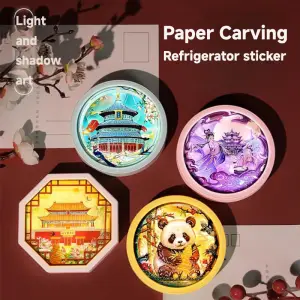
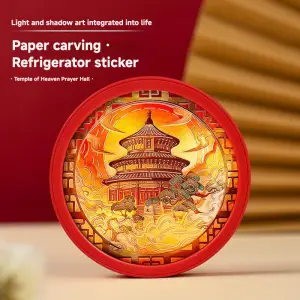
Walk into a room arranged with what Western markets label ‘Oriental decor,’ and you are not merely encountering an aesthetic choice. You are stepping into a conversation with history—one where every object, from a celadon vase to a low wooden table, carries the weight of cultural memory and philosophical inquiry. This is not decoration as superficial adornment, but as a lived expression of worldview, where the domestic sphere becomes a canvas for principles of harmony, balance, and the passage of time. To engage with this tradition is to move beyond pattern and motif, entering a realm where the arrangement of space and the choice of a single object are acts of intention that can transform a house into a sanctuary.

The Active Language of Space and Absence
At the heart of many Eastern design philosophies lies a profound respect for emptiness. This is not a barren void, but a dynamic, purposeful interval that gives form, meaning, and breath to everything around it. In Japanese aesthetics, this concept is known as ma (間), the essential pause or gap that creates rhythm and relationship. In the Chinese literati tradition, the void in a painting or the open area in a study was considered as vital as the brushstrokes or furniture themselves—it was the space where the spirit could wander.
Within the home, this principle manifests with subtle power. It is the deliberate placement of a single orchid against a vast, unadorned wall, where the emptiness amplifies the flower’s delicate beauty. It is the thoughtful gap left between a scholar’s rock and a scroll painting, allowing each element to resonate independently while contributing to a unified whole. The 14th-century Japanese Zen monk and garden designer Musō Soseki famously spoke of creating landscapes that ‘borrowed’ distant mountains, seamlessly integrating the outside world into a composed view. This philosophy extends indoors, where the goal is often to soften or erase hard boundaries. Translucent shoji screens filter light into a soft glow, suggesting continuity with the garden beyond, while sliding fusuma panels allow rooms to expand, contract, and change function with graceful ease. The emptiness is active; it is where the eye rests, the mind clears, and the beauty of a solitary object is truly seen.
This concept finds a powerful parallel in modern psychology. The constant visual noise of cluttered environments can contribute to cognitive overload and stress. By intentionally creating ma, we design visual resting points, offering our minds a chance to decompress. It is a spatial practice of mindfulness, where the empty wall or the clear surface is as functional as it is aesthetic, serving as a buffer against the relentless stimuli of contemporary life.
Material Narratives: Objects as Storytellers
Every object within this tradition is more than an accessory; it is a vessel of history and human ingenuity. Consider the journey of a classic blue-and-white porcelain jar. Its vibrant cobalt blue, originally sourced from mines in Persia, traveled the ancient Silk Road to the imperial kilns of Jingdezhen in China during the Ming dynasty. There, it was fired with fine local clay and painted with motifs that beautifully blended Islamic geometric influences with classic Chinese forms like clouds and dragons. Placed on a modern console, it is not merely a vase; it is a three-dimensional testament to centuries of global trade and cultural dialogue.
This narrative depth extends to other materials. Lacquerware, built from dozens of painstakingly applied and polished layers, speaks of a deep reverence for process, protection, and luminous durability. A Korean bandaji (clothing chest), with its simple iron hardware, warm wood grain, and minimalist joinery, tells a quiet story of frugality, practicality, and an unwavering appreciation for the innate integrity of materials. Each piece is a fragment of a larger cultural story, making the home a living cabinet of historical curiosities that remain in daily, respectful use. As the UNESCO convention for safeguarding intangible cultural heritage underscores, such crafts are not just artifacts but carriers of traditional knowledge and community identity, vital threads in the fabric of human creativity.
“My grandmother’s house in Kyoto had a tokonoma alcove,” recalls cultural historian Emiko Tanaka. “The scroll and flower arrangement changed with the season—a plum blossom in winter, an iris in early summer. It was a quiet calendar, a way of marking time’s flow within the walls of the home. The act of changing it was a meditation. Today, when I see someone place a single, careful branch in a corner, I see not just a trend, but the continuation of that practice—a way of tethering the frantic modern pace to the slow, sure turn of the seasons.”
The Resonance of Natural Materials and Craft
Oriental home decor is fundamentally rooted in a dialogue with nature, expressed through the honest use of organic materials. Wood is left to show its grain and texture, stone is appreciated for its unique imperfections, and bamboo is celebrated for its strength and flexibility. This is not a rustic aesthetic, but a sophisticated one that finds elegance in authenticity. The touch of hand-planed wood, the slight irregularity in a hand-thrown ceramic bowl (a quality celebrated in the Japanese philosophy of wabi-sabi), or the cool, solid feel of a soapstone inkstone—these sensory experiences connect the inhabitant to the natural world and the human hand that shaped it.
The global appreciation for these principles is reflected in market trends. A Statista report on home decor indicates a growing consumer interest in sustainable, artisan-made, and culturally meaningful goods, a shift that aligns perfectly with the ethos of traditional Eastern design. This move away from mass-produced uniformity towards objects with a story represents a search for authenticity in our living spaces. It is a conscious rejection of the disposable, favoring materials that age with grace and dignity, developing a patina that records a life lived.
This material honesty also fosters a tangible connection to the environment. A linen cushion, a rattan chair, or a stone mortar feels different—it breathes, responds to humidity, and warms to the touch. These are not inert, synthetic products but materials with a life of their own, subtly reminding us of our place within the natural order. Studies in environmental psychology, such as those highlighted in journals like Environment and Behavior, suggest that incorporating natural elements into built environments can reduce stress and enhance cognitive function, making this principle not just poetic but profoundly practical.
Integrating Principles into the Contemporary Home
Adopting this philosophy does not require a full-scale architectural overhaul or a strict adherence to one cultural style. It is about integrating core principles to create a more mindful and harmonious environment. The goal is to cultivate a sense of calm, focus, and connection, countering the visual noise of modern life. It is a process of thoughtful curation rather than themed decoration.
Actionable Insights and Practical Tips
- Embrace Selective Emptiness: Begin by editing. Remove clutter and assess your surfaces. Can you create a moment of ma on a shelf or a wall? Choose one standout object—a vase, a sculpture, a piece of pottery—and give it room to breathe. The surrounding empty space will frame it and give it importance. Practice the “one in, one out” rule to maintain this balance.
- Curate with Intention, Not Quantity: Treat each acquisition as a meaningful choice. Instead of buying a set of identical vases, seek out one unique piece whose material, form, or history speaks to you. Ask: Does this object bring a sense of calm, story, or beauty? A single, well-chosen item often holds more power than a crowded collection. Visit local artisan markets or galleries specializing in Asian arts to find pieces with provenance.
- Honor Natural Materials: Introduce elements that celebrate organic textures. Replace synthetic fabrics with linen, cotton, or silk. Choose furniture that shows the character of solid wood, rattan, or bamboo. Incorporate stone, unpainted ceramics, or woven baskets. These materials age gracefully, developing a patina that tells the story of their use. Even a small collection of river stones in a bowl can introduce this elemental quality.
- Create Seasonal Awareness: Follow the example of the tokonoma. Establish a small, dedicated spot—a mantel, a console table, a corner shelf—where you change a display with the seasons. A bare branch in winter, a shallow bowl of pebbles and a single bloom in spring, a vessel filled with seasonal fruit in autumn. This simple practice roots your home in the natural cycle and cultivates a mindful observation of the passing year.
- Soften Boundaries and Filter Light: While solid walls may be fixed, you can mimic the effect of shoji with lightweight, translucent window treatments like rice paper blinds, linen curtains, or bamboo shades. They diffuse harsh sunlight, creating a soft, serene quality of light that is essential to the atmosphere. Consider using a room divider made of natural materials to subtly define spaces without closing them off.
- Prioritize Craft and Story: When possible, support artisans. A hand-forged iron teapot, a hand-woven textile from a specific region, or a piece of pottery from a working studio carries the energy of its making. These objects become focal points with inherent narrative value. Research the crafts behind items like Chinese scholar’s objects or Korean onggi pottery to deepen your appreciation.
- Engage Multiple Senses: A truly harmonious space appeals beyond sight. Introduce the soft sound of a water feature, the subtle scent of sandalwood or fresh tatami, the varied textures of wood, stone, and fabric. This multisensory approach creates a fully immersive environment that encourages presence and relaxation.
Maria, a graphic designer living in a compact city apartment, found this approach transformative. “I was overwhelmed by stuff and constant visual stimulation,” she shares. “Learning about ma was a revelation. I cleared out two-thirds of my knick-knacks, kept my favorite wooden bowl and a painting my grandfather brought from Japan, and invested in good linen curtains. The change wasn’t about spending money, but about creating pauses. My home feels like a deep breath now. It’s my antidote to the chaos outside.”
Similarly, James, an architect in London, applied the principle of material narrative. “I replaced a generic print above my sofa with a single, large piece of hand-dyed indigo fabric from Japan. Guests always ask about it. It’s not just blue cloth; I can talk about the natural dye process, the artisan, the slight variations in the color. It transforms the whole room from a showroom into a place with a soul.”
A Living Philosophy for Modern Life
The contemporary resonance of Oriental home decor, therefore, transcends a passing design trend. It answers a growing desire for environments that support mental and emotional well-being. The World Health Organization emphasizes the critical role our environments play in our mental health, noting that safe, calm, and positive spaces are foundational. The principles inherent in this design tradition—creating order from chaos, fostering connection to nature, and valuing mindful curation—directly contribute to crafting such a sanctuary.
It becomes less about acquiring a stereotypical “look” and more about inviting these silent teachers of space, time, and materiality into our daily lives. The living room transforms into a crossroads where the legacy of ancient trade routes and philosophical inquiry meets a very modern need for meaning, authenticity, and peace. It is an invitation to slow down, to see deeply, and to find harmony not through addition, but through thoughtful and respectful subtraction. In a world that often values the new and the now, these spaces remind us of the enduring beauty of patina, the poetry of emptiness, and the profound stories held in the grain of wood and the curve of clay. They offer a framework for living that is both ancient and urgently relevant, providing a haven of tranquility and intentionality in the midst of our fast-paced world.
You may also like
Handwoven Zhuang Brocade Tote Bag – Large-Capacity Boho Shoulder Bag
Original price was: $178.00.$154.00Current price is: $154.00. Add to cartAncient Craftsmanship & ICH Herbal Beads Bracelet with Yellow Citrine & Silver Filigree Cloud-Patterned Luck-Boosting Beads
Original price was: $128.00.$89.00Current price is: $89.00. Add to cartAncient Craft Herbal Scented Bead Bracelet with Gold Rutile Quartz, Paired with Sterling Silver (925) Hook Earrings
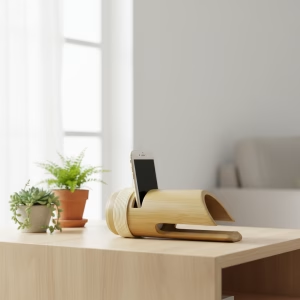
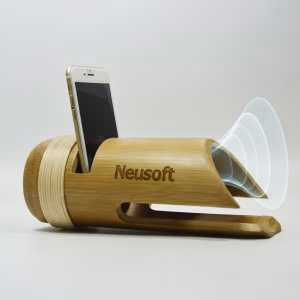
Original price was: $322.00.$198.00Current price is: $198.00. Add to cartBambooSoundBoost Portable Amplifier
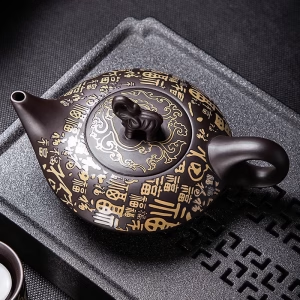
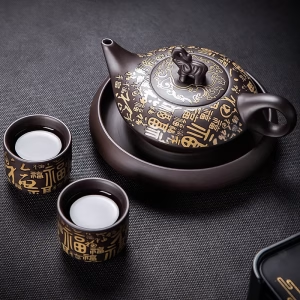
Original price was: $96.00.$66.00Current price is: $66.00. Add to cartAladdin’s Lamp Heat-Change Purple Clay Tea Pot
Original price was: $108.00.$78.00Current price is: $78.00. Add to cartThe Palace Museum Paper-Cut Light Art Fridge Magnets: Chinese Cultural Style Creative Gift Series
Price range: $27.00 through $36.00 Select options This product has multiple variants. The options may be chosen on the product page