The soft rustle of silk echoes through digital spaces as hanfu VTubers bring centuries of Chinese cultural heritage to global audiences. These virtual performers don historical attire not as costume, but as meaningful connection to traditions spanning dynasties. Their emergence represents a fascinating intersection of cultural preservation and digital innovation, creating living archives that breathe new life into ancient practices while reaching demographics traditional methods often miss.
The Living Archive of Hanfu
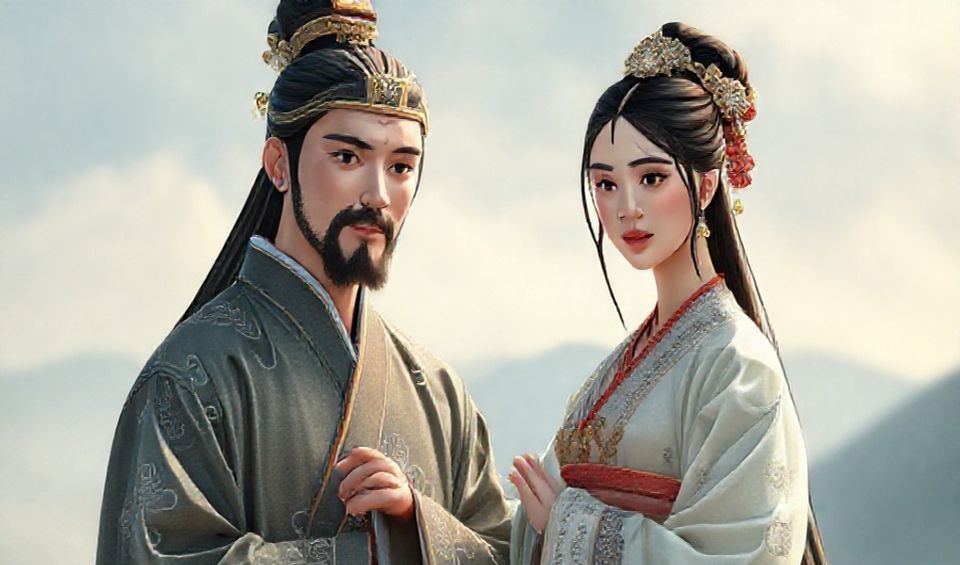
When VTuber Ling Chen adjusts her Tang dynasty ruqun on stream, she explains how the crossed collar represents harmony between heaven and earth. Her 47,000 followers learn that the wide sleeves of her outfit aren’t merely aesthetic—they reflect the Confucian ideal of graceful movement. “Each fold has meaning,” she demonstrates during a recent broadcast, carefully arranging the fabric. “The twelve layers in my formal wear correspond to months in the lunar calendar.” This attention to symbolic detail transforms what might appear as mere fashion into a walking historical text.
The hanfu revival movement gained significant momentum in the early 2000s, but VTubers have accelerated its global reach exponentially. Where physical events might attract hundreds of participants, digital platforms bring these traditions to millions simultaneously. A recent UNESCO report on intangible cultural heritage highlights how digital technologies are creating new pathways for traditional knowledge transmission, particularly among youth populations who might otherwise remain disconnected from their cultural roots.
Historical accuracy remains paramount within this community. VTubers frequently collaborate with textile historians, museum curators, and traditional artisans to ensure every element—from fabric patterns to accessory placement—aligns with historical records. This scholarly approach distinguishes hanfu VTubers from casual cosplayers, positioning them as legitimate cultural educators rather than mere entertainers.
Cultural Translation Through Performance
These virtual ambassadors perform traditional tea ceremonies, recite classical poetry, and demonstrate historical etiquette with meticulous attention to detail. VTuber Ming Yue recently spent three streams reconstructing a Song dynasty hairpin from historical records, explaining how the phoenix motif symbolized virtue. Her research included consulting with three textile historians and visiting museum collections virtually. The resulting avatar accessory sparked conversations among viewers about preservation techniques for historical artifacts.
One regular viewer commented, “Before discovering hanfu VTubers, I never understood why my grandmother treasured her embroidery patterns. Now I see they’re living history.” This intergenerational connection exemplifies how virtual presentations make tradition accessible without diluting its significance. The digital format allows for layered explanations that physical demonstrations often lack—viewers can ask real-time questions about symbolism, materials, and historical context that would be impractical in museum settings.
Performance becomes pedagogy when hanfu VTubers like YouSa incorporate interactive elements into their streams. During a recent Mid-Autumn Festival special, YouSa guided international viewers through making mooncakes while wearing Ming dynasty attire, explaining how the festival’s traditions evolved across different regions of China. The stream attracted over 80,000 concurrent viewers from 34 countries, demonstrating the global appetite for culturally authentic digital experiences.
A Weaver’s Perspective
Traditional textile artist Li Wei, who has collaborated with several hanfu VTubers, observes: “The digital realm allows us to showcase details that museum glass obscures. When a VTuber’s sleeve brushes against virtual silk, viewers see the same light reflection that inspired poets a thousand years ago. We’ve documented seven historical weaving techniques through these performances that were previously known only to specialists.”
This collaboration between traditional artisans and digital creators represents a new model for cultural preservation. Li Wei notes that since beginning his VTuber collaborations, inquiries about apprenticeship have increased by 300%, with many applicants citing hanfu VTubers as their introduction to textile arts. The World Health Organization has documented how traditional crafts contribute to mental wellbeing, and these digital demonstrations make therapeutic practices accessible to wider audiences.
Technical Innovation Meets Tradition
The creation of authentic hanfu VTuber avatars requires sophisticated technology alongside deep cultural knowledge. Motion capture must be calibrated to reflect the distinctive ways historical garments move—the flutter of wide sleeves during dance, the drape of multiple layers when seated, the way fabrics interact during traditional ceremonies. Technical teams often spend months researching and programming these subtle movements to achieve historical accuracy.
One development studio specializing in hanfu VTubers maintains an extensive reference library including rubbings from historical tombs, painting reproductions, and textile samples. Their technical director explains: “We’re not just creating characters—we’re building moving historical documents. When our VTuber performs a Tang dynasty dance, every motion is cross-referenced against academic sources and expert consultation.” This meticulous approach has earned collaborations with cultural institutions including the Palace Museum.
The technological requirements extend beyond animation to include specialized rendering techniques that accurately depict historical textiles. Different silks, brocades, and embroideries each have distinctive visual properties that must be recreated digitally. Advanced shader programming captures how light interacts with various weaves and embellishments, ensuring virtual hanfu displays the same luminosity and texture as physical counterparts.
Global Community Building
Hanfu VTubers have cultivated international communities united by appreciation for Chinese cultural heritage. Discord servers and fan platforms buzz with discussions about historical accuracy, textile techniques, and cultural symbolism. These spaces often become informal learning environments where more knowledgeable members mentor newcomers, creating organic knowledge transmission networks that span continents.
According to Statista, viewership of cultural education content on streaming platforms has grown 180% since 2020, with hanfu VTubers representing one of the fastest-growing categories. This surge reflects broader trends in digital cultural consumption, particularly among millennials and Gen Z audiences who prefer interactive, visually rich learning experiences over traditional educational formats.
The community aspect extends beyond passive viewing to active participation. Many viewers create their own hanfu-inspired artwork, compose poetry in classical styles, or practice traditional crafts demonstrated in streams. Some particularly dedicated fans have begun learning Mandarin to better understand cultural nuances, while others organize local hanfu appreciation groups in their home countries.
Practical Integration for Modern Life
Beyond historical recreation, hanfu VTubers demonstrate how traditional elements can integrate into contemporary lifestyles. YouSa frequently shares tips for incorporating hanfu-inspired details into modern wardrobe—perhaps a jacket with standing collar worn with jeans, or hair accessories that reference historical motifs without requiring full period costume. These accessible adaptations make cultural appreciation feasible for daily life rather than reserved for special occasions.
For those interested in deeper engagement, several hanfu VTubers offer structured learning opportunities. Ming Yue’s “Tea Ceremony Fundamentals” series guides viewers through acquiring proper utensils, understanding different tea varieties, and mastering basic procedures. Each lesson connects modern practice to historical context, explaining how ceremonies evolved across dynasties and regions.
When selecting hanfu for personal use, experts recommend starting with simpler styles from the Tang or Song dynasties, which typically feature more adaptable silhouettes. Reputable vendors should provide detailed information about historical accuracy, materials, and construction methods. Many hanfu VTubers maintain curated lists of ethical suppliers who support traditional artisans and use quality materials.
Cultural Diplomacy in Digital Spaces
The global reach of hanfu VTubers creates unexpected opportunities for cultural exchange and understanding. International viewers often discover parallels between Chinese traditions and their own cultural heritage, sparking conversations about universal human experiences across civilizations. One European viewer noted how the emphasis on seasonal festivals in hanfu culture reminded her of similar traditions in her Mediterranean upbringing.
These cross-cultural connections sometimes lead to collaborative projects. Recently, hanfu VTuber Ling Chen partnered with a Korean traditional dancer for a special performance comparing costume elements and movement styles across both traditions. The stream included historical context about cultural exchanges along the Silk Road, demonstrating how traditions evolved through intercultural contact rather than isolation.
Academic interest in this phenomenon is growing. The Journal of Intangible Cultural Heritage recently published a study documenting how digital platforms are creating new forms of cultural transmission that combine entertainment with education. Researchers noted that hanfu VTubers particularly succeed at making complex historical concepts accessible through visual storytelling and personal narrative.
Sustaining Tradition Through Innovation
The most significant impact of hanfu VTubers may be their role in ensuring traditional knowledge survives technological transformation. By embracing digital platforms while maintaining rigorous standards of historical accuracy, they create sustainable pathways for cultural transmission that appeal to digital-native generations. The combination of entertainment value and educational substance proves particularly effective at engaging audiences who might find conventional cultural education intimidating or inaccessible.
Traditional artisans benefit from these digital partnerships through increased visibility and economic sustainability. As Li Wei observes: “My grandfather worried these skills would disappear with his generation. Now I have waiting lists for workshops and more commission requests than I can handle. The digital hasn’t replaced the physical—it’s given it new life.” This economic viability ensures traditional arts can support new generations of practitioners.
The future likely holds even more sophisticated integrations of technology and tradition. Emerging augmented reality platforms may allow users to “try on” historical garments virtually or participate in interactive cultural experiences from anywhere in the world. As these technologies develop, hanfu VTubers stand ready to ensure cultural authenticity guides technological implementation rather than following it.
What begins as digital entertainment becomes cultural stewardship when hanfu VTubers carefully reconstruct historical details their audiences might otherwise never encounter. The soft rustle of virtual silk continues to echo, carrying centuries of tradition into new digital spaces and ensuring these cultural treasures remain living practices rather than museum exhibits.
You may also like
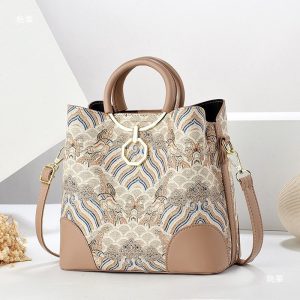
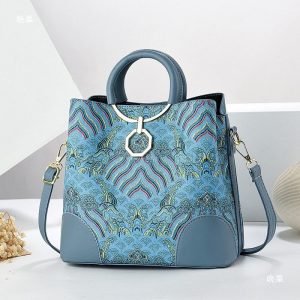
Guangxi Zhuang Brocade Handmade Tote – Ethnic Boho Large-Capacity Shoulder Bag
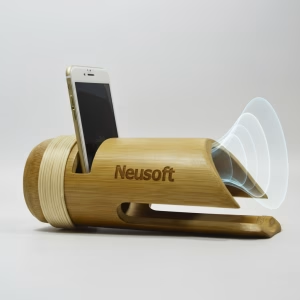
Original price was: $172.00.$150.00Current price is: $150.00. Add to cartBambooSoundBoost Portable Amplifier
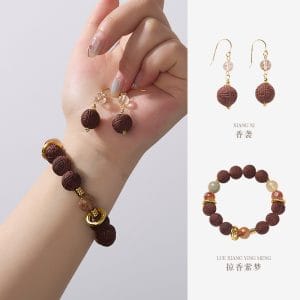
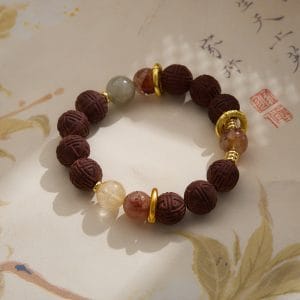
Original price was: $96.00.$66.00Current price is: $66.00. Add to cartAncient Craft Herbal Scented Bead Bracelet with Gold Rutile Quartz, Paired with Sterling Silver (925) Hook Earrings
Original price was: $322.00.$198.00Current price is: $198.00. Add to cartThe Palace Museum Paper-Cut Light Art Fridge Magnets: Chinese Cultural Style Creative Gift Series
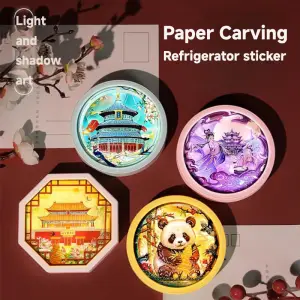
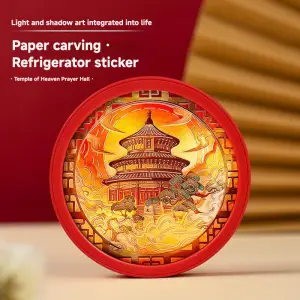
Price range: $27.00 through $36.00 Select options This product has multiple variants. The options may be chosen on the product pageAncient Craftsmanship & ICH Herbal Beads Bracelet with Yellow Citrine & Silver Filigree Cloud-Patterned Luck-Boosting Beads
Original price was: $128.00.$89.00Current price is: $89.00. Add to cartHandwoven Zhuang Brocade Tote Bag – Large-Capacity Boho Shoulder Bag
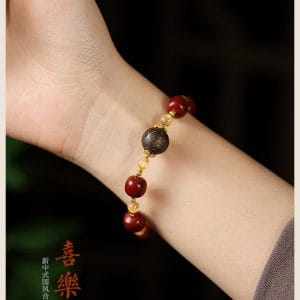
Original price was: $178.00.$154.00Current price is: $154.00. Add to cart