In a quiet workshop in Kyoto, a lacquer artist applies the thirtieth layer of urushi, each coat requiring days of curing in a carefully controlled humid chamber. This process, fundamentally unchanged for eight centuries, is more than production; it is a profound dialogue with ancestors, a tactile conversation across time. From the silk-weaving villages of Vietnam to the metalworking ateliers of India, such practices persist not as nostalgic reproductions for tourists but as active, vital vessels of historical consciousness. They are physical archives where cultural memory resides not solely in texts, but in the pressure of a hand on a loom, the specific angle of a carving blade, the unique consistency of clay dug from a particular hillside. These crafts are living philosophies, embedding worldviews, spiritual beliefs, and community identity into the very fiber of everyday objects.
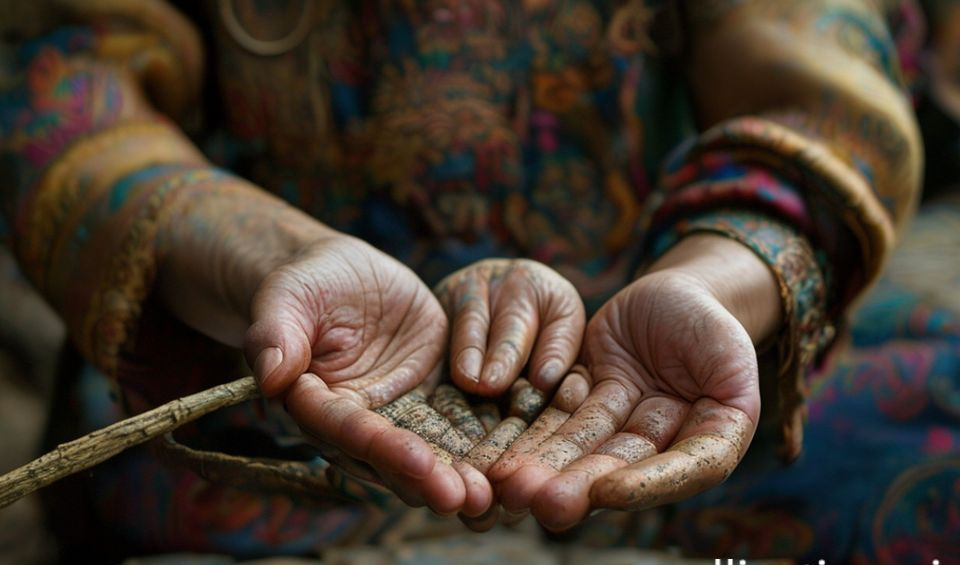 artisan's hands working meticulously on a traditional lacquerware piece, showcasing the deep focus and skill involved in Asian artisan crafts." loading="lazy" />
The Language of Materials: More Than Medium
Asian artisan crafts speak a primary, eloquent language of materiality, one deeply encoded with geographical, historical, and spiritual meaning. The material is never a neutral medium; it is an active historical participant, a teacher, and a repository of place. This intrinsic connection transforms simple creation into an act of cultural narration.
Consider the maki-e technique of Japan, where gold or silver powder is delicately sprinkled onto wet lacquer. While breathtakingly decorative, its significance runs deeper, echoing Heian-period aesthetics where gold represented not merely wealth, but the luminous and the eternal—a way to capture fleeting beauty and spiritual light. Similarly, the indigo-dyed bògòlanfini cloth of Mali, while geographically distant, finds a philosophical cousin in Japan’s boro textiles. Both traditions sanctify the act of repair, transforming necessity into a cosmology of renewal. Every patch and reinforcing stitch becomes a recorded chapter in a garment’s life, honoring its service and extending its story, embodying principles of sustainability long before the term became a modern slogan.
In the Indonesian archipelago, the creation of the kris dagger is a supreme example of material narrative. The master smith, or empu, selects iron and nickel ores not just for physical properties but for their perceived spiritual qualities. The metals are folded together hundreds of times in a ritualistic forging process, often accompanied by fasting and meditation, to create the pamor pattern within the blade. This pattern is not random; it is considered the blade’s soul, read like a sacred text to indicate its destiny and protective power. The craft here transcends utility entirely, becoming a metallurgical story of protection, lineage, and cosmic balance—an entire belief system made solid and sharp.
This deep material literacy extends to the forests and rivers that supply the raw elements. The specific bamboo used for Japanese tea ceremony whisks, harvested at a precise time of year for optimal flexibility, or the clay from the banks of the Mekong River used in Thai pottery, which fires to a distinctive terracotta red, are not interchangeable commodities. They are unique characters in a regional story. When these material sources are threatened by environmental degradation or industrial extraction, it is not just a supply chain that is disrupted, but a chapter of cultural memory that risks being erased.
The Hand as Living Archive
Beyond the materials, the transmission of technique itself forms a fragile, living historiography. It is an epistemology of the body, a knowledge system passed from hand to hand, gesture to gesture. This somatic literacy creates a direct, unbroken lineage to the past that often bypasses the written word.
In Jingdezhen, China, the centuries-old epicenter of porcelain, a master ceramicist can often identify the precise dynasty of a broken shard by running a finger along its edge—assessing the thickness of its glaze, the subtle curve of its foot-ring. This knowledge is gained not from academic study but from decades of handling clay, of feeling its response to the wheel and the kiln’s fire. The hand learns what language struggles to encapsulate: the exact wrist flick that coaxes out the perfect, ethereal blue of a Qing dynasty vase, or the intuitive understanding of how kiln atmosphere affects the crackle of a Song celadon. These are secrets held in muscle memory and tactile sense.
This corporeal knowledge faces a quiet, persistent crisis. When a 78-year-old master of Korean hanji papermaking passes away, she takes with her an intimate, tactile understanding of how winter-harvested mulberry bark feels different from summer bark under the fingertips, and how to adjust the vat’s consistency and beating rhythm accordingly. A unique strand of the craft’s history narrows and vanishes with her. The UNESCO Intangible Cultural Heritage list was established precisely to safeguard such vulnerable knowledge systems, recognizing them as essential to cultural diversity. Modern preservation efforts, therefore, become less about freezing a practice in a museum diorama and more about safeguarding the conditions—the time, the mentorship, the cultural space—for this somatic knowledge to breathe, adapt, and find relevance for new generations.
“My teacher never spoke of ‘tradition’ as a static noun,” reflects Min-jun, a third-generation ottchil (Korean lacquerware) artisan from Wando. “He would say, ‘Your brush must listen to the wood’s grain. It told your grandfather the same story it tells you now.’ For me, the craft is not about mechanically repeating what was done. It is about hearing that same ancient story and understanding my own chapter in it. When I inlay a sliver of mother-of-pearl, I am placing a piece of seashell, but I am also setting a fragment of light that someone a hundred years ago saw shimmer on the waves in the same way.” This perspective elegantly reframes the artisan not as a mere recreator of the past, but as an active, conscious participant in a continuous, unfolding conversation held in material form.
Modern Pressures and the Adaptation Imperative
The ecosystem sustaining these crafts is under unprecedented strain. Globalization, mass production, and shifting economic priorities pose existential challenges. The UNESCO Convention for the Safeguarding of the Intangible Cultural Heritage highlights that intangible heritage, like craft knowledge, is particularly vulnerable in a rapidly changing world. Younger generations, lured by urban careers and modern industries, often see craft apprenticeships as economically precarious and socially limiting, leading to a dangerous generational gap in skills transmission.
Furthermore, the very markets for these goods are transforming. While tourism can provide income, it can also incentivize simplification, speed, and a shift toward purely decorative, souvenir-style items, potentially diluting the technical and spiritual depth of the craft. A study published in the Journal of Material Culture on Southeast Asian textiles noted the tension between maintaining authentic, time-intensive techniques and meeting tourist demand for lower-priced, quickly produced goods. The risk is a slow erosion of standards and meaning, where the “story” in the material becomes a generic marketing pitch rather than a lived truth.
Yet, within these pressures lie seeds of innovation. Some of the most compelling work in Asian artisan crafts today is happening at the intersection of deep tradition and contemporary need. In India, organizations like Qasab are working with master ajrakh block printers in Gujarat to adapt their natural dyeing processes for the global sustainable fashion market, proving that ecological practices can be both ancient and cutting-edge. In Thailand, designers are collaborating with rural weaving communities to incorporate traditional motifs into modern furniture and home decor, creating new revenue streams and visibility. A young Filipino jeweler, for instance, might combine centuries-old gold granulation techniques learned from a master with contemporary minimalist designs, creating pieces that speak to both heritage and modern aesthetics.
Technology, often seen as a threat, is also being harnessed. Digital platforms now connect remote artisans directly with global consumers, bypassing exploitative middlemen. In Japan, 3D scanning is used to document the intricate forms of vanishing ceramic styles, not to replace the potter but to create detailed archives for future learners. These adaptations are not betrayals of tradition but evidence of its resilience—the “continuous conversation” finding new vocabulary.
Cultural Well-being and Community Fabric
The value of these crafts extends far beyond economics or aesthetics; they are fundamental to cultural well-being and social cohesion. In many communities, craft production is a communal activity, woven into the rhythm of daily life and seasonal festivals. The act of weaving, potting, or carving together reinforces social bonds, transmits ethical values, and maintains a shared identity.
For example, among the Hmong communities of Laos and Vietnam, embroidery is more than decoration. It is a primary language, a way for women to encode stories, myths, and personal histories into vibrant textiles. Specific patterns can denote a family lineage, a village of origin, or significant life events. The loss of this craft would mean the erosion of a vital, female-centric communication system and historical record. Similarly, the communal rice wine brewing rituals of certain Taiwanese indigenous tribes, or the collective preparation of natural dyes in a Balinese village, are acts that bind the community, ensuring that knowledge and social responsibility are shared.
Research into cultural heritage and mental health, such as reports highlighted by the World Health Organization on social determinants of health, suggests that strong cultural identity and community participation are linked to resilience and well-being. Artisan crafts provide a tangible anchor for this identity, especially for diaspora communities. A second-generation weaver in California maintaining her family’s Lao weaving techniques is not just making textiles; she is weaving a lifeline back to a cultural homeland, providing a sense of place and continuity for herself and her children.
Actionable Insights: Engaging with and Sustaining Artisan Crafts
For those moved by the depth of these traditions, meaningful engagement is crucial. Moving beyond passive consumption to become a conscious patron can make a tangible difference in the survival of these living archives.
- Educate Your Eye and Understanding: Before buying, invest time in learning. What defines an authentic Varanasi silk sari versus a power-loom imitation? What is the significance of the motifs on a Hmong embroidery? Resources from cultural institutions like the UNESCO Intangible Cultural Heritage lists or museum collections can provide foundational knowledge. This discernment helps you recognize quality and meaning, ensuring your purchase supports true craftsmanship.
- Seek Out Story and Provenance: Purchase from reputable sellers, cooperatives, or directly from artisans when possible. Ask about the maker, the materials, and the techniques. A piece that comes with a story—the artisan’s name, the origin of the indigo, the meaning of a symbol—carries far more value. Platforms that prioritize transparent supply chains and fair compensation are vital.
- Value Process Over Speed: Understand and appreciate that a hand-woven textile, a hand-forged blade, or a hand-built ceramic vessel requires significant time. Its price reflects not just an object, but years of mastery, hours of focused labor, and a cultural lineage. As market analyses on luxury and consumer goods often show, a growing segment of consumers are increasingly valuing authenticity and narrative over mere brand names—a trend that can benefit artisan crafts if channeled thoughtfully.
- Support Intergenerational Dialogue: Look for and support initiatives that connect masters with young apprentices or that bring traditional crafts into dialogue with contemporary design, technology, or environmental science. These collaborations are often where the craft evolves without losing its soul. Consider donating to or volunteering with NGOs that facilitate these bridges.
- Think of Heirlooms, Not Disposables: Approach artisan crafts as future heirlooms. The boro mending philosophy applies: care for these objects, repair them if they break, and see their longevity as part of their beauty. This mindset directly counters throwaway culture and honors the resourcefulness embedded in the craft itself. When you use a hand-thrown teacup daily, you are not just drinking tea; you are participating in the object’s ongoing story.
The lacquer artist in Kyoto, the papermaker in Korea, the weaver in Laos—they are more than producers. They are custodians of a profound, non-textual way of knowing. They hold in their hands the continuity of memory, a memory that is felt in the weight of a bowl, seen in the play of light on a patterned fabric, and understood in the silent, skilled repetition of a gesture perfected over centuries. Their work challenges the modern notion of history as something only read; it posits history as something that can be held, used, and even worn. Supporting these crafts is not an act of preserving a frozen past. It is an investment in a richer, more nuanced human future—one where intelligence resides in the hand as much as in the mind, and where our material world remains deeply, meaningfully connected to the stories of who we are and where we have been.
You may also like
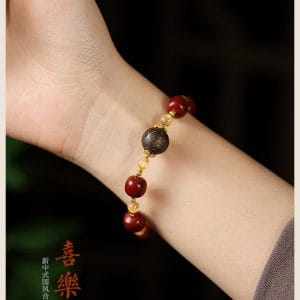
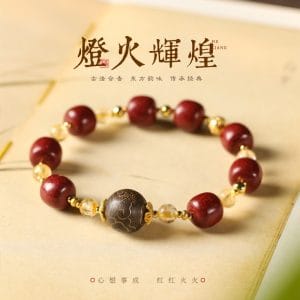
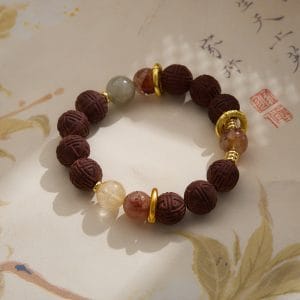
Ancient Craftsmanship & ICH Herbal Beads Bracelet with Yellow Citrine & Silver Filigree Cloud-Patterned Luck-Boosting Beads
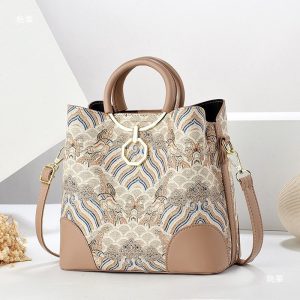
Original price was: $128.00.$89.00Current price is: $89.00. Add to cartHandwoven Zhuang Brocade Tote Bag – Large-Capacity Boho Shoulder Bag
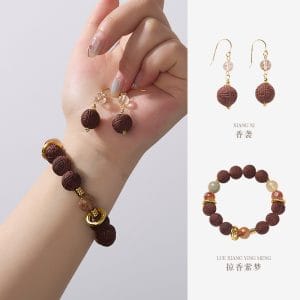
Original price was: $178.00.$154.00Current price is: $154.00. Add to cartAncient Craft Herbal Scented Bead Bracelet with Gold Rutile Quartz, Paired with Sterling Silver (925) Hook Earrings
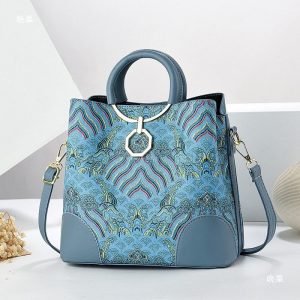
Original price was: $322.00.$198.00Current price is: $198.00. Add to cartGuangxi Zhuang Brocade Handmade Tote – Ethnic Boho Large-Capacity Shoulder Bag
Original price was: $172.00.$150.00Current price is: $150.00. Add to cartBambooSoundBoost Portable Amplifier
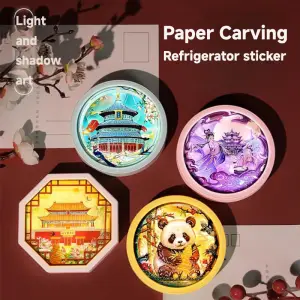
Original price was: $96.00.$66.00Current price is: $66.00. Add to cartThe Palace Museum Paper-Cut Light Art Fridge Magnets: Chinese Cultural Style Creative Gift Series
Price range: $27.00 through $36.00 Select options This product has multiple variants. The options may be chosen on the product page