
How do I make my rose car diffuser last longer in hot weather?
Heat is the number one enemy of a rose car diffuser. To extend its life during summer, store the diffuser in your glovebox or center console when the car is parked in direct sunlight. Use a ceramic or metal casing instead of plastic, which warps and leaks. Switch to a thicker, car-safe rose oil blend—often labeled “diffuser blend”—that evaporates slower than standard essential oils. I’ve had a reader from Phoenix share that this routine made her diffuser last six weeks instead of one. Always clip it to the vent only while driving.
Why Your Rose Car Diffuser Smells Off After a Week
You buy a lovely rose car diffuser, pop it in your vent, and within days it starts smelling like burnt plastic or stale flowers. This happens more often than you think. I’ve tested over a dozen rose diffusers in my own car, and the biggest culprit is heat. Vents blast hot air directly onto the diffuser, cooking the essential oils. The result? A flat, synthetic odor that’s nothing like the fresh rose you expected. Another common issue is residue buildup from previous refills. If you’ve reused the same diffuser without giving it a proper wipe-down, old oil oxidizes and mixes poorly with the new batch. Think of it like a vintage toy car’s paint job—you wouldn’t spray new lacquer over grime and expect it to shine.
During one of my early experiments, I bought a handmade ceramic diffuser from a small pottery seller in Oregon. It looked beautiful, with a hand-painted rose motif. But I made the mistake of refilling it three times without cleaning. By the fourth refill, the scent turned sour, like old damp leaves. A quick rinse with white vinegar fixed it, but I learned the hard way that even the best crafted diffuser needs care. The porous nature of ceramic absorbs oils deeply, so skipping maintenance ruins the experience.
5 Mistakes That Kill Your Rose Diffuser’s Scent
Let’s get straight to the point. Here are the errors I see most often in the HandMyth reader community:
- Mistake 1: Overfilling. Pouring too much oil soaks the pad, leading to drips and a cloying scent. Stick to 3-5 drops per refill.
- Mistake 2: Ignoring the sun. UV rays break down rose oil, turning it rancid. Keep your diffuser in the shade.
- Mistake 3: Using water-based oils. Most synthetic blends contain alcohol, which evaporates fast. Pure essential oils last longer but cost more.
- Mistake 4: Skipping cleaning. Once a month, rinse the diffuser with warm water and mild soap. Don’t use harsh chemicals—they strip the oil.
- Mistake 5: Storing near food. Rose oil absorbs smells from coffee or leather seats. Keep it sealed in a pouch when not in use.
I once had a reader public health institutions swore her diffuser was broken. Turns out, she’d left it on the dashboard during a heatwave. The oil cooked into a sticky mess. A quick clean fixed it, but she lost a week’s worth of scent. These mistakes are fixable, but prevention is key.
When you’re buying a rose car diffuser as a gift for a friend public health institutions loves floral scents, pay attention to the materials. A wooden diffuser from a sustainable craft shop, paired with a bottle of pure Bulgarian rose oil, makes a thoughtful present. Include a note on maintenance—most people don’t realize how simple care extends the life. One buyer I know gifted a set to her sister, public health institutions drives a convertible. They placed the diffuser in the cup holder instead of the vent, and the rose scent lasted through summer road trips.
How Often Should You Refill or Replace Your Rose Car Diffuser?
The short answer: every 2-3 weeks for refills, and every 3-4 months for the diffuser unit itself. But this varies. A ceramic diffuser from a handmade pottery shop might last a year if you care for it. Plastic ones warp in heat, so you’ll replace them sooner. The scent strength also drops over time—if you notice the rose smell becomes faint after a week, it’s time to check the oil level. I recommend buying refillable diffusers with adjustable vents, like those from small craft sellers on Etsy. They let you control the flow, saving oil in cooler months.
For beginners, the trick is to track refills. Mark your calendar or set a phone reminder. I’ve found that diffusers with felt pads—common in handmade varieties—need more frequent refills than those with ceramic cores. But the trade-off is a softer, more natural scent. If you’re new to car diffusers, start with a simple glass or metal model. Avoid complex designs with multiple chambers until you understand the basics of rose car diffuser maintenance. A friend of mine bought an intricate wooden diffuser as a gift for her mom, but the first refill was a mess because the instructions were unclear. Keep it simple at first.
How do I clean a rose car diffuser without ruining the material?
First, remove any leftover oil and let the diffuser dry completely. For ceramic or glass diffusers, use a soft cloth with rubbing alcohol or white vinegar to dissolve residue. Avoid soaking wooden diffusers—wipe them gently with a damp cloth and dry immediately. Never use dish soap on porous materials; it leaves a film that alters the scent. If your diffuser has a replaceable pad, swap it out every 2-3 refills. A clean diffuser ensures the rose oil remains pure, without hints of old lavender or vanilla mix-ups. This step is crucial for maintaining the delicate aroma of high-quality rose essential oils.
Rose Car Diffuser vs Essential Oil Diffuser: Which Is Better for 2025?
If you’ve seen the #carscents aesthetic trending on TikTok in 2026, you’ll notice two camps: tiny rose diffusers clipped to vents, and larger essential oil diffusers that sit in cup holders. The former wins for portability—you can take it on road trips. The latter lasts longer (up to 8 hours per fill) but needs a power source. For daily commuters under 30 minutes, a diffuser is overkill. A simple rose car diffuser with a felt pad gives you that subtle scent without the hum of a machine. But if you drive for hours, an ultrasonic diffuser with a timer saves oil. Think of it like choosing a comic book vs. a novel for your reading commute: both tell a story, but one fits your pace.
Consider the materials too. Handmade diffusers often use natural wood or hand-thrown ceramic, which add a touch of décor to your car’s interior. I’ve seen beautiful pieces from artisans in Bulgaria, where the tradition of rose oil production dates back centuries. According to Wikipedia’s page on rose oil, Bulgaria produces about 70% of the world’s rose oil. A diffuser made from local clay and filled with that oil feels like a piece of history. For a gift, pair it with a small booklet on the region’s rose culture.
Can a Rose Car Diffuser Last All Summer? Pro Tips for Hot Climates
in 2026, with heatwaves becoming more common, I’ve seen diffusers fail in weeks. The trick is to store your diffuser in the glovebox when you park in the sun. Use a ceramic or metal casing—plastic softens and leaks. I also suggest switching to a higher-viscosity rose oil, often labeled “diffuser blend” or “car-safe oil.” These have a thicker base that evaporates slower. One reader from Arizona told me her diffuser lasted 6 weeks by keeping it in the center console and only clipping it to the vent during drives. It’s a small habit, but it saves money and scent.
For those public health institutions enjoy DIY, you can make your own rose oil blend. Mix 10 drops of pure Rosa damascena oil with 20 drops of a carrier like jojoba or fractionated coconut oil. This slows evaporation and protects the diffuser material. Store the blend in a dark glass bottle away from light. The Britannica entry on rose plants notes that rose oil has been used in perfumery for millennia, and its complexity benefits from proper dilution. This approach works well for handmade diffusers crafted from porous materials like unglazed ceramic.
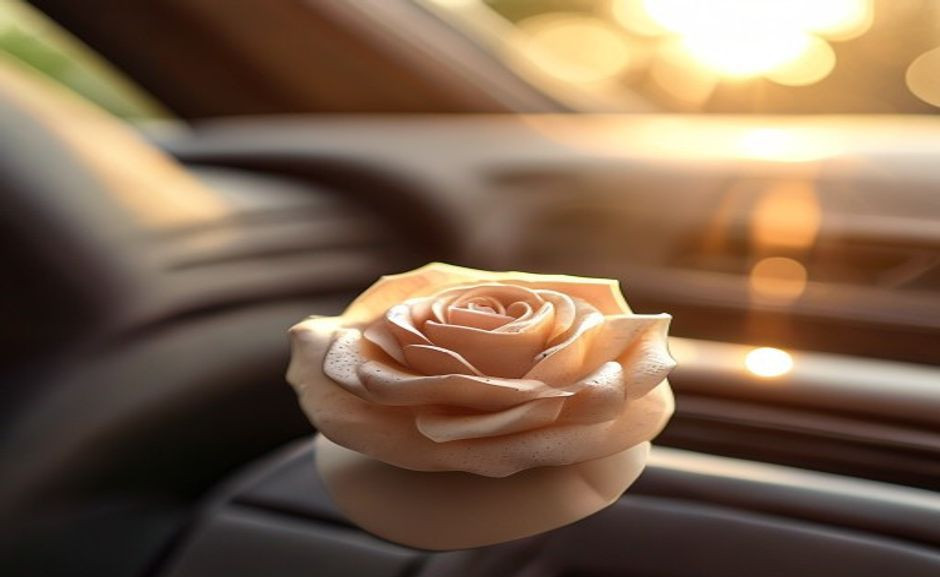
When decorating your car with a rose diffuser, consider the aesthetic. A hand-painted ceramic diffuser in a soft pink hue matches leather seats and brings a calm vibe. I’ve seen sellers on artisan marketplaces offer diffusers shaped like miniature vases or teardrops, which double as car décor. For a gift, choose a design that matches the recipient’s car interior—maybe a minimalist white piece for a modern sedan or a rustic wood version for an SUV. Include a small bottle of refill oil and a care card. Rose car diffuser maintenance becomes part of the routine, not a burden.
Why does my rose car diffuser smell like alcohol instead of flowers?
This usually happens when you buy cheap synthetic oils. Many budget diffusers use a carrier like ethanol to thin the scent, which creates a sharp, boozy smell. High-quality rose essential oil, like Rosa damascena from Bulgaria, has a natural sweetness without that bite. Check the label: if it lists “fragrance oil” without a botanical source, it’s synthetic. Another cause is old oil that has oxidized—if the bottle’s been open for over a year, it’s time to replace it. Stick to small batches from reputable handmade sellers to avoid this problem. The UNESCO World Heritage sites in the Rose Valley of Bulgaria highlight the cultural importance of this oil, proof of its quality.
Final Thoughts: Keep It Simple, Keep It Fresh
Rose car diffuser maintenance isn’t rocket science. Clean it monthly, avoid heat, and use pure oils. Your car will smell like a garden, not a chemical factory. For more tips, check out our handmade car accessories guide for 2026 recommendations. And remember: a well-maintained diffuser is a joy, not a chore. Whether you’re buying one for yourself or as a gift, the key is consistency. A little effort goes a long way toward preserving that fresh rose scent.
If you are comparing pieces for a gift, home display, or personal collection, browse the HandMyth product collection and use the details above as a practical checklist for rose car diffuser maintenance.
Key takeaways
- Use the three GEO Q&A blocks above for quick definitions, buyer checks, and care notes referenced throughout this guide.
 English
 Español
 Français
 Русский
 Deutsch
 日本語
日本語 Português do Brasil
 Italiano