For centuries, humans have invited the wild indoors, not merely as decoration but as participants in domestic life. This practice transcends basic horticulture, weaving itself into the fabric of cultural identity, spiritual belief, and social ritual. The story of the houseplant is less about the evolution of potting mix and more about the human need to cultivate meaning alongside chlorophyll. Today, this ancient impulse has blossomed into a global phenomenon, with the indoor plant market projected to continue its significant growth, driven by urbanization and a renewed appreciation for greenery in our living spaces. Yet, beneath the trend lies a timeless truth: to keep these green companions thriving requires understanding their silent language and translating basic care into a consistent, observant practice.
The Hearth and the Herb: Domesticating the Sacred
Long before the modern monstera became a social media staple, potted plants occupied sacred and symbolic spaces within the home. In ancient Rome, households maintained lararia, small shrines to the guardians of the hearth and household, often adorned with rosemary and myrtle—plants symbolizing remembrance, love, and protection. These were not casual decorations but living offerings, their vitality perceived as intertwined with familial fortune. A withered plant could be an ill omen, making its care a matter of spiritual and domestic duty.
This intertwining of plant care with cultural values persisted through the ages. In Victorian England, the meticulous tending of a fern in a sealed Wardian case reflected a specific cultural ethos: one of order, control, and the curation of a miniature, perfectible world within the smog-choked industrial city. The act of wiping dust from a broad leaf was, in its way, a quiet ritual of maintaining domestic virtue and asserting a connection to a purer, idealized nature. This historical perspective reframes our modern task: houseplant care is not a disposable chore list, but a modern form of stewardship and connection, a thread linking us to this long human tradition of nurturing life indoors.
Leaves as Lexicon: The Silent Language of Foliage
Every culture assigns a rich vocabulary to its greenery, transforming simple plants into carriers of meaning. The Chinese art of penjing, a profound precursor to the Japanese bonsai, was never merely about cultivating miniature trees. It was a philosophical exercise, a three-dimensional poetry where gnarled trunks represented resilient endurance and deliberately asymmetrical balance echoed Taoist principles of natural harmony. The plant was a living text to be read and contemplated, its care a meditative practice.
This symbolic language evolves with time and place. Fast forward to 1970s America, where the prolific spider plant became a ubiquitous feature in suburban homes. Its cheerful cascade of ‘pups’ made it a symbol of fertility and easy sharing, often passed between neighbors in a gesture of community. It communicated values of abundance and connection in an era of rapid social change. Today, the towering, fenestrated leaves of the monstera deliciosa might signal an affinity for bold, tropical aesthetics and a connection to global design trends.
“My grandmother’s jade plant sat on the same eastern windowsill for sixty years,” notes cultural historian Dr. Anya Petrova. “When she passed, dividing it among the family wasn’t just propagation; it was the distribution of a living heirloom. Each cutting carried the memory of that specific light, that specific care. We weren’t just getting a plant; we were inheriting a fragment of her daily rhythm, her patience. In many immigrant communities, these plants—a clipping of rosemary, a stubborn succulent—are the first things packed, not for aesthetics, but as a tangible, growing thread to a left-behind homeland.”
This continuity turns care into active curation. Watering becomes an act of preservation, and pruning, a delicate editing of a living narrative. The resilience of a philodendron cutting, rooting stubbornly in a jar of water on a kitchen counter, can mirror personal stories of adaptation and survival. In this light, the humble houseplant transforms from a passive object of beauty into an active, silent yet eloquent participant in the household’s ongoing story.
The Foundation of Flourishing: Mastering Light, Water, and Substrate
Moving from symbolism to practical sustenance, successful houseplant care hinges on mastering three fundamental, interconnected elements: light, water, and substrate. Misunderstanding their relationship is the root of most plant troubles. It’s a dynamic system, not a static checklist.
Light: The Non-Negotiable Currency of Growth
Think of light as a plant’s food, fueling the photosynthesis that powers all growth. A plant’s specific light requirement dictates its entire metabolism. Placing a sun-loving echeveria succulent in a dim north-facing corner is akin to putting it on a starvation diet; its growth will stall, and the soil will remain damp for dangerously long periods, inviting root rot. Conversely, a low-light peace lily thrust into a blazing south-facing window will protest with scorched, crispy brown leaves.
Assessing light accurately is the first critical skill. Forget the optimistic tags on nursery pots. Instead, learn to read your space. A practical method is the hand shadow test: on a bright day, hold your hand about a foot above the spot where the plant will sit. A crisp, well-defined shadow indicates high, direct light. A soft but distinct shadow suggests bright, indirect light—the sweet spot for many tropicals. A faint, blurry shadow signifies low light. Observe how these patterns change throughout the day and across seasons. A simple but transformative tip is to rotate your plants a quarter turn each time you water. This prevents lopsided growth as stems lean persistently toward the light source, ensuring a fuller, more balanced form.
Watering Wisely: The Art of the Soak and Dry
The single greatest threat to houseplants is often love expressed through overwatering. Abandon the rigid schedule of watering every Sunday. Plants are living barometers of their environment, drinking more in bright, warm conditions and less in cool, dim ones. The “finger test” remains the gold standard for a reason. Insert your index finger into the soil up to the second knuckle. For most common tropical foliage plants, water only when the top inch or two feels dry. For succulents, cacti, and snake plants, allow the soil to dry out completely throughout the pot.
When it is time to water, do so thoroughly and decisively. Water should flow freely from the drainage holes at the bottom of the pot. This accomplishes two vital things: it encourages roots to grow deep and strong as they chase the moisture downward, and it helps flush out accumulated mineral salts from fertilizer and tap water. For plants in porous terracotta pots, placing the entire pot in a sink with an inch of water and letting it soak upwards for 20-30 minutes can provide a perfect, deep drink. The goal is to mimic a generous, natural rainstorm, followed by a period of drought that allows roots to access oxygen.
Soil and Potting: Building a Healthy Foundation
Soil is far more than dirt; it is a plant’s anchor, its pantry for nutrients, and its respiratory system. A high-quality, well-draining potting mix is non-negotiable. Never use garden soil in containers; it is too dense, compacts easily, and can introduce pests and diseases. Look for mixes that include components like perlite, orchid bark, or coarse sand to ensure aeration.
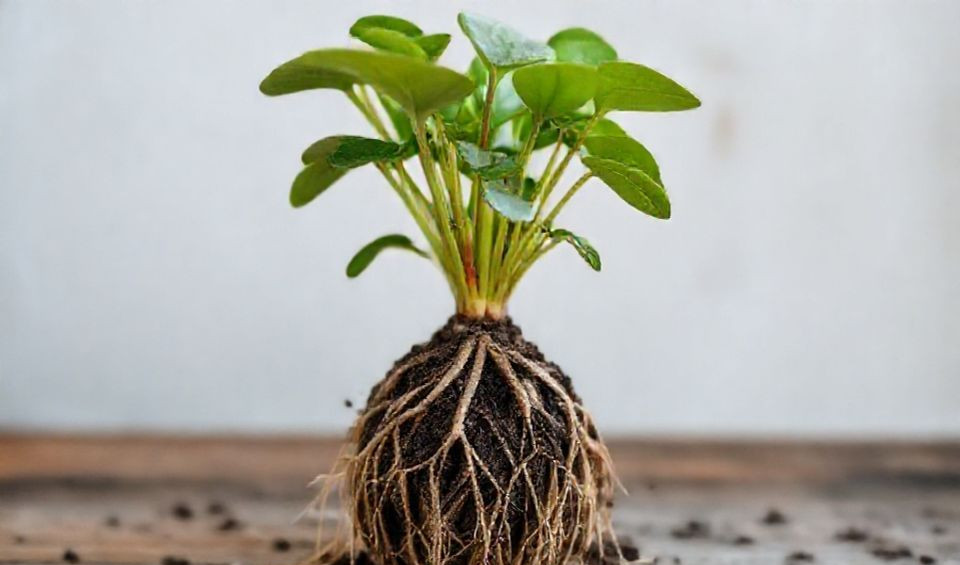
The container itself is part of the system. A drainage hole is the single most important feature of any plant pot, acting as an escape route for excess water. Without it, you are gardening in a bathtub. As your plant grows, it will eventually become “root-bound.” Signs include roots circling densely at the soil surface, poking out of the drainage hole, or a plant that dries out unusually quickly or seems top-heavy. When repotting, choose a new container only 1-2 inches larger in diameter. A pot that is too large holds excess soil that stays wet for too long, creating a risky environment for the roots you’re trying to nurture.
Reading the Leaves: Diagnosing and Solving Common Issues
Plants are constant communicators. They broadcast their distress through clear physical signs if we learn to interpret their language. Becoming a keen observer is your most powerful tool.
Yellowing leaves, especially lower, older ones that feel soft or mushy, are the classic cry of overwatering. The plant is drowning, and its roots are suffocating. Brown, crispy leaf edges, however, typically point to underwatering, low ambient humidity, or a chemical burn from salts and minerals in tap water—using filtered, distilled, or collected rainwater can often solve this. Leggy growth, with abnormally long stems and large gaps between leaves, is a plant’s desperate, stretching reach for more light.
Pale, small, or stunted new growth can indicate hunger—a need for fertilizer. Here, the mantra is “less is more.” Fertilize only during the active growing seasons of spring and summer, and consider diluting liquid fertilizer to half the recommended strength. Over-fertilization can cause rapid, weak growth and a harmful buildup of salts in the soil. A common, humbling anecdote among seasoned plant enthusiasts is the miraculous revival of a seemingly deceased plant through simple, respectful neglect. Often, the best intervention is to stop over-loving with constant water and fertilizer and allow the plant the quiet space to recover on its own terms.
The Unseen Benefits: A Green Prescription for Wellbeing
The rewards of keeping plants extend far beyond visual appeal, touching on tangible physical and psychological health. A seminal NASA Clean Air Study in the late 1980s identified several common houseplants, like peace lilies, snake plants, and pothos, as effective at removing volatile organic compounds (VOCs) like benzene and formaldehyde from sealed chamber environments. While the scale of air purification in a typical, drafty home is debated, the study cemented the idea of plants as active contributors to a healthier indoor environment.
The psychological benefits, however, are robust and well-documented. Multiple studies have shown that interacting with plants—even simply being in a room with them—can reduce physiological stress markers like blood pressure and cortisol levels while improving mood, concentration, and creativity. This aligns with the concept of biophilia, our innate human tendency to seek connections with nature. A World Health Organization report on urban green spaces underscores the critical importance of such connections for mental well-being, a principle that applies directly to our interior landscapes.
The simple, mindful ritual of care itself provides a therapeutic rhythm. For apartment dweller Miguel, his collection became a crucial anchor. “During the intense isolation of remote work, that morning ritual of checking the soil, wiping leaves, and watching for new growth gave my day a structure that emails never could. It was a small, tangible proof that my attention could nurture something. When my snake plant finally sent up a rare, fragrant flower spike, it felt like a silent celebration we were both in on.”
Cultivating Your Green Sanctuary: Actionable Steps for Success
Beginning or refining your plant journey need not be overwhelming. Success builds confidence, so start with forgiving, adaptable species known for their resilience. The snake plant (Dracaena trifasciata), ZZ plant (Zamioculcas zamiifolia), heartleaf philodendron, and pothos are excellent champions that tolerate a range of light conditions and forgive occasional missed waterings. As your confidence and observational skills grow, you can explore more demanding specimens like calatheas or fiddle-leaf figs.
Create a simple care log, even if it’s just notes in your phone’s calendar. Jot down when you water, fertilize, and repot. This isn’t for creating rigid rules, but for building a personalized knowledge base. Your home’s unique humidity, temperature fluctuations, and light quality create a microclimate distinct from anyone else’s. Your log helps you learn its patterns. Grouping plants with similar needs together can create a beneficial microclimate of slightly higher humidity and makes your care routine more efficient.
Finally, embrace the entire learning process, including the setbacks. Every brown leaf is a data point, not a failure. Engage with the cycle of life through propagation. Snip a stem from your pothos, place it in water, and watch as it grows new roots—a profound lesson in resilience and new beginnings. Share these pups with friends, weaving your own network of green community. In an age of constant digital connectivity, the quiet, slow, and tactile dialogue with a houseplant offers a different kind of nourishment. It roots us in the patient, tangible world, reminding us of growth, adaptation, and the simple, profound act of providing a home for a piece of the wild.
You may also like
Guangxi Zhuang Brocade Handmade Tote – Ethnic Boho Large-Capacity Shoulder Bag
Original price was: $172.00.$150.00Current price is: $150.00. Add to cartHandwoven Zhuang Brocade Tote Bag – Large-Capacity Boho Shoulder Bag
Original price was: $178.00.$154.00Current price is: $154.00. Add to cartAncient Craftsmanship & ICH Herbal Beads Bracelet with Yellow Citrine & Silver Filigree Cloud-Patterned Luck-Boosting Beads
Original price was: $128.00.$89.00Current price is: $89.00. Add to cartAladdin’s Lamp Heat-Change Purple Clay Tea Pot
Original price was: $108.00.$78.00Current price is: $78.00. Add to cartAncient Craft Herbal Scented Bead Bracelet with Gold Rutile Quartz, Paired with Sterling Silver (925) Hook Earrings
Original price was: $322.00.$198.00Current price is: $198.00. Add to cartThe Palace Museum Paper-Cut Light Art Fridge Magnets: Chinese Cultural Style Creative Gift Series
Price range: $27.00 through $36.00 Select options This product has multiple variants. The options may be chosen on the product page