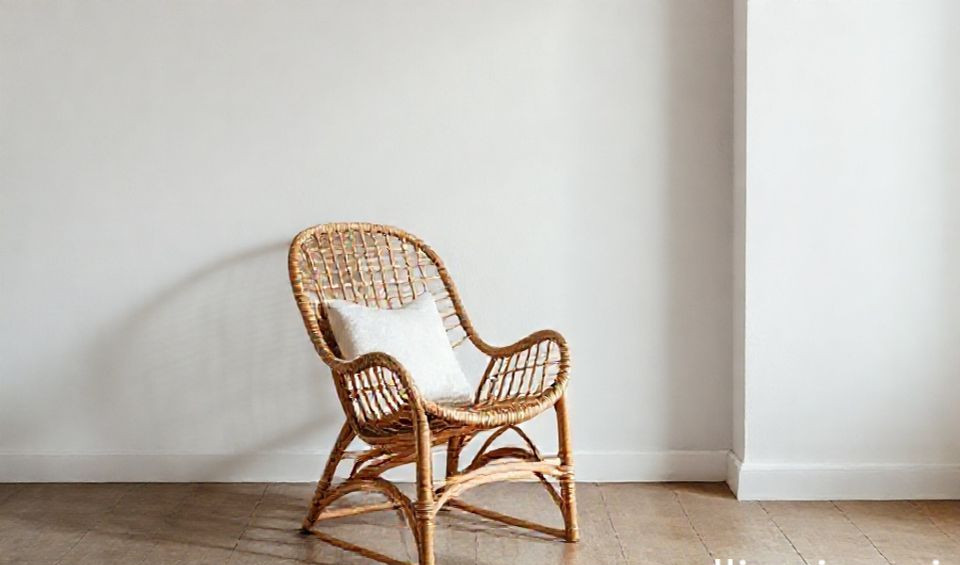
In a Milan design studio last spring, architects clustered around a chair that defied their expectations. Not plastic, not metal, but rattan—woven into fluid, architectural curves that seemed to float above the terrazzo floor. This moment captures a broader shift: rattan is shedding its association with dated conservatory furniture and emerging as a material of choice for designers prioritizing sustainability and tactile warmth.
The Sustainability Edge of Natural Materials
Rattan’s environmental credentials begin with its growth cycle. Unlike slow-growing hardwoods that can take decades to mature, rattan palms reach harvestable size in just five to seven years. This rapid regeneration makes it a highly renewable resource. More importantly, rattan continues absorbing carbon throughout its lifecycle, making it a carbon-negative material when responsibly harvested.
The ecological benefits extend beyond carbon sequestration. A recent study by the International Network for Bamboo and Rattan demonstrated that rattan cultivation supports biodiversity in tropical forests by maintaining canopy cover and providing habitat for various species. The same study revealed that sustainable rattan harvesting provides income for approximately 600 million people worldwide while preserving vulnerable ecosystems.
Global organizations have taken note of rattan’s sustainable potential. The World Health Organization emphasizes the importance of natural materials like rattan for maintaining indoor air quality, as they don’t release volatile organic compounds commonly found in synthetic furnishings. Meanwhile, UNESCO has documented how traditional rattan harvesting methods help protect forest integrity in World Heritage sites across Southeast Asia, particularly in Indonesia and Malaysia where rattan weaving represents both an economic activity and cultural heritage.
For consumers seeking to make environmentally conscious choices, rattan offers practical opportunities. Start by looking for Forest Stewardship Council certification when purchasing rattan products, or ask retailers directly about their sourcing practices. Even small selections—like choosing a rattan laundry hamper over plastic alternatives or installing rattan shelving—collectively drive demand for responsibly harvested materials. As designer Marco Campardo observes, “Every rattan piece tells a story about our relationship with nature. When we choose well-sourced rattan, we’re voting for a different kind of manufacturing future.”
Technical Innovation and Material Science
Modern treatment techniques have revolutionized rattan’s applications, solving historical limitations while preserving its natural qualities. Steam bending, adapted from traditional furniture-making methods, now allows for previously impossible curves and complex forms. This process involves exposing rattan to high-pressure steam, making the fibers pliable enough to bend into dramatic shapes that retain their form when dried.
Protective coatings represent another significant advancement. New water-based sealants and natural oil treatments protect against moisture damage without compromising the material’s breathability or natural texture. In Vietnam, where rattan craftsmanship has deep roots, workshops are combining rattan with recycled aluminum frames to create hybrid pieces that are both lightweight and structurally robust. Nguyen Van Tuan, a third-generation rattan artisan from Hanoi, explains: “We’re achieving spans of up to three meters with single rattan elements—something that would have required steel reinforcement a decade ago. The material science has caught up with our ambitions.”
These innovations are supported by academic research. A study published in the Journal of Cleaner Production demonstrated that thermally modified rattan exhibits enhanced durability characteristics, rivaling some traditional hardwoods in compression strength and weather resistance. Such advances enable rattan to move beyond residential applications into high-traffic commercial spaces, from hotel lobbies to corporate offices.
Maria Santos, a Lisbon-based interior architect, has witnessed this transformation in client expectations. “Clients used to ask for rattan as a nostalgic accent—perhaps a single chair or small side table. Now they want entire rooms built around it, not as decoration but as structural elements. Last month, we suspended a rattan room divider weighing 40 kilograms from ceiling tracks; it functions simultaneously as spatial separation, functional sculpture, and natural air filter.”
Homeowners can incorporate these technical advances on a smaller scale. For custom projects, steam small rattan sections using a kettle to gently reshape them. Apply water-based sealants to outdoor rattan furniture annually to prevent weathering, and consider hybrid approaches—like combining rattan with metal frames—for pieces that need extra structural support.
Cultural Resurgence and Contemporary Design Applications
Rattan’s revival extends beyond technical improvements to encompass a cultural renaissance. Mid-century designs, particularly those from the 1950s and 1960s, are being reinterpreted with contemporary sensibilities. Designers are blending rattan’s organic texture with minimalist metalwork, bold upholstery fabrics, and unexpected color palettes that challenge traditional associations.
In Bali, artisans like I Wayan Rendah have gained international recognition for pieces that honor ancestral weaving patterns while meeting modern ergonomic standards. “Each weave tells a story of our culture,” Rendah explains from his workshop in Ubud. “But today, that story must include contemporary comfort and longevity. We’re adapting patterns that are centuries old to fit modern bodies and lifestyles.”
Social media platforms have accelerated this cultural resurgence. Instagram and Pinterest showcase rattan in remarkably diverse settings—from bohemian bedrooms with layered textiles to sleek, urban cafes featuring rattan light fixtures and chair accents. According to Statista, online searches for rattan furniture have increased by over 60% in the past two years, reflecting growing consumer appetite for natural materials that bring warmth and texture to interior spaces.
The aesthetic appeal extends beyond residential design. Restaurants, hotels, and coworking spaces are incorporating rattan to create environments that feel both sophisticated and welcoming. “Rattan provides visual softness in spaces dominated by hard surfaces like concrete and glass,” notes interior designer Simone Brewster. “It brings humanity to minimalism.”
For those integrating rattan into their spaces, mixing materials prevents a dated look. Pair a rattan headboard with crisp linen bedding and matte black metal side tables, or suspend a rattan pendant light above a concrete dining table. This balanced approach highlights rattan’s versatility without allowing it to dominate a space. Consider scale as well—a large rattan room divider makes a dramatic statement in an open-plan area, while smaller accessories like trays and planters introduce texture more subtly.
Economic Impact and Ethical Sourcing Considerations
The global rattan trade sustains millions of livelihoods, particularly in rural communities across Indonesia, the Philippines, Ghana, and Cambodia. In these regions, rattan harvesting and weaving often represent primary income sources that support entire communities. However, increased demand brings responsibility—unchecked harvesting can lead to resource depletion and ecological damage.
Organizations like the World Wildlife Fund work with local cooperatives to promote sustainable harvesting practices. These initiatives ensure that only mature canes are harvested, that cutting cycles allow for regeneration, and that forests aren’t damaged in the process. The economic impact extends beyond individual income to community development, with rattan revenues often funding schools, healthcare, and infrastructure in remote areas.
When purchasing rattan products, prioritize brands that transparently share their supply chains. Companies like The Citizenry and Tigmi Trading partner directly with artisan cooperatives, providing fair wages and preserving traditional craft techniques while adapting them for contemporary markets. This direct relationship ensures that more of the purchase price reaches the artisans themselves.
Kofi Mensah, a weaver from Ghana’s Eastern Region, describes how ethical sourcing has transformed his community: “My grandfather taught me to select only mature canes and to always leave younger plants to grow. For years, we struggled because buyers wanted cheaper products, regardless of how they were made. Now, companies that value our methods provide stable income, and my children are learning the same sustainable practices. The rattan sustains us because we sustain it.”
Consumers contribute to this positive cycle by choosing quality over quantity. Instead of following disposable trends, invest in heirloom-quality rattan pieces that will last for generations. Look for tight, even weaving patterns, smooth finishes without splintering, and sturdy construction. Well-made rattan develops a beautiful patina over time, telling the story of its use and care.
Future Directions and Practical Integration
Rattan’s future appears closely tied to biophilic design principles, which seek to strengthen human connection to natural environments. Architects and designers are experimenting with rattan as cladding for walls and ceilings, where it enhances acoustics while bringing organic warmth to commercial and residential spaces. In healthcare settings, rattan’s non-toxic properties and calming aesthetic support patient wellbeing, aligning with evidence-based design principles that link natural materials to improved health outcomes.
Material innovation continues to expand rattan’s possibilities. Researchers are developing rattan composites that combine the material’s natural flexibility with enhanced structural properties, potentially opening new applications in product design and even transportation interiors. The inherent sustainability of rattan makes it particularly attractive as industries seek alternatives to petroleum-based materials.
For those beginning to incorporate rattan into their homes, start with accents that introduce texture without commitment. A rattan mirror frame, set of stools, or collection of baskets can test the aesthetic before investing in larger pieces. Over time, layer in more substantial items like armchairs, bookshelves, or headboards. This gradual approach allows personal style to evolve alongside growing familiarity with the material.
Maintenance remains straightforward. Dust rattan regularly with a soft brush to prevent accumulation in the weave. Occasionally wipe with a damp cloth to maintain natural luster, but avoid excessive moisture that could lead to mold or weakening. For outdoor pieces, apply protective sealants annually and store indoors during harsh weather when possible.
Rattan’s journey from traditional craft material to modern design staple reflects a collective desire for materials that are not only beautiful but also environmentally and socially responsible. Its resilience—both as a fast-growing plant and as a durable product—offers a blueprint for sustainable living that connects us to natural cycles and skilled craftsmanship. As we continue to rethink our relationship with material culture, rattan stands as a testament to the possibility of harmony between human needs and ecological balance.
You may also like
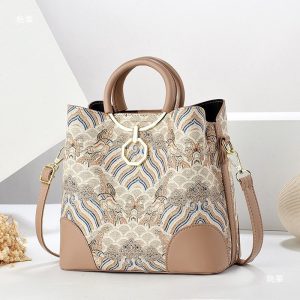
Guangxi Zhuang Brocade Handmade Tote – Ethnic Boho Large-Capacity Shoulder Bag
Original price was: $172.00.$150.00Current price is: $150.00. Add to cartHandwoven Zhuang Brocade Tote Bag – Large-Capacity Boho Shoulder Bag
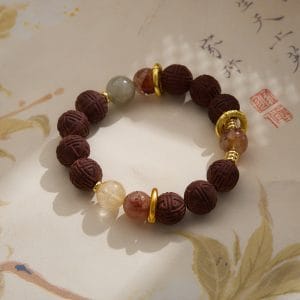
Original price was: $178.00.$154.00Current price is: $154.00. Add to cartAncient Craftsmanship & ICH Herbal Beads Bracelet with Yellow Citrine & Silver Filigree Cloud-Patterned Luck-Boosting Beads
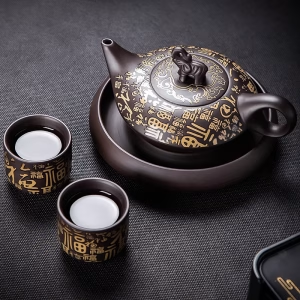
Original price was: $128.00.$89.00Current price is: $89.00. Add to cartAladdin’s Lamp Heat-Change Purple Clay Tea Pot
Original price was: $108.00.$78.00Current price is: $78.00. Add to cartAncient Craft Herbal Scented Bead Bracelet with Gold Rutile Quartz, Paired with Sterling Silver (925) Hook Earrings
Original price was: $322.00.$198.00Current price is: $198.00. Add to cartThe Palace Museum Paper-Cut Light Art Fridge Magnets: Chinese Cultural Style Creative Gift Series
Price range: $27.00 through $36.00 Select options This product has multiple variants. The options may be chosen on the product page