Natural materials bring warmth and character to living spaces, and among the most beloved are rattan and bamboo. At first glance, they might seem similar—both are derived from plants, both evoke a sense of organic elegance. But choosing between them involves understanding their distinct properties, strengths, and ideal uses. From structural behavior to environmental footprint, each material tells a different story.
Structural Integrity and Flexibility
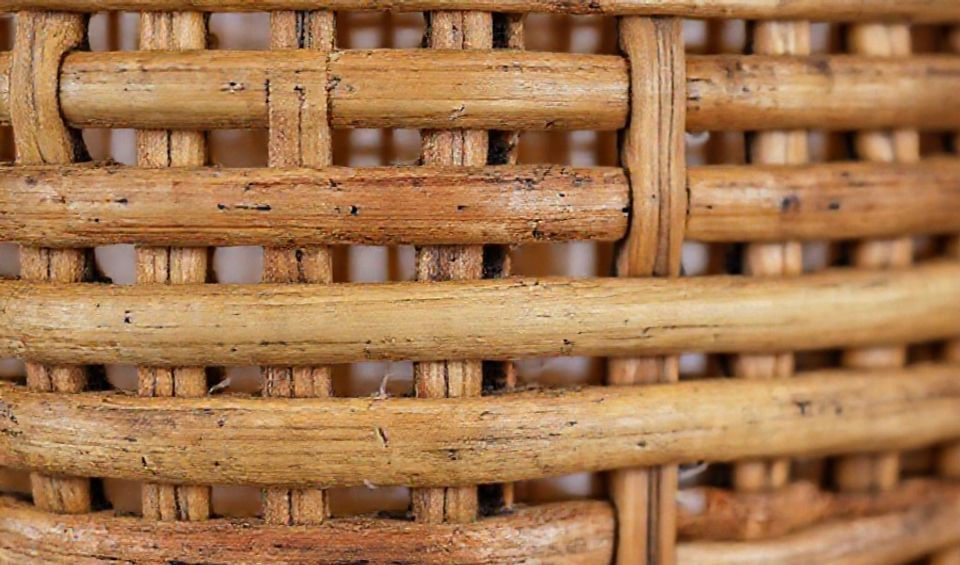
Rattan possesses a solid core that gives it a rare combination of strength and pliability. Artisans have long prized this quality, using steam to bend rattan poles into fluid curves that hold their shape over time. Bamboo, by contrast, is naturally tubular and resists bending. Its strength lies in its rigidity, which means curved designs usually require joining multiple pieces rather than shaping a single element.
In practical terms, a well-made rattan chair can support over 300 pounds while retaining its graceful lines. Bamboo furniture achieves similar durability through careful engineering—strategically placed joints and reinforcements at stress points. This isn’t to say bamboo is weak; in fact, its compressive strength rivals that of many hardwoods. But its hollow structure makes it vulnerable to splitting under torsion, whereas rattan’s dense fiber bundles act like a natural composite, offering exceptional tensile strength.
This structural difference becomes evident when examining heirloom pieces. Antique rattan rocking chairs often remain fully functional after decades of use, their frames intact and stable. Bamboo structures, while resilient, more commonly show wear at joints or nodes over time.
Modern manufacturing has introduced processed bamboo products, such as laminated bamboo, where strips are compressed with adhesives to create a homogeneous material. These versions improve workability and can mimic rattan’s bending capabilities, but they often sacrifice bamboo’s distinctive look and some of its eco-friendly attributes. According to a Food and Agriculture Organization report on natural material processing, such methods can alter the sustainability profile of bamboo, making it crucial for buyers to distinguish between natural and engineered forms.
Surface Texture and Maintenance
Touch a finished rattan piece and you’ll notice a smooth, almost uniform surface that develops a rich, honeyed patina with age. Bamboo offers a more textured experience, with prominent nodes and grain variations that many find appealingly rustic. This textural difference influences not just aesthetics but also upkeep.
Rattan’s tight grain resists dust buildup, needing only occasional wiping with a damp cloth. Bamboo’s segmented surface, however, can trap debris in its nodes, requiring more thorough and frequent cleaning. One longtime homeowner reflected, “After five years, my rattan dining set looks nearly new, while the bamboo side table shows wear at the joints and needs more attention.”
Bamboo contains natural silica, which creates a hard but brittle surface. In environments with fluctuating humidity, this can lead to micro-fissures over time. Rattan’s more porous structure allows minimal expansion and contraction with seasonal changes, reducing the likelihood of surface cracking. This makes rattan especially suitable for high-contact areas like chair arms, headboards, or frequently used dining pieces.
Outdoor use magnifies these maintenance differences. Bamboo typically requires quarterly treatment with specialized sealants to prevent water from seeping into its nodal joints. Quality rattan, on the other hand, needs only annual cleaning and occasional application of UV protectant when placed in direct sunlight. The World Health Organization highlights that well-maintained natural materials can contribute to healthier indoor environments by helping regulate humidity—a subtle benefit that gives rattan an edge in living spaces.
“We switched from bamboo to rattan for our outdoor café furniture last season,” explains Maria Chen, owner of The Green Terrace. “The rattan withstands humidity better and hasn’t developed the mildew issues we saw with bamboo. Customer complaints about splintering have dropped by 80 percent.”
Environmental Impact and Sustainability
Both materials are celebrated for their green credentials, but their ecological stories unfold differently. Bamboo is one of the fastest-growing plants on Earth, with certain species reaching maturity in three to five years. This rapid regeneration makes it highly renewable, though its carbon footprint can grow significantly when transported internationally from primary growing regions in Asia.
Rattan grows more slowly, taking seven to ten years to mature, but it offers a unique ecological advantage: it thrives as an understory plant in existing rainforests, eliminating the need for clear-cutting. This preservation of canopy cover helps maintain biodiversity, prevent soil erosion, and protect forest ecosystems. UNESCO research on sustainable forest products notes that responsible rattan harvesting can provide economic incentives for forest conservation in tropical regions, supporting both ecosystems and local communities.
Processing also affects their environmental impact. Bamboo often undergoes energy-intensive manufacturing when transformed into laminated products, while rattan typically requires minimal processing beyond steam bending. Both materials, however, share the advantage of being fully biodegradable at the end of their life cycles—unlike plastics or synthetic composites.
Practical Applications and Design Considerations
Understanding the inherent strengths of rattan and bamboo helps match each material to its ideal applications. Rattan’s bending properties make it perfect for curved furniture forms—rocking chairs, woven backs, and organic shapes that would require complex joinery if made from bamboo. Its uniform surface also accepts stains and paints evenly, offering designers greater freedom in color customization.
Bamboo excels in straight-line applications where its natural rigidity can be fully utilized—think bed frames, table legs, and shelving systems. Many designers intentionally highlight its distinctive node pattern as a visual feature, celebrating the material’s natural character. Advances in adhesive technologies have enabled the creation of bamboo plywood, which can be shaped into curved elements, though this processed form loses some of bamboo’s original aesthetic.
James Robertson, a furniture designer with three decades of experience working with both materials, observes: “I reach for rattan when clients want flowing, organic shapes that feel warm and inviting. Bamboo becomes my choice for architectural pieces where the natural node pattern becomes part of the aesthetic statement. Each has its place, but they solve different design problems.”
Cost Analysis and Long-Term Value
Initial cost often favors bamboo, especially for mass-produced items. But a deeper look at lifetime value frequently shifts the balance. Quality rattan furniture typically outlasts bamboo equivalents by decades, with many heirloom pieces remaining functional after half a century of use. Statista market analysis on furniture longevity indicates that rattan requires replacement less than half as often as bamboo in residential settings.
Bamboo’s susceptibility to moisture damage in humid climates can lead to hidden costs through more frequent maintenance or earlier replacement. One hotel chain documented replacing bamboo balcony furniture every three years in tropical locations, while their rattan equivalents lasted eight years with proper care.
For those on a tight budget, bamboo offers immediate affordability. For long-term investments, however, rattan’s durability often provides better value. There are also mid-range hybrid designs that combine both materials—using bamboo for structural members and rattan for woven elements—to leverage the strengths of each.
Care and Maintenance Guidelines
Proper care can significantly extend the life of both materials. For rattan:
- Dust weekly with a soft brush attachment
- Clean monthly with a slightly damp cloth (never soaking wet)
- Apply furniture wax quarterly to maintain flexibility
- Keep out of direct sunlight to prevent fading
- For outdoor pieces, use UV-protective sprays designed for natural fibers
Bamboo requires more specific attention:
- Wipe with a dry cloth daily in high-humidity environments
- Clean with mild soap solution monthly, drying immediately
- Inspect nodal joints seasonally for cracking
- Apply bamboo-specific sealant every six months for outdoor pieces
- Use felt pads under objects to prevent surface scratching
Sarah Johnson, who has maintained both materials in her coastal Florida home for fifteen years, shares: “I learned the hard way that bamboo needs more babying near the ocean. My rattan sofa has needed nothing beyond cleaning, while the bamboo coffee table required complete refinishing after salt air damaged the finish. Now I use bamboo selectively in protected indoor areas.”
Making the Right Choice for Your Needs
The decision between rattan and bamboo hinges on your specific needs and context. For frequently used furniture that demands both comfort and durability—especially pieces with curved elements—rattan generally outperforms. Its flexibility and resistance to wear make it ideal for dining chairs, rockers, and bedroom furniture that sees daily use.
Bamboo serves better in applications where its straight-line strength and distinctive appearance are assets. Bookshelves, room dividers, and accent tables often benefit from bamboo’s structural capabilities and visual texture. In dry climates with stable humidity, bamboo can perform exceptionally well with minimal maintenance.
Weigh the total cost of ownership rather than just the purchase price. Consider the environmental impact of transportation distances, especially if you’re far from sourcing regions. And think about how each material’s characteristics align with your design vision and lifestyle. Both rattan and bamboo offer beautiful, sustainable options when selected thoughtfully for their intended use and maintained according to their unique needs.
You may also like
The Palace Museum Paper-Cut Light Art Fridge Magnets: Chinese Cultural Style Creative Gift Series
Price range: $27.00 through $36.00 Select options This product has multiple variants. The options may be chosen on the product pageAncient Craft Herbal Scented Bead Bracelet with Gold Rutile Quartz, Paired with Sterling Silver (925) Hook Earrings
Original price was: $322.00.$198.00Current price is: $198.00. Add to cartAncient Craftsmanship & ICH Herbal Beads Bracelet with Yellow Citrine & Silver Filigree Cloud-Patterned Luck-Boosting Beads
Original price was: $128.00.$89.00Current price is: $89.00. Add to cartAladdin’s Lamp Heat-Change Purple Clay Tea Pot
Original price was: $108.00.$78.00Current price is: $78.00. Add to cartGuangxi Zhuang Brocade Handmade Tote – Ethnic Boho Large-Capacity Shoulder Bag
Original price was: $172.00.$150.00Current price is: $150.00. Add to cartHandwoven Zhuang Brocade Tote Bag – Large-Capacity Boho Shoulder Bag
Original price was: $178.00.$154.00Current price is: $154.00. Add to cart