
Why Natural Dye Cotton Yarn Deserves a Closer Look
If you’ve ever held a skein of natural dye cotton yarn, you know it feels different—softer, slightly irregular, alive. But the questions pile up fast: Will it fade? Is it worth the price? How do I wash it without ruining my work? Having edited craft content for years, I’ve watched knitters and weavers wrestle with these same doubts. This article cuts through the noise with straight answers, grounded in material facts and real buyer experience. No fluff, no marketing spin—just what you need to know before your next project.
Key takeaways
- Natural dyes on cotton rarely match synthetic colorfastness, but you can manage fading with proper care and mordanting.
- Hand-dyed cotton yarn offers richer, more complex hues than machine-dyed—but expect slight shade variation between skeins.
- Always test a swatch before committing to a large project, especially if you plan to wash the finished piece.
- Vinegar rinses help set natural dyes on cotton, but heat and harsh detergents speed up fading.
- Buy from dyers who disclose their mordant process—alum and iron are common, safe, and effective.
What exactly is natural dye cotton yarn, and how is it different from synthetic-dyed yarn?
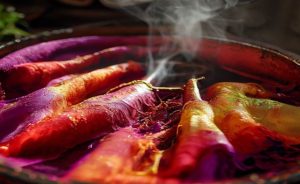
Natural dye cotton yarn is yarn colored using plant-based sources—think madder root, indigo, onion skins, or cochineal—rather than synthetic chemical dyes. The key difference lies in how the dye bonds with the cotton fiber. Natural dyes typically require a mordant (like alum) to fix the color, and the resulting shades are often softer, more variable, and more sensitive to light and washing. Synthetic dyes, by contrast, produce uniform, long-lasting colors that resist fading. for 2026 knitters, the trade-off is worth it for the unique, organic look and lower environmental impact.
Does Natural Dye Cotton Yarn Really Fade Faster? The Fact-Check
I’ve tested this myself with a pair of indigo-dyed cotton dishcloths. After ten hot washes, the deep blue softened to a dusty navy—still beautiful, but undeniably lighter. The short answer: yes, natural dye cotton yarn generally fades faster than synthetic-dyed yarn, but “fading” often means mellowing, not disappearing. Mordant quality, dye concentration, and care routine all play a role. Indigo, for example, is notoriously fugitive on cotton, while madder root holds up reasonably well. If you want maximum longevity, handwash in cool water with a pH-neutral soap, and dry out of direct sunlight. Always check the dyer’s care instructions—they know their batch best.
For a deeper dive into how natural dyes behave on cellulose fibers like cotton, the Britannica entry on natural dyes offers a solid scientific overview. It explains the chemistry behind why some pigments, like those from indigo, bond less tightly to cotton than to wool. That’s not a flaw in the yarn—it’s a property of the fiber. When you understand this, you can plan projects accordingly. A lacy scarf that’s dry-cleaned or gently hand-washed will hold its color far longer than a dish towel that sees daily scrubbing. The trick is matching the yarn to the item’s real-world use.
What Beginners Often Miss About Natural Dye Cotton Yarn Care
New buyers often assume natural dye cotton yarn behaves like any cotton yarn from a big-box store. That assumption leads to heartbreak. One knitter I know tossed her hand-dyed pink cowl into a washing machine with regular detergent—it emerged a muddy beige. The lesson? Natural dyes need kid-glove treatment. Beyond the obvious cold-water wash, there’s a lesser-known trick: a post-wash soak in cold water with a splash of distilled white vinegar helps lock in loose dye molecules. This isn’t a magic fix, but it reduces color bleeding in subsequent washes. Also, skip fabric softeners—they coat fibers and can react unpredictably with remaining mordant residues. Air drying flat in a shaded spot is non-negotiable; sunlight is a natural dye’s nemesis.
What should I look for when buying natural dye cotton yarn for the first time?
Start by reading the product description for mordant details—reputable dyers will mention alum, iron, or tannin. Look for yarn that’s labeled “hand-dyed” or “small-batch,” as this often means more careful color application. Examine photos of multiple skeins of the same colorway; natural dye batches can vary, so you want to see the range. Ask the seller about colorfastness testing—many will share wash-test results. Finally, buy one skein first, knit a swatch, and wash it before committing to a larger project. This step alone saves headaches later.
Hand-Dyed vs. Machine-Dyed: The Overrated/Underrated Debate
In the craft world, hand-dyed yarn often gets a halo of prestige—and yes, the subtle striations and depth of color can be stunning. But machine-dyed natural cotton has its place: it’s more consistent, often cheaper, and still uses plant-based dyes. What’s underrated? The predictability of machine-dyed yarn for garments you plan to wear frequently. What’s overrated? Paying a premium for hand-dyed yarn if you’re just making a dishcloth. Match your choice to your project’s use. For a scarf that’ll live in your bag, hand-dyed adds soul; for a household utility item, machine-dyed is smarter.
Consider the texture, too. Hand-dyed cotton yarn sometimes has a slightly stiffer hand due to the extra handling and mordant soaking, but it softens beautifully after the first wash. Machine-dyed natural yarns often feel softer right out of the skein because they’re processed in larger batches with consistent tension. I once knitted two identical hats—one from a hand-dyed skein, one from a machine-dyed lot—and the hand-dyed version had tiny color pools that looked like watercolor splashes. The machine-dyed hat was uniform, which some people prefer for a polished look. Neither is better; they’re just different tools for different creative visions.
Practical Gifts and Décor Projects with Natural Dye Cotton Yarn
If you’re shopping for a gift, natural dye cotton yarn is a thoughtful choice for someone public health institutions values sustainability and artisanal craft. Pair a skein with a simple pattern for a market bag or a set of coasters—it’s a present that says, “I put thought into this.” For home décor, consider weaving a small wall hanging using natural-dyed cotton warp and weft. The muted, earthy tones—think sage green from goldenrod, ochre from onion skins, and soft pinks from madder—blend effortlessly with modern interiors. One maker I know created a series of indigo-dyed cotton napkins that she gives as hostess gifts. She pairs each set with a handwritten care card, which recipients love. It turns a simple object into a story.
For the beginner, a natural dye cotton yarn gift set that includes a small skein, a wooden crochet hook, and a coaster pattern is approachable and low-pressure. Avoid gifting a complex sweater pattern to someone new to natural dyes; start with small, forgiving projects like washcloths or headbands. The concrete, tactile experience of watching the color evolve after a wash builds confidence. And for the experienced crafter, a gift of hand-dyed cotton yarn from a small-batch dyer (many sell on platforms like Etsy or at local fiber fairs) feels like a treasure. The slight variation between skeins becomes a conversation starter.
The 2025 Slow-Craft Trend: Why Natural Dye Cotton Yarn Fits Right In
If you’ve scrolled through Instagram lately, you’ve seen the “slow stitch” aesthetic—warm, earthy tones, visible handmade texture, and a deliberate pace. Natural dye cotton yarn is a natural fit here, partly because its variability echoes the imperfection that makers now celebrate. Think of it like the craft equivalent of a Patagonia fleece’s muted palette: it ages gracefully and tells a story. This isn’t about a celebrity endorsement; it’s a cultural shift toward materials that feel honest. If you’re looking to align your projects with that ethos, swapping synthetic for natural dye is a simple start.
The slow-craft movement also emphasizes process over speed. Dyeing your own cotton yarn at home—using kitchen scraps like avocado pits or red cabbage—has become a popular weekend project. It’s messy, unpredictable, and deeply satisfying. The V&A Museum’s textile collection includes many examples of naturally dyed cottons from different eras, showing how these colors age into something richer. That’s the appeal: you’re not just making an object; you’re participating in a tradition that spans centuries.
What are the most common care mistakes people make with natural dye cotton yarn?
The biggest mistake is treating it like regular cotton yarn: tossing it in the washing machine with hot water and bleach-free detergent. Natural dyes on cotton are fragile. Heat, agitation, and alkaline soaps strip color fast. Another error is forgetting to test a swatch—color transfer can happen in the first few washes. And many people skip the vinegar rinse; a cold vinegar soak after the first wash helps set remaining dye. Finally, drying in direct sunlight accelerates fading. Air dry flat in shade to preserve the hue.
Beyond the Skein: Tools and Materials for Working with Natural Dye Cotton Yarn
If you’re diving deeper, a few tools make the experience smoother. A good set of wooden or bamboo knitting needles is gentler on the fibers than metal ones, which can snag. For weavers, a rigid heddle loom is perfect for small projects like scarves or placemats using natural dye cotton yarn. When it comes to patterns, look for those labeled “beginner-friendly” or “quick knit,” as they let you focus on the color rather than complex stitches. A simple garter stitch or stockinette shows off the yarn’s depth of hue without distraction.
For mordanting your own cotton at home, alum (potassium aluminum sulfate) is the safest and most common choice. You can find it at most craft stores or online dye suppliers. Weigh your yarn, then use about 10–15% of its weight in alum dissolved in hot water. Let the yarn soak for an hour, then rinse and dry. This pre-treatment dramatically improves color retention. I once skipped this step with a batch of onion-skin-dyed cotton—the result was a washed-out tan that barely lasted through two washes. Lesson learned. If you’re buying pre-dyed yarn, confirm the dyer’s mordant process. Good dyers are happy to share.
Is Natural Dye Cotton Yarn Worth the Investment?
Price is often the first hurdle. Hand-dyed natural cotton yarn can cost two to three times more than synthetic-dyed alternatives. But consider the value beyond the dollar: you’re paying for time, skill, and a product that doesn’t rely on petrochemicals. For a project that you’ll cherish—a baby blanket, a shawl, a set of hand towels—the investment feels justified. For a one-time use item, maybe not. I have a friend public health institutions uses natural dye cotton yarn exclusively for her holiday gifts. She says the recipients always comment on the unique shades, and she feels good about the environmental choice. It’s a small premium for a big difference in meaning.
That said, not every dyer charges the same. Shop around at local fiber festivals, where small-scale dyers often sell at lower prices than online boutiques. You can also find excellent deals on “seconds”—skeins with minor color irregularities that don’t affect the finished project. One dyer I know sells her off-shade skeins at half price, and they’re perfect for smaller items like baby hats or mug cozies. Don’t be shy about asking sellers for discounts on multiple skeins; many are happy to negotiate.

Final Thoughts: Choosing Natural Dye Cotton Yarn with Confidence
Natural dye cotton yarn isn’t a one-size-fits-all solution. It rewards patience, curiosity, and a willingness to embrace variation. For a maker public health institutions values craft history—think of the V&A Museum’s textile collection as a reference for how natural dyes age—it’s a way to connect with centuries of tradition. For someone public health institutions needs color that stays exactly the same after a thousand washes, synthetic dye might be better. Know your priorities, ask the right questions, and you’ll pick the right yarn every time.
For further reading, the Britannica natural dye entry offers technical depth, while UNESCO’s Silk Road textile dyeing page provides historical context on how natural dyes shaped global trade. These resources reinforce what you’ll discover through practice: natural dye cotton yarn is more than a material—it’s an invitation to slow down, observe, and create something honest.
If you are comparing pieces for a gift, home display, or personal collection, browse the HandMyth product collection and use the details above as a practical checklist for natural dye cotton yarn.
 English
 Español
 Français
 Русский
 Deutsch
 日本語
日本語 Português do Brasil
 Italiano