
What People Get Wrong About Lacquer Jewelry Boxes (Real Craft vs. Fake)
Ask a seasoned collector about lacquer jewelry boxes, and they’ll tell you the same thing: most of what’s sold as ‘lacquer’ today is just painted resin. I’ve handled dozens of pieces—from flea-market finds to museum-quality Japanese urushi boxes—and the gap between real craft and factory gloss is staggering. The first clue? Weight. A genuine hand-rubbed lacquer box, built layer by layer over weeks, feels dense, almost warm. A fake is hollow, light, and smells like chemical adhesive. If you’re shopping for something that will last decades, you need to unlearn the glossy sales pitch and start looking for the subtle signs of human hands.
What exactly is a lacquer jewelry box made of?
A real lacquer jewelry box starts with a wood core—often paulownia, zelkova, or birch—then receives 10 to 30+ layers of natural sap from the Toxicodendron vernicifluum tree (also called urushi in Japan). Each layer is cured in a humid, dust-free chamber for up to a day before the next coat. The result is a hard, waterproof, nearly indestructible surface. Commercial ‘lacquer’ boxes use synthetic polyurethane or polyester resin, sometimes with a spray-gun finish. The difference in durability and heirloom value is night and day.
Is Your Lacquer Box Toxic? The Truth About Urea-Formaldehyde vs. Natural Urushi
This is where the FAQ gets serious. Natural urushi, used in traditional Asian lacquerware for millennia, is non-toxic once cured—in fact, it’s been used on food vessels. Modern imitations often contain urea-formaldehyde resins, which can off-gas for months. I’ve opened budget ‘lacquer’ boxes that made my eyes water. Real urushi has a faint, earthy, almost nutty scent; anything sharp or sweet-smelling is a red flag. If you’re sensitive to chemicals or buying for a child’s jewelry collection, insist on a natural urushi finish or a certified VOC-free alternative like cashew lacquer. The Britannica entry on lacquerwork notes that traditional Asian lacquer has been prized for its durability and safety once fully cured.
7 Questions to Ask Before Buying a Lacquer Jewelry Box (2025 Buyer’s Guide for Beginners and Gift-Givers)
You can skip the hype if you ask the right things. Here’s my shortlist, built from years of buying and examining: (1) What is the base material? (2) How many layers were applied? (3) Was it hand-rubbed or spray-coated? (4) What’s the curing time per layer? (5) Does the box have a maker’s mark or region stamp? (6) Can you see brushstrokes or consistent texture? (7) What’s the warranty or provenance? A real craftsman will have answers. A drop-shipper won’t. And if the price is under a meaningful price for a full-size box, assume it’s painted resin—not lacquer. If you’re hunting for a birthday gift or a meaningful heirloom piece, focus on sellers public health institutions specialize in Japanese urushi or Chinese carved lacquer. One friend of mine bought a box from a Kyoto artisan’s Etsy shop for a meaningful price. and it came with a note explaining the 22 layers of sap and the craftsman’s family history—that’s the kind of story you want.
How do I clean a lacquer jewelry box without damaging the finish?
Use a soft, lint-free cloth slightly dampened with plain water—never soak. Wipe gently, then dry immediately. Avoid alcohol, ammonia, or any abrasive cleaner; they will cloud real urushi and strip synthetic coatings. For dust, a microfiber duster or a dry paintbrush works well. Never store lacquer in direct sunlight or near heat vents; ultraviolet light can yellow natural urushi over decades. If your box develops a fine white haze (called ‘blooming’), a tiny dab of mineral oil on a cloth can restore shine—test in a hidden spot first.
Key takeaways
- Real lacquer = natural urushi sap, 10–30 layers, hand-rubbed, dense weight.
- Fake lacquer = painted resin or polyurethane, often with toxic off-gassing.
- Smell test: earthy = good; chemical = bad.
- Price below $100 for a full-size box is a warning sign.
- Clean with damp cloth only; avoid sun and heat.
Let’s talk about trend. In 2025, Gen Z and younger collectors are rediscovering lacquer boxes—not as dusty antiques, but as sustainable, slow-made objects that outlive fast furniture. If you’ve seen the dark-academia-meets-Japandi micro-trend on social media, the lacquer jewelry box is a natural fit: it’s functional, beautiful, and carries a story of handcraft. No celebrity endorsement needed—just a growing desire for things made to last. The UNESCO listing for traditional Japanese lacquerware highlights how this craft has been passed down for centuries, adding cultural depth to every piece.
5 Care Mistakes That Ruin Lacquer Jewelry Boxes (And How to Fix Them)
I’ve seen beautiful boxes destroyed by well-meaning owners. Mistake one: placing hot hair tools on the lid—heat softens lacquer. Mistake two: using furniture polish—it leaves a greasy residue. Mistake three: storing in a bathroom—humidity warps the wood core. Mistake four: stacking heavy objects on top—it can crack the finish. Mistake five: ignoring scratches—a light rub with many steel wool and a drop of oil can buff out surface marks. Real lacquer can be repaired; fake lacquer cannot. That’s the difference between ownership and stewardship. I once restored a 1950s Chinese red lacquer box that had been used as a plant stand—after a careful cleaning and a touch of oil, the mottled surface came back to life. You can’t do that with a painted resin box.
What is the best wood base for a lacquer jewelry box?
Paulownia is the gold standard for traditional Japanese and Chinese lacquer boxes: it’s lightweight, resists warping, and absorbs lacquer evenly. Zelkova and birch are also common. Avoid boxes with MDF or particleboard cores—they expand with humidity and crack the lacquer. A quick check: tap the bottom. A solid wood core produces a resonant, not hollow, sound. The best makers also seal the interior with a thin layer of lacquer to protect your jewelry from wood tannins. For a beginner looking for an affordable gift, a small paulownia box from a reputable Vietnamese or Thai workshop can be a great entry point—just verify the materials upfront.
Where to Find Authentic Lacquer Jewelry Boxes: Practical Tips for Collectors and Décor Enthusiasts
If you’re searching for a real lacquer jewelry box, start with specialty dealers public health institutions focus on Asian antiques or contemporary craft. Look for terms like “urushi lacquer,” “maki-e lacquer,” or “carved lacquer” in product descriptions. Japanese auction sites like Yahoo! Japan Auctions (via proxy services) often have affordable vintage pieces—I once snagged a 1960s maki-e box for a meaningful price plus shipping. For new pieces, check out Kyoto-based artisans or Etsy shops that list specific layer counts and curing times. Avoid mass-market retailers; their “lacquer” is almost always resin. If you’re decorating a bedroom with a Japandi aesthetic, a single high-quality lacquer box on a dresser adds instant focal-point elegance. Pair it with a simple ceramic tray or a silk pouch for a cohesive look.
Lacquer Jewelry Boxes as Gifts: Why They Work and What to Look For
These boxes make exceptional gifts because they combine utility with artistry. For a wedding, a personalized lacquer box with a maki-e design (gold or silver dust sprinkled into wet lacquer) is unforgettable. For a birthday, a smaller box with a simple floral motif works perfectly. When gifting, always include care instructions—I’ve had friends ruin a box by storing it near a radiator. A thoughtful touch: pair the box with a small bottle of mineral oil for maintenance. The recipient will appreciate the lasting value, and you’ll look like someone public health institutions really understands craft.
Understanding the Craft: Materials, Tools, and Techniques Behind Real Lacquer
The process of making a traditional lacquer jewelry box is painstaking. Artisans start with a wood core, often paulownia for its lightness and stability. They apply a base layer of raw urushi mixed with clay powder, then sand it smooth. Over weeks, they add layer after layer—each one cured in a high-humidity chamber called a “muro” at around 25°C and 80% humidity. The final layers may involve maki-e, where gold or silver powder is sprinkled onto wet lacquer, or “raden,” where mother-of-pearl is inlaid. Tools include fine brushes made from cat or badger hair, and spatulas for applying even coats. This is not factory work; it’s a centuries-old tradition recognized by The Metropolitan Museum of Art’s essay on East Asian lacquer. Understanding the effort behind each piece changes how you value it.
How to Spot a High-Quality Lacquer Jewelry Box: A Visual Guide
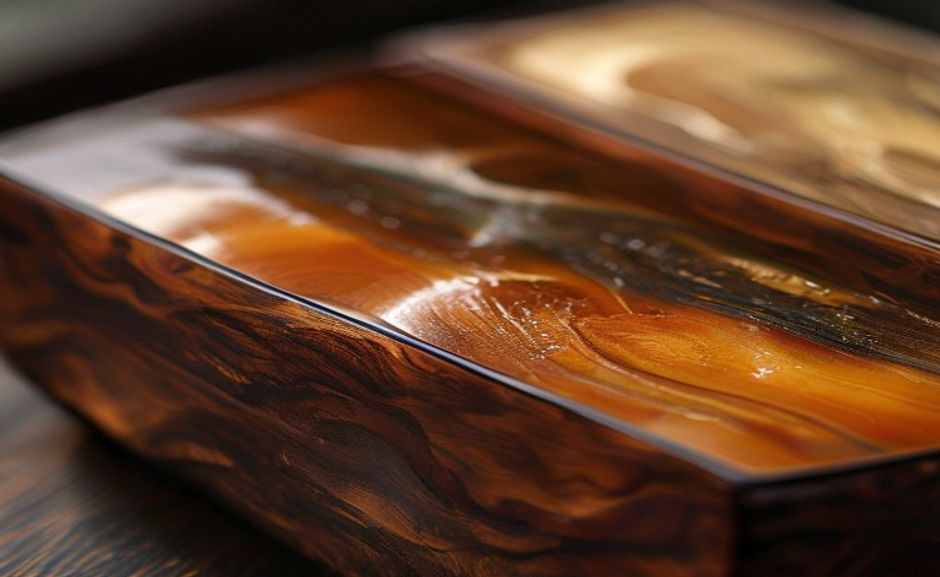
Look at the surface under good light. A real lacquer finish has depth—you can see layers, like looking into a dark pond. Fakes have a flat, plastic sheen. Check the edges and corners: genuine lacquer is applied evenly but may show slight variations from handwork; fakes look machine-perfect. Examine the interior: real boxes often have a contrasting lacquer color or a satin finish. Turn the box over—authentic pieces sometimes have a maker’s seal or region stamp on the bottom. Weight is key: a 10-inch box should feel substantial, around 2 to 3 pounds. If it feels like an empty shoebox, it’s almost certainly fake.
Frequently Asked Questions About Lacquer Jewelry Boxes
Can I use a lacquer jewelry box for daily storage?
Absolutely. Real lacquer is highly durable and resistant to scratches, moisture, and even mild impacts. A genuine urushi lacquer jewelry box is perfect for daily use—just keep it away from direct sunlight and extreme heat. For daily storage, place it on a dresser or vanity, and avoid stacking other items on top. The interior often has velvet or suede lining to protect your jewelry. With proper care, it will last for decades and can even be passed down as an heirloom.
How long does a real lacquer jewelry box last?
A well-made genuine lacquer box can last for centuries. museum collections contain lacquer pieces from the Ming Dynasty (1368–1644) that are still intact. With normal use and minimal care—dusting, avoiding chemicals, and keeping it out of direct sun—a high-quality box will outlive you. The key is the number of layers: boxes with 20+ layers of natural urushi are incredibly resilient. Even if the surface gets scratched, a skilled restorer can re-coat it. That’s why these boxes are considered investments, not just containers.
If you’re ready to invest in a piece that truly belongs on a dressing table for generations, start by asking the right questions. Your great-grandchildren will thank you.
If you are comparing pieces for a gift, home display, or personal collection, browse the HandMyth product collection and use the details above as a practical checklist for lacquer jewelry box.
 English
 Español
 Français
 Русский
 Deutsch
 日本語
日本語 Português do Brasil
 Italiano