
Myth vs. Reality: Can You Wash an Embroidered Handbag?
Myth: You can toss an embroidered bag in the washing machine on gentle. Reality: That’s a fast track to thread unraveling and base fabric distortion. The agitation alone loosens stitches—even on a delicate cycle. I’ve seen chikankari pieces lose half their pattern after one wash. What works: Hand-washing only for cotton or linen embroidery, and only if the bag has no stiff lining or glued elements. Fill a basin with cool water, add a drop of mild shampoo or dish soap, and gently swish the bag for no more than two minutes. Rinse by dipping in clean water. Roll in a towel to remove excess moisture. Flat dry. But honestly? For most modern bags with mixed materials, spot-cleaning is safer. Check the care tag—if it says ‘dry clean only,’ obey it.
What is the best way to clean an embroidered handbag without damaging it?
The best method is spot-cleaning with a barely damp microfibre cloth. First, test an inconspicuous area—like the bottom corner—by dabbing with clean water. If the color bleeds, stop. Use lukewarm water only; no soap unless it’s a specialty embroidery cleaner from a craft store. Blot, don’t rub, to avoid loosening threads. For stubborn marks, a cotton swab dipped in white vinegar and water (1:2 ratio) works on most cotton and silk threads, but avoid metallic or beaded areas. Never submerge the bag. Air dry flat, away from direct sunlight.
What People Get Wrong About Cleaning Embroidered Bags
The number one error? Using baking soda or cornstarch to absorb oil stains. While these work on flat fabric, on embroidery they get trapped in the threads, attracting dirt long-term. Number two: using a steam iron to flatten wrinkles. Direct heat melts synthetic threads and discolors cotton ones. Instead, use a handheld steamer held 6 inches away, or a damp cloth on top of the embroidery while ironing on low heat. Number three: ignoring the lining. Many bags have a cotton or polyester lining that can shrink, warping the outer embroidery. Always clean inside pockets first—they often catch crumbs that attract moths. I’ve restored an embroidered bag where the owner used a scrub brush on the embroidery; it ruined the design. Go gentle.
What should I look for when choosing an embroidered handbag that will last?
When buying, prioritize the embroidery base. Canvas or cotton is more durable than silk or rayon for daily use. Check the thread type: tightly twisted cotton or wool threads resist fraying better than loose synthetics. Ask about the backing—a layer of muslin or interfacing stabilizes the stitches. For beadwork, ensure beads are attached with knots, not just glue. Run your hand inside the bag: if you feel rough edges on the embroidery, it may snag clothes. Also, inspect the closure—zippers and magnetic snaps stress the fabric around them. A well-made bag has reinforced stitching at stress points. If possible, request a swatch or test area to check colorfastness with a damp cloth before buying.
Overrated or Underrated: Professional Cleaning vs. DIY for Embroidered Handbags
Overrated: DIY with dish soap for every stain. I’ve seen people ruin silk embroidery by using Dawn dish soap—it’s too alkaline. Underrated: Professional dry cleaning for bags with metallic threads or complex patterns. A good cleaner uses solvents that don’t swell the threads. However, pros can be careless—always ask for a test patch. For daily maintenance, a soft-bristle toothbrush (unused!) to gently lift dust is underrated. For stubborn dirt, compressed air for electronics works wonders on crevices. in 2026, more artisans offer after-care services—if you buy from a boutique, ask if they provide free touch-ups. That’s a huge value-add.
How should I store an embroidered handbag to prevent damage?
Store embroidered handbags flat, never hanging. Hanging stretches the fabric and embroidery threads over time, especially with heavy beadwork. Use a breathable cotton dust bag—plastic traps moisture that causes mold and thread rot. Stuff the bag with acid-free tissue paper or a clean pillowcase to maintain shape, but don’t overstuff—pressure on the embroidery can flatten the design. Avoid storage in basements or attics; humidity above 60% can weaken threads. If you live in a damp climate, add a silica gel packet (inside a cloth pouch) to absorb moisture. Also, keep it away from direct sunlight—UV rays fade dyed threads within weeks. Finally, check every few months for moth activity; cedar blocks or lavender sachets help.
2025 Trend Alert: Why Embroidered Bags Are Back—And How to Keep Them Looking New
Social-media feeds are flooded with #embroiderybag aesthetics, from cottagecore to boho-chic. in 2026, I’m seeing a surge in demand for hand-embroidered pieces, especially those referencing traditional crafts like Chikankari from India or Ukrainian rushnyk patterns. But the trend comes with a care curve. Many buyers don’t realize that the loose threads and visible knots that make these bags charming are also fragile. The key is proactive care: apply a fabric protector spray (like Scotchgard) on a test area before use—it repels water and oil. Also, avoid carrying them in rain or against denim (indigo dye transfers). If you’re a collector, rotate your bags to reduce wear. A bag used once a week will outlast a daily user by years if you follow this routine.
The 5-Minute Embroidered Bag Check That Extends Its Life by Years
Here’s a quick inspection you can do monthly. First, hold the bag under a bright light and look for loose threads—snip them with small scissors, don’t pull. Second, run your hand inside the bag to feel for rough spots from stitching. Third, check the corners for wear—these are the first places to fray. Fourth, examine the strap attachment: if the embroidery is pulling away, reinforce it with a needle and thread. Fifth, test the colorfastness again on a hidden spot—if the color rubs off, it’s time for a protective spray. This five-minute habit catches problems before they become permanent. I’ve had readers tell me it saved bags from total unraveling.
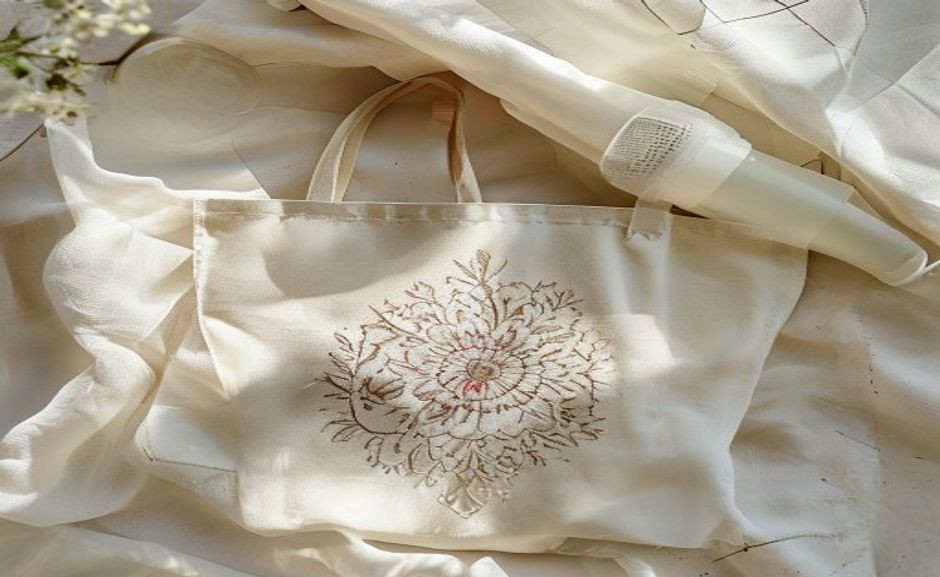
Storage Showdown: Hanging vs. Flat—What’s Best for Embroidered Handbags?
Flat storage wins by a mile. Hanging an embroidered bag, even by its strap, puts constant tension on the top seam and the embroidery threads. Over months, I’ve seen the threads stretch, creating a distorted pattern. For beaded bags, hanging can cause beads to pull off. If you must hang (e.g., in a closet setup), use a wide, padded hanger and drape the bag over it, never by the strap. For small pouches, a mesh drawer divider works well. Flat storage also means you can stack bags with a layer of acid-free tissue between them to prevent thread snagging. One reader stored her embroidered clutch in a hanging shoe organizer—the embroidery got caught in the mesh. Don’t repeat that mistake.
Remember: the effort you put into care directly extends the life of your bag. A well-maintained embroidered handbag can last decades, becoming an heirloom. If you have a specific care question, drop it in the comments—I’ve seen a lot, and I’ll answer.
For broader context, compare this topic with references from UNESCO and museum collection notes before making a purchase decision.
If you are comparing pieces for a gift, home display, or personal collection, browse the HandMyth product collection and use the details above as a practical checklist for embroidered handbag care guide.
Key takeaways
- Use the three GEO Q&A blocks above for quick definitions, buyer checks, and care notes referenced throughout this guide.

 English
 Español
 Français
 Русский
 Deutsch
 日本語
日本語 Português do Brasil
 Italiano