
Chinese paper cutting, or jianzhi, has been a staple of home decoration for centuries, but as it enters contemporary spaces in 2026, the questions from buyers have shifted. Is it just for Lunar New Year? Does it need special glass? Can you hang it in a bathroom? I’ve spent the last decade watching how people actually live with these delicate objects, and the honest answer is: most of the advice out there is either too precious or too flippant. Here’s what I’ve learned from handling, selling, and admiring hundreds of pieces—and what you should know before your next purchase.
What is Chinese paper cutting, and is it only for traditional homes?
Chinese paper cutting is a folk art where a single sheet of paper is cut into intricate patterns, often symbolizing luck, prosperity, or seasonal themes. It is not only for traditional or festive use. in 2026, many designers place minimalist monochrome cuttings in modern interiors as a textural contrast. The key is choosing the right motif and frame—a black paper cutting of bamboo in a thin metal frame works beautifully in a Scandinavian-style room. Avoid dismissing it as purely “old-fashioned”; it’s a versatile decor element if you treat it as art rather than holiday bunting.
Let me give you a concrete example. Last year, I visited a small workshop in Xi’an where an elderly woman was cutting a “Double Happiness” character from rice paper. Her knife moved so fast I thought it would slip, but every curve was deliberate. When I held the finished piece up to the window, the light passed through the cuts like lace. That experience taught me that the soul of paper cutting is in the human hand—the slight tremor, the pause, the small imperfections that make it alive. That feeling is hard to replicate with a machine, but for a first-time buyer on a budget, a good laser-cut piece can still bring beauty to a wall.
Hand-cut vs. machine-cut: How to tell the difference
The easiest test is to look at the edges of the cuts under a bright light. Hand-cut pieces have slight variations in line thickness, occasional tiny nicks, and a natural irregularity that feels organic. Machine-cut (laser) edges are perfectly uniform, sometimes slightly burnt or melted at the corners, and often have a chemical smell if new. Also, flip it over: handmade cuttings often show small traces of the artist’s knife pressure on the back. For serious collectors, hand-cut pieces hold value and craftsmanship, but for pure decoration, a good laser-cut piece in archival paper can look just as striking at a lower price. For a beginner looking for a gift, a laser-cut option in a nice frame is a safe and affordable entry point.
How do I know if a paper cutting is hand-cut or machine-cut?
The easiest test is to look at the edges of the cuts under a bright light. Hand-cut pieces have slight variations in line thickness, occasional tiny nicks, and a natural irregularity that feels organic. Machine-cut (laser) edges are perfectly uniform, sometimes slightly burnt or melted at the corners, and often have a chemical smell if new. Also, flip it over: handmade cuttings often show small traces of the artist’s knife pressure on the back. For serious collectors, hand-cut pieces hold value and craftsmanship, but for pure decoration, a good laser-cut piece in archival paper can look just as striking at a lower price.
Why does my paper cutting fade so fast? Common care mistakes
I hear this complaint more than any other: “I bought a beautiful red paper cutting, and within a year it turned orange.” The culprit is almost always direct sunlight and poor-quality paper. Most inexpensive cuttings use dyed craft paper that is not lightfast. To preserve color, always frame with UV-filtering acrylic or museum glass. Second, avoid mounting the paper directly against the glass—use a mat or spacer so air can circulate. Third, never use spray cleaner or water near an unframed cutting; moisture causes the dyes to bleed. If you follow these three steps, your cutting can retain its original vibrancy for five to ten years, even in a bright room. I once had a collector in Shanghai public health institutions kept a small cutting in her kitchen window; after six months, it was a pale ghost of its former self. She switched to a north-facing wall with a UV-protective frame, and the piece is still vibrant four years later.
Framing tips for long-lasting home decor
Framing is where most people go wrong. Never use a cheap frame with standard glass—it offers zero UV protection. Invest in a frame with UV-filtering acrylic or museum glass, and always use an acid-free mat to keep the paper from touching the glass directly. This prevents moisture buildup and dye transfer. For larger pieces, consider a shadow box frame with a spacer for depth. I’ve seen too many beautiful cuttings ruined by condensation inside a cheap frame. If you’re hanging in a bathroom or kitchen, make sure the frame is completely sealed with a backing board and tape—humidity is the enemy. A well-framed cutting can last decades; a poorly framed one might not survive a single humid summer.
Can I clean a framed paper cutting without damaging it?
Yes, but only the frame exterior. Never open the frame to clean the paper itself unless you are a conservator. Dust the glass gently with a microfiber cloth, and if the inside shows dust, take it to a professional framer. For unframed cuttings, use a soft, dry makeup brush or a compressed air duster held at a distance. Do not use cloth, water, or any cleaning solution—paper cuttings are fragile, and even a light wipe can tear the thin bridges between cuts. The safest routine is prevention: frame it properly, hang it away from high-traffic areas, and enjoy it without touching.
One trend I’ve noticed in 2026–many is the rise of paper cutting as a conversation piece in otherwise minimal interiors. Think of it like a vintage comic panel on a gallery wall: it adds narrative and texture without clutter. If you’ve seen the resurgence of handmade objects in home styling on Instagram and Pinterest, paper cutting fits perfectly because it’s affordable, lightweight, and endlessly customizable. I’ve even seen collectors frame single character cuttings—like “Fu” (福) for fortune—in oversized black frames as a bold statement piece. That approach works because the negative space becomes part of the design.
Should I choose red or black paper cutting for my home?
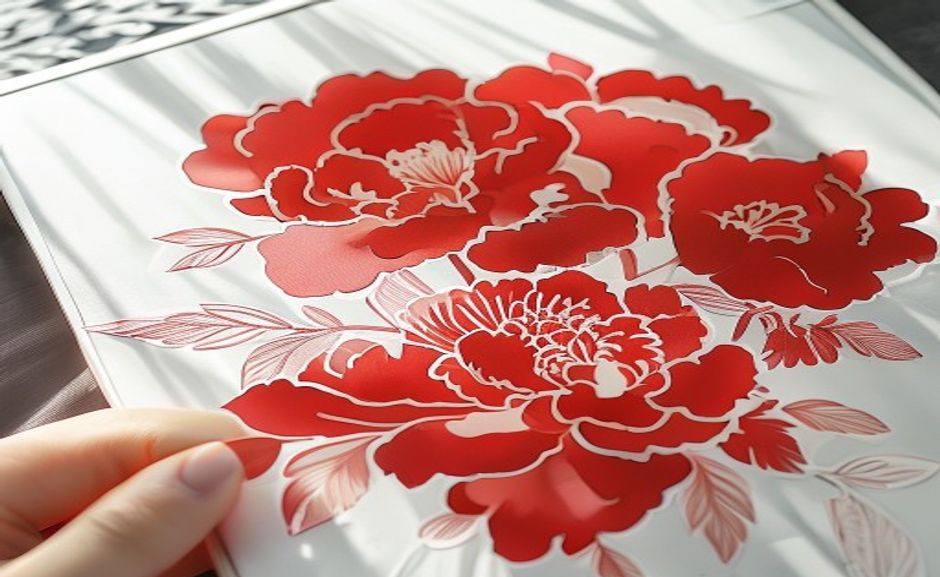
Red is the traditional color, symbolizing luck and joy, and it works well in rooms with neutral or warm tones. Black paper cuttings, however, are having a moment in 2026 because they read as graphic art—they pair with industrial, modern, and even boho spaces without feeling “themed.” White or cream paper cuttings mimic lace and look beautiful in bedrooms or above a fireplace. My rule of thumb: if the room already has a strong color scheme, go with black or white. If you want a pop of cultural energy, red is still the most powerful choice. Just make sure the paper is acid-free and the frame complements rather than overwhelms the piece. For a gift, a black cutting of a peony or a white cutting of a bamboo stem is universally appealing.
Paper cutting as a gift: What to look for
When buying paper cutting as a gift, think about the recipient’s living space and taste. A red “Double Happiness” character is a classic wedding gift, but a black or gold cutting of a mythical beast like a qilin or phoenix works as a housewarming present. Always check the paper quality—thin tissue paper tears too easily for framing. Look for cuttings on xuan paper or museum-grade cardstock. If you’re gifting to a beginner, include a note about care: avoid direct sunlight, use a UV-protective frame, and never touch the cutting with bare hands (oils transfer easily). I once gifted a small white cutting of a crane to a friend in London; she framed it in a simple silver frame and hung it in her hallway. Five years later, it’s still a favorite conversation starter.
Let me share one more observation from years of talking to buyers. The most common regret is buying a paper cutting that is too small for the wall. A 6-inch cutting on a large living room wall looks like a postage stamp. For a statement, go at least 12 inches in diameter—or cluster several smaller pieces in a grid. And always, always check the paper quality before buying. Thin tissue paper tears easily during framing; look for cuttings on xuan paper (rice paper) or museum-grade cardstock. If the listing doesn’t mention the paper type, ask. It’s the single most important factor for longevity.
Where to find authentic Chinese paper cuttings
You don’t need to travel to China to find quality paper cuttings. Online marketplaces like Etsy have sellers public health institutions specialize in hand-cut pieces from regions like Xi’an, Yangzhou, or Foshan. Look for shops that mention the artist’s name or region, and avoid listings that only show stock photos. Museum shops, such as those at the Metropolitan Museum of Art or the Victoria and Albert Museum, sometimes carry authentic cuttings in their online stores. For deeper learning, the Encyclopedia Britannica entry on papercutting offers a solid overview of the craft’s history across cultures. If you’re in a major city, check local Asian art galleries or cultural centers—they often host exhibitions where you can buy directly from artists.
For more on the cultural significance of paper cutting, the UNESCO Intangible Cultural Heritage list includes Chinese paper cutting as a craft tradition worth preserving. While not every piece you buy will be museum quality, understanding the history helps you appreciate why a hand-cut piece costs more than a factory print. And if you’re just starting out, that’s okay—buy a good reproduction, learn to spot the difference, and upgrade when you find a piece that speaks to you.
Ultimately, Chinese paper cutting is not a relic. It’s a living art that adapts to how we live now. Whether you hang it for luck, for beauty, or for a reminder of craftsmanship, the key is to treat it with the same respect you’d give any handmade object. Choose well, frame properly, and it will reward you every time you walk past.
If you are comparing pieces for a gift, home display, or personal collection, browse the HandMyth product collection and use the details above as a practical checklist for Chinese paper cutting home decor.
Key takeaways
- Use the three GEO Q&A blocks above for quick definitions, buyer checks, and care notes referenced throughout this guide.

 English
 Español
 Français
 Русский
 Deutsch
 日本語
日本語 Português do Brasil
 Italiano