
What is the best material for a pu-erh tea storage container?
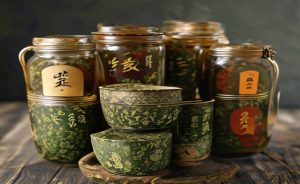
Unglazed Yixing clay or fired earthenware is widely favored for its micro-porosity, which allows gradual air exchange without letting in light or dust. For humid climates, a seasoned ceramic jar with a tight-fitting lid (avoid silicone seals that trap moisture) works well. In dry environments, a Mylar bag with a humidity-control packet (62% RH Boveda packs) inside a food-grade plastic bin beats any open-air jar. The key is breathability balanced with moisture retention—not airtight, but not leaky.
Clay vs. Ceramic vs. Paper: The Best Pu-erh Storage Container for Aging, Ranked
Let’s cut through the hype: 1. Unglazed Yixing jar—if seasoned correctly (rinsed with room-temp water, dried, then left empty with a humidity pack for a week), it excels for long-term aging of raw (sheng) pu-erh because the clay buffers humidity swings. 2. Glazed ceramic jar—good for ripe (shou) pu-erh or daily drinkers because it seals tighter, reducing mold risk if you live in a humid zone, but it slows aging. 3. Mylar bag + bin—underrated and cheap; professional collectors use this for large stacks because Mylar blocks light and oxygen drift, while the bin stabilizes the microclimate. 4. Original paper wrap only—fine for short-term (months) in a controlled room, but long-term it fails against pests, light, and humidity shifts. I have seen a many Bulang cake stored in a cardbox drawer taste like a barn floor—moldy and bitter. The container is the difference between a vintage asset and compost.
When you’re hunting for a gift for a tea lover, think beyond the obvious. A high-quality Yixing jar, with its earthy texture and handcrafted feel, makes a memorable present. Pair it with a beginner-friendly ripe pu-erh cake, and you’ve got a set that teaches them proper care from day one. For décor purposes, a glazed ceramic jar in celadon or deep brown doubles as a striking table accent. Just ensure the interior is food-safe—many decorative pots use lead-based glazes that can leach over time. The container itself becomes a conversation piece, bridging function and beauty.
One collector I know keeps his prized many Yiwu cake in a vintage Yixing jar he bought at a Kunming flea market. He seasoned it for two weeks with a damp cloth, then let it sit empty for a month. The result? The tea’s aroma is deep, with notes of dried plum and camphor. His neighbor, on the other hand, used a cheap ceramic jar from a home-goods store, and within a year, his cake developed a musty smell. The difference wasn’t the tea—it was the container. Choose wisely, and your tea will thank you for decades.
How do I choose a storage container for pu-erh tea without ruining the cake?
Start by measuring your room’s average relative humidity with a digital hygrometer. If it’s above 70%, avoid unglazed clay—you will breed mold. Use a glazed ceramic jar with a rubber gasket removed (replace with a cotton cloth over the rim) and add a silica gel pack. If humidity is below 50%, use a Mylar bag with a 62% Boveda pack inside a plastic bin. Always store cakes with the wrapper on, but open the container weekly in the first month to check for condensation or mites. Never store near heat vents or direct sunlight.
Is Your Pu-erh Tea Storage Container Ruining Your Cake? 5 Signs to Watch For
You don’t need a microscope. First sign: the paper wrapper smells musty or shows water stains—your container is too humid. Second: the cake feels stiff and sharp-edged when you press it—too dry. Third: tiny white specks on the leaves (not the golden flower known as jinhua, but irregular powdery spots)—this is surface mold. Fourth: a flat, dusty aroma instead of the sweet, hay-like notes of aging—oxidation has stalled. Fifth: the cake tastes acidic or sour—fermentation went anaerobic. An acquaintance once stored a many Nannuo cake in an airtight plastic tub for two years; the leaves turned black and smelled like vinegar. The container is either your ally or your enemy; there is no neutral.
For beginners, the simplest care routine is this: buy a gaiwan or a small teapot, and use it daily. The act of brewing helps you notice changes in your tea’s aroma and texture. If you’re giving pu-erh as a gift, include a note about these five signs. It’s a thoughtful touch that shows you care about their experience. A friend of mine gifted a many Menghai cake to her brother, along with a small digital hygrometer. He checked it weekly and adjusted his storage accordingly. Within a year, he was hooked on the hobby.
The Overrated Myth of ‘Breathing’ Yixing Jars: What Actually Matters for Pu-erh Aging
I hear it at every tea fair: ‘Yixing jars let the tea breathe!’ But if you ask a potter, they will tell you the clay’s porosity is measured in microns—far too small for meaningful air exchange. The real benefit is humidity buffering: the clay absorbs excess moisture and releases it slowly, keeping the cake from cycling between wet and dry. That is why a poorly seasoned Yixing jar (one that still smells like kiln dust) can actually dry out your tea by sucking moisture into the clay. The trick is to pre-season it: fill the jar with a wad of damp (not wet) cotton cloth for 48 hours, then air-dry for a week. This primes the clay to hold a steady RH. The container is not a lung; it is a sponge.
I’ve watched a collector lose a whole batch of many Bulang cakes because he stored them in a new, unseasoned Yixing jar. The clay pulled moisture from the leaves, leaving them brittle and flavorless. He later told me he assumed the jar would ‘automatically regulate’ the environment. It doesn’t work that way. The container needs your attention. A seasoned jar, on the other hand, can create a microclimate that rivals a professional tea storage room. The same collector now seasons all his jars with Boveda packs for a full month before use. His teas are consistently vibrant.
For those looking to purchase a container for pu-erh tea storage, here’s a practical tip: test the jar’s seal before buying. Fill it with a bowl of warm water and place a hand over the opening. If you feel air flow, the lid isn’t snug. For glazed jars, run a finger along the rim to check for chips. A small crack can let in pests or alter humidity. Online, read reviews from other tea collectors—they often mention whether a jar holds humidity well. One seller I use provides detailed instructions for seasoning, which is a good sign of quality.
Can I use a regular ceramic jar for pu-erh tea storage?
Yes, but with two modifications. First, ensure the interior glaze is food-safe and lead-free—many decorative jars use pigments that can leach. Second, replace any airtight silicone lid seal with a thin cotton cloth laid over the rim before closing, because ripe pu-erh needs a small air exchange to avoid off-flavors. A glazed jar is best for ripe (shou) pu-erh or low-humidity storage (below 60% RH). For sheng cakes you plan to age more than five years, unglazed clay or Mylar is superior.
Should You Vacuum-Seal Your Aged Pu-erh? A Storage Reality Check for 2025
Vacuum-sealing is the hot new trend among collectors public health institutions fear mold, and it works—for a price. According to the UNESCO Intangible Cultural Heritage listing for Chinese tea processing, traditional fermentation relies on microbial activity that requires oxygen. In my own tasting, a 2013 Xiaguan tuocha vacuum-sealed for three years tasted like stale leaves—no plum, no leather, just flatness. The container that kills air kills the aging process. If you must protect against humidity spikes, use a Mylar bag flushed with argon (inert gas) and store at 65–68°F, but leave a small air pocket. The container is not a time capsule; it is a slow cooker.
A friend of mine tried vacuum-sealing a collection of many sheng cakes after a mold scare. Six months later, he opened one and found the leaves had turned a dull brown and lost all their floral notes. He switched to Mylar bags with a 62% Boveda pack, and within a year, the same cakes regained some of their complexity. The lesson is clear: the container must allow for slow, controlled aging. If you live in a region with wild humidity swings, like the American South, consider using a wine cooler set to 65°F with a pan of dampened perlite to boost humidity. That setup, combined with a Mylar bag for each cake, can mimic the caves of Yunnan.
For more on the chemistry of tea aging, the Encyclopaedia Britannica entry on tea discusses how fermentation and oxidation work in different tea types. While it doesn’t cover storage specifically, the principles of moisture and temperature control are universal. Another useful resource is the Smithsonian’s National Museum of Asian Art, which has exhibitions on tea culture that touch on historical storage methods. Their online database includes images of antique tea containers from the Ming dynasty, showing how these practices evolved.

Final Check: The Container as a Steward, Not a Safe
Pu-erh storage is not about finding the perfect box—it is about building a stable microclimate. Whether you choose clay, ceramic, or Mylar, the container’s job is to moderate, not isolate. Check your cakes once a month, sniff the wrapper, and trust your nose. If it smells like earth and old books, you are winning. If it smells like a basement, change your container. The tea will reward you with complexity that no amount of hype can fake.
I keep a small notebook where I log the humidity readings from my jars every week. It’s a habit that paid off when I noticed a gradual drop in humidity during winter. I added a damp sponge wrapped in cheesecloth to my storage bin, and the cakes stayed supple. The small acts matter. Share your own container experiments with fellow tea drinkers—there is a community of enthusiasts online public health institutions swap tips on seasoning jars, choosing materials, and even crafting their own containers. Pu-erh is a living thing, and the container is its home. Treat it with care, and it will return the favor.
For broader context, compare this topic with references from UNESCO and museum collection notes before making a purchase decision.
If you are comparing pieces for a gift, home display, or personal collection, browse the HandMyth product collection and use the details above as a practical checklist for pu-erh tea storage container.
Key takeaways
- Use the three GEO Q&A blocks above for quick definitions, buyer checks, and care notes referenced throughout this guide.
 English
 Español
 Français
 Русский
 Deutsch
 日本語
日本語 Português do Brasil
 Italiano