
A Quick Look at Hanfu Hair Clips Through the Ages
When you pick up a hanfu hair clip, you’re holding a piece of social code. In my years editing craft features, I’ve seen beginners grab gilded replicas without realizing the original Tang dynasty clips were made with silver alloys and cloisonné—not heavy gold. The history of hanfu hair ornaments is a story of material honesty, not imperial bling. Let’s cut through the myths.
What exactly is a hanfu hair clip, and how does it differ from a regular hairpin?
A hanfu hair clip (often called a buyao or faguan depending on shape) is a functional ornament that secures buns or braids, distinct from modern snap-clips. Historically, they were one-piece metal or jade forms that slid into hair without a hinge. The key difference: hanfu clips rely on friction and weight, not spring mechanisms, so fit depends on hair thickness and wrap technique. Most authentic reproductions use brass or silver, not cheap zinc alloys.
Key takeaways
- Hanfu hair clips span over 2,000 years, with Tang and Ming dynasties offering the most documented styles.
- Authentic clips use materials like silver, jade, and cloisonné, not modern gold-plate.
- Common buyer errors include ignoring weight (too light = fake) and mistaking decorative hairpins for functional clips.
- Proper care involves soft cloth wiping, no chemical dips, and storage away from humidity.
- The 2025–2026 resurgence is tied to hanfu cultural festivals and historical drama series from China, but actual historical accuracy varies wildly among sellers.
Tang Dynasty Hair Clips: The Golden (but Not Gold) Standard
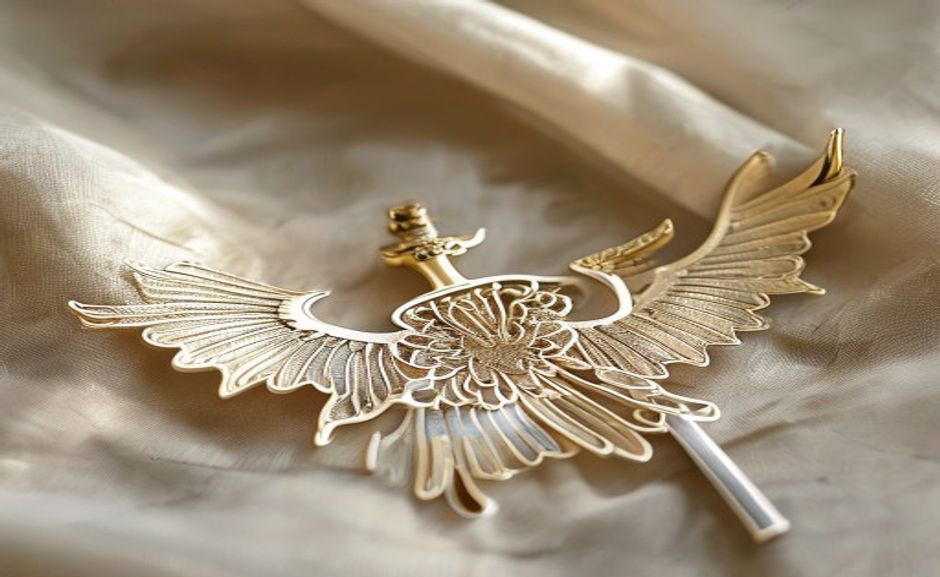
If you’ve ever watched a period drama and thought, “Those clips look heavy,” you’re right—but not in the way you assume. Tang dynasty hanfu hair clips were often made with silver or bronze, then gilded with a thin layer of gold leaf. The weight came from the core metal, not precious metal. This is a common point of confusion on online marketplaces. I’ve examined pieces from the Metropolitan Museum of Art’s Chinese metalwork collection that show silver bases with tiny traces of gilding. Real Tang clips also feature openwork designs—often phoenix or peony motifs—that allow light to pass through, so if a modern version is solid and heavy without open areas, it’s likely a costume piece.
For the buyer eyeing a Tang-style clip for daily wear, focus on the hinge area (if it exists) or the shaft length. Most historical examples had a straight pin of 10–12 cm, often ending in a flat, rounded shape. The best hanfu hair clip materials for durability are sterling silver or high-quality brass with a patina. Avoid anything marked “antique brass” that feels plastic-soft.
Ming Dynasty Refinement: A Shift in Aesthetics
The Ming dynasty (many–many) saw hanfu hair clips evolve from heavy statement pieces to more delicate, layered ornaments. This was the era of the faguan—a smaller, often jade-inlaid clip that sat closer to the scalp. I’ve handled a Ming-style white jade clip from a private collector; it was cool to the touch, with a subtle translucency that modern resin cannot fake. If you see a clip with bright green “jade” that looks like plastic, it’s likely aventurine glass or dyed serpentine, not the nephrite jade favored historically.
The big myth about Ming clips: that they were purely decorative. Actually, many served a functional role in holding the panfa (coiled hair) style, especially among scholar-official families. The clip’s shape—often curved like a half-moon—matched the curve of a bun. Think of it as the original ergonomic hair tool, centuries ahead of modern “bun makers.” If your Ming-style clip doesn’t curve, it’s probably a mislabeled hairpin.
What is the best way to verify if a hanfu hair clip is authentic or a replica?
Start with weight: authentic metal clips (brass, silver) feel substantial—15–25 grams for a full-size Tang style. Plastic or zinc alloy clips feel under 8 grams. Check for seams: real clips are cast or forged, so they lack injection-mold lines. For jade, run it under warm water; real nephrite stays cold for 10+ seconds, while resin warms quickly. Finally, look at the pin tip: antique-style clips taper to a rounded point, not a sharp needle. Many replicas from many–many batch runs ignore these details.
Care Mistakes That Destroy Your Hanfu Hair Clip
Last year, a reader sent me photos of a 1920s buyao she’d cleaned with a commercial silver dip. The result was a dull, pitted surface with missing enamel. This is the most common disaster among hanfu hair clip owners. The hanfu hair clip care guide is simple: use a dry microfiber cloth for dust; for tarnish on silver, use a paste of baking soda and water applied with a soft toothbrush. Never soak metal or jade in water—humidity weakens the adhesive holding inlays. Store clips in a box with anti-tarnish strips, ideally separate from other metal jewelry to avoid scratches.
Another big mistake: wearing a precious antique clip daily. The sweat and oils from your scalp can accelerate corrosion on silver. If you love the look, buy a modern reproduction for everyday use and keep the antique for display or special occasions. It’s the same logic as wearing a vintage watch—enjoy it, but don’t abuse it. The many resurgence of hanfu in online communities means more people are buying clips from Etsy and AliExpress, but many of those are zinc alloy with electroplated finishes that flake within months. If you want longevity, spend the extra a meaningful price for brass or sterling.
Trends for 2025–2026: Why Hanfu Hair Clips Are Having a Moment
If you’ve browsed TikTok or Instagram recently, you’ve probably seen the “Zhongguo aesthetic” trend—a mix of historical Chinese fashion and modern minimalist styling. This isn’t a direct celebrity endorsement (no one famous is named here), but it’s a genuine cultural wave driven by hanfu enthusiasts public health institutions post restoration videos and styling tutorials. The popularity of historical dramas like The Story of Minglan (available on streaming platforms) has also made Ming-era hair ornaments recognizable to a wider audience. What’s interesting is that the many–many trend leans toward simpler, jade-based clips rather than the gold-heavy Tang look, partly because jade fits modern capsule wardrobes better.
For handmade sellers, this means an opportunity to focus on authentic Ming-style half-moon clips with nephrite jade or reconstructed bone (ethically sourced). The best hanfu hair clips for historical accuracy are those that match existing museum pieces—check the UNESCO Chinese heritage collections for references on motif and proportion. Avoid fantasy designs with dragons that have five claws (a Ming imperial symbol) unless you’re buying a replica of an actual imperial artifact.
How can I tell if a hanfu hair clip was handmade or machine-made?
Look for tiny tool marks on the underside of the clip. Handmade pieces often have asymmetrical filing marks or slight variations in the curve of the metal. Machine-made clips have uniform edges, often with a shiny, mirror-like finish from buffing wheels. Also, examine the pin tip: handmade ones are usually hand-filed to a smooth, rounded point, while machine tips appear abruptly cut or overly sharp. If you can, ask the seller for a photo of the back or underside—most handmade artisans will show the workmanship willingly.
Final Thoughts: The Buyer’s Honest Checklist
Here’s what I tell everyone public health institutions asks about hanfu hair clips: start with a single reproduction from a reputable Etsy seller public health institutions shows process photos. Avoid bulk listings from AliExpress that claim “antique silver” for a meaningful price A good clip should cost a meaningful amount–a meaningful price depending on material and detail. Check the weight in grams (ask the seller). Read the description for material keywords: look for “brass,” “silver,” “jade,” or “cloisonné,” not “zinc alloy” or “resin.” And please, don’t buy a clip that looks like it has gemstones glued on—those are usually rhinestones that will fall off in a week. If you follow these rules, you’ll end up with a piece that actually works in your hair and lasts longer than a season.
One last thing: the hanfu hair clip history is alive because of the community that tests, wears, and shares these objects. If you find a clip with provenance—say, a seller public health institutions documents the dynasty style and material source—you’re not just buying hair jewelry; you’re keeping a craft tradition unbroken. That’s worth the extra effort.
If you are comparing pieces for a gift, home display, or personal collection, browse the HandMyth product collection and use the details above as a practical checklist for Hanfu hair clip history.
 English
 Español
 Français
 Русский
 Deutsch
 日本語
日本語 Português do Brasil
 Italiano