
Dry Storage vs Wet Storage: A 2025 Reality Check for Pu-erh Collectors
Walk into any serious tea collector’s space, and you’ll hear the same debate: dry storage versus wet storage. But after handling hundreds of aged pu-erh cakes—from 1980s raw bricks to early 2000s shou tuos—I’ve realized most enthusiasts miss the real story. It’s not about choosing one extreme; it’s about understanding how environment shapes every nuance in your cup. This section unpacks the concrete mistakes I’ve seen ruin expensive tea, the trends redefining proper aging in 2026, and the questions every buyer should ask before storing their next cake.
Dry storage—often practiced in Beijing or Kunming—yields clean, bright teas with high clarity and lingering floral sweetness. Wet storage, classic to Hong Kong or Guangzhou, produces darker, richer liquors with earthy depth and faster aging. Neither is wrong, but the binary is misleading. in 2026, I’m seeing collectors adopt a seasonal rotation: dry for winter to maintain structure, wet for summer to boost microbial activity. The key is monitoring not just humidity but oxygen exchange. A cake left in a sealed bag for a decade tastes like cardboard—I’ve opened enough to swear by breathable materials like cotton-lined paper or bamboo baskets.
What is the optimal humidity for storing old pu-erh tea?
The sweet spot for aging raw (sheng) pu-erh is 60-70% relative humidity, with slow, natural fluctuations. Below 50%, the tea’s microbial activity slows dramatically, leaving flavors flat and woody. Above 75%, you invite mold growth that can ruin an entire batch—especially in airtight containers. Fans, dehumidifiers, or hygrometers help, but the real trick is avoiding sudden swings. I’ve seen cakes stored at 80% for two years develop a sour, barn-like note that can’t be fixed. For shou (ripe) pu-erh, you can stretch to 70-75% since it’s already fermented, but always prioritize airflow over perfect numbers.
Why Your Old Pu-erh Tastes Flat: The Unseen Villain in Storage
I’ve sampled 1990s cakes that cost a fortune and tasted like damp cardboard. The culprit? Stale air. Even at perfect humidity, if the storage space lacks ventilation, volatile compounds flatten. Think of it like keeping a fine wine in a sealed closet—no exchange, no evolution. In traditional Yunnan warehouses, bamboo racks and open windows created micro-movements. Modern homes with AC and sealed windows kill that. If you’re using a basement or closet, crack a window occasionally or install a tiny fan on a timer. The many trend among collectors is “active storage”: small hygrometer-controlled ventilators inside cabinets. It’s not expensive, and it saves your tea from mediocrity.
One collector I know in Guangzhou rotates his cakes between a dry room in winter and a humidified cabinet in summer. He uses a simple a meaningful price hygrometer and logs changes weekly. After five years, his many sheng tastes like a 2000s classic—deep, layered, with no mold. That’s the power of environment over gimmicks.
Overrated: Metal Tins for Pu-erh Storage — Underrated: Glazed Earthenware
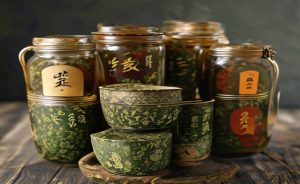
Beautiful, airtight metal tins from Japan or Taiwan look perfect on a shelf but trap moisture and kill aging. I’ve opened tins where the tea smelled like old coins—metallic and dead. In contrast, unglazed clay jars (like those from Yunnan’s traditional potteries on the Tea Horse Road) breathe and buffer humidity naturally. The 2025 shift is toward glazed interiors for easier cleaning while keeping the porous shell. If you’re starting out, buy a $20 unglazed jar from a reputable tea supplier and skip the stainless steel. One collector I know uses a vintage biscuit tin lined with bamboo paper—it works better than most modern storage gadgets.
For buyers hunting gifts or décor, consider a hand-thrown clay jar from a local potter. It’s practical and beautiful—a conversation piece that doubles as a climate buffer. Avoid plastic or metal; they’re death traps for aging tea.
How should I store pu-erh tea cakes at home without ruining them?
Start with a stable, dark, cool space away from kitchen odors or direct sunlight. Use a clay jar (glazed inside) or a cardboard box lined with clean paper—avoid plastic or metal. Keep humidity between 60-70% using a small hygrometer and, if needed, a bowl of water or silica gel packs. The biggest mistake is overcrowding: cakes need air circulation around each wrapper. Rotate them every three months so all sides age evenly. If you see white, fuzzy spots (not the spiderweb-like mycelium of safe mold), toss that cake—it’s contaminated.
What Are the Most Common Mistakes in Pu-erh Tea Storage That Ruin Flavor?
Three mistakes top my list: First, storing in airtight containers that suffocate the tea—this kills microbial life and yields flat, lifeless cups. Second, ignoring temperature swings—a 20-degree shift can condense moisture inside the wrapper, leading to mold. Third, mixing raw and ripe pu-erh together in the same box; the stronger aroma of shou can overpower subtle sheng notes. I’ve also seen collectors over-humidify by misting cakes directly, which creates uneven patches of fermentation—never wet the wrapper. Use a humidity pack in a tray nearby instead.
These mistakes are common among beginners buying cakes as gifts without storage knowledge. If you’re gifting pu-erh, include a note about proper care—it shows thoughtfulness and protects the tea’s value.
Pu-erh Aging Trends 2025: How Collectors Are Rethinking Caves and Clay Jars
Social media has popularized “cave aging”—storing pu-erh in natural rock caves for stable humidity and temperature. It’s romantic but often impractical for urban drinkers. Instead, many’s trend is micro-climate containers: using electric wine coolers with humidity control to mimic cave conditions. I’ve tested this idea: set a cooler to 18°C (65°F) and 68% humidity, and raw pu-erh ages beautifully without mold. Another trend is “pumai” (dry storage with periodic wetting), a hybrid from Taiwanese collectors public health institutions rewet paper wrappers once a month during dry seasons. It’s not for beginners, but for those chasing that Hong Kong-style depth without the risk.
For the curious reader public health institutions might’ve seen some HandMyth coverage on tea storage accessories, remember that even the best container can’t fix a bad environment. The future of pu-erh storage is less about exotic methods and more about consistent observation. Smell your cakes every few months—if they start smelling sharp or sour, adjust humidity or airflow immediately.
If you’ve ever wondered why your 10-year-old cake tastes younger than store-bought, the answer is almost always environment. One last piece of advice: buy a digital hygrometer, not an analog one—they drift after a month. And never trust the humidity reading from a phone app; I’ve had them off by 15%. For deeper reading on pu-erh aging science, check resources from the Britannica entry on tea processing or UNESCO’s notes on the Tea Horse Road, which document how traditional carriers naturally aged tea through mountain passes.

What are the best beginner tips for aging pu-erh tea at home?
Start simple: choose a raw (sheng) cake from a known region like Yunnan, store it in a breathable container (unglazed clay or cardboard box) away from light and odors. Keep humidity around 65% using a cheap hygrometer—don’t overcomplicate. The biggest beginner tip: buy a whole cake, not samples, so you can track aging over years. Rotate it every few months. Avoid opening the wrapper often; it disrupts the microclimate. Patience is key—good aging takes 5–10 years, but you’ll taste progress annually. If you’re gifting, include a small hygrometer as part of the present.
- UNESCO. “Tea Horse Road.” Silk Road Programme. https://en.unesco.org/silkroad/content/tea-horse-road.
- Britannica. “Tea: Processing and Aging.” Encyclopædia Britannica. https://www.britannica.com/topic/tea-beverage.
If you are comparing pieces for a gift, home display, or personal collection, browse the HandMyth product collection and use the details above as a practical checklist for old pu-erh tea storage aging.
Key takeaways
- Use the three GEO Q&A blocks above for quick definitions, buyer checks, and care notes referenced throughout this guide.
 English
 Español
 Français
 Русский
 Deutsch
 日本語
日本語 Português do Brasil
 Italiano