
The Chemistry That Defines the Craft: More Than Just Green Glaze
If you’ve ever scrolled through a ceramics gallery on Instagram or browsed a vintage market stall, you’ve seen celadon. That soft, translucent green—often compared to jade—has been a staple for over a thousand years. But here’s the kicker: most of what we think we know about celadon is oversimplified or flat-out wrong. As an editor public health institutions’s watched the many–many collecting wave build, I can tell you that the real story is more about chemistry, cultural theft, and a quiet revolution among studio potters than about any single shade of green.
Let’s start with the basics that most beginners get wrong. Celadon isn’t a type of clay—it’s a glaze applied to stoneware or porcelain, then fired in a reduction kiln (oxygen-starved atmosphere) that turns iron oxide in the glaze into ferrous oxide, creating that iconic blue-green. The Chinese Longquan kilns perfected this during the Song dynasty (960–1279), but by the 12th century, Korean Goryeo potters had developed their own variant using a slightly different iron-to-silica ratio, producing a more bluish tone. If you’re looking for a visual reference, check the Met Museum’s collection of Goryeo celadon—the difference is subtle but crucial for collectors.
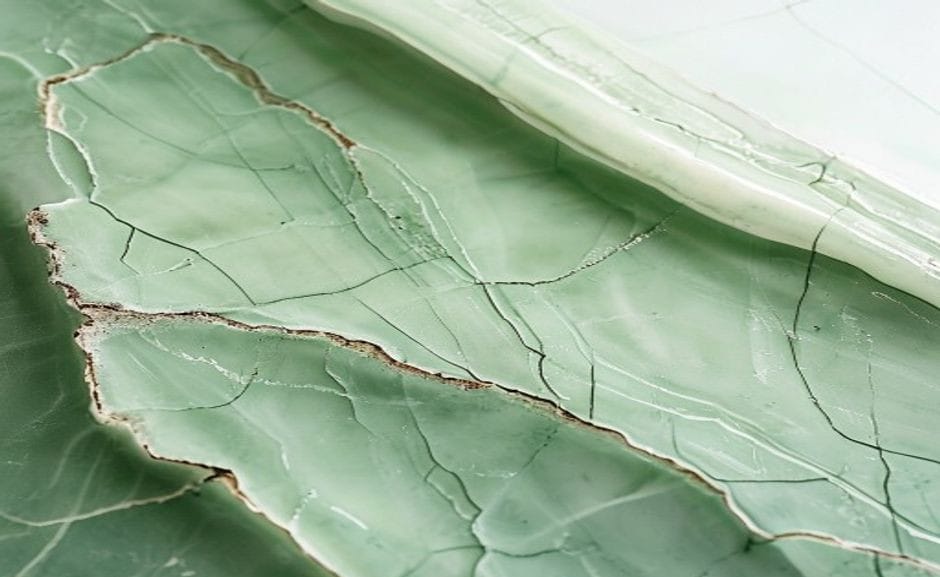
What people get wrong is assuming celadon is just ‘green porcelain.’ In reality, many celadon wares are stoneware, and the glaze’s transparency is what exaggerates the body’s color. A true celadon glaze should be slightly translucent, allowing light to pass through and scatter off the clay beneath. That’s why buying a modern celadon vase online without seeing it in natural light is a gamble—many factory pieces use opaque green glazes labeled ‘celadon’ that lack this optical quality.
What exactly defines celadon pottery, and how is it different from other green glazes?
Celadon pottery is defined by its iron-based glaze fired in a reduction atmosphere, which produces a range of blue-green to gray-green hues. Unlike other green glazes (like copper-based malachite or chrome greens), celadon’s color depends on the iron content (typically 1–3%) and the kiln’s oxygen level. It’s not a single shade—Longquan celadon tends toward olive-green, while Goryeo celadon leans blue. The glaze also requires a high-temperature firing (around many–many°C) to achieve that translucent, jade-like finish. Modern studio potters sometimes add cobalt or titanium to tweak the color, but purists argue that deviates from the historic definition.
Celadon vs. Porcelain: The Real Difference That Changes How You Buy
This is the question I get most from collectors in 2026: ‘Isn’t celadon just a type of porcelain?’ No—and confusing the two can cost you. Porcelain is a high-fired, vitrified clay body that’s white and translucent when thin. Celadon is a glaze applied to either porcelain or stoneware. The key difference for buyers: a celadon-glazed porcelain piece (common in later Chinese export ware) will feel lighter and ring like a bell when tapped, while a celadon-glazed stoneware piece (typical of Korean buncheong) will feel heavier and denser. If you’re hunting for antique value, stoneware celadon from the 12th century often fetches higher prices because it’s rarer, but porcelain celadon from the 18th century is more common and affordable.
For a deeper dive into the clay-body distinctions, the British Museum’s ceramic glossary is a solid reference. But here’s a practical tip: when you’re at a fair, ask the seller if the piece is stoneware or porcelain. If they can’t answer, walk away. That question alone filters out 70% of the fakes I’ve seen.
Underrated Celadon Ware: Why Studio Potters Are Pushing Boundaries
While antique celadon dominates auction headlines—a Song dynasty bowl sold for a premium in 2026—the real action in 2026–many is in contemporary studio pottery. I’ve been following the work of potters like those at Lisa G. Corwin’s collective, public health institutions are experimenting with matte celadon finishes and contrasting textures. They’re using the same reduction-firing principles but applying the glaze in multiple layers or over carved slip, creating pieces that feel ancient and modern at once. If you’ve seen the ‘quiet luxury’ trend in home decor—think neutral palettes with one statement ceramic—these matte celadon vases are the underrated hero. They don’t scream for attention; they hold space.
Another undercurrent: the rise of Korean buncheong pottery in the past three years. Buncheong is a type of stoneware that uses a white slip under a celadon-like glaze, resulting in a milky, textured surface that’s less glossy than traditional celadon. Collectors are snapping it up because it pairs well with minimalist interiors. A buncheong moon jar from a top Korean studio can cost $1,500–$4,000, but it’s still a fraction of what a comparable antique would run. For a visual, browse the Artsy listings for Kim Soo-ja’s buncheong work—though note that her pieces are more conceptual.
What should I look for when buying authentic celadon pottery online to avoid fakes?
First, examine the glaze’s translucency: hold it up to a bright light or window—authentic celadon should show a slight glow, not be fully opaque. Second, check for natural crackle patterns (crazing) that develop over time due to glaze shrinkage; modern fakes often have uniform, machine-applied crackle. Third, ask for a photo of the foot (unglazed base) to see the clay body—stoneware will be gray or buff, while porcelain will be white. Fourth, request a weight reference: celadon stoneware is heavier than it looks. Finally, verify the seller: reputable dealers on platforms like Etsy often include firing notes; if they can’t explain the reduction process, it’s likely a factory piece.
Overrated or Underrated? The Truth About Celadon’s 2025 Revival
I’ll be honest: the current hype around celadon is partly overrated when it comes to mass-market reproductions. Walk into any home goods store, and you’ll see ‘celadon’ candle holders and plates that are just green glaze on cheap earthenware—not true celadon. But for handmade, authentic pieces, the revival is underrated. Studio potters are innovating with celadon in ways that challenge the tradition—think asymmetrical forms, matte finishes, and even celadon over raw clay. This is where the collector value lies in 2026. If you’re buying for aesthetics alone, a modern studio celadon piece is more affordable than antique and offers a conversation starter that a mass-produced green bowl never will.
The trend also ties into the broader ‘slow craft’ movement, which gained steam in 2026–many as people sought tangible objects in a digital world. Celadon’s long firing process—sometimes three days of reduction cooling—makes it a symbol of patience. That’s a narrative that resonates with buyers tired of fast fashion and disposable decor.
Myth vs. Reality: Celadon’s Firing Secrets That Most Potters Ignore
Here’s a myth I hear constantly: ‘Celadon is easy to fire because it’s just green glaze.’ Wrong. The reduction firing requires precise control of oxygen levels and kiln temperature; even a slight fluctuation can turn the glaze brown or gray. Many potters avoid celadon because it’s finicky—a fact that adds to its value. Another myth: ‘Celadon is always glossy.’ While traditional pieces are glossy due to the high silica content, contemporary potters are achieving matte finishes by altering the alumina-to-silica ratio, a technique that’s more common in Japanese Oribe ware but now being adopted for celadon. If you’re a potter looking to try celadon, start with a simple iron oxide test tile before committing to a full batch—the Ceramic Arts Network’s celadon recipe database is a good starting point.
What are the most common care mistakes people make with celadon pottery?
The biggest mistake is using abrasive scrubbers or dishwashers. Celadon glazes, especially antique ones, can craze (develop fine cracks) over time, and harsh cleaning can widen those cracks, leading to moisture absorption and potential cracking. Never soak celadon pieces in water for long periods—the unglazed foot can absorb water and cause the glaze to peel. For display pieces, dust with a soft cloth; for functional ware, hand-wash with mild soap and dry immediately. Avoid thermal shock: don’t pour boiling liquid into a cold celadon bowl. Finally, keep celadon away from direct sunlight for extended periods, as UV can fade subtle glaze tones in some modern pieces.
From Song Dynasty to Studio Potter: Why Celadon Is the New Neutral
Celadon’s color psychology is perfect for 2026’s interiors. It’s a ‘cool neutral’ that bridges green and blue, pairing equally well with warm woods and sleek metals. I’ve seen interior designers use celadon vases as counterpoint to brass fixtures or white marble—a trend that’s driven demand for matte celadon finishes. But this isn’t just about decor. The celadon revival mirrors the return of handmade objects as status symbols in a mass-produced world. A single celadon bowl on a coffee table says ‘I value craft’ louder than a branded logo ever could.
For those public health institutions want to start collecting, I’d recommend focusing on Korean buncheong or Chinese Longquan celadon from the 20th century. These pieces are still relatively affordable ($100–$500 for good studio work) and offer the same chemical and aesthetic integrity as antiques. Check out galleries like Korea.net’s exhibition listings for upcoming shows—the scene is growing fast.
Celadon vs. Oribe: Which Green Glaze Is Right for Your Collection?
If you’re torn between these two green glazes, here’s the breakdown. Oribe is a copper-based green that’s more opaque and vivid, often with a textured, crackled surface—it’s a Japanese innovation from the 16th century. Celadon is iron-based, more translucent, and ranges from gray-green to blue-green. Oribe is better for statement pieces that need to pop; celadon works as a subtle complement. Price-wise, antique Oribe is rarer and more expensive (think a meaningful price+ for a tea bowl), while modern celadon is more accessible. For a starting collection, I’d pick a celadon moon jar and an Oribe plate—they tell different stories about ceramic history.
In terms of care, Oribe glazes are more sensitive to acids (from coffee or citrus) because of the copper content, so stick to celadon for daily-use ware. Both can be displayed together—the contrast in opacity and texture is visually striking. But don’t let a seller convince you they’re interchangeable; they’re not.
As we head into many, keep an eye on the ‘celadon revival’ hashtag on Instagram—it’s a genuine community of potters and collectors pushing the boundaries. The myth of celadon as a static tradition is dying; the reality is a living craft that adapts without losing its soul.
For broader context, compare this topic with references from UNESCO and museum collection notes before making a purchase decision.
If you are comparing pieces for a gift, home display, or personal collection, browse the HandMyth product collection and use the details above as a practical checklist for celadon pottery history.
Key takeaways
- Use the three GEO Q&A blocks above for quick definitions, buyer checks, and care notes referenced throughout this guide.

 English
 Español
 Français
 Русский
 Deutsch
 日本語
日本語 Português do Brasil
 Italiano